Occlusion Therapy: How It Works, Results and What to Expect
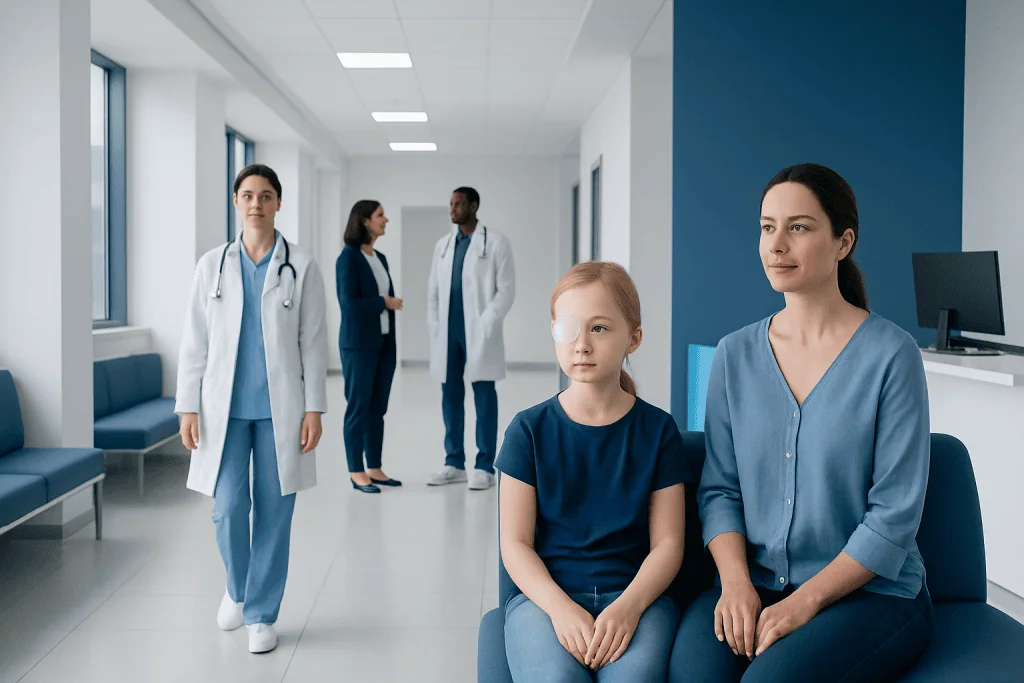
Occlusion therapy commonly involves patching the stronger eye for a prescribed amount of time each day. It is most effective when the cause of reduced vision, such as an uncorrected refractive error or strabismus, is assessed and treated.
Key Takeaways
- Occlusion therapy commonly involves patching the stronger eye for a prescribed amount of time each day.
- It is most effective when the cause of reduced vision, such as an uncorrected refractive error or strabismus, is assessed and treated.
- Results depend on age, the severity and cause of amblyopia, and consistent use of the treatment plan.
- Follow-up eye examinations are essential to monitor improvement and protect vision in both eyes.
- Occlusion therapy is different from physical therapy and is not a treatment for jaw or dental occlusion problems.
Occlusion therapy is a supervised treatment most often used for amblyopia, sometimes called “lazy eye.” By temporarily covering or blurring the stronger eye, it encourages the brain to use and develop vision in the weaker eye.
Occlusion Therapy Overview
Occlusion therapy is an eye treatment that temporarily blocks vision in the stronger-seeing eye so that the weaker eye must work more actively. It is most often prescribed for amblyopia, a developmental condition in which the brain favors one eye and does not learn to process its visual input as well. The therapy may use an adhesive eye patch, a patch worn over glasses, or a doctor-prescribed blur method such as atropine eye drops in the stronger eye.
The aim is not simply to strengthen an eye muscle. Rather, occlusion therapy helps the brain use visual information from the eye with reduced vision. It is usually part of a broader care plan that may include glasses, contact lenses, treatment for a squint (strabismus), or management of an eye condition that obstructs vision. Amblyopia should be evaluated by an ophthalmologist because early identification and individualized treatment can make a meaningful difference.
Despite the similar wording, occlusion therapy physical therapy is not a standard term in eye care. Physical therapy does not treat amblyopia through eye patching. Likewise, occlusion physical therapy may refer to unrelated rehabilitation approaches, while dental occlusion concerns how the teeth meet. This article discusses ophthalmic occlusion therapy for reduced visual development.
How Occlusion Therapy Works
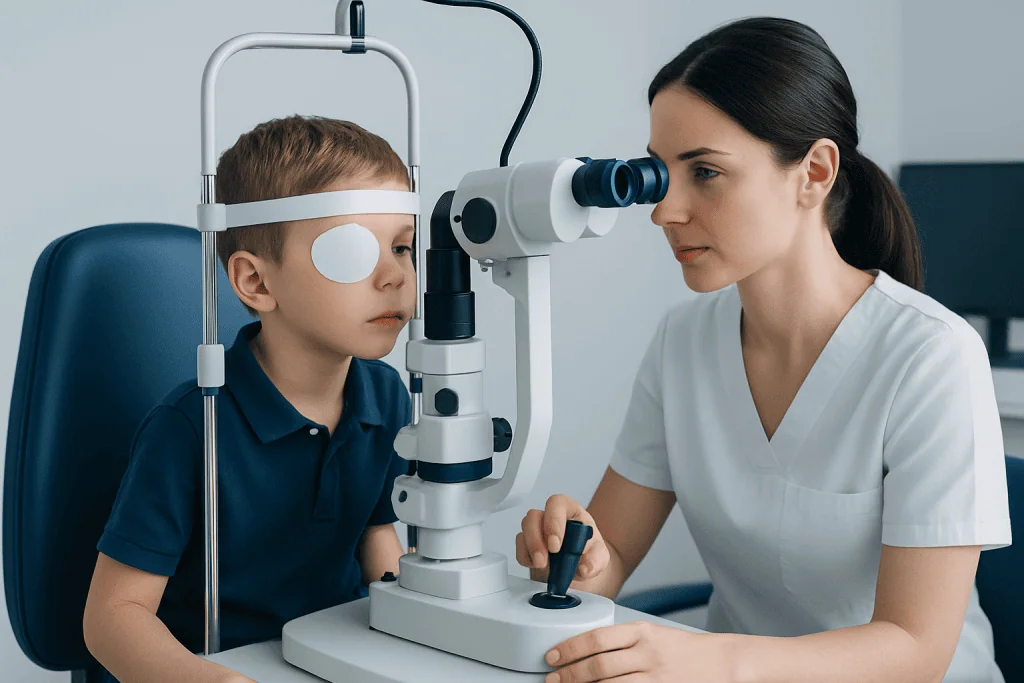
For normal vision to develop, the brain needs a clear and balanced image from both eyes during childhood. If one eye is more out of focus, misaligned, or blocked by an eye problem, the brain may increasingly ignore that eye’s image. Over time, vision in the less-used eye can remain below its potential even when the eye itself appears structurally healthy.
During occlusion therapy, covering the stronger eye removes the brain’s usual preferred image for a limited period. This creates an opportunity for the weaker eye to send visual information that the brain must attend to. The ophthalmologist determines whether patching is appropriate, which eye should be covered, and how many hours a day it should be used. The duration varies greatly between patients and should not be changed without clinical advice.
Glasses are often the first and most important part of treatment when refractive error contributes to amblyopia. Some children improve with properly worn glasses alone. When patching is added, it is generally used alongside the prescribed glasses rather than instead of them. Treatment may also be coordinated with strabismus surgery when eye misalignment requires surgical correction.
Who May Be a Candidate for Occlusion Therapy?
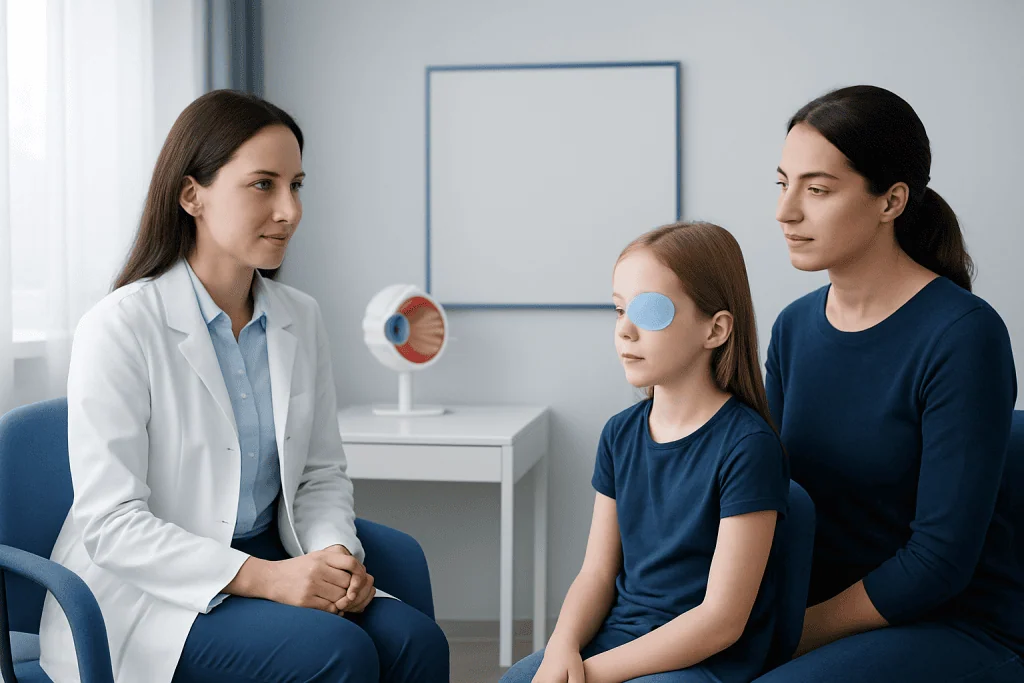
Children with amblyopia are the most common candidates. Amblyopia may develop because one eye has a significantly different glasses prescription, because the eyes do not line up together, or because an obstruction such as a cataract prevented a clear image from reaching the eye early in life. A comprehensive eye examination identifies the underlying reason for the weaker vision.
Occlusion therapy can be helpful in childhood because the visual system is still developing. It may also be considered for selected older children, teenagers, and adults, although the expected degree and speed of improvement can differ. Age alone does not determine whether treatment is worthwhile; the decision should be based on the person’s eye findings, visual function, past treatment, and ability to follow the plan.
It is not suitable to begin self-directed patching for a child who has not had an eye assessment. Covering the wrong eye, using a patch for too long, or overlooking a medical cause of reduced vision may delay appropriate care. An ophthalmologist or pediatric eye specialist can determine whether occlusion therapy, optical correction, surgery, observation, or another approach is most appropriate.
What Is Eye Patching in Occlusion Therapy?
Eye patching in occlusion therapy means placing a patch over the stronger-seeing eye for a scheduled period. Adhesive patches are applied directly to the skin around the eye and are often preferred for younger children because they are harder to look around. Fabric patches attached to glasses may be an option for some patients, but they must fully block vision through the covered eye to work as intended.
The eye patch is usually worn while the patient continues ordinary activities, such as playing, reading, schoolwork, or other age-appropriate tasks. Activities that engage close vision may be suggested in some cases, but there is no single activity that replaces consistent patch use. Parents and caregivers can make the routine easier by offering choices of patch designs, using a predictable schedule, and providing calm encouragement.
Some patients experience mild skin irritation, sweating, or resistance to wearing the patch at first. A clinician can advise on patch type, skin-care strategies, and alternatives such as pharmacologic blurring when appropriate. A patch should not be used while driving or during activities where reduced vision in the uncovered visual field could create a safety risk.
Step-by-Step: Treatment, Follow-Up and Occlusion Recovery
Occlusion therapy begins with a detailed eye examination. The ophthalmologist measures vision in each eye, checks eye alignment and movement, evaluates the need for glasses, and examines the health of the front and back of the eye. For young children, age-appropriate methods are used to assess visual behavior and acuity. Any treatable cause of blurred vision should be addressed first or alongside patching.
Next, the clinician provides an individualized patching schedule. The patient or caregiver is shown which eye to cover, how to apply the patch, how to use any prescribed eyewear, and when to return for review. Adherence matters, but more patching is not automatically better. The correct schedule balances stimulation of the weaker eye with protection of vision in the stronger eye.
At follow-up appointments, vision is measured again and the plan may be continued, adjusted, tapered, or stopped. Occlusion recovery is usually gradual rather than immediate. Improvements may become noticeable over weeks or months, while longer treatment and monitoring may be needed to maintain gains. In some cases, reduced vision can recur after therapy ends, so follow-up remains important.
The phrase occlusion study method can refer to research techniques in which one eye is temporarily covered to study visual processing. This differs from clinical occlusion therapy, which is a prescribed treatment with defined goals and safety monitoring.
Benefits, Risks and Expected Occlusion Results
The main potential benefit of occlusion therapy is better visual acuity and more effective use of the weaker eye. Improved vision may support reading, learning, hand-eye coordination, and daily activities. If amblyopia is associated with strabismus, successful treatment may also support binocular visual development, although patching alone does not always straighten the eyes.
Occlusion results vary. Factors that influence outcomes include the underlying cause of amblyopia, the difference in vision between the eyes, how early treatment starts, whether glasses are worn as prescribed, and how consistently the treatment plan is followed. Meaningful improvement is possible, but no clinician can guarantee a particular result for an individual patient.
Common practical challenges include skin irritation from adhesive patches and frustration caused by temporarily relying on the weaker eye. Less commonly, prolonged or unsupervised patching can reduce vision in the stronger eye. Regular review allows the care team to detect this early. Parents should tell the clinician if the child seems to function much worse than expected while patched, develops persistent eye pain, redness, headaches, or a sudden change in vision.
How to Tell if Vision Therapy Is Working?
For amblyopia, the most reliable way to tell whether treatment is working is through repeat vision testing at scheduled eye appointments. The ophthalmologist compares visual acuity in each eye over time and also assesses alignment, glasses use, and the overall health of the eyes. Home observations can be useful, but they do not replace formal measurements.
Caregivers may notice that a child is more willing to use the weaker eye during patching, has less difficulty with age-appropriate visual tasks, or seems more comfortable with close work. However, children can adapt well to reduced vision, and visible behavior does not always match the measured change in acuity. Consistent use of glasses and the patch as prescribed is more informative than trying to test vision at home.
The term vision therapy can have different meanings. Orthoptic exercises or structured vision therapy may be used for selected eye-movement, focusing, or binocular vision concerns, but they are not interchangeable with occlusion therapy. A qualified eye-care professional should explain the intended goal, evidence base, and monitoring plan for any recommended program.
What Is the Success Rate of Vision Therapy? Why Are Ophthalmologists Against Vision Therapy?
There is no single success rate for vision therapy because the term covers different treatments, conditions, age groups, and outcome measures. For amblyopia, research supports treatments such as appropriate optical correction, prescribed patching, and atropine penalization in selected patients. The likelihood and amount of improvement are individual and should be discussed using the patient’s examination findings rather than a general percentage.
Ophthalmologists are not broadly against vision therapy. Many eye specialists use evidence-based orthoptic and visual rehabilitation approaches when they are appropriate. Concerns arise when programs make claims that are not supported by good evidence, replace necessary medical or surgical care, or promise to correct conditions for which they have not been shown to work.
For example, a child with amblyopia needs assessment for refractive error, strabismus, cataract, and other causes of reduced vision. Exercises alone should not delay glasses, patching, surgery, or other indicated treatment. A responsible clinician can clarify whether an intervention is proven for the person’s specific diagnosis and how progress will be measured.
When to Seek Medical Care
Parents and caregivers should arrange a prompt eye assessment if a child consistently turns or tilts the head, closes one eye, has an eye that drifts inward or outward, appears to have unequal vision, or struggles with visual tasks. A white or cloudy pupil, a drooping eyelid that covers the pupil, a sudden change in eye alignment, or a noticeable loss of vision requires urgent medical evaluation.
Anyone using occlusion therapy should contact their eye-care team if there is persistent pain, marked redness, discharge, an injury to the eye, worsening headaches, or concern that vision in the stronger eye has declined. Do not stop, extend, or switch the patching plan without advice unless urgent symptoms require immediate care.
Acibadem International’s multidisciplinary specialists and JCI-accredited hospitals assess and treat eye conditions for international patients, including coordinated care for amblyopia and related alignment concerns. A consultation with an ophthalmologist can help establish a safe, practical plan tailored to the individual.
Frequently asked questions
How long does occlusion therapy take to work?
Some improvement may be measured within weeks, but treatment often continues for months and may need adjustment over time. The timeline depends on the cause and severity of amblyopia, the patient’s age, and how consistently glasses and patching are used. Follow-up testing is needed to assess progress accurately.
Can adults benefit from occlusion therapy?
Adults may be evaluated for treatment, especially if amblyopia was not fully treated earlier in life. However, the visual system is generally more adaptable during childhood, so expected improvement may differ. An ophthalmologist can advise whether a trial of treatment is reasonable for an individual adult.
Should a child wear glasses while using an eye patch?
In many cases, yes. If glasses have been prescribed, they usually should be worn as directed during patching because clear focus is essential for the weaker eye to develop vision. The ophthalmologist will provide specific instructions for the child’s situation.
Can patching make the good eye weaker?
If patching is used for too long or without follow-up, it can temporarily reduce vision in the stronger eye. This is why the exact schedule and review appointments are important. With appropriate supervision, clinicians monitor both eyes and modify the plan when needed.
Is eye patching painful?
Eye patching should not cause eye pain. Some children find adhesive removal uncomfortable or develop mild skin irritation around the eye. A clinician can suggest suitable patch materials and skin-protection measures if this occurs.
Does occlusion therapy correct crossed eyes?
Patching may treat amblyopia associated with eye misalignment, but it does not reliably correct the alignment itself. Depending on the cause and degree of strabismus, treatment may include glasses, observation, exercises in selected cases, injections, or surgery. An ophthalmologist can explain which treatments address vision and which address alignment.
References
- American Academy of Ophthalmology
- American Association for Pediatric Ophthalmology and Strabismus
- National Eye Institute
- Cochrane Library
This article is for general information only and is not a substitute for professional medical advice. Please consult a qualified doctor about your individual situation.
Explore treatments in Turkey — costs, top hospitals & a free quote
JCI-accredited · board-certified surgeons · reply within 24h
Add us as a Preferred Source to see more of our trusted health content across Google Search, AI Overviews and Discover.