Preauricular Pit Surgery: Procedure, Recovery and Results

A preauricular pit is a common congenital skin opening near the outer ear, sometimes connected to a small tract beneath the skin. Surgery is most often recommended after repeated infection or ongoing drainage, ideally once active inflammation has settled.
Key Takeaways
- A preauricular pit is a common congenital skin opening near the outer ear, sometimes connected to a small tract beneath the skin.
- Surgery is most often recommended after repeated infection or ongoing drainage, ideally once active inflammation has settled.
- Complete removal of the tract is important because remaining branches can contribute to recurrence.
- Recovery usually involves mild discomfort, wound care, and a short period of activity adjustment.
- Risks are uncommon but include bleeding, infection, scarring, wound problems, and recurrence.
- The cost of preauricular pit removal varies by country, hospital, anesthesia needs, and insurance or payment arrangements.
Preauricular pit surgery is a minor procedure that removes a small congenital opening and its underlying sinus tract near the front of the ear. It is usually considered when the pit causes repeated infections, swelling, drainage, or abscesses, while symptom-free pits often need no treatment.
Overview: What Is Preauricular Pit Surgery?
Preauricular pit surgery is an operation to remove a preauricular pit, also called a preauricular sinus. This is a tiny opening in the skin that is present from birth, usually located just in front of the upper part of the ear. In some people, the opening leads to a narrow tract beneath the skin that can collect skin cells and debris.
Many people never develop symptoms and do not need preauricular pit surgery removal. Surgery is generally considered when the area becomes infected repeatedly, drains fluid or pus, forms a painful lump, or develops an abscess. Removing the complete tract aims to prevent future infections while preserving the appearance and function of the ear.
Assessment and treatment are commonly provided by an ear, nose and throat specialist or a surgeon with experience in head and neck procedures. If there is an active infection, it is usually treated first; elective removal is often safer and more effective after redness and swelling have improved.
How Deep Does a Preauricular Pit Go?
A preauricular pit may look like a simple pin-sized dimple, but the tract beneath it can vary considerably. It may be short and shallow in some people, while in others it branches or extends through soft tissue near the outer ear. The exact course cannot be reliably judged from the surface opening alone.
The tract is usually located in the tissues in front of the ear rather than inside the ear canal. It may run close to structures around the outer ear, which is why careful surgical planning and technique are important. The tract does not usually extend into the brain or affect hearing simply because it is present.
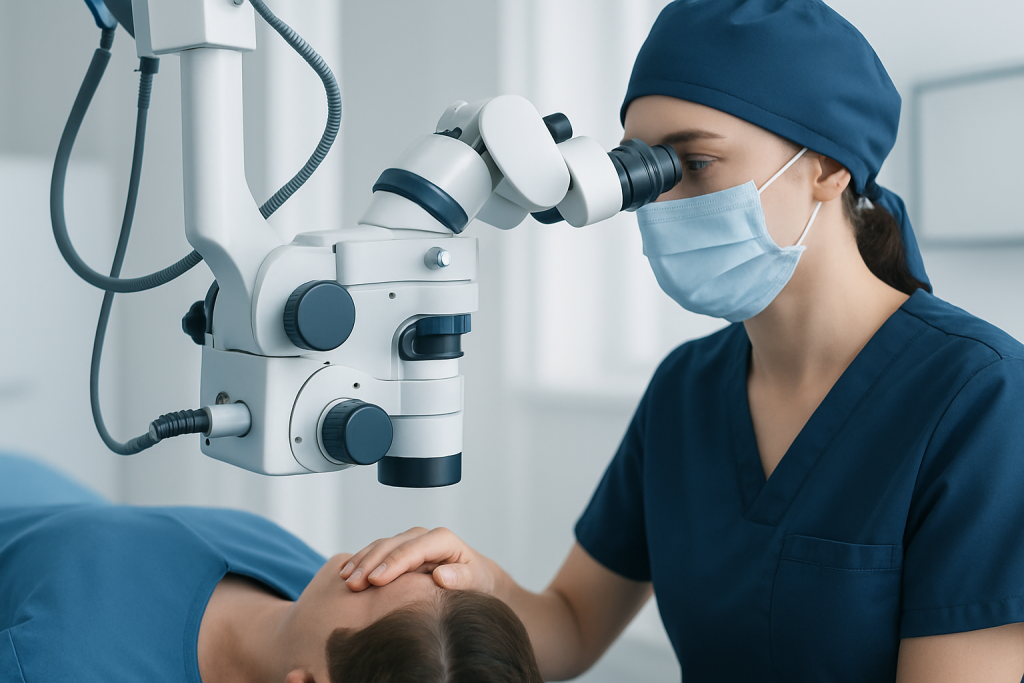
During surgery, the specialist follows and removes the pit and associated sinus tissue as fully as possible. Some surgeons use magnification, a probe, or dye placed carefully into the opening to help identify branching parts of the tract. These methods may support complete removal, although the approach is individualized.
What Is Inside a Preauricular Pit?
The visible opening is lined by skin-like tissue. Beneath it, a preauricular sinus may contain shed skin cells, natural skin oils, and occasionally hair or other debris. When material becomes trapped, bacteria can multiply and cause inflammation or infection.
An infected pit may become tender, red, swollen, or warm. It can leak cloudy fluid, pus, or material with an unpleasant odor. Occasionally, infection leads to an abscess, which is a localized pocket of pus that may require drainage in addition to antibiotics.
Not every preauricular pit has a problematic tract or becomes infected. A person with a symptom-free pit can usually monitor it without intervention. Recurrent swelling or discharge, however, should be assessed by a qualified clinician to confirm the cause and discuss whether removal is appropriate.
Candidacy and Step-by-Step Procedure
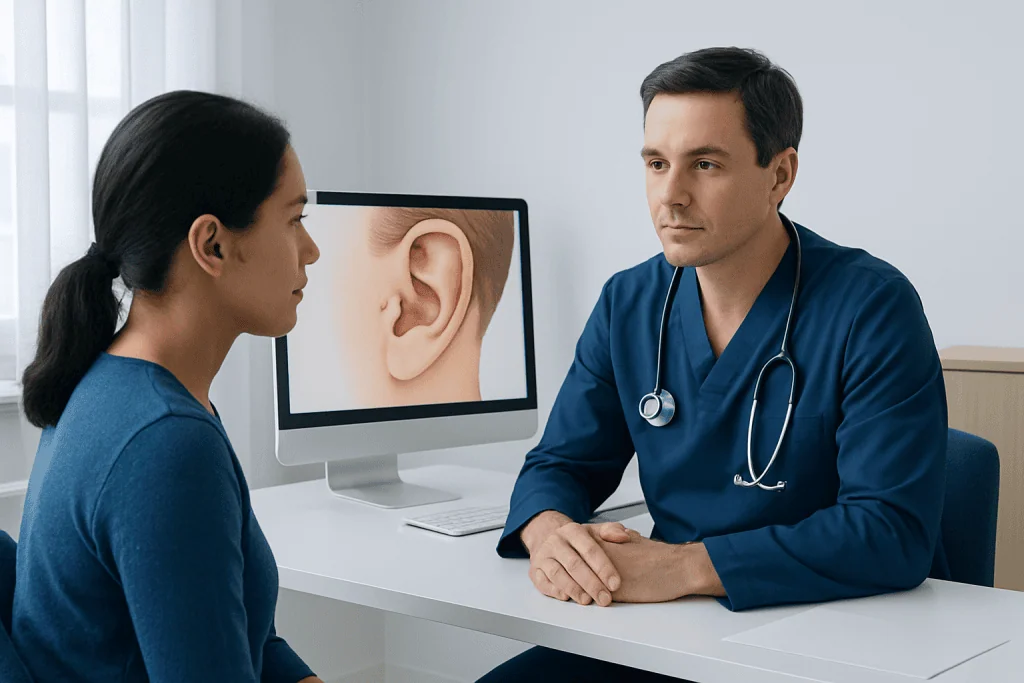
People may be candidates for preauricular pit surgery when they have recurrent infections, repeated drainage, persistent discomfort, an abscess history, or a cyst related to the sinus tract. A specialist will review symptoms, examine the area, and ask about prior antibiotic treatment or drainage procedures. Imaging is not always necessary, but it may be considered if the anatomy appears unusual or a deeper mass is suspected.
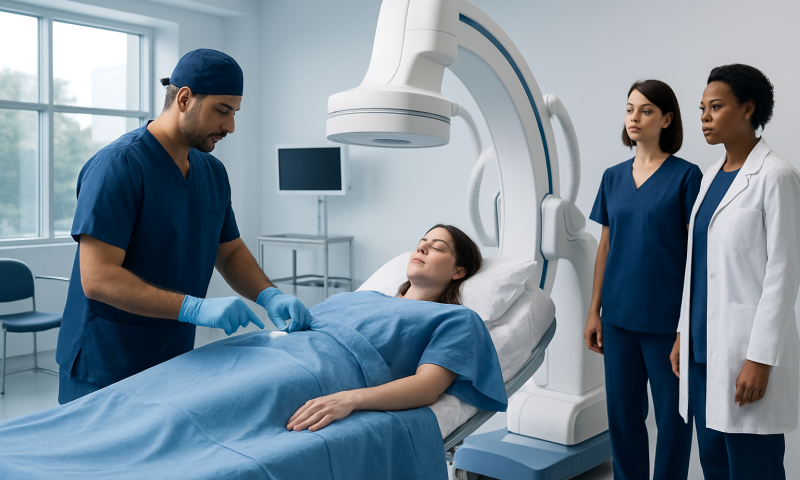
The procedure is usually planned after any acute infection is controlled. Depending on the patient’s age, health, anticipated complexity, and local practice, surgery may be performed with local anesthesia and sedation or with general anesthesia. Children commonly receive general anesthesia so they can remain still and comfortable.
During the operation, the surgeon makes a small incision around or near the pit. The pit, tract, and any branches or inflamed tissue are carefully dissected and removed. The wound is then closed with stitches, and a small dressing may be applied. The operation is often performed as day surgery, allowing the patient to return home the same day once recovered from anesthesia.
Before proceeding, the care team explains the planned approach, expected scar location, anesthesia considerations, and instructions for the days before and after surgery. Individual recommendations can differ when there has been previous infection, scarring, or earlier surgery.
Is Preauricular Sinus Surgery Painful?
Preauricular sinus surgery is performed with anesthesia, so patients should not feel pain during the procedure. With local anesthesia, pressure or movement may be noticed, while sedation or general anesthesia can make the experience more comfortable. The anesthesia plan is chosen after discussing medical history and procedural needs.
After preauricular pit removal, mild soreness, tightness, or tenderness around the incision is common for a few days. Most discomfort can be managed with the pain-relief plan recommended by the surgeon. Patients should not use medicines that increase bleeding risk unless their clinician has specifically advised that they are safe.
Severe pain, rapidly increasing swelling, fever, spreading redness, or new pus-like discharge are not expected recovery features and should be reported. Early review can help identify wound infection, fluid collection, or other problems that may need treatment.
Preauricular Pit Surgery Recovery and Expected Results
Preauricular pit surgery recovery is often straightforward, but the pace varies with the extent of surgery, the presence of previous infection, and the person’s overall health. Mild swelling or bruising can occur during the first several days. The incision should be kept clean and dry as instructed, and dressings should be changed only according to the care team’s advice.
Many adults return to desk work and routine non-strenuous activities within several days, while children may return to school once they feel well and their clinician agrees. Activities that could pull on the incision, expose it to dirt, or cause direct injury to the ear area may need to be avoided temporarily. Follow-up is arranged to check healing and remove stitches if non-dissolving sutures were used.
Preauricular pit removal recovery also includes scar care. Once the incision is fully closed, the surgeon may recommend measures such as protecting the scar from sun exposure. Scars typically mature gradually over months; their final appearance depends on incision placement, skin type, healing, and whether there was earlier infection or scarring.
Most patients have no further drainage or infection after successful removal. However, preauricular pit recurrence after surgery can occur if microscopic portions of a branching tract remain, particularly when prior infections have caused scarring. Recurrence does not mean a patient has done anything wrong; it should be reassessed by an experienced specialist.
Benefits, Risks and When to Seek Medical Care
The main benefit of preauricular pit surgery is reducing the likelihood of repeated infection, painful swelling, drainage, and the need for urgent treatment. It may also relieve the practical and emotional burden of an area that repeatedly becomes irritated. For people without symptoms, observation may be the most appropriate option because surgery itself has risks.
Preauricular pit surgery risk is generally low, but possible complications include bleeding, infection, wound separation, a visible or thickened scar, numbness around the incision, fluid collection, anesthesia-related effects, and recurrence. Injury to nearby structures is uncommon when surgery is performed by an appropriately trained specialist, but every procedure should be discussed in light of the individual anatomy and medical history.
Medical care should be sought promptly for increasing redness, warmth, swelling, pain, fever, pus-like drainage, or a growing lump near a preauricular pit. Urgent assessment is especially important if swelling is significant or a person feels unwell. Patients should also contact their surgical team after surgery if bleeding does not stop with gentle pressure, the wound opens, or symptoms worsen rather than gradually improve.
Acibadem International’s multidisciplinary specialists and JCI-accredited hospitals assess and treat preauricular sinus concerns for international patients, with care plans based on the individual’s symptoms, anatomy, and treatment needs.
How Much Does It Cost to Remove a Preauricular Pit?
The cost to remove a preauricular pit varies widely and cannot be estimated accurately without a clinical assessment and local billing information. Important factors include the country and hospital, surgeon and anesthesia fees, whether the procedure is performed in an operating room, the complexity of the tract, laboratory or imaging needs, and follow-up care.
Previous infection or abscess treatment can also affect the overall care plan. If an active infection requires antibiotics, drainage, additional visits, or delayed surgery, costs may differ from those of a planned uncomplicated outpatient procedure.
People using health insurance should ask their insurer whether evaluation, anesthesia, surgery, pathology testing, and postoperative visits are covered and what prior authorization may be required. Those paying directly can request a written, itemized estimate from the hospital or clinic and ask what is included, while understanding that additional treatment may be needed if unexpected findings arise.
Frequently asked questions
Does every preauricular pit need surgery?
No. A preauricular pit that has never become infected, swollen, painful, or persistently draining often does not require treatment. A clinician may recommend observation and advise the person to return if symptoms develop.
Can a preauricular pit become infected again after antibiotics?
Yes. Antibiotics can treat an active bacterial infection, but they do not remove the underlying sinus tract. If infections recur, a specialist may discuss surgical removal after the inflammation has settled.
How long does preauricular pit surgery recovery take?
Initial wound healing commonly takes one to two weeks, although tenderness and mild swelling may improve sooner. Scar maturation takes longer, often several months, and the surgeon will give personalized guidance about work, school, exercise, and wound care.
What happens if a preauricular pit is left untreated?
If it causes no symptoms, it may remain harmless and need only observation. If it becomes infected, leaving it untreated can allow pain, swelling, drainage, or an abscess to worsen, so medical assessment is important.
Can a preauricular pit come back after surgery?
The original pit is removed during surgery, but recurrence can happen if part of a branching sinus tract remains. The risk may be higher after repeated infections or previous procedures because inflammation and scarring can make the tract harder to identify.
Will preauricular pit surgery affect hearing or ear shape?
The operation is intended to remove tissue in front of the outer ear and does not usually affect hearing. A small scar is expected, and surgeons plan the incision to support healing and minimize visible change, but scar appearance varies between individuals.
References
- American Academy of Otolaryngology–Head and Neck Surgery
- National Health Service
- Merck Manual Consumer Version
- MedlinePlus
- Cleveland Clinic
This article is for general information only and is not a substitute for professional medical advice. Please consult a qualified doctor about your individual situation.
Explore treatments in Turkey — costs, top hospitals & a free quote
JCI-accredited · board-certified surgeons · reply within 24h
Add us as a Preferred Source to see more of our trusted health content across Google Search, AI Overviews and Discover.

Plastic, Reconstructive & Aesthetic Surgery
Reconstructive and aesthetic procedures for the face and body, performed by experienced surgeons.
29 specialists in this unit