Radiation Treatment for Bladder Cancer: How It Works, Results and What to Expect
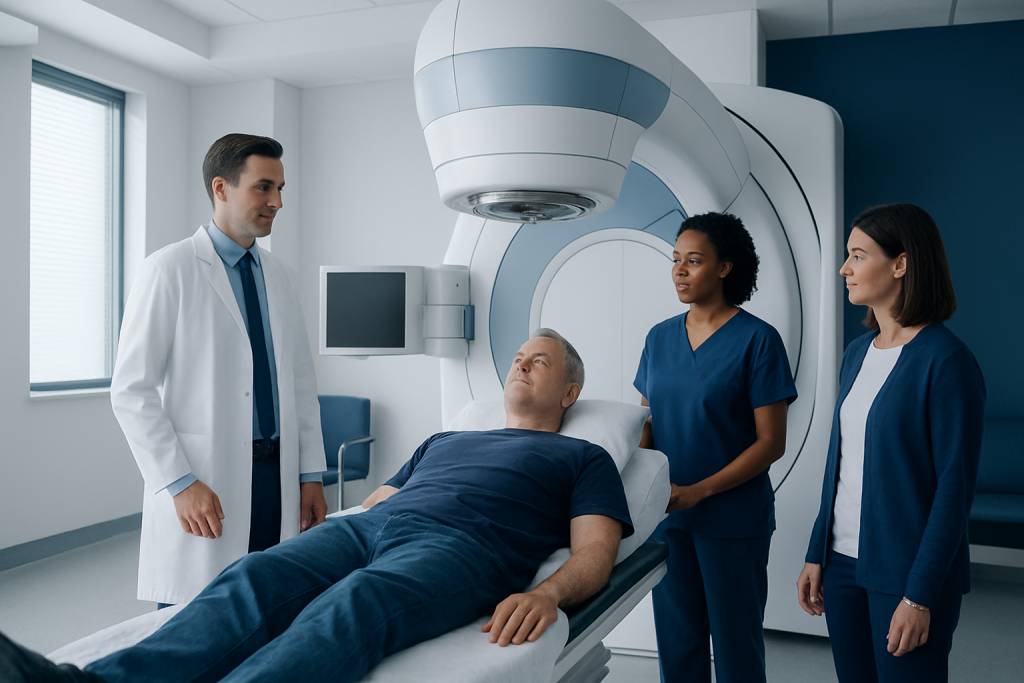
External beam radiation therapy is the most common form of radiation used for bladder cancer. For selected muscle-invasive bladder cancers, radiation plus chemotherapy after tumor removal may offer an alternative to bladder removal surgery.
Key Takeaways
- External beam radiation therapy is the most common form of radiation used for bladder cancer.
- For selected muscle-invasive bladder cancers, radiation plus chemotherapy after tumor removal may offer an alternative to bladder removal surgery.
- Treatment is usually delivered on weekdays over several weeks and is painless during each session.
- Urinary, bowel, skin, fatigue, and sexual side effects can occur, but many improve after treatment ends.
- Regular follow-up with cystoscopy, scans, and urine tests is important after bladder-preserving treatment.
Radiation treatment for bladder cancer uses high-energy beams to damage cancer cells while limiting exposure to nearby healthy tissues. It is most often part of a bladder-preserving treatment plan that combines maximal tumor removal, radiation therapy, and chemotherapy.
Overview: What Radiation Treatment for Bladder Cancer Does
Radiation treatment for bladder cancer directs carefully planned high-energy radiation beams at the bladder tumor and nearby areas where cancer cells could remain. The radiation damages cancer-cell DNA, making it harder for these cells to divide and survive. Healthy tissues can also be affected, but modern planning techniques are designed to reduce unnecessary exposure.
Radiation bladder cancer treatment is most commonly used for muscle-invasive disease as part of a combined approach called trimodality therapy. This usually includes transurethral resection of the bladder tumor (TURBT), radiation therapy, and chemotherapy given during radiation to make cancer cells more sensitive to treatment. For some people, this approach may preserve the bladder rather than require cystectomy, the operation to remove it.
Radiation may also be used when surgery is not suitable, when cancer has returned in the pelvis, or to relieve symptoms such as bleeding, pain, or urinary blockage in advanced disease. The right approach depends on the cancer stage and grade, the person’s general health, kidney function, bladder function, and personal priorities.
How Radiation Works and How It Is Planned
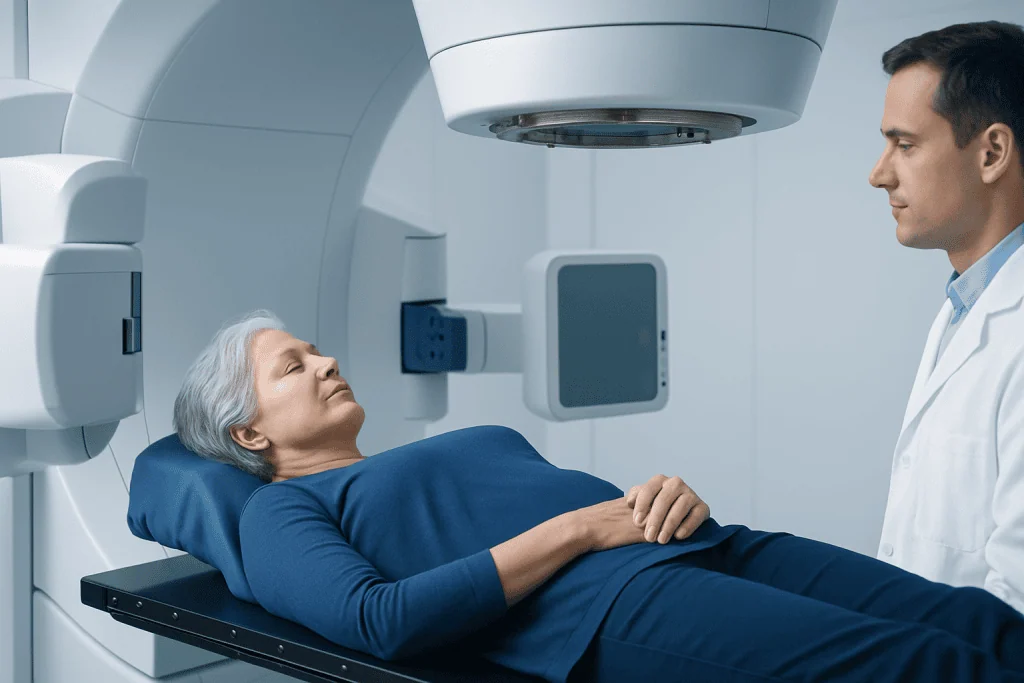
Most people receive external beam radiation therapy. A treatment machine moves around the body and sends radiation from several angles toward the bladder and, when needed, nearby pelvic lymph nodes. The machine does not touch the body, and the person does not become radioactive after a session.
Planning begins with a simulation appointment. The radiation oncology team uses imaging, commonly a planning CT scan and sometimes MRI, to map the tumor area and surrounding organs. Small skin marks or tattoos may be used to help position the body consistently. Because bladder filling can change its shape and location, patients may receive clear instructions about drinking fluids or emptying the bladder before each visit.
Specialized planning software helps the team shape and direct the radiation dose. Techniques such as intensity-modulated radiation therapy and image-guided radiation therapy can improve daily accuracy and help limit dose to the bowel, rectum, pelvic bones, and other nearby tissues. Radiation planning is individualized and may be adjusted if anatomy or treatment needs change.
Who May Be a Candidate for Bladder-Preserving Radiation

Radiation-based bladder preservation may be considered for selected people with muscle-invasive bladder cancer, particularly when the visible tumor can be removed as completely as possible during TURBT. It can also be an important option for people who prefer to avoid bladder removal surgery or who have health conditions that make major surgery less appropriate.
Good bladder function and the ability to attend daily treatment visits and long-term follow-up are important considerations. Doctors also assess whether there is extensive carcinoma in situ, severe urinary obstruction, a very small or poorly functioning bladder, kidney impairment that limits chemotherapy choices, or disease that has spread outside the pelvis. These factors do not automatically rule out radiation, but they can influence which option is safest and most effective.
A urologist, radiation oncologist, medical oncologist, radiologist, pathologist, and specialist nurses often review the case together. This multidisciplinary discussion helps compare bladder-preserving therapy with surgery and systemic treatments. Information about the diagnosis and staging of bladder cancer is central to making an informed treatment decision.
What to Expect: The Procedure Step by Step
Before radiation begins, many patients undergo TURBT to diagnose the tumor and remove as much visible cancer as possible. The team then completes radiation planning and discusses whether chemotherapy will be given at the same time. Concurrent chemotherapy is generally used when appropriate because it can improve the effectiveness of radiation, but the choice of medicine is tailored to overall health and kidney function.
On each treatment day, the patient changes into appropriate clothing and lies on a treatment table. Radiation therapists position the body using the planning marks and imaging guidance. The treatment machine may rotate around the table, but the patient needs only to remain still and breathe normally. The delivery of radiation itself is painless and commonly lasts only a few minutes, although the full appointment can take longer for positioning and imaging.
Courses vary according to the treatment goal, stage, and local protocol. Curative bladder-preserving radiation is commonly given Monday through Friday over several weeks, while symptom-relieving radiation may be shorter. The care team monitors symptoms throughout treatment and may arrange blood tests, nutrition support, medication adjustments, or other supportive care.
People considering this approach can discuss the practical details of radiotherapy with their radiation oncology team, including preparation instructions, transportation needs, and ways to manage side effects during the course.
Benefits, Results and Follow-Up After Treatment
The main potential benefit of combined radiation and chemotherapy is the possibility of treating the cancer while retaining a functioning bladder. This may avoid the need for urinary diversion and can be particularly meaningful for people whose health, work, travel, or personal preferences make bladder preservation important. However, it is not the best option for every tumor or every patient.
Results depend on several factors, including tumor stage, completeness of TURBT, response to chemoradiation, cancer biology, and adherence to follow-up. A complete response means no visible or detectable cancer is found after treatment evaluation. Some patients may have persistent or recurrent cancer in the bladder and could require additional treatment, including salvage cystectomy.
Follow-up is an essential part of bladder-preserving care. It commonly includes regular cystoscopy to inspect the bladder, urine testing, imaging studies, and physical examinations. Visits tend to be more frequent in the first years after treatment and may become less frequent over time. New urinary symptoms should be reported rather than waiting until the next scheduled appointment.
For patients who need systemic medicines as part of their cancer plan, chemotherapy may be used alongside radiation or at another stage of care, depending on the type and extent of disease.
Radiation Treatment for Bladder Cancer Side Effects and Recovery
Radiation treatment for bladder cancer side effects often build gradually during the course of treatment. Common short-term effects include tiredness, more frequent urination, urgency, burning or discomfort when passing urine, bladder spasms, and occasionally blood in the urine. Bowel effects can include looser stools, increased bowel frequency, cramping, rectal discomfort, or irritation of the skin in the treatment area.
Many short-term effects begin to improve within several weeks after radiation ends, although recovery is individual. Rest, gentle physical activity when tolerated, adequate fluids if the medical team advises them, and a diet adjusted for bowel symptoms may help. Clinicians can prescribe or recommend treatments for pain, bladder irritation, diarrhea, nausea, or skin discomfort. Patients should not start over-the-counter remedies or supplements without checking with their cancer team.
Less common late effects can develop months or years later. These may include ongoing urinary urgency, reduced bladder capacity, recurrent bleeding, bowel changes, narrowing of the urethra or ureters, pelvic bone changes, and sexual or fertility concerns. Erectile difficulties, vaginal dryness, narrowing, or discomfort during sex may occur depending on anatomy and other treatments received. The team can explain individual risks and provide referrals for supportive care when needed.
Recovery also includes emotional adjustment. Anxiety around follow-up tests is common, and practical support from family, specialist nurses, counseling services, or patient groups can be helpful. Persistent or worsening symptoms deserve medical review, even if they occur long after radiation is finished.
Self-Care During Treatment and When to Seek Medical Care
Patients should follow the preparation instructions provided by their radiation team, especially guidance about bladder filling, bowel preparation, medications, and diet. Keeping a record of urinary and bowel symptoms can help the team identify changes early. Maintaining regular meals, hydration as advised, sleep, and light activity can support well-being during treatment, but rest is appropriate when fatigue is significant.
Medical care should be sought promptly for fever or chills, inability to pass urine, severe pelvic or abdominal pain, heavy bleeding or blood clots in the urine, severe or persistent diarrhea, dehydration, confusion, chest pain, shortness of breath, or a rapid decline in general condition. These symptoms may have causes other than radiation, but they should be assessed without delay.
Patients should contact their oncology team for new or worsening urinary pain, worsening bleeding, troublesome bowel symptoms, skin breakdown, vomiting that prevents drinking, or fatigue that significantly affects daily activities. Outside treatment hours, the team can explain which urgent-care or emergency service to use.
At Acibadem International, multidisciplinary specialists in JCI-accredited hospitals can assess and treat bladder cancer for international patients, coordinating urology, radiation oncology, medical oncology, imaging, and supportive care according to individual needs.
Frequently asked questions
Can radiation treatment cure bladder cancer?
For selected people with localized muscle-invasive bladder cancer, radiation combined with chemotherapy after tumor removal may be used with curative intent. Whether cure is realistic depends on the stage, tumor features, response to treatment, and overall health. Ongoing surveillance is needed because cancer can persist or return.
Is radiation treatment for bladder cancer painful?
External beam radiation is not painful while it is being delivered. The person lies still on a treatment table while the machine delivers radiation from outside the body. Some urinary, bowel, skin, or fatigue symptoms can develop gradually during treatment.
How long does radiation treatment for bladder cancer take?
A typical daily appointment includes positioning and imaging, while the radiation delivery itself usually takes only a few minutes. Curative treatment is often delivered on weekdays over several weeks, although schedules vary. Radiation given to relieve symptoms may be completed over a shorter course.
Will chemotherapy always be given with bladder radiation?
Chemotherapy is often given during radiation for bladder-preserving treatment because it can make radiation more effective. However, it may not be suitable for everyone due to kidney function, other health conditions, prior treatments, or individual treatment goals. The oncology team selects the safest appropriate plan.
Can the bladder cancer come back after radiation?
Yes. Some cancers may remain after treatment or recur later in the bladder or elsewhere in the body. Regular cystoscopy, urine tests, scans, and clinical reviews are used to detect recurrence early. Further treatment, including surgery in some cases, may be recommended if recurrence occurs.
What should a person do if urinary symptoms continue after radiation?
Persistent burning, urgency, bleeding, frequent urination, difficulty passing urine, or pelvic pain should be discussed with the treating team. These symptoms may be related to radiation effects, infection, narrowing, recurrence, or another condition. Assessment is important because effective symptom management or further treatment may be available.
References
- National Cancer Institute
- American Cancer Society
- European Association of Urology
- American Society for Radiation Oncology
- National Comprehensive Cancer Network
This article is for general information only and is not a substitute for professional medical advice. Please consult a qualified doctor about your individual situation.
Bladder Cancer in Turkey — costs, top hospitals & a free quote
JCI-accredited · board-certified surgeons · reply within 24h
Add us as a Preferred Source to see more of our trusted health content across Google Search, AI Overviews and Discover.

Hematology Department
17 specialists in this unitMore from the Health Library



Related Specialists

Dr. Mazlum Batu
Emergency Service
Assoc. Prof. Dr. Gökhan Tosun
Gynecology & Obstetrics
Dr. Sinan Aksu
Orthopedic Surgery & Traumatology
Assoc. Prof. Dr. Mahmut Subaşı
Thoracic Surgery