Rehabilitation After Spinal Cord Injury: Mobility and Daily Life Support
Rehabilitation begins as early as medically safe and continues in phases, from hospital care to home and community life. Physical and occupational therapy help improve strength, transfers, wheelchair skills, walking potential, and daily activities.
Key Takeaways
- Rehabilitation begins as early as medically safe and continues in phases, from hospital care to home and community life.
- Physical and occupational therapy help improve strength, transfers, wheelchair skills, walking potential, and daily activities.
- Bladder, bowel, skin, pain, and spasticity management are essential parts of long-term spinal cord injury care.
- Assistive devices, home adaptations, and caregiver education can make daily life safer and more independent.
- Emotional support, social participation, and vocational planning are important for quality of life after spinal cord injury.
Rehabilitation after spinal cord injury helps people regain skills, protect health, and adapt daily routines for greater independence. Care is usually multidisciplinary, combining mobility training, self-care support, medical management, and emotional guidance.
Overview
Rehabilitation after spinal cord injury is a structured program designed to help a person recover as much function as possible and learn new ways to move, communicate needs, perform daily activities, and participate in family, work, school, and social life. A spinal cord injury may affect strength, sensation, balance, bladder and bowel control, sexual function, breathing, skin health, and pain regulation. The exact impact depends on the level and completeness of the injury, as well as the person’s overall health and goals.
Rehabilitation does not mean that every lost function will return. Instead, it focuses on maximizing abilities, preventing complications, and building practical independence. For some people, this includes walking training with braces or assistive devices. For others, it may focus on wheelchair mobility, hand function, safe transfers, self-care routines, and environmental adaptations. Progress is often gradual, and small gains can make a meaningful difference in daily life.
A rehabilitation plan is individualized and changes over time. Early stages may focus on medical stability, positioning, breathing, and preventing pressure injuries. Later stages may include strengthening, mobility training, community access, driving assessment, return-to-work planning, and long-term health maintenance. The most effective care combines medical expertise with the person’s own priorities and family support.
Rehabilitation Goals and the Care Team
The main goals of spinal cord injury rehabilitation are to improve safe mobility, increase independence in daily tasks, manage health needs, and support emotional adjustment. Goals are usually realistic, measurable, and updated regularly. Examples include sitting safely at the edge of the bed, transferring from bed to wheelchair, dressing with adaptive tools, using a wheelchair on ramps, standing with support, or walking short distances when medically appropriate.
Care is typically provided by a multidisciplinary team. This may include a physiatrist or rehabilitation physician, neurologist, orthopedic or neurosurgical specialists, rehabilitation nurses, physical therapists, occupational therapists, psychologists, social workers, speech and respiratory therapists when needed, dietitians, urologists, pain specialists, and orthotists. Each professional addresses a different part of recovery, but the plan should feel coordinated and understandable to the patient and family.
Family members and caregivers are often included in training because daily support continues beyond the rehabilitation center. They may learn how to assist with transfers, skin checks, medication schedules, bladder and bowel programs, stretching, emergency warning signs, and safe use of equipment. Education helps reduce uncertainty and gives caregivers confidence while also respecting the person’s independence and privacy.
Mobility Training and Physical Rehabilitation
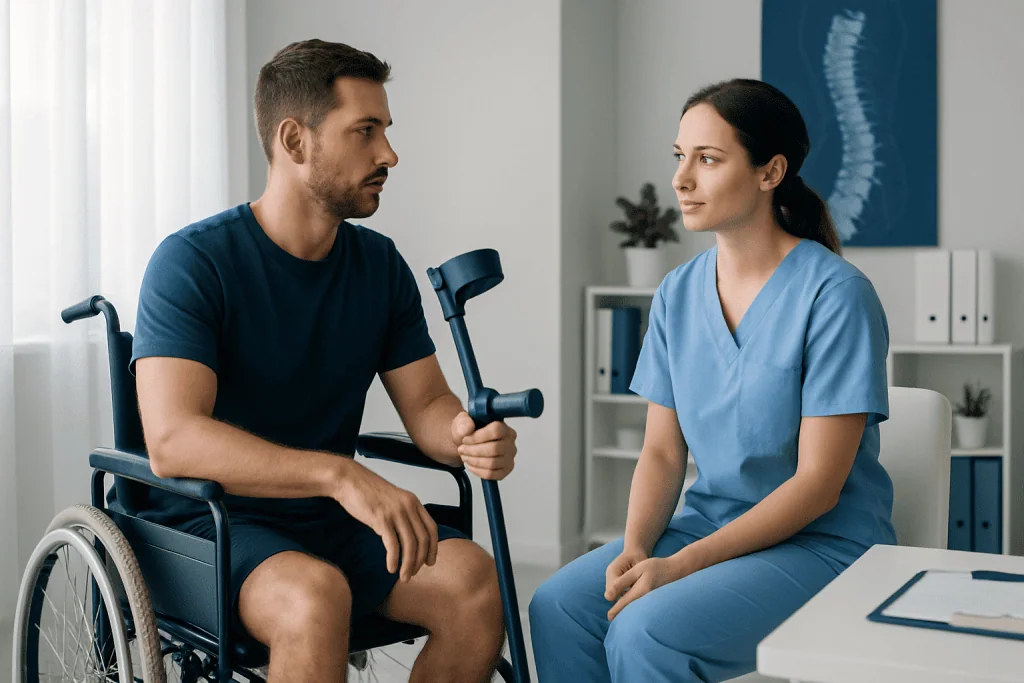
Physical rehabilitation focuses on strength, flexibility, balance, endurance, coordination, and safe movement. Therapy may begin with passive range-of-motion exercises to prevent stiffness and gradually progress to sitting balance, bed mobility, transfers, standing, wheelchair skills, and gait training when possible. The therapist considers the injury level, muscle control, sensation, bone health, cardiovascular condition, pain, and fatigue before choosing exercises.
Mobility support can include many tools. Some people use manual or powered wheelchairs, pressure-relieving cushions, transfer boards, standing frames, walkers, braces, or functional electrical stimulation. A well-fitted wheelchair is not simply a chair; it is a mobility system that affects posture, shoulder health, skin protection, independence, and participation in daily life. Training includes safe propulsion, turning, navigating thresholds, managing slopes, and conserving energy.
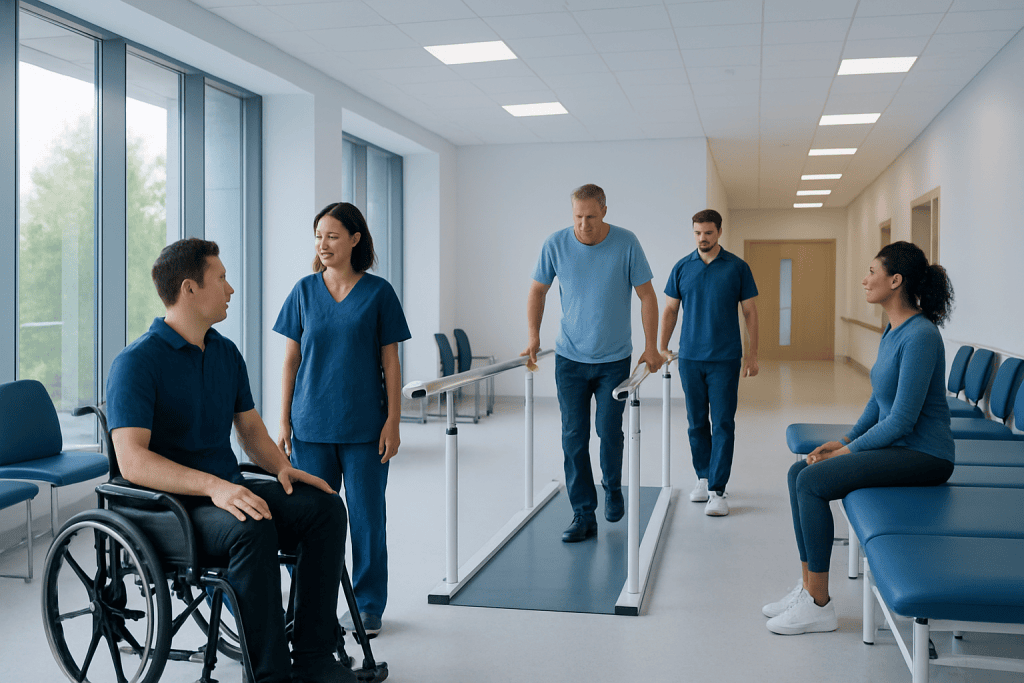
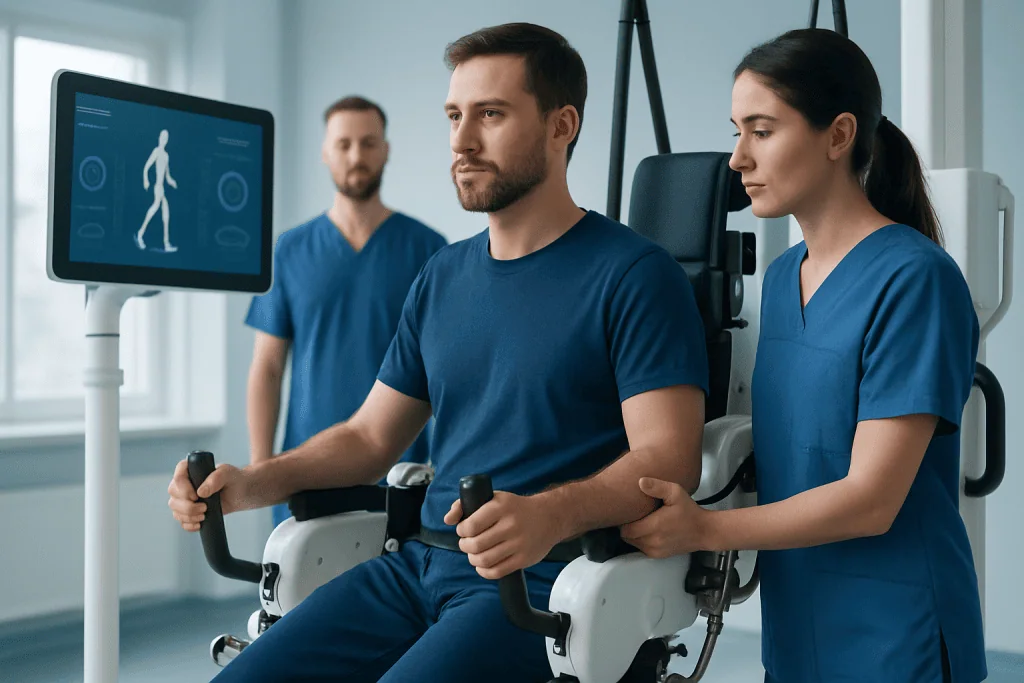
Walking potential varies widely after spinal cord injury. People with incomplete injuries may regain some walking ability, while others may rely primarily on wheelchairs and still achieve a high level of independence. Gait training may involve parallel bars, body-weight-supported treadmill systems, robotic-assisted devices, braces, or walkers. These technologies can be helpful in selected cases, but they are only one part of rehabilitation and should be guided by qualified professionals.
Daily Life Support and Independence
Occupational therapy helps people perform meaningful daily activities as independently and safely as possible. This includes bathing, dressing, grooming, eating, cooking, using a phone or computer, managing household tasks, and participating in school, work, parenting, or hobbies. Therapy may focus on developing new movement strategies, strengthening available muscles, improving hand function, and using adaptive equipment.
Common supports include long-handled tools, shower chairs, grab bars, raised toilet seats, adaptive utensils, dressing aids, reachers, splints, voice-controlled technology, and environmental control systems. People with limited hand function may learn techniques for feeding, writing, typing, or operating a wheelchair using specialized devices. The aim is not only to complete tasks but to do them in a way that is safe, efficient, and respectful of personal preferences.
Daily life after spinal cord injury often requires planning. Morning routines may take longer, especially when bladder and bowel care, skin checks, stretching, dressing, and equipment preparation are included. Rehabilitation teams help people create routines that fit their lifestyle. A practical plan may cover medication timing, hydration, pressure relief, transportation, work or school schedules, exercise, rest periods, and backup arrangements for equipment or caregiver support.
Bladder, Bowel, Skin, Pain, and Spasticity Care
Medical self-management is a central part of spinal cord injury rehabilitation. Many people need a personalized bladder program to reduce the risk of urinary problems and support continence. Options may include timed voiding, intermittent catheterization, medications, or other urological treatments depending on the individual situation. A bowel program may involve scheduled toileting, diet and fluid planning, positioning, activity, and medicines when prescribed.
Skin protection is especially important when sensation is reduced. Pressure injuries can develop when skin and tissue are compressed for too long, particularly over bony areas such as the sacrum, hips, heels, and sitting bones. Prevention includes regular pressure relief, daily skin inspection, properly fitted cushions and mattresses, good nutrition, moisture control, and early attention to redness or irritation. Rehabilitation nurses and therapists teach these skills in detail.
Pain and spasticity can affect sleep, movement, mood, and daily function. Pain may be musculoskeletal, nerve-related, or linked to posture and overuse. Spasticity may feel like stiffness, involuntary tightening, or spasms. Treatment may include stretching, positioning, strengthening, heat or cold when appropriate, medications, injections, assistive devices, and activity modification. Any new or worsening pain, sudden increase in spasticity, fever, or change in bladder or bowel function should be discussed with a healthcare professional.
Emotional Health, Relationships, and Community Participation
Adjusting to life after a spinal cord injury is not only physical. People may experience grief, frustration, uncertainty, anxiety, or changes in self-image. These reactions are understandable and do not mean the person is not coping well. Psychological support, peer mentoring, family counseling, and rehabilitation education can help people process changes and build confidence for the future.
Relationships and sexuality may also change after spinal cord injury. Open, respectful conversations with healthcare professionals can address fertility, sexual function, intimacy, contraception, pregnancy planning, and body confidence. These topics are part of comprehensive rehabilitation and should be discussed without embarrassment. Partners may also benefit from education and counseling.
Community participation is a key rehabilitation goal. This may include returning to education, work, sports, travel, driving, volunteering, or social activities. Social workers and vocational counselors can help with disability rights, workplace accommodations, insurance questions, accessible transportation, and community resources. A person’s role in society is not defined by the injury; rehabilitation supports practical ways to continue meaningful participation.
Home Adaptations, Prevention, and Self-Care
Before discharge from inpatient rehabilitation, the team often evaluates the home environment or asks detailed questions about door widths, bathroom access, stairs, bed height, kitchen layout, and transportation. Recommended adaptations may include ramps, widened pathways, bathroom modifications, non-slip flooring, reachable storage, adjustable beds, lift systems, and emergency call options. Changes should match the person’s abilities, caregiver availability, and long-term needs.
Self-care after spinal cord injury includes a combination of exercise, nutrition, skin care, bladder and bowel routines, sleep, mental health support, and regular medical follow-up. People are encouraged to stay as active as safely possible, maintain a balanced diet, avoid smoking, limit alcohol, and manage other health conditions such as diabetes or high blood pressure. Vaccinations and respiratory care may be especially important for people with higher-level injuries or reduced cough strength.
Preventing secondary complications is an ongoing process. Helpful habits include checking equipment regularly, replacing worn cushions or tires, practicing pressure relief, using proper transfer techniques, stretching tight muscles, and asking for reassessment when life circumstances change. If a person gains strength, loses weight, develops pain, changes living arrangements, or returns to work or school, the rehabilitation plan may need adjustment.
When to See a Doctor or Rehabilitation Specialist
Regular follow-up is important after spinal cord injury, even when daily routines feel stable. A rehabilitation physician or relevant specialist can monitor bladder and kidney health, skin integrity, pain, spasticity, bone health, respiratory function, equipment needs, and medication effects. Follow-up also provides an opportunity to update therapy goals and discuss new technologies or community resources that may be appropriate.
Medical advice should be sought promptly for fever, chills, new weakness, increasing numbness, breathing difficulty, chest pain, severe headache, sudden sweating or flushing, new skin wounds, persistent redness, uncontrolled pain, urinary symptoms, bowel changes, or a sudden increase in spasms. People with injuries at or above the mid-thoracic level may also be at risk for autonomic dysreflexia, a potentially serious blood pressure reaction that requires education and timely care.
International patients may benefit from coordinated assessment when rehabilitation, neurology, urology, orthopedics, pain management, and psychological support are needed together. Acibadem International provides access to multidisciplinary specialists and JCI-accredited hospitals for diagnosis and treatment planning for spinal cord injury rehabilitation. Any care plan should be individualized after examination by qualified healthcare professionals.
Frequently asked questions
When should rehabilitation start after a spinal cord injury?
Rehabilitation usually starts as early as medically safe, often while the person is still in the hospital. In the beginning, the focus may be on positioning, breathing, skin protection, joint movement, and education. More active therapy is added as the person becomes medically stable and able to participate.
Can a person walk again after a spinal cord injury?
Walking recovery depends on the level and completeness of the injury, preserved nerve function, overall health, and response to rehabilitation. Some people with incomplete injuries regain walking ability with or without assistive devices, while others rely mainly on wheelchairs. Wheelchair use can still allow independence, mobility, work, travel, and an active life.
How long does spinal cord injury rehabilitation take?
The duration varies from person to person. Inpatient rehabilitation may last weeks to months, followed by outpatient therapy, home programs, and periodic reassessment. Recovery and adaptation often continue for a long time, and goals may change as abilities, health, and life circumstances change.
What is the role of family members in rehabilitation?
Family members can provide practical and emotional support, but they also need education and rest. They may learn safe transfer techniques, pressure relief, skin checks, bladder and bowel routines, and equipment use. Rehabilitation teams should also encourage the person with spinal cord injury to maintain as much independence and decision-making as possible.
Are pain and spasms common after spinal cord injury?
Pain and spasticity are common after spinal cord injury and can have several causes. They should be assessed because treatment depends on whether symptoms are nerve-related, muscle or joint-related, posture-related, or linked to another medical issue. Management may include therapy, positioning, stretching, activity changes, medications, or specialist treatments.
What home changes are most helpful after spinal cord injury?
Helpful changes depend on the person’s mobility, equipment, and home layout. Common adaptations include ramps, accessible bathrooms, grab bars, shower chairs, wider pathways, reachable storage, and suitable bed or transfer heights. A therapist can recommend modifications that improve safety without making unnecessary changes.
Can people return to work, school, or travel after spinal cord injury?
Many people return to work, education, travel, parenting, sports, and social activities with the right planning and support. This may involve accessible transportation, workplace or school accommodations, adaptive technology, medical planning, and confidence-building practice. Rehabilitation includes helping people participate in the roles and activities that matter to them.
References
- World Health Organization
- International Spinal Cord Society
- American Spinal Injury Association
- National Institute of Neurological Disorders and Stroke
- Paralyzed Veterans of America
This article is for general information only and is not a substitute for professional medical advice. Please consult a qualified doctor about your individual situation.
Persistent digestive symptoms? Get evaluated in Turkey
JCI-accredited · board-certified surgeons · reply within 24h