Saying No to Radiation for Breast Cancer: How It Works, Results and What to Expect

Radiation is commonly recommended after breast-conserving surgery because it lowers the risk of cancer returning in the treated breast. Some older adults with small, hormone receptor-positive, node-negative cancers may reasonably discuss omitting radiation if they will take endocrine therapy.
Key Takeaways
- Radiation is commonly recommended after breast-conserving surgery because it lowers the risk of cancer returning in the treated breast.
- Some older adults with small, hormone receptor-positive, node-negative cancers may reasonably discuss omitting radiation if they will take endocrine therapy.
- Mastectomy does not always require radiation, but it may be advised when lymph nodes are involved, the tumor is large, or surgical margins are concerning.
- Declining radiation does not mean stopping all care; follow-up, appropriate surgery, and recommended medicines remain important.
- A multidisciplinary discussion helps balance recurrence reduction, treatment burden, existing health conditions, and personal priorities.
Saying no to radiation for breast cancer is a personal choice that should be made with a breast cancer team after reviewing the cancer type, stage, surgery, and planned systemic treatment. For some carefully selected people, radiation may be omitted; for others, it is an important part of reducing the chance that cancer returns in the breast or nearby lymph nodes.
Overview: What Saying No to Radiation for Breast Cancer Means
Saying no to radiation for breast cancer can be an informed option in selected situations, but it is not the safest choice for every person. Radiation therapy is often advised after lumpectomy because it destroys microscopic cancer cells that may remain in the breast and lowers the chance of a local recurrence. The benefit depends on the individual cancer and the treatment already received.
The decision is not simply about whether radiation is “needed.” It involves weighing the expected reduction in recurrence against possible side effects, travel and scheduling demands, other medical conditions, life expectancy, and personal values. A breast surgeon, radiation oncologist, medical oncologist, pathologist, and imaging team can help explain the likely benefit in plain language.
Breast cancer treatment plans are individualized. The details of the breast cancer—including tumor size, grade, lymph node findings, hormone receptor and HER2 status, surgical margins, and genomic testing where appropriate—help determine whether radiation can be safely discussed as an omission or whether it remains strongly recommended.
How Radiation Works and Why It Is Recommended
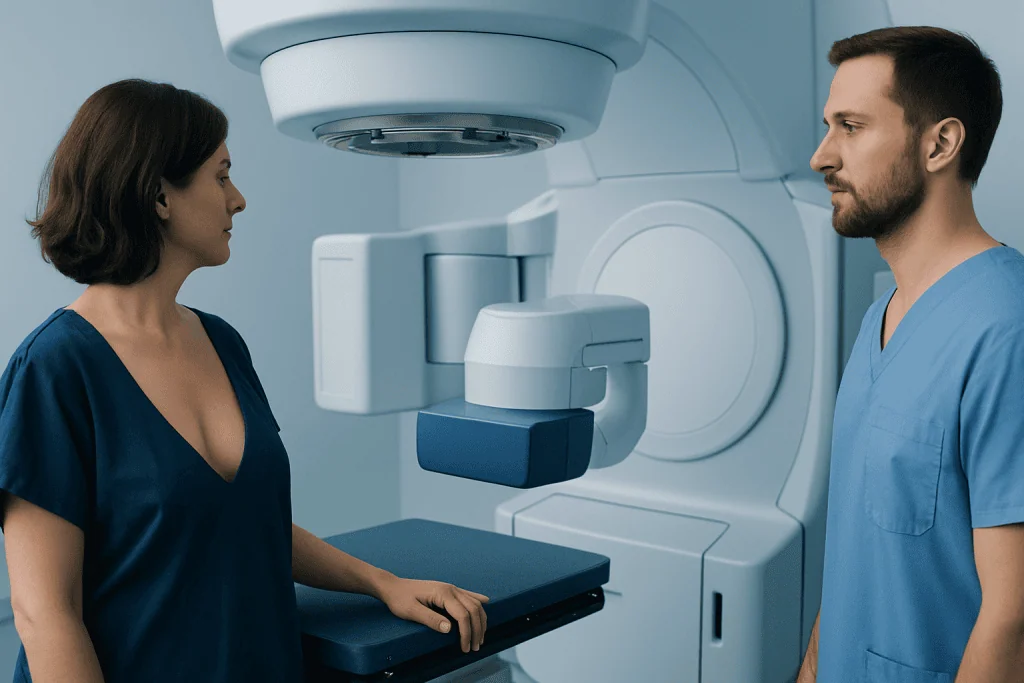
Radiation therapy uses carefully planned high-energy beams to treat a defined area of the breast, chest wall, or nearby lymph node regions. It is a local treatment: it works where the radiation is delivered, unlike systemic treatments such as endocrine therapy, chemotherapy, or targeted therapy that circulate through the body.
After breast-conserving surgery, microscopic cancer cells can occasionally remain even when the surgeon has removed the visible tumor with clear margins. Radiation reduces the chance that these cells will grow into a future cancer in the same breast. It does not replace surgery, and it does not address cancer cells that may have traveled elsewhere in the body.
After mastectomy, radiation may be unnecessary for many people with early, node-negative disease. However, it may be recommended when the tumor was larger, cancer was found in lymph nodes, margins are close or positive, or other features suggest a higher risk of recurrence on the chest wall or in regional lymph nodes.
Modern radiotherapy planning uses scans, positioning, and dose calculations to focus treatment on the intended area while limiting exposure to surrounding normal tissues. For left-sided breast cancer, breath-hold techniques may sometimes be used to reduce radiation reaching the heart.
Can You Survive Breast Cancer Without Radiation?

Yes. Many people survive breast cancer without radiation, particularly when their cancer has been treated with mastectomy or when they have a low-risk cancer that meets criteria for radiation omission. Survival depends on many factors, including cancer biology, stage, surgery, lymph node status, and whether systemic treatments are recommended—not radiation alone.
However, survival should not be the only outcome considered. After lumpectomy, radiation usually reduces the risk of cancer returning in the same breast. In certain low-risk groups, studies have found that skipping radiation increases local recurrence over time, even though overall survival may be similar when patients receive appropriate endocrine therapy and follow-up.
For example, omission may be discussed more often for some older patients with a small, hormone receptor-positive, HER2-negative, node-negative tumor that has been fully removed and who are willing and able to take endocrine therapy. Age alone does not make radiation unnecessary, and low risk must be confirmed through a full pathology and treatment review.
If radiation is omitted, the follow-up plan becomes especially important. It generally includes regular clinical reviews, breast imaging as advised by the treating team, and attention to any new breast or chest-wall changes.
Who May Be a Candidate to Omit Radiation?
Potential candidacy for omitting radiation is based on a pattern of favorable features rather than one test result. The treating team may consider tumor size, whether cancer is present in lymph nodes, grade, margins, estrogen and progesterone receptor status, HER2 status, the presence of invasive cancer or ductal carcinoma in situ, and the person’s age and overall health.
Radiation omission is most often considered after lumpectomy for carefully selected people with a small, slow-growing, hormone receptor-positive cancer, no lymph node involvement, clear surgical margins, and a plan to use endocrine therapy. The evidence supporting omission may be stronger in older adults, but decisions should always reflect the person’s health, preferences, and expected ability to complete other recommended treatment.
Radiation is generally more likely to be advised for younger patients, higher-grade tumors, triple-negative or HER2-positive cancers, involved lymph nodes, close or positive margins, larger tumors, or cancers with other higher-risk features. In these circumstances, the risk reduction from radiation can be clinically meaningful.
People should ask their clinicians to explain their absolute risk: what is the estimated chance of recurrence with and without radiation, over what period, and how would a recurrence be treated if it occurred? This turns a broad treatment recommendation into a decision that is personally understandable.
Can I Refuse Radiation for Breast Cancer?
Yes. A person with decision-making capacity has the right to accept, delay, or refuse radiation for breast cancer. Informed refusal means receiving clear information about the purpose of treatment, expected benefits, possible harms, reasonable alternatives, and the likely consequences of not having radiation.
Before making a final decision, it is reasonable to meet with a radiation oncologist even if radiation is not desired. This consultation does not commit anyone to treatment; it provides individualized planning information and allows questions about recurrence risk, side effects, treatment length, and techniques that may reduce treatment burden.
A second opinion from another breast cancer specialist or a multidisciplinary tumor board can also be helpful, especially when the recommendation feels uncertain or conflicts with personal priorities. The team may review pathology slides, imaging, surgery details, and any genomic test results to confirm the level of risk.
If radiation is declined, the medical record should include a clear follow-up plan. This may involve endocrine therapy when appropriate, scheduled mammograms after breast-conserving surgery, ongoing appointments, and prompt assessment of new symptoms. Declining one treatment should not prevent access to supportive care or other evidence-based treatments.
How Long Do You Need Radiation for Stage 1 Breast Cancer?
For stage 1 breast cancer treated with lumpectomy, external-beam radiation is commonly delivered on weekdays over a shorter course of about one to several weeks, depending on the treatment area and the protocol selected. Many modern schedules use hypofractionated treatment, which gives a slightly larger dose per visit over fewer visits than older schedules.
Some people may also be offered a boost, which is additional radiation directed to the area where the tumor was removed. Others may be eligible for partial-breast irradiation, where a smaller part of the breast is treated over a shorter time. These options are not suitable for everyone and depend on pathology, breast anatomy, age, and other clinical factors.
The process usually begins with a planning appointment called simulation. The patient has a CT scan in the treatment position, and the radiation team creates a personalized plan. Treatment sessions themselves are generally brief and painless; the machine does not touch the body, and the patient is not radioactive afterward.
For stage 1 disease after mastectomy, radiation may not be required. The recommended duration and field are determined by the final pathology, especially lymph node results and margin status, rather than the stage label alone.
What I Wish I Knew Before Radiation?
Many people find it helpful to know that radiation is usually an outpatient treatment. The actual delivery is short, but travel, changing clothes, positioning, and occasional reviews with the treatment team mean each visit can take longer. A treatment schedule can often be coordinated with work, caregiving, and transport needs in advance.
Skin changes and fatigue often build gradually rather than appearing immediately. The treated breast or chest skin may become pink, darker, dry, itchy, tender, or sensitive, similar to a sunburn. The radiation team can recommend gentle skin care and advise which creams, deodorants, clothing, and activities are suitable during treatment.
It is also useful to ask which symptoms are expected and which should be reported promptly. Most side effects improve after treatment ends, although some people have longer-term changes such as firmness, altered breast shape, skin color change, swelling, or, less commonly, effects on nearby organs. Modern planning aims to lower these risks.
Patients can prepare questions before the consultation: What is my estimated benefit? What area will be treated? Is a shorter schedule suitable? How could this affect reconstruction or future imaging? Who should I contact after hours? Written information and a support person at appointments can make decisions and treatment feel more manageable.
Benefits, Risks, Recovery and When to Seek Medical Care
The main benefit of radiation is a lower risk of breast or chest-wall recurrence. The potential burden includes temporary skin reactions, fatigue, breast tenderness, and swelling. Less common longer-term effects can include skin or tissue firmness, lymphedema when regional lymph nodes are treated, rib discomfort, and small risks to the heart or lungs depending on the treatment area. The radiation oncologist can explain how these risks apply to the individual plan.
Recovery is usually gradual. Fatigue and skin irritation may continue or peak for a short time after the final session, then improve over subsequent weeks. Gentle activity, rest, adequate fluids, balanced meals, and following skin-care advice can support recovery. Follow-up visits allow clinicians to check healing and coordinate ongoing medical therapy and surveillance.
Medical care should be sought promptly for fever, rapidly worsening redness or swelling, blistering or open skin, severe pain, shortness of breath, new arm swelling, or any symptom that feels urgent. Outside of treatment, a new breast lump, chest-wall change, nipple change, persistent bone pain, unexplained weight loss, or new neurologic symptoms should also be assessed rather than assumed to be treatment-related.
Acibadem International’s multidisciplinary specialists and JCI-accredited hospitals can support international patients with breast cancer diagnosis, treatment planning, and follow-up. A discussion with a breast surgeon, medical oncologist, and radiation oncologist can help each person decide whether radiation, a modified approach, or omission best fits their clinical situation.
Frequently asked questions
Is radiation always needed after a lumpectomy?
Radiation is commonly recommended after lumpectomy because it lowers the chance that cancer returns in the treated breast. Some people with very favorable, low-risk features may discuss omission, particularly if they will receive endocrine therapy. The decision should be based on individual pathology and overall health.
Does refusing radiation mean breast cancer will definitely return?
No. Some people who do not receive radiation will not develop a local recurrence. However, after breast-conserving surgery, the average risk of recurrence is generally higher without radiation, and the size of that difference varies between individuals.
Can endocrine therapy replace radiation therapy?
Endocrine therapy and radiation work in different ways. Endocrine therapy lowers the risk of hormone receptor-positive breast cancer returning in the breast or elsewhere in the body, while radiation treats the local breast or chest-wall area. In selected low-risk patients, endocrine therapy may be part of a plan that permits radiation omission, but it is not a universal replacement.
Can radiation be given later if breast cancer comes back?
The options depend on the original surgery, whether radiation was previously given, the location of the recurrence, and overall health. If radiation was not used initially, it may be available as part of treatment for a local recurrence. If it was already given, repeat radiation may sometimes be considered in specialized circumstances, but it requires careful assessment.
Is breast radiation painful?
Radiation delivery itself is painless and does not feel like an injection or electric shock. Some people develop skin tenderness, warmth, itching, or fatigue as treatment progresses. The treatment team can recommend ways to manage these effects.
Should I get a second opinion before declining radiation?
A second opinion can be useful when a person is considering declining a recommended treatment, particularly if the expected benefit is unclear. Another radiation oncologist or a multidisciplinary breast cancer team can review the pathology, imaging, surgery, and treatment options. This can help ensure the decision is based on accurate risk information.
References
- National Comprehensive Cancer Network
- American Cancer Society
- National Cancer Institute
- European Society for Medical Oncology
- American Society for Radiation Oncology
This article is for general information only and is not a substitute for professional medical advice. Please consult a qualified doctor about your individual situation.
Breast Cancer in Turkey — costs, top hospitals & a free quote
JCI-accredited · board-certified surgeons · reply within 24h
Add us as a Preferred Source to see more of our trusted health content across Google Search, AI Overviews and Discover.