

Scar From Lumpectomy: Procedure, Recovery and Results

Lumpectomy removes a breast cancer or abnormal area while preserving most of the breast. The appearance and position of a lumpectomy scar depend on the tumour location, incision approach, breast size and individual healing.
Key Takeaways
- Lumpectomy removes a breast cancer or abnormal area while preserving most of the breast.
- The appearance and position of a lumpectomy scar depend on the tumour location, incision approach, breast size and individual healing.
- Most breast lumpectomy incisions heal on the surface in roughly 10 to 14 days, but internal healing and scar maturation take longer.
- Radiotherapy, infection, smoking, diabetes and some medicines can affect wound and scar healing.
- New redness, spreading swelling, drainage, fever or worsening pain should be assessed promptly by the surgical team.
A scar from lumpectomy is an expected part of breast-conserving surgery. The skin incision often closes within about two weeks, while the scar continues to soften, flatten and fade over several months to a year or longer.
Overview: what to expect from a scar from lumpectomy
A scar from lumpectomy develops where the surgeon makes an incision to remove a breast tumour or an area of abnormal tissue. Lumpectomy, also called breast-conserving surgery or wide local excision, aims to remove the abnormal area with a surrounding margin of healthy tissue while retaining as much of the breast as possible. The scar is a normal result of the body repairing the incision.
The scar may be placed over the lump, around the edge of the areola, within the fold beneath the breast, or in another location selected to provide safe access and a favourable cosmetic result. It may initially look red, raised, firm or slightly uneven. Over time, many scars become lighter and flatter, although the final appearance varies from person to person.
Healing involves more than the skin surface. Swelling, tenderness, numbness, a pulling sensation or firmness beneath the incision can occur as deeper breast tissue heals. Follow-up with the breast surgery team is important because wound recovery, pathology results and any additional treatment are all considered together.
How lumpectomy works and who may be a candidate
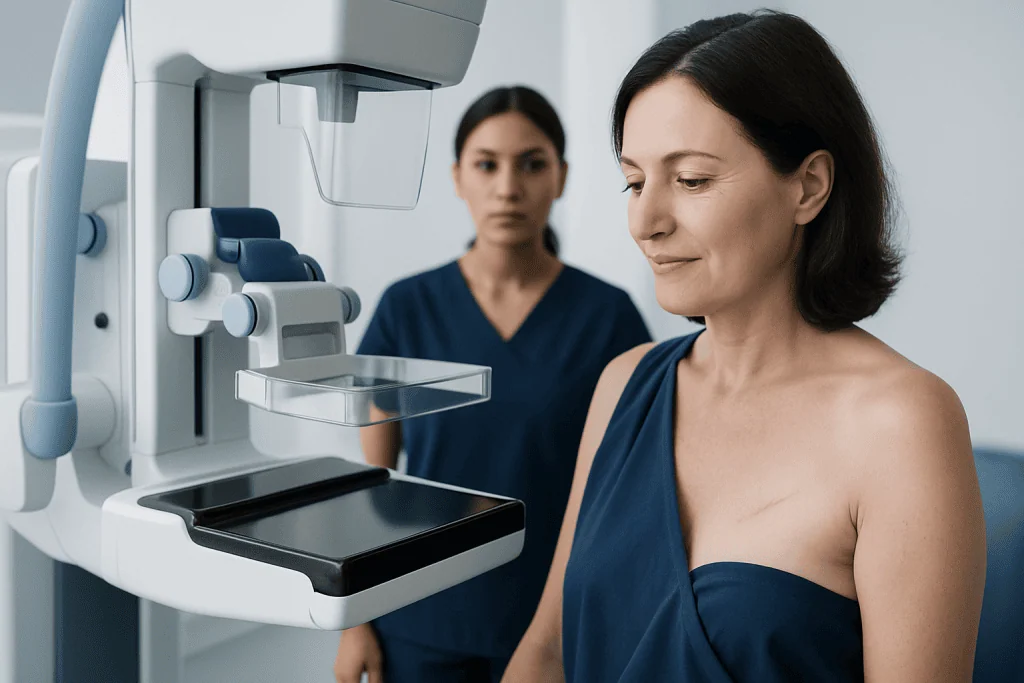
Lumpectomy is commonly used for early-stage breast cancer and for certain non-invasive breast conditions, such as ductal carcinoma in situ. It may also be performed to remove a suspicious area when a core needle biopsy has not provided a clear answer. Before surgery, imaging and biopsy findings help the care team plan the procedure.
A person may be considered for lumpectomy when the abnormal area can be removed with clear margins while leaving an acceptable amount of breast tissue. The decision also depends on the size and location of the cancer, whether there is more than one area of disease, breast size, previous chest radiotherapy, genetic factors and the person’s preferences. Some patients may instead benefit from mastectomy or from treatment before surgery to shrink a tumour.
Lumpectomy is often followed by radiotherapy to reduce the likelihood of cancer returning in the treated breast. Depending on the pathology findings, treatment may also include hormone therapy, chemotherapy, targeted therapy or immunotherapy. These recommendations are individual and are made by a multidisciplinary breast cancer team.
During preoperative discussions, the surgeon can explain the expected incision site, potential change in breast contour and whether oncoplastic techniques may help reshape the breast after tissue removal. A sentinel lymph node biopsy may be recommended at the same operation for some invasive cancers.
Lumpectomy procedure: step by step
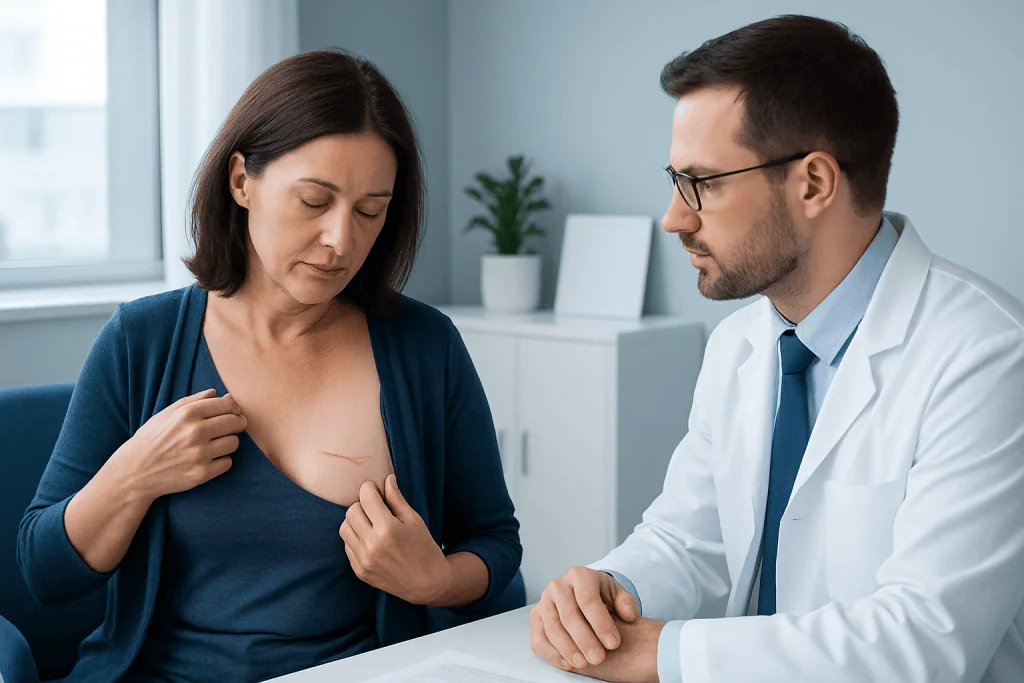
Before the operation, the surgical team reviews imaging and pathology and marks or localises the target area if it cannot be felt easily. Localisation may use a wire, seed, magnetic marker or imaging guidance, depending on the hospital and the lesion. The procedure is usually performed under general anaesthesia, although the exact anaesthetic plan is tailored to the individual.
The surgeon makes an incision and removes the tumour or abnormal tissue together with a rim of normal-looking tissue. The specimen is sent to the laboratory, where a pathologist examines it and assesses the margins. If lymph node assessment is needed, the surgeon may identify and remove one or more sentinel nodes through a separate small incision, often in the underarm.
After bleeding is controlled, the surgeon may rearrange nearby breast tissue to fill the space left by the excision. The incision is closed with stitches, adhesive strips or surgical glue and covered with a dressing. A drain is not routinely required after a straightforward lumpectomy, but may occasionally be used.
Most patients go home on the day of surgery or after a short observation period. The pathology report, which may take several days, confirms the diagnosis, tumour features and whether the margins are clear. Occasionally, a further operation is advised if cancer cells are found at or close to a margin.
How long does it take for a breast lumpectomy incision to heal?
For many people, the surface of a breast lumpectomy incision heals in approximately 10 to 14 days. Dissolving stitches, glue or adhesive strips may still be present during this time. The incision should progressively look less swollen and feel less tender, although mild bruising and discomfort can last longer.
Deeper tissue healing usually continues for several weeks. A firm area, small lump of healing tissue or sensation of tightness can be present beneath the scar after lumpectomy surgery. These changes often improve gradually, but the surgical team should review anything that is enlarging, increasingly painful or otherwise concerning.
Instructions about showering, dressings, bras and activity differ by operation and surgeon. In general, patients are advised to keep the incision clean and dry as directed, avoid soaking in baths or pools until the wound has sealed, wear a comfortable supportive bra if recommended and avoid strenuous upper-body activity until cleared. Gentle movement of the shoulder and arm can help prevent stiffness when approved by the care team.
Factors such as diabetes, smoking, poor nutrition, infection, larger tissue removal and radiotherapy can slow healing. It is helpful to attend scheduled reviews, because the team can check wound healing before radiotherapy or other planned treatments begin.
How long does it take for lumpectomy scars to heal?
When people ask how long for a lumpectomy scar to heal, it helps to separate wound closure from scar maturation. The incision commonly closes within around two weeks, but the scar then enters a remodelling phase that can last 6 to 12 months and sometimes longer. During this period, it often changes from pink or red to paler, and from firm to softer.
Scars vary according to skin type, genetics, the tension on the wound, surgical location and whether healing was uncomplicated. Some people form thicker or more noticeable hypertrophic scars, and a small number are prone to keloids, which extend beyond the original incision. These scars are not dangerous, but they can be itchy, tender or distressing and may be treatable.
Once the incision is fully closed and the surgeon confirms it is safe, silicone gel or silicone sheets may be suggested for some patients to support scar management. Protecting the area from sun exposure with clothing or sunscreen can reduce long-lasting darkening. Massage should only be started if the surgical team advises it, especially if radiotherapy is planned or the wound has had any healing difficulty.
There is no need to judge a scar’s final appearance early in recovery. If a scar remains painful, restricted, very raised or bothersome after healing, a breast surgeon, dermatologist or plastic surgeon can discuss suitable options. Any new breast change should still be assessed rather than assumed to be scar tissue.
Benefits, risks and changes in breast appearance
The main benefit of lumpectomy is breast preservation while removing cancer or abnormal tissue. For appropriately selected early breast cancers, lumpectomy followed by radiotherapy can provide survival outcomes comparable to mastectomy. It can also involve a shorter operation and recovery than removal of the whole breast for many patients.
However, lumpectomy can change breast shape, size or symmetry. The breast may have a hollowed area, fullness from healing tissue, a shifted nipple position or a visible scar. Changes are influenced by the amount of tissue removed and whether radiotherapy is given. Oncoplastic approaches can sometimes reduce contour changes by reshaping the remaining tissue.
Potential surgical risks include bleeding, infection, fluid collection called seroma, delayed healing, pain, numbness and changes in sensation. If lymph nodes are removed, there is also a small risk of shoulder stiffness, numbness in the upper arm and lymphoedema. A further operation may be needed if margins are not clear or if a complication requires treatment.
Aftercare plans are personalised. Acibadem International’s multidisciplinary specialists and JCI-accredited hospitals diagnose and treat breast conditions for international patients, coordinating surgical care with pathology, medical oncology, radiation oncology and supportive services when needed.
Can you be cancer free after a lumpectomy?
Yes. A lumpectomy can remove all detectable cancer from the breast, particularly when pathology shows clear surgical margins and recommended additional treatment is completed. Whether a person is described as having no evidence of disease depends on the cancer type, stage, lymph node status, tumour biology and the results of surgery and any other therapies.
Lumpectomy is usually one part of a broader treatment plan rather than a standalone decision. Radiotherapy is commonly recommended after breast-conserving surgery because it treats microscopic cells that may remain in the breast and lowers the risk of local recurrence. Hormone therapy, chemotherapy, targeted therapy or immunotherapy may also be advised according to the cancer’s characteristics.
Follow-up care remains important even after successful treatment. It usually includes clinical examinations, scheduled breast imaging and discussion of new symptoms. The care team can explain what “cancer free” means in an individual situation and provide a survivorship plan that reflects the person’s treatment history.
How often does breast cancer come back after a lumpectomy?
Breast cancer can return after lumpectomy, but an individual’s risk cannot be predicted from surgery alone. It depends on factors including the original cancer stage and subtype, tumour size and grade, lymph node involvement, margin status, age, inherited genetic factors and whether recommended radiotherapy and systemic treatments are received.
Radiotherapy after lumpectomy substantially reduces the chance of cancer returning in the treated breast. Modern treatment planning, careful pathology assessment and personalised medicines have also improved local control for many patients. The oncology team uses the full pathology report to discuss recurrence risk in a meaningful, individual way rather than relying on a single general number.
A recurrence may be local, meaning in the treated breast or nearby area, regional in nearby lymph nodes, or distant elsewhere in the body. New symptoms do not automatically mean recurrence: scar tissue, radiotherapy changes and benign breast conditions can also cause lumps or discomfort. Nevertheless, any new lump, skin change, nipple discharge or persistent unexplained symptom should be reported.
Regular follow-up mammography is a key part of surveillance after breast-conserving surgery. Patients should ask their team when imaging should restart, as the timing may be adjusted around radiotherapy and individual recovery.
When to seek medical care
Patients should contact their surgical team promptly if the incision becomes increasingly red, warm or swollen; if pain is worsening rather than improving; or if there is pus-like drainage, a bad smell, persistent bleeding or opening of the wound. Fever, chills or feeling generally unwell after surgery also need medical advice.
A rapidly enlarging breast swelling, severe pain, shortness of breath or chest pain requires urgent assessment. It is also important to report new or persistent breast lumps, skin dimpling, nipple changes, unusual discharge, swelling in the arm or a change that does not settle, whether it occurs soon after surgery or years later.
Most healing concerns can be assessed and managed early by the breast care team. Patients should not apply unapproved creams, herbal products or scar treatments to an open incision, and they should contact a qualified clinician before making changes to postoperative care.
Frequently asked questions
Will a lumpectomy scar fade completely?
Most lumpectomy scars fade and soften with time, but they usually do not disappear completely. The final appearance depends on incision location, skin type, genetics, wound healing and whether radiotherapy is used. Scars often continue to improve for a year or longer.
Where is the scar after lumpectomy surgery located?
The location depends mainly on where the abnormal area lies in the breast. A surgeon may place the incision around the areola, in a natural breast crease or directly over the area that needs removal. If lymph nodes are sampled, there may also be a small scar in the underarm.
Is a hard lump under a lumpectomy scar normal?
Firmness beneath the scar can be part of normal tissue healing and may be caused by swelling, scar tissue or a fluid collection. It should gradually improve, but a new, enlarging or painful lump needs review by the breast surgical team. Imaging may be used if examination alone cannot clarify the cause.
When can scar products be used after lumpectomy?
Scar products should only be used once the incision is fully closed, dry and confirmed to be healing well by the surgical team. Silicone-based products are commonly considered, but suitability varies, particularly when radiotherapy is planned. Products should not be applied to an open, irritated or infected wound.
Does radiotherapy affect a lumpectomy scar?
Radiotherapy can temporarily make breast skin red, dry, itchy or sensitive and may contribute to firmness or colour changes over time. It is usually started after the incision has adequately healed. The radiation oncology and surgical teams can advise on skin care and the expected timing of treatment.
Can exercise make a lumpectomy scar worse?
Gentle movement is often encouraged to maintain shoulder mobility, but strenuous activity or heavy lifting too early may increase discomfort or swelling. The timing for return to exercise depends on the extent of surgery and whether lymph nodes were treated. Patients should follow their surgeon’s specific activity guidance.
References
- American Cancer Society
- National Cancer Institute
- American Society of Breast Surgeons
- National Health Service
- Breast Cancer Now
This article is for general information only and is not a substitute for professional medical advice. Please consult a qualified doctor about your individual situation.
Oncology care in Turkey — second opinion and treatment plan
JCI-accredited · board-certified surgeons · reply within 24h
Add us as a Preferred Source to see more of our trusted health content across Google Search, AI Overviews and Discover.

More from the Health Library



Related Specialists
Dr. Melike Lider Gezer
Ophthalmology
Prof. Dr. Ersin Özaslan
Medical Oncology
Assoc. Prof. Dr. Lütfiye Uygur
Gynecology & Obstetrics
Dr. Bedirhan Kahraman
Emergency Service