Sex TB: A Complete Medical Overview

Sex TB most often means genital tuberculosis affecting the reproductive system. It is caused by Mycobacterium tuberculosis and usually spreads from another site in the body, commonly the lungs.
Key Takeaways
- Sex TB most often means genital tuberculosis affecting the reproductive system.
- It is caused by Mycobacterium tuberculosis and usually spreads from another site in the body, commonly the lungs.
- Symptoms may be subtle and can include pelvic pain, menstrual changes, scrotal swelling, or infertility.
- Diagnosis often requires more than one test, including imaging, samples for laboratory analysis, and specialist assessment.
- Treatment is based on anti-tuberculosis medicines, with surgery reserved for selected complications.
- Early medical evaluation can help protect fertility and reduce long-term complications.
Sex TB usually refers to genital tuberculosis, a form of tuberculosis that affects the reproductive organs rather than a sexually transmitted infection in the usual sense. It can affect women or men, may be silent for a long time, and is diagnosed with a combination of medical history, imaging, laboratory testing, and specialist evaluation.
Overview: what “sex TB” means
Sex TB is a nonmedical phrase commonly used to describe genital tuberculosis, a type of tuberculosis infection that affects the reproductive organs. Although the wording may suggest a typical sexually transmitted infection, genital tuberculosis is usually not spread through sexual contact. Instead, it is most often caused by tuberculosis bacteria traveling through the bloodstream or lymphatic system from another part of the body, especially the lungs.
Genital tuberculosis can affect women and men. In women, it may involve the fallopian tubes, uterus, ovaries, cervix, or surrounding pelvic tissues. In men, it may affect the epididymis, testes, prostate, seminal vesicles, or vas deferens. Because symptoms may develop slowly or remain mild for a long time, some people are diagnosed only during evaluation for infertility or persistent pelvic or urogenital symptoms.
This condition belongs to the broader group of extrapulmonary tuberculosis, meaning TB outside the lungs. It may occur on its own or alongside active or previous pulmonary TB. Understanding this distinction is important because the symptoms, tests, and long-term effects of genital TB differ from those of more familiar sexually transmitted infections and from ordinary urinary or pelvic infections.
Symptoms and possible effects
The symptoms of sex TB can vary widely depending on which organs are involved. In many cases, the infection is slow-moving and may cause vague complaints rather than dramatic illness. Some people have no obvious symptoms at all, which is one reason diagnosis can be delayed.
In women, common symptoms may include chronic pelvic pain, irregular menstrual bleeding, very light periods, missed periods, unusual vaginal discharge, pain during intercourse, or difficulty becoming pregnant. Some women are first investigated after repeated fertility problems or after imaging suggests tubal blockage or scarring. In more advanced cases, genital TB may contribute to pelvic adhesions and lasting damage to reproductive tissues.
In men, symptoms can include swelling or pain in the scrotum, a lump near the testicle, discomfort in the groin, painful urination, blood in semen, or urinary symptoms if the prostate is involved. Male genital TB may sometimes be mistaken for a bacterial infection, cyst, or even a tumor until further tests are done. In both sexes, more general TB-related symptoms such as fever, night sweats, weight loss, fatigue, or cough may or may not be present.
- Women: pelvic pain, menstrual changes, infertility, discharge
- Men: epididymal or testicular swelling, scrotal pain, urinary symptoms, infertility
- General symptoms: fatigue, fever, night sweats, weight loss in some cases
Causes, spread, and risk factors

Genital tuberculosis is caused by Mycobacterium tuberculosis, the same bacterium responsible for pulmonary TB. In most cases, the reproductive organs become infected after the bacteria spread from an initial focus elsewhere in the body. This can happen even when the original infection was years earlier and may have caused few or no symptoms.
Sex TB is not usually considered a classic sexually transmitted disease. Rare sexual transmission has been discussed in medical literature, but it is not the usual route. For most patients, the infection reaches the genital organs through blood or lymphatic spread. This is why a person with genital TB may or may not have current lung symptoms at the time of diagnosis.
Risk factors include living in or traveling from areas where TB is more common, close contact with someone who has active TB, a prior history of tuberculosis, HIV infection, immune suppression, malnutrition, diabetes, and crowded living conditions. Doctors may also consider genital TB in people with unexplained infertility, chronic pelvic inflammatory symptoms that do not respond to standard treatment, or persistent epididymal swelling. More broadly, genital TB may be part of tuberculosis outside the lungs and can overlap with evaluation for infertility in both women and men.
How doctors diagnose sex TB
Diagnosing genital tuberculosis often takes a step-by-step approach because no single test is perfect in every case. A doctor will usually begin with a detailed medical history, including TB exposure, past infection, menstrual or fertility history, urinary symptoms, and any prior imaging or procedures. Physical examination may be followed by blood tests, urine tests, and a chest assessment to look for evidence of pulmonary or past TB.
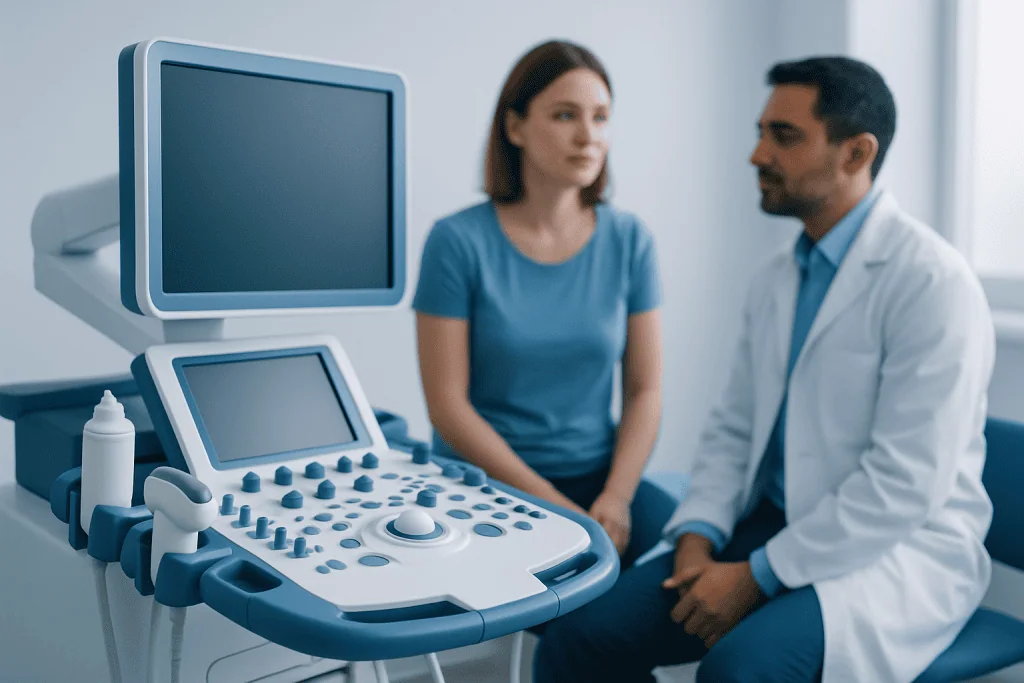
Imaging can help identify structural changes. In women, pelvic ultrasound, hysterosalpingography, or other imaging may show blocked tubes, uterine cavity changes, or pelvic adhesions. In men, scrotal ultrasound may reveal epididymal or testicular involvement. Depending on the situation, specialists may use MRI or ultrasound to better define the affected organs and guide further care.
Laboratory confirmation may involve tissue biopsy, endometrial sampling, menstrual blood or genital tract samples, semen analysis, or aspirates from a swelling. These samples may be examined by microscopy, culture, histopathology, and molecular tests such as nucleic acid amplification. In selected cases, direct visualization through hysteroscopy or laparoscopy may help doctors assess the uterus, fallopian tubes, and pelvis and obtain targeted tissue samples. Because genital TB can resemble other conditions, doctors also consider bacterial infections, endometriosis, chronic inflammatory disease, tumors, and other causes of pelvic or scrotal masses.
Treatment options and long-term outlook
The main treatment for sex TB is a full course of anti-tuberculosis medication prescribed and monitored by a qualified doctor. Treatment usually follows established TB protocols and often lasts several months. The exact medicine plan depends on local guidelines, drug sensitivity, the patient’s general health, and whether there is TB elsewhere in the body.
It is important to complete treatment exactly as prescribed, even if symptoms improve early. Stopping too soon can allow the infection to persist or increase the risk of drug resistance. During treatment, doctors may monitor liver function, response to therapy, and possible medicine side effects. If drug-resistant TB is suspected, additional testing and a more specialized treatment plan may be needed.
Surgery is not the first-line treatment for most people, but it may be considered in selected situations such as drainage of an abscess, relief of obstruction, removal of severely damaged tissue, or evaluation of persistent masses when the diagnosis remains uncertain. Fertility outcomes vary. Some people recover well after treatment, while others may have lasting scarring in the fallopian tubes, uterus, or male reproductive tract. For that reason, early diagnosis is especially valuable.
Prevention, fertility considerations, and self-care
Prevention focuses mainly on reducing the risk of tuberculosis in general. This includes prompt diagnosis and treatment of active TB, screening of close contacts when recommended, and management of health conditions that weaken immunity. In areas with higher TB rates, public health measures remain an important part of prevention.
Because genital TB can affect fertility, people trying to conceive should not ignore ongoing pelvic pain, irregular periods, recurrent reproductive tract inflammation, or unexplained scrotal swelling. A history of TB exposure or previous TB infection is useful information to share with a gynecologist, urologist, fertility specialist, or infectious disease physician. In some cases, the first clue is difficulty becoming pregnant despite otherwise routine fertility evaluation.
Self-care during treatment includes taking medicines regularly, attending follow-up visits, eating a balanced diet, getting enough rest, and reporting side effects promptly. Patients should avoid assuming that persistent symptoms are due to a routine urinary or gynecologic infection without proper assessment. Near the end of the care pathway, multidisciplinary input may be helpful, and Acibadem International’s specialists in infectious diseases, gynecology, urology, radiology, and fertility care at JCI-accredited hospitals evaluate and treat international patients with complex conditions such as genital TB.
When to seek medical care
Medical care is appropriate if pelvic pain, menstrual changes, unusual discharge, infertility, chronic urinary symptoms, or scrotal swelling do not improve or keep returning. Evaluation is also important for anyone with a personal history of tuberculosis, known TB exposure, or immune suppression who develops reproductive or urogenital symptoms. Early assessment can help identify whether symptoms are due to genital TB or another condition requiring treatment.
Urgent medical attention is needed for severe scrotal pain, high fever, significant bleeding, signs of widespread illness, trouble breathing, or rapidly worsening symptoms. People should also seek timely care if they are already being treated for TB and develop new side effects such as severe nausea, jaundice, rash, or vision changes. A doctor can decide whether specialist referral, imaging, or more advanced testing is needed.
Frequently asked questions
Is sex TB a sexually transmitted disease?
Usually, no. Sex TB generally refers to genital tuberculosis, which most often spreads to the reproductive organs from another site in the body through the bloodstream or lymphatic system. It is different from common sexually transmitted infections such as chlamydia or gonorrhea.
Can genital tuberculosis cause infertility?
Yes, it can. In women, it may scar the fallopian tubes or affect the uterus, and in men it may involve the epididymis, testes, or other reproductive structures. The degree of fertility impact depends on how early the condition is diagnosed and how much tissue damage has occurred.
Can a person have sex TB without lung symptoms?
Yes. Some people with genital tuberculosis have no cough or other obvious lung symptoms at the time of diagnosis. The infection may have spread from a previous or silent TB focus elsewhere in the body.
How is sex TB confirmed?
Doctors usually combine history, examination, imaging, and laboratory tests. Confirmation may require a tissue or fluid sample for culture, microscopic examination, pathology, or molecular testing. Because symptoms can mimic other conditions, diagnosis often takes more than one step.
Is sex TB curable?
In many cases, yes, genital tuberculosis can be treated effectively with the correct anti-tuberculosis medicines taken for the full prescribed course. However, treatment may not reverse scarring that has already formed in the reproductive organs. That is why early diagnosis matters.
Should a partner be tested if one person has genital TB?
A doctor may recommend evaluation depending on the person’s full TB history, exposure risks, symptoms, and whether there is evidence of active pulmonary TB. Partner assessment is not handled exactly the same way as for routine sexually transmitted infections. The decision should be guided by a qualified healthcare professional or local public health advice.
References
- World Health Organization
- Centers for Disease Control and Prevention
- National Institutes of Health
- European Centre for Disease Prevention and Control
- American College of Obstetricians and Gynecologists
This article is for general information only and is not a substitute for professional medical advice. Please consult a qualified doctor about your individual situation.
Explore treatments in Turkey — costs, top hospitals & a free quote
JCI-accredited · board-certified surgeons · reply within 24h

More from the Health Library



Related Specialists

Dr. Meltem Hüner
Infectious Diseases & Clinical Microbiology
Prof. Dr. Ayşenur Meriç Hafız
Otorhinolaryngology
Dr. Tuncer Babür
General Surgery
Prof. Dr. Yaman Tokat
General Surgery