Skin Cancer Recovery Rate: An Evidence-Based Patient Guide
Recovery and survival depend on the skin cancer type, stage, location, depth and whether it has spread. Most basal cell carcinomas and many early squamous cell carcinomas can be cured with appropriate treatment.
Key Takeaways
- Recovery and survival depend on the skin cancer type, stage, location, depth and whether it has spread.
- Most basal cell carcinomas and many early squamous cell carcinomas can be cured with appropriate treatment.
- Melanoma has the best outlook when it is localized and removed early.
- A clear treatment margin and regular skin examinations help reduce the chance of missed or recurrent cancer.
- A person who has had one skin cancer has a higher chance of developing another, so lifelong sun protection and surveillance matter.
The skin cancer recovery rate is generally very favorable, particularly for basal cell carcinoma and squamous cell carcinoma treated before they spread. Melanoma outcomes also can be excellent when diagnosed early, while advanced disease needs more specialized care and closer follow-up.
Skin Cancer Recovery Rate: What It Means
The skin cancer recovery rate is generally high when cancer is detected early and treated completely. However, there is no single recovery percentage that applies to everyone: the outlook depends on whether the cancer is basal cell carcinoma, squamous cell carcinoma, melanoma, or a rarer type, as well as its size, depth, body location and stage.
In everyday use, “recovery” may mean that treatment has removed all visible cancer and there is no evidence of disease during follow-up. Clinicians more often discuss cure, recurrence risk, disease-free survival and overall survival. These terms are related but not identical, so it is helpful for patients to ask their care team what a result means in their own situation.
Non-melanoma skin cancers, especially basal cell carcinoma, very rarely spread to distant organs and are often cured with local treatment. Skin cancer can still require careful evaluation, particularly when it occurs on the face, ear, scalp, hands, genitals or lower legs, is large or recurrent, or develops in a person with a weakened immune system.
What Is the Recovery Rate for Skin Cancer?
For many people, the recovery rate for skin cancer is excellent because the most common types are often diagnosed while still limited to the skin. Basal cell carcinoma is usually curable with appropriate local treatment. Squamous cell carcinoma also commonly has a favorable outcome when treated early, although some tumors have a higher risk of recurrence or spread.
Melanoma deserves particular attention because it can spread earlier than basal or squamous cell carcinoma. A thin melanoma confined to the skin usually has a much more favorable outlook than a thicker melanoma or one that has reached nearby lymph nodes or distant organs. Pathology findings, especially tumor thickness and ulceration, are central to assessing risk.
Recovery statistics describe groups of people and cannot predict an individual outcome. A dermatologist, surgical oncologist or oncology team can explain prognosis using the final biopsy report, staging tests when needed, the completeness of removal and personal health factors.
- Type: Basal cell carcinoma, squamous cell carcinoma and melanoma behave differently.
- Stage: Cancer limited to the skin has a better outlook than cancer that has spread.
- Location: Areas such as the ear, nose, eyelids and scalp can be more complex to treat.
- Recurrence: A cancer that returns after treatment may require a different approach.
- Immune health: Immunosuppression may increase the risk of aggressive disease.
What Happens If You Don't Remove the Basal Cell?
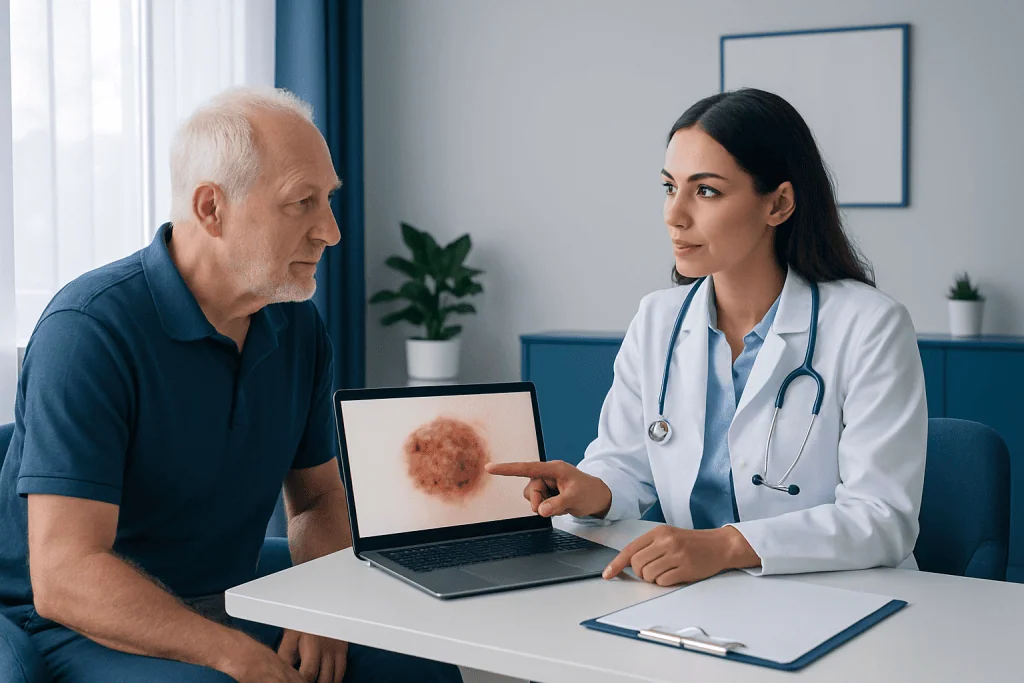
If basal cell carcinoma is not removed or otherwise treated, it usually continues to grow gradually. It may become larger, form a sore that bleeds or crusts, and invade nearby skin and deeper tissues. Although spread to distant parts of the body is very uncommon, untreated tumors can cause significant local damage over time.
Early treatment is usually simpler and can preserve more healthy tissue. A lesion near the eye, nose, ear, lips or scalp may need especially prompt assessment because growth in these areas can affect appearance or function and may make reconstruction more complex.
A biopsy is needed to confirm the diagnosis because several harmless skin conditions can resemble basal cell carcinoma. Once confirmed, a clinician may recommend surgical removal, skin cancer treatment with another local method, radiation in selected circumstances, or systemic treatment for uncommon advanced cases. The best choice depends on the subtype, location, size and the patient’s overall health.
How Skin Cancer Treatment Works
Skin cancer treatment aims to remove or destroy cancer cells while preserving as much normal tissue and function as possible. For many localized cancers, surgery is the main treatment. The removed tissue is examined by a pathologist to identify the cancer type and, in many cases, confirm whether the edges of the specimen are clear of cancer cells.
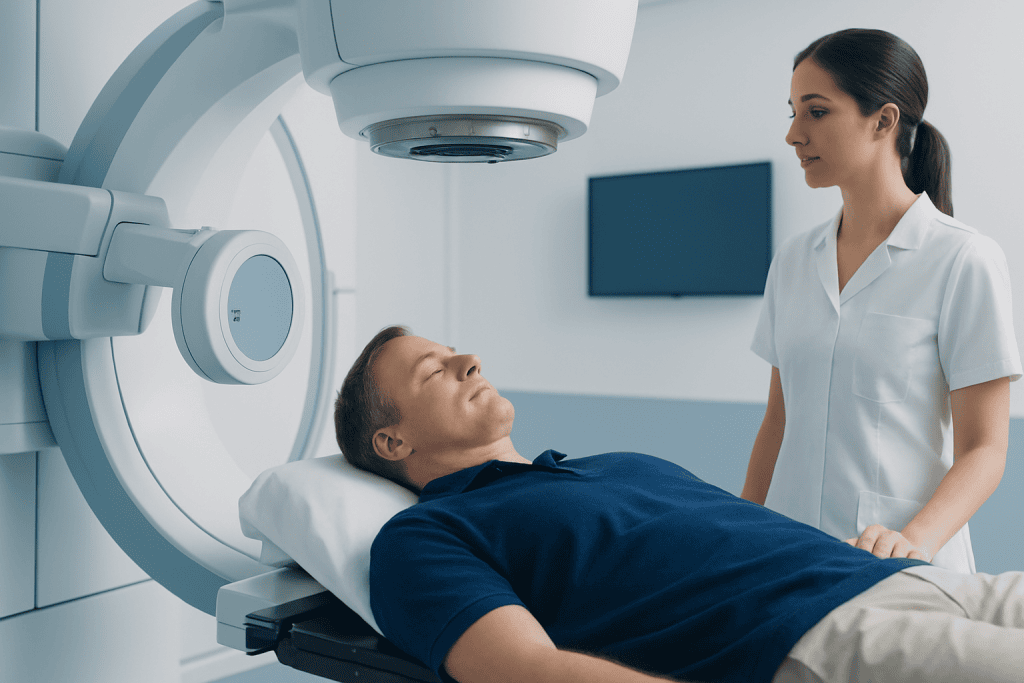
Excision is a common procedure in which the clinician removes the lesion with a planned margin of surrounding skin. Mohs micrographic surgery is often considered for certain cancers on high-risk or cosmetically sensitive sites, such as the face or ear, because tissue is assessed in stages during the procedure. Other options may include curettage and electrodessication, cryotherapy, topical medicines, photodynamic therapy or radiation, depending on the diagnosis.
For melanoma, surgery to remove the primary tumor is essential. Some patients with thicker or higher-risk melanoma may be offered sentinel lymph node biopsy to check whether cancer cells have reached the first draining lymph node. If disease has spread, medical oncology treatments such as immunotherapy or targeted therapy may be considered.
Candidacy for each approach is individualized. The team considers the tumor’s pathology, location, prior treatments, skin quality, possible scarring, immune status, medicines that affect bleeding and the person’s preferences. Treatment recommendations should follow a confirmed diagnosis rather than appearance alone.
Procedure Steps, Benefits, Risks and Recovery Timeline
Before a skin cancer procedure, the clinician reviews the biopsy result, examines the treatment area and discusses anesthesia, wound closure and aftercare. For many outpatient excisions, local anesthetic is used. The area is cleaned, the tumor and an appropriate margin are removed, bleeding is controlled, and the wound may be closed with stitches, allowed to heal naturally or repaired with a flap or graft when necessary.
The main benefit of treatment is removal of the cancer and reduction of the risk that it will grow, recur or spread. Potential risks include pain, swelling, bleeding, infection, delayed wound healing, numbness, scar changes and an incomplete removal that needs additional treatment. Procedures on the ear, nose, eyelid, lips or scalp may involve specialized planning because these structures are functionally and cosmetically important.
Recovery time varies with the procedure and body site. Mild tenderness and swelling commonly improve over several days. Stitches may be removed after a timeframe chosen for the location and wound type, and scar maturation can continue for months. Patients should follow wound-care instructions, protect the area from friction and sunlight, and contact their clinical team about increasing pain, spreading redness, fever, pus-like drainage or persistent bleeding.
Follow-up is not only about the wound. It also includes reviewing final pathology, discussing whether further treatment is needed and planning full-skin examinations. Acibadem International’s multidisciplinary specialists and JCI-accredited hospitals diagnose and treat skin cancer for international patients, with care plans based on pathology and individual clinical needs.
When Does 5 Year Cancer Free Start?
“Five years cancer-free” usually starts from the date of a person’s definitive treatment, such as complete surgical removal, or from the date there is no evidence of disease after treatment. The exact starting point may differ between clinical studies, cancer registries and individual care plans, so patients should ask their oncology team which date is being used.
Five-year disease-free survival does not mean that a person cannot have a recurrence after five years. It is a commonly used milestone because many recurrences happen earlier, but follow-up recommendations may continue well beyond this point. People with melanoma or higher-risk squamous cell carcinoma may need more frequent early follow-up than those treated for a low-risk basal cell carcinoma.
It is also important to distinguish recurrence from a new skin cancer. Even after a previous lesion has been completely treated, a person can develop another unrelated skin cancer elsewhere. Regular professional skin checks and self-examination support earlier detection.
What Is the Survival Rate for Melanoma on the Ear?
There is not one reliable survival rate that applies specifically to melanoma on the ear. Prognosis is primarily determined by the melanoma stage, particularly its thickness, ulceration, lymph node status and whether it has spread, rather than the ear location alone.
Melanoma on the ear can be challenging because the skin may be thin and close to cartilage, and some lesions are noticed later or have features that require careful surgical planning. For this reason, it should be assessed promptly by clinicians experienced in melanoma management. The pathology report and staging evaluation provide a more meaningful estimate of outlook than location by itself.
In general, localized melanoma has a substantially better prognosis than melanoma that has spread to lymph nodes or distant sites. The care team may discuss wide local excision, possible sentinel lymph node biopsy and reconstructive options, balancing cancer control with preservation of the ear’s shape and function.
Prevention, Follow-Up and When to Seek Medical Care
Sun protection lowers the risk of future skin cancer. Practical steps include seeking shade when ultraviolet exposure is strong, wearing protective clothing and a broad-brimmed hat, using broad-spectrum sunscreen as directed, and avoiding tanning beds. Sun protection remains important on cloudy days and during outdoor activities near water, sand or snow, which can reflect ultraviolet radiation.
People who have had skin cancer should ask how often they need full-body skin examinations. Between visits, they can become familiar with their own skin and report a new or changing spot. Changes worth checking include a sore that does not heal, a pearly or shiny bump, a scaly patch, a lesion that repeatedly bleeds, or a mole changing in size, shape, color or sensation.
When to seek medical care: A person should arrange a medical assessment promptly for a suspicious or changing skin lesion, especially if it is bleeding, painful, rapidly growing or not healing. Urgent clinical advice is also appropriate after treatment for uncontrolled bleeding, signs of wound infection, severe swelling or a rapidly worsening symptom. New or unusual symptoms after a melanoma diagnosis should be discussed with the care team rather than managed alone.
Regular follow-up supports both physical recovery and peace of mind. Patients can bring questions about scars, sun exposure, family history and future screening to their appointments, where recommendations can be tailored to their diagnosis and risk profile.
Frequently asked questions
Can skin cancer come back after successful treatment?
Yes. A treated skin cancer can recur at or near the original site, although the likelihood varies by cancer type, location and treatment. A person can also develop a new, separate skin cancer elsewhere, which is why regular skin checks and sun protection remain important.
Is basal cell carcinoma considered curable?
Basal cell carcinoma is often curable when treated appropriately, particularly when it is found early and remains localized. It should still be treated because it can continue growing and damage surrounding tissue if left untreated.
How long does it take to recover after skin cancer removal?
Initial wound healing often takes days to weeks, depending on the body site, procedure and wound closure method. Scar appearance and sensation can continue to improve over several months, and follow-up may continue longer to monitor for recurrence or new lesions.
Does a clear margin mean skin cancer is gone?
A clear margin means no cancer cells were seen at the outer edge of the removed tissue sample, which is reassuring. It lowers the likelihood that cancer remains at that site, but ongoing follow-up may still be recommended based on the cancer type and risk features.
What signs of skin cancer should not be ignored?
A new or changing mole, a non-healing sore, a lesion that bleeds repeatedly, or a growing pearly, scaly or dark patch should be assessed by a qualified clinician. These signs do not always mean cancer, but a prompt examination can clarify the cause.
Will everyone with melanoma need chemotherapy?
No. Many people with early melanoma are treated with surgery alone. If melanoma has higher-risk features or has spread, the oncology team may discuss medicines such as immunotherapy or targeted therapy; traditional chemotherapy is used less commonly in many modern melanoma treatment plans.
References
- American Cancer Society
- National Cancer Institute
- American Academy of Dermatology Association
- National Comprehensive Cancer Network
- World Health Organization
This article is for general information only and is not a substitute for professional medical advice. Please consult a qualified doctor about your individual situation.
Skin Cancer in Turkey — costs, top hospitals & a free quote
JCI-accredited · board-certified surgeons · reply within 24h
Add us as a Preferred Source to see more of our trusted health content across Google Search, AI Overviews and Discover.