Sleep Anxiety: An Evidence-Based Guide for Patients
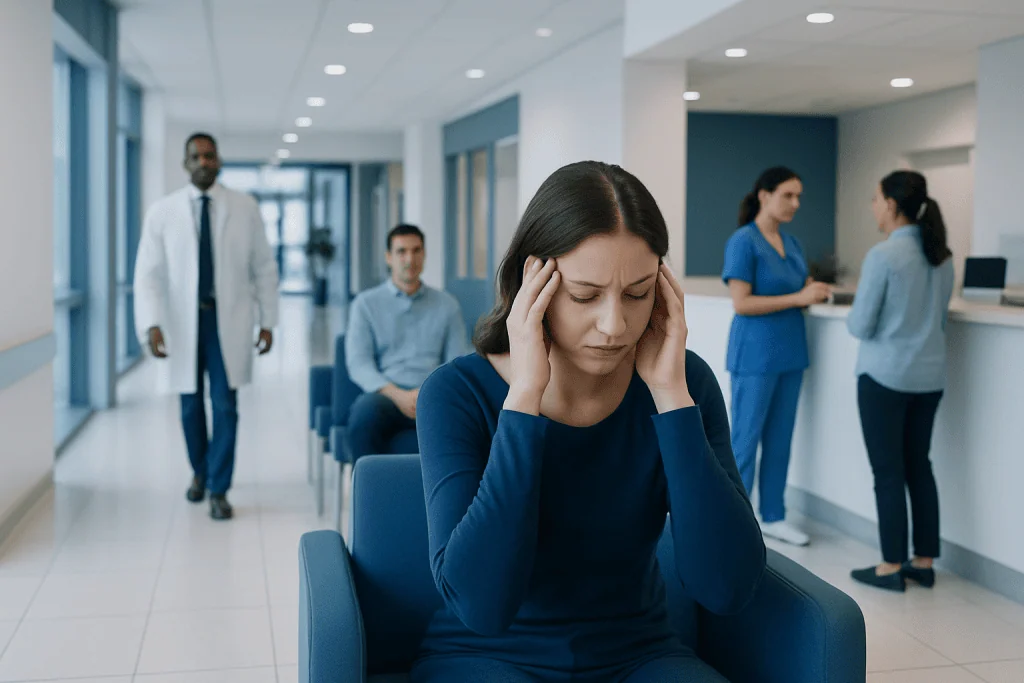
Sleep anxiety involves persistent worry about sleep, especially at bedtime or during the night. It can be triggered by stress, insomnia, panic symptoms, mental health conditions, or disrupted sleep habits.
Key Takeaways
- Sleep anxiety involves persistent worry about sleep, especially at bedtime or during the night.
- It can be triggered by stress, insomnia, panic symptoms, mental health conditions, or disrupted sleep habits.
- Effective care often combines sleep-focused habits, stress management, and cognitive behavioral therapy.
- Medical evaluation is important if symptoms are severe, ongoing, or linked to snoring, breathing pauses, panic, or depression.
- Treating related sleep or mental health conditions can significantly improve sleep anxiety.
Sleep anxiety is a pattern of worry, tension, or fear centered on sleep, bedtime, or the consequences of not sleeping. It can create a cycle in which stress makes sleep harder, and poor sleep then increases anxiety the next day.
Overview: What Is Sleep Anxiety?
Sleep anxiety is anxiety that becomes focused on sleep itself. A person may dread going to bed, fear not falling asleep, worry about waking during the night, or become preoccupied with how poor sleep will affect work, mood, or health the next day. In many people, this creates a self-reinforcing cycle: the more someone tries to force sleep, the more alert and tense the body becomes.
Although occasional worry before an important event is common, sleep anxiety is more persistent. It often shows up as racing thoughts at bedtime, checking the clock, repeatedly calculating how many hours remain, or feeling physically “tired but wired.” Some people mainly notice mental worry, while others feel it in the body through a fast heartbeat, shallow breathing, sweating, stomach discomfort, or restlessness.
Sleep anxiety is not always a separate diagnosis. It may occur alongside insomnia, generalized anxiety, panic disorder, depression, chronic pain, shift work, or stress-related life changes. It can also be worsened by caffeine, alcohol, irregular schedules, and excessive time in bed awake. Understanding the pattern is an important first step, because treatment usually targets both the anxiety and the sleep habits that keep it going.
How Sleep Anxiety Feels: Common Signs and Symptoms

The main symptom of sleep anxiety is distress related to sleep. This may start in the evening, intensify as bedtime approaches, or appear after waking in the middle of the night. Some people feel a sense of dread as soon as they begin their bedtime routine, while others lie in bed replaying worries or scanning their body for signs that sleep is not coming.
Common emotional and cognitive symptoms include excessive worry about not sleeping, fear of losing control at night, irritability, trouble concentrating, and catastrophic thoughts such as believing one bad night will ruin the next day. The mind may become highly alert, making small sounds, bodily sensations, or normal awakenings feel more threatening than they are.
Physical symptoms can overlap with anxiety more broadly and may include:
- Racing heartbeat or awareness of the heartbeat
- Muscle tension, jaw clenching, or restlessness
- Rapid breathing or a feeling of not getting enough air
- Stomach discomfort, nausea, or a “knotted” feeling
- Sweating, trembling, or feeling suddenly hot
- Difficulty falling asleep or returning to sleep
- Daytime fatigue, low energy, and reduced concentration
Because daytime tiredness can increase emotional sensitivity, sleep anxiety may affect work performance, school, family life, and overall well-being. In some people, fear of another difficult night leads to napping, canceling evening plans, or staying in bed longer in the morning, which can unintentionally make the problem more persistent.
Why It Happens: Causes, Triggers, and Risk Factors

Sleep anxiety usually develops from a combination of factors rather than one single cause. Stress is a common trigger. Work pressure, exams, parenting demands, grief, travel, relationship strain, illness, and financial concerns can all make the mind more alert at night. If this leads to a few poor nights of sleep, some people begin to worry about sleep itself, and that fear becomes part of the problem.
Existing sleep disorders and mental health conditions can also contribute. Chronic insomnia is closely linked with bedtime anxiety. Obstructive sleep apnea, nightmares, restless legs symptoms, chronic pain, and reflux may cause repeated sleep disruption, which can then lead to anticipatory worry about bedtime. In some cases, sleep anxiety appears together with insomnia or broader anxiety disorders.
Certain habits and body signals can make the cycle worse. These include irregular sleep and wake times, frequent clock-watching, long naps, heavy evening meals, late-night screen use, caffeine later in the day, nicotine, alcohol, and trying too hard to “catch up” on sleep. For some people, a panic attack at night or waking suddenly with a sense of fear creates a strong memory association between bed and anxiety.
Risk factors may include a personal or family history of anxiety, perfectionism, high stress sensitivity, hypervigilance to bodily sensations, and occupations with unpredictable schedules. Importantly, sleep anxiety does not mean a person is weak or “doing sleep wrong.” It reflects a learned pattern between the brain’s alert system and the sleep process, and learned patterns can often be changed.
How Doctors Evaluate Sleep Anxiety
Evaluation begins with a careful history. A doctor will ask about the sleep pattern, when the problem started, what bedtime feels like, whether there are nighttime awakenings, and how symptoms affect daytime functioning. Questions often cover stress, mood, panic symptoms, medications, caffeine and alcohol use, work schedule, and medical conditions that may disturb sleep.
Because sleep anxiety can overlap with other conditions, the assessment may also look for signs of snoring, breathing pauses, leg discomfort, nightmares, depression, trauma-related symptoms, or thyroid problems. In many cases, keeping a sleep diary for one to two weeks is helpful. This records bedtime, wake time, awakenings, naps, and habits that may influence sleep. Sometimes wearable data can add context, but personal symptoms and sleep patterns remain more useful than sleep scores alone.
A physical examination or additional testing may be recommended if another medical problem is suspected. For example, someone with loud snoring, witnessed pauses in breathing, morning headaches, or marked daytime sleepiness may need evaluation for sleep apnea. If there are symptoms such as chest pain, fainting, severe shortness of breath, or signs of another illness, those concerns take priority.
The goal of diagnosis is not only to label the problem, but to identify what is maintaining it. This often includes both the “trigger” that started the sleep difficulty and the “keeping factors” such as worry, irregular routines, or spending too much time awake in bed.
Treatment Options: What Usually Helps
The most effective treatment plan depends on the person’s symptoms and any underlying conditions. For many adults, treatment focuses on reducing bedtime arousal and changing the thoughts and behaviors that sustain the problem. When insomnia is present, doctors may recommend cognitive behavioral therapy for insomnia or a similar structured program. This approach teaches strategies to rebuild a healthier connection between bed and sleep and is considered a first-line option for persistent insomnia symptoms.
If anxiety is broader than sleep alone, general psychotherapy may be useful, including psychotherapy that addresses excessive worry, panic, stress, or unhelpful thought patterns. Techniques may include cognitive restructuring, relaxation training, breathing exercises, mindfulness-based approaches, and gradual changes to nighttime routines. Learning not to fight wakefulness often reduces pressure and helps sleep return more naturally.
Medication may be considered in selected cases, especially if symptoms are severe, short-term, or linked with another diagnosed anxiety or mood disorder. Decisions about medicines should be individualized and made with a qualified clinician, since some medications can affect sleep quality, next-day alertness, or dependence risk. If a separate sleep disorder is found, targeted treatment matters. For example, some patients may need evaluation in a sleep laboratory to clarify whether breathing-related sleep disruption, unusual movements, or another sleep condition is contributing.
Treatment also includes practical behavior changes. These may sound simple, but they are often central to recovery because they reduce the body’s alerting signals at night and strengthen the brain’s natural sleep rhythm.
Self-Care Strategies That Can Break the Cycle
Self-care works best when it is consistent rather than perfect. A regular wake-up time is often more important than a perfect bedtime, because it helps reset the body clock. Many people also benefit from using the bed only for sleep and intimacy, getting out of bed for a quiet activity if they are unable to sleep for a prolonged period, and returning only when sleepy.
Helpful habits may include:
- Keeping a consistent wake time every day, including weekends
- Reducing caffeine in the afternoon and evening
- Avoiding nicotine near bedtime and limiting alcohol as a sleep aid
- Creating a wind-down routine with dim light and reduced screen use
- Leaving enough time between heavy meals and bedtime
- Getting daylight exposure and physical activity earlier in the day
- Using relaxation techniques such as slow breathing or progressive muscle relaxation
It can also help to set aside “worry time” earlier in the evening. Writing down concerns and possible next steps before bed may reduce the urge to problem-solve at night. Some people find it useful to cover the clock, since repeatedly checking the time can increase pressure and mental arousal.
Self-care should not become another performance test. The goal is not to force sleep with the perfect routine, but to create conditions in which sleep is more likely to happen. If symptoms persist despite good habits, professional support is appropriate and often very effective.
When to Seek Medical Care
Medical care is appropriate when sleep anxiety is frequent, lasts more than a few weeks, or interferes with daytime life. A person should consider an evaluation if bedtime fear, repeated panic-like symptoms, or chronic poor sleep is affecting work, school, driving, mood, or relationships. Persistent sleep problems deserve attention, especially when self-care strategies have not helped enough.
A doctor should also be consulted if there are signs of another sleep or medical condition, such as loud snoring, observed pauses in breathing, choking or gasping at night, severe leg discomfort, frequent nightmares, or major mood changes. Urgent care may be needed for chest pain, severe shortness of breath, fainting, suicidal thoughts, or sudden neurological symptoms.
Assessment is especially important for children, older adults, people who are pregnant, and those with chronic illness, because sleep disruption may have different causes or consequences in these groups. Near the end of the care pathway, some patients benefit from coordinated evaluation by sleep specialists, mental health professionals, or other clinicians. Acibadem International’s multidisciplinary specialists and JCI-accredited hospitals diagnose and treat sleep-related and anxiety-related conditions for international patients when a more comprehensive assessment is needed.
Frequently asked questions
Is sleep anxiety the same as insomnia?
Not exactly. Insomnia describes ongoing difficulty falling asleep, staying asleep, or getting good-quality sleep despite enough opportunity to sleep. Sleep anxiety refers to fear or worry about sleep, and it can occur with insomnia or make insomnia worse.
Can anxiety really keep someone awake even when they feel exhausted?
Yes. Anxiety activates the body's alert system, which can make the brain and body feel prepared for danger rather than rest. This is why a person may feel physically tired but mentally unable to settle into sleep.
How long does sleep anxiety usually last?
It varies. Some people have short-term symptoms during stressful periods, while others develop a longer pattern that continues for weeks or months. The good news is that targeted treatment and consistent sleep habits often help break the cycle.
Are sleeping pills the best treatment for sleep anxiety?
Not always. Medication may help in selected situations, but it is usually not the only answer and may not address the thoughts and behaviors driving the problem. Structured therapy and sleep-focused behavioral strategies are often important parts of treatment.
Can sleep anxiety be caused by another sleep disorder?
Yes. Repeated sleep disruption from conditions such as sleep apnea, restless legs symptoms, nightmares, or chronic insomnia can lead to fear of bedtime or worry about sleep. Treating the underlying disorder can reduce the anxiety linked to sleep.
What should someone do if they start to panic at bedtime?
It can help to get out of bed briefly, move to a calm low-light setting, and use a simple grounding or slow-breathing technique until the body feels less activated. If panic symptoms are recurring, severe, or associated with chest pain or breathing problems, medical evaluation is important.
References
- American Academy of Sleep Medicine
- National Institute of Mental Health
- National Heart, Lung, and Blood Institute
- Centers for Disease Control and Prevention
- Mayo Clinic
This article is for general information only and is not a substitute for professional medical advice. Please consult a qualified doctor about your individual situation.
Explore treatments in Turkey — costs, top hospitals & a free quote
JCI-accredited · board-certified surgeons · reply within 24h