Facial Palsy Has Many Causes, From Bell’s Palsy to Stroke

Facial palsy is weakness of the facial muscles caused by a problem with the facial nerve. Bell's palsy is a common cause, but infections, injury, tumors, and stroke can also be responsible. Sudden facial weakness needs prompt medical assessment, especially with limb weakness, double vision, or trouble speaking.
Key Takeaways
- Facial palsy means weakness or paralysis of facial muscles, often affecting one side of the face.
- Sudden facial weakness should be assessed urgently to help rule out stroke and other serious causes.
- Bell's palsy is a common cause, but infections, tumors, trauma, and neurological conditions can also lead to facial palsy.
- Treatment depends on the cause and may include medicines, eye protection, physical therapy, or surgery in selected cases.
- Protecting the eye on the affected side is an essential part of care when eyelid closure is reduced.
You look in the mirror one morning and one side of your face doesn’t move the way it should. The smile is lopsided. The eye won’t close all the way. It’s frightening, and it should be taken seriously.
Facial palsy is weakness or loss of movement in the muscles of the face, usually caused by a problem affecting the facial nerve. It can come on suddenly or build up more gradually. Many cases improve well, but you need a prompt medical assessment to find the cause and to protect your eye.
Overview: What facial palsy means
Facial palsy is a condition in which the muscles of the face become weak or paralyzed because the facial nerve is not working properly. The facial nerve controls facial expression, helps close the eye, and also contributes to taste, tear production, and some aspects of hearing. When it is affected, a person may notice facial drooping, difficulty smiling, trouble closing one eye, or changes in speech and eating.
Facial palsy isn’t one disease. It is a sign, and the causes vary: temporary inflammation of the nerve, infections, injury, neurological disease, or less commonly a growth pressing on the nerve. One of the best-known causes is Bell's palsy, which usually comes on suddenly and often affects just one side of the face.
Your face does a lot of work: talking, eating, showing what you feel. So facial palsy hits both physically and emotionally. Most patients ask about appearance first. Doctors also look at eye protection, when the symptoms started, and whether anything else neurological is going on. Those answers point to the next steps quickly and safely.
Symptoms and how facial palsy can feel
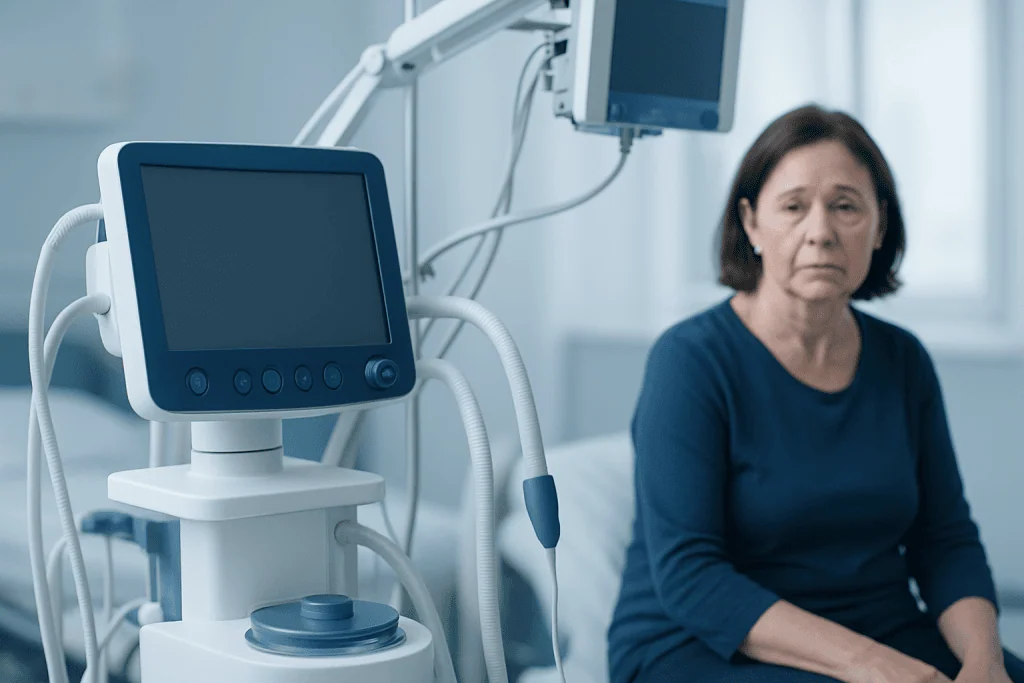
Symptoms vary depending on whether the facial nerve is partly or completely affected, and whether the cause is temporary or ongoing. The most visible sign is weakness on one side of the face. A person may notice that the mouth droops, the eyebrow does not lift normally, or the eyelid does not close completely. Smiling, frowning, whistling, and puffing out the cheeks may become difficult.
Facial palsy can also cause symptoms that are less obvious at first. Speech may sound less clear, food or drink may leak from the side of the mouth, and chewing can feel awkward. Some people experience dryness or irritation of the eye because blinking is incomplete, while others notice excessive tearing. Taste can change, and sounds may seem unusually loud on the affected side.
Not all facial weakness is the same. Some people develop symptoms suddenly over hours, while others notice a more gradual change over days or weeks. Symptoms that come with dizziness, limb weakness, double vision, severe headache, or trouble speaking may suggest a different neurological problem and need urgent medical attention.
- Facial drooping or asymmetry
- Difficulty closing one eye
- Reduced ability to smile or raise the eyebrow
- Drooling or food collecting in the cheek
- Changes in taste or sound sensitivity
- Eye dryness, tearing, or irritation
Causes and risk factors

Facial palsy happens when the facial nerve is inflamed, compressed, injured, or interrupted somewhere along its pathway from the brain to the facial muscles. In Bell’s palsy, the exact trigger is not always clear, but swelling of the nerve, often thought to be related to viral reactivation, is a common explanation. This type typically appears suddenly and may follow a recent viral illness.
Other causes are important to consider. Facial palsy can result from infections such as shingles involving the ear, middle ear disease, Lyme disease in some regions, or other viral or bacterial infections. It may also occur after trauma, facial or skull base fractures, ear surgery, or due to tumors affecting the facial nerve or nearby structures. Neurological conditions, including stroke, can also cause facial weakness, although the pattern of weakness may differ from a problem in the facial nerve itself.
Risk factors depend on the cause. Recent infection, diabetes, pregnancy, high blood pressure, and immune-related conditions may increase the likelihood of Bell’s palsy or affect recovery. A history of head injury, chronic ear disease, or cancer raises concern for other causes. Doctors assess the pattern of onset and associated symptoms carefully because this often provides important clues.
In many people no serious underlying problem turns up and recovery is good. Still, facial palsy can occasionally be the first sign of something that needs urgent treatment, so please don’t diagnose yourself, especially if the weakness is new or changing fast.
How doctors diagnose facial palsy
Diagnosis begins with a detailed history and physical examination. A clinician will ask when the symptoms started, whether they came on suddenly or gradually, and if there are associated problems such as ear pain, rash, hearing change, balance symptoms, headache, or weakness elsewhere in the body. The facial muscles are examined closely to see which movements are affected and whether the forehead is involved.
The main early question is whether the weakness is likely due to a facial nerve problem or another neurological cause. In many cases of Bell’s palsy, the diagnosis can be made clinically. However, if the presentation is unusual, progressive, recurrent, or accompanied by other neurological signs, further testing may be needed.
Depending on the situation, tests may include hearing assessment, blood tests for infections or metabolic conditions, and imaging such as MRI or CT scan to look for structural causes. In selected cases, specialists may use nerve conduction studies or electromyography to assess the extent of nerve involvement and help estimate recovery. Eye examination may also be needed if eyelid closure is poor or the eye surface is at risk.
Treatment options and recovery
Treatment for facial palsy depends on the cause, how severe the weakness is, and how quickly treatment begins. In Bell’s palsy, doctors often use corticosteroid medication early in the course to reduce nerve swelling. If a viral cause is strongly suspected in certain situations, antiviral medication may also be considered. For infectious causes, treatment is directed at the specific infection. If a tumor, severe ear disease, or trauma is involved, management may include input from ENT, neurology, neurosurgery, or rehabilitation specialists.
Eye care is one of the most important parts of treatment when the eyelid does not close fully. Lubricating drops or ointment, moisture protection, and sometimes taping the eyelid closed at night may be advised to protect the cornea. This can prevent pain, dryness, and damage to vision while the nerve recovers.
Rehabilitation may also help. Facial exercises and selected forms of physical therapy and rehabilitation can support recovery, improve symmetry, and reduce unwanted muscle tightness or abnormal movement patterns in some patients. Care plans are individualized, as not every exercise approach is appropriate for every stage of recovery.
Improvement comes slowly, not overnight. Some patients recover fully, while others may have lingering weakness, tightness, or involuntary linked movements known as synkinesis. If recovery is incomplete or the cause requires procedural treatment, options may include specialist procedures or, in selected cases, neurosurgery or reconstructive interventions after careful assessment.
Self-care, prevention, and living with facial palsy
At home, the first priority is usually protecting the eye if blinking is reduced. Using eye lubrication as recommended, avoiding environments that dry the eyes, and wearing glasses outdoors may help reduce irritation. Gentle oral care and practical adjustments during meals can also make eating and drinking easier while facial strength is reduced.
There is no guaranteed way to prevent every case of facial palsy because many causes are not predictable. However, general health measures may reduce risk in some situations. Managing chronic conditions such as diabetes, seeking treatment for ear infections, using helmets and seat belts to reduce head injury risk, and keeping routine medical care up to date are sensible steps.
Facial palsy can affect confidence, mood, and social interaction. Some people avoid photos, speaking in public, or social gatherings while they recover. Support from family, rehabilitation teams, and mental health professionals can be helpful when symptoms persist or emotional strain becomes significant. Recovery is not only about muscle movement; it is also about comfort, communication, and quality of life.
If your face isn’t improving the way you expected, a specialist review is worth it. Acibadem International’s multidisciplinary specialists and JCI-accredited hospitals diagnose and treat facial palsy for international patients who need further evaluation or coordinated care.
When to seek medical care
New facial weakness should be assessed promptly, especially if it starts suddenly. Quick evaluation helps rule out stroke and other urgent causes, and it may allow time-sensitive treatment to begin when appropriate. It also helps protect the eye if eyelid closure is incomplete.
Urgent medical care is particularly important if facial weakness occurs with arm or leg weakness, severe headache, confusion, trouble speaking, difficulty walking, double vision, or sudden hearing loss. Immediate assessment is also needed after a head injury, when there is a painful rash around the ear or face, or when symptoms are getting worse rather than stabilizing.
A routine but timely medical appointment is still advisable for milder cases, even if the symptoms seem typical of Bell’s palsy. Ongoing follow-up is important if the face is not improving over weeks, if symptoms recur, or if there is persistent eye irritation, pain, or difficulty eating and speaking.
Frequently asked questions
Is facial palsy the same as Bell's palsy?
No. Facial palsy is a broad term for weakness or paralysis of the facial muscles, while Bell's palsy is one specific cause. Bell's palsy usually refers to sudden facial nerve weakness without another clear structural cause.
Can facial palsy be a sign of stroke?
Yes, sometimes it can. Sudden facial weakness can occur with stroke, especially when it appears along with arm or leg weakness, speech trouble, or other neurological symptoms. That is why new facial weakness should be assessed urgently.
Does facial palsy usually affect only one side of the face?
Most often, yes. Many cases, including Bell's palsy, affect one side of the face. Bilateral facial weakness is less common and may suggest a different underlying cause that needs careful evaluation.
How long does recovery from facial palsy take?
Recovery time varies widely depending on the cause and severity. Some people begin improving within weeks, while others recover more gradually over months. A doctor can give a better estimate after examining the pattern of nerve involvement.
Why is eye care so important in facial palsy?
If the eyelid does not close fully, the surface of the eye can dry out and become irritated or injured. Lubrication and other protective measures help prevent corneal damage while the facial nerve recovers. Eye symptoms should not be ignored.
Can facial exercises help?
They can help some patients, particularly during recovery or when movement patterns become uneven. However, exercises should be individualized because the wrong approach may be unhelpful at certain stages. A rehabilitation specialist or clinician can advise on the safest plan.
This article is for general information only and is not a substitute for professional medical advice. Please consult a qualified doctor about your individual situation.
Explore treatments in Turkey — costs, top hospitals & a free quote
7 JCI-accredited hospitals · board-certified surgeons · reply within 24h
Add us as a Preferred Source to see more of our trusted health content across Google Search, AI Overviews and Discover.
Check your numbers in seconds
BMI, calories, due date, blood pressure and 30+ more clinical calculators — free, instant, doctor-reviewed ranges.

Medically reviewed by the Acıbadem International Medical Board — August 24, 2026
See our medical review board →
Update history
- PublishedAugust 4, 2026
- Medical review approvedAugust 24, 2026
- Last content updateAugust 24, 2026
References1
- Bell's Palsy - MedlinePlus — medlineplus.gov
Neurology
Diagnosis and treatment of disorders of the brain, spinal cord, nerves and muscles.
51 specialists in this unitNeurology Specialists at Acibadem





Related Treatments
Related Conditions
More from the Health Library

Cerebral Hypoxia Cuts Oxygen to the Brain Within Minutes

Dystonia: Muscle Spasms, Causes, and Treatment Options

Melatonin Works Best When Sleep Timing Is Out of Sync

Carotid Arteries Supply the Brain and Can Narrow Silently

Gss Disease: Diagnosis, Outlook, and Modern Treatment Approaches