Spinal Cord Stimulation: Who May Benefit and What the Trial Period Shows

Spinal cord stimulation uses gentle electrical signals to change how pain messages are processed. It is most often considered for chronic pain that has not responded well to medication, physical therapy, or other treatments.
Key Takeaways
- Spinal cord stimulation uses gentle electrical signals to change how pain messages are processed.
- It is most often considered for chronic pain that has not responded well to medication, physical therapy, or other treatments.
- A temporary trial is an important step because it shows whether the therapy provides meaningful relief for that individual.
- The goal is usually better pain control, improved function, and reduced reliance on pain medicines rather than a complete cure.
- Careful evaluation, realistic expectations, and follow-up are essential for safe and effective treatment.
Spinal cord stimulation is a neuromodulation treatment used for selected people with chronic pain, especially nerve-related pain that has not improved enough with other therapies. A short trial period helps determine whether the therapy meaningfully reduces pain and improves daily function before a permanent device is considered.
Overview of spinal cord stimulation
Spinal cord stimulation is a pain treatment that belongs to the field of neuromodulation. It involves placing thin wires, called leads, near the spinal cord so that a small implanted device can deliver mild electrical impulses. These impulses are designed to change the way pain signals travel to the brain, which may reduce how strongly pain is felt.
This treatment is not usually the first step for pain. It is generally considered when pain has lasted for months or longer and has not improved enough with more conservative care such as medicines, physical therapy, exercise programs, or certain injections. It is most often used for chronic nerve-related pain, including some forms of back, leg, or arm pain.
Spinal cord stimulation does not fix the original structural cause of pain in every case. Instead, its main purpose is to help manage symptoms, improve physical function, support sleep and daily activities, and sometimes reduce the need for pain medication. For many people, success means meaningful improvement rather than complete pain relief.
Who may benefit from spinal cord stimulation
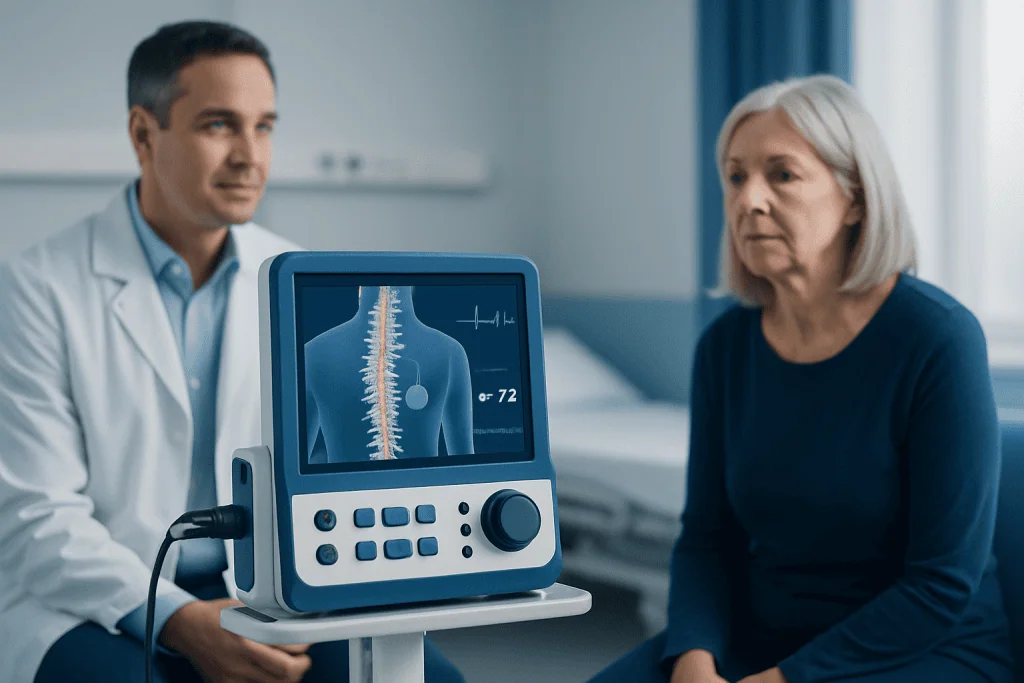
Spinal cord stimulation may benefit carefully selected adults with chronic pain that has persisted despite standard treatment. It is commonly considered for ongoing pain after spine surgery, often called failed back surgery syndrome or persistent spinal pain after surgery, as well as certain types of nerve pain in the arms or legs. Some people with complex regional pain syndrome or painful peripheral neuropathy may also be candidates.
Doctors look for patterns that suggest the pain is likely to respond to neuromodulation. In general, nerve-related pain tends to respond better than pain caused mainly by ongoing mechanical instability or severe compression that still needs surgical correction. If a person has untreated structural problems, infection, or another active condition, those issues usually need attention first.
A good candidate is usually someone who understands the goals and limits of treatment, is able to take part in follow-up care, and has realistic expectations. Before moving forward, the care team may review imaging, prior procedures, medications, emotional health, sleep, and the effect of pain on work, walking, and daily life. In some cases, spinal cord stimulation is considered after assessment by specialists involved in pain management and spine care.
Selection is individualized. The same diagnosis does not guarantee the same outcome, which is why the trial period is so valuable. It allows the care team and the patient to see whether pain relief is meaningful in real life, not only in theory.
What symptoms and conditions it is used for
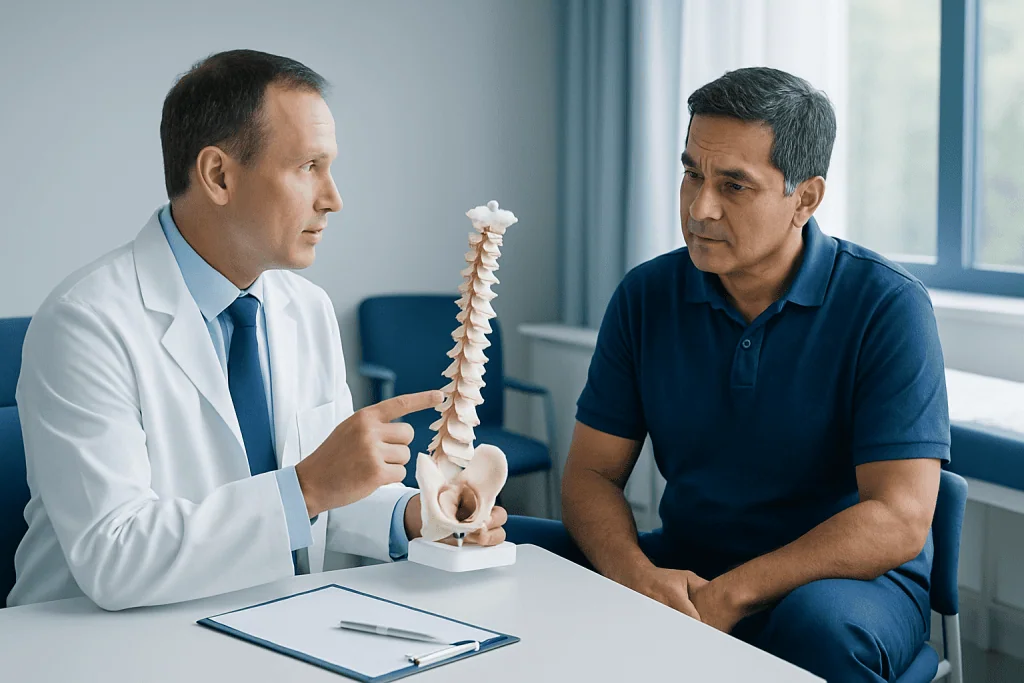
The main reason to consider spinal cord stimulation is chronic pain, especially pain described as burning, tingling, shooting, electric, or radiating. This kind of pain often reflects irritation or injury involving nerves. It may affect the lower back and legs, the neck and arms, or a more limited area such as the foot or hand.
Examples of conditions in which spinal cord stimulation may be discussed include chronic pain after spine surgery, complex regional pain syndrome, and some cases of diabetic nerve pain or peripheral neuropathy. People with leg pain that remains more prominent than back pain after surgery may be among those evaluated. The treatment may also be considered for selected pain syndromes that persist after other interventions.
Doctors usually assess more than pain intensity alone. They ask whether pain interferes with walking, standing, sleep, concentration, mood, work, and self-care. A person may benefit even if pain does not disappear, provided the treatment helps restore function and quality of life in a noticeable way.
Spinal cord stimulation is not appropriate for every type of pain. It is generally less useful for pain caused mainly by active infection, unstable fractures, untreated tumors, or a problem that urgently requires another form of treatment. Careful diagnosis is essential before proceeding.
How the trial period works and what it shows
The trial period is one of the most important parts of spinal cord stimulation. During this stage, temporary leads are placed near the spinal cord, usually with imaging guidance. These leads are connected to an external stimulator worn outside the body. The trial is short, often lasting several days, and is meant to test whether stimulation provides worthwhile relief before a permanent device is implanted.
During the trial, the person goes home and carries out typical daily activities as advised by the medical team. They may be asked to track pain levels, walking tolerance, sleep, sitting or standing time, and use of pain medicine. This practical experience often gives a clearer picture than a single clinic visit because it shows whether the therapy helps in normal life.
The trial is considered helpful if it leads to meaningful improvement, such as lower pain, better function, or both. There is no single measure that fits everyone, but many teams look for a clear and consistent benefit that the patient can feel in everyday activities. Just as importantly, the trial shows whether the person is comfortable using the system and whether the stimulation pattern feels acceptable.
If the trial does not provide enough benefit, the temporary leads are removed and a permanent system is usually not placed. This is a strength of the process: it helps avoid an unnecessary implant when the treatment is unlikely to help. If the trial goes well, the care team may discuss permanent implantation and long-term follow-up.
Diagnosis and evaluation before treatment
Before recommending spinal cord stimulation, doctors first confirm the cause and pattern of pain as carefully as possible. This may include a full medical history, physical and neurological examination, review of previous treatments, and imaging such as MRI or CT scans when appropriate. The goal is to understand whether the pain is likely to respond to neuromodulation and to rule out conditions needing different treatment.
The evaluation often includes a review of spine surgery history, nerve symptoms, medication response, sleep quality, and emotional well-being. Chronic pain can affect mood and coping, and these factors can also influence treatment results. For this reason, some centers include a psychological assessment as part of the standard process, not to question the reality of pain, but to support the best possible outcome.
The care team may also review whether other treatments remain appropriate. Depending on the situation, this might include medication adjustments, rehabilitation, or targeted procedures. Some patients are evaluated because they have pain related to herniated disc surgery history or persistent symptoms after treatment for spinal stenosis, but only after active surgical or structural issues have been addressed or ruled out.
This careful preparation helps improve safety and decision-making. It also allows the patient to ask questions about expected benefits, limitations, battery options, future MRI compatibility, restrictions after implantation, and the need for ongoing programming visits.
Permanent implantation, benefits, and possible risks
If the trial is successful, the next step may be permanent implantation. In this procedure, the leads are placed in the appropriate position and connected to a small pulse generator, usually implanted under the skin of the lower back or buttock area. The device is programmed to deliver electrical stimulation in a way that matches the person’s pain pattern. Some systems create a tingling sensation, while others are designed to work without noticeable sensation.
The benefits of spinal cord stimulation can include lower pain intensity, better walking or sitting tolerance, improved sleep, and greater participation in rehabilitation or daily activities. Some people are also able to reduce certain pain medicines under medical supervision. Even so, outcomes vary, and the device may need reprogramming over time to maintain benefit.
As with any procedure, there are risks. These can include bleeding, infection, discomfort at the implant site, lead movement, device problems, or a loss of pain relief over time. In some cases, another procedure may be needed to adjust or revise the system. The care team explains these possibilities in detail before treatment so the decision can be made with a clear understanding of both benefits and limitations.
Implantation is often part of a broader treatment plan rather than a stand-alone answer. Long-term success may be stronger when paired with rehabilitation, exercise guidance, and continued support from specialists in neurosurgery or physical therapy and rehabilitation when needed.
Self-care, follow-up, and living with the device
After a trial or permanent implantation, following care instructions closely is important. Patients are usually advised to limit twisting, bending, stretching, and heavy lifting for a period of time so the leads can stay in the intended position. Wound care, activity limits, and warning signs are explained by the treatment team.
Regular follow-up visits help fine-tune the device settings. Programming may be adjusted based on where pain is felt, which activities worsen symptoms, and whether relief changes over time. Keeping a simple symptom diary can help make these visits more productive. Many people need more than one adjustment before the settings feel right.
Living with a spinal cord stimulator also means understanding practical issues such as charging routines for rechargeable systems, using the handheld controller, and checking compatibility with security systems, travel, and future medical imaging. The team will provide device-specific instructions because features differ among systems.
Spinal cord stimulation works best when it is part of a wider pain-management approach. This may include pacing activities, gentle exercise, sleep support, stress management, and a plan for medication review. Near the end of the care pathway, some international patients choose evaluation at centers such as Acibadem International, where multidisciplinary specialists in JCI-accredited hospitals diagnose and treat chronic pain conditions with neuromodulation options when appropriate.
When to see a doctor
A doctor should be consulted if pain has lasted for several months, interferes with sleep or daily activities, or continues despite medications, physical therapy, or other recommended treatments. Medical review is also important when pain is accompanied by numbness, burning, electric-shock sensations, or radiating symptoms into an arm or leg, since these features may suggest nerve involvement.
Urgent assessment is needed if pain occurs with new weakness, loss of bladder or bowel control, fever, unexplained weight loss, or severe worsening after injury. These symptoms may point to a different problem that needs prompt evaluation rather than pain modulation alone.
People who already have a spinal cord stimulator should contact their care team if they develop redness, swelling, drainage, fever, sudden loss of pain relief, unexpected shocks, or new pain around the device. Early review can help address complications quickly and safely.
If a person is wondering whether this therapy is suitable, a discussion with a pain specialist, neurologist, spine surgeon, or rehabilitation physician can help clarify the next steps. The best treatment plan depends on the exact cause of pain, prior treatments, overall health, and personal goals.
Frequently asked questions
Is spinal cord stimulation a cure for chronic pain?
Spinal cord stimulation is not usually considered a cure. Its purpose is to reduce pain to a more manageable level and improve function, sleep, and daily activities. Many people still need a broader treatment plan even when the device helps.
What does the spinal cord stimulation trial feel like?
The experience varies by device and programming. Some people feel a gentle tingling in the painful area, while others may not feel the stimulation at all. The main question during the trial is whether pain and function improve in a meaningful way.
How long does the trial period usually last?
The trial is typically short and often lasts several days. The exact duration depends on the medical team, the device used, and the person's condition. The goal is to gather enough real-life information to decide whether a permanent implant is worthwhile.
Who is not a good candidate for spinal cord stimulation?
It may not be suitable for people with untreated infection, certain bleeding risks, unresolved structural spine problems that need other treatment, or pain types unlikely to respond to neuromodulation. Careful medical assessment is important before proceeding. Suitability is always individualized.
Can spinal cord stimulation help reduce pain medication use?
For some people, yes. If the device provides good pain relief, a doctor may gradually review and adjust pain medicines. Medication changes should always be supervised rather than made suddenly or alone.
What happens if the trial does not help?
If the trial does not provide meaningful benefit, the temporary leads are removed and a permanent device is usually not implanted. This is an important advantage of the trial process because it helps avoid unnecessary long-term treatment. The care team can then discuss other pain-management options.
References
- International Association for the Study of Pain
- National Institute for Health and Care Excellence
- North American Neuromodulation Society
- American Association of Neurological Surgeons
This article is for general information only and is not a substitute for professional medical advice. Please consult a qualified doctor about your individual situation.
Spinal Cord Stimulation in Turkey — costs, top hospitals & a free quote
JCI-accredited · board-certified surgeons · reply within 24h
Add us as a Preferred Source to see more of our trusted health content across Google Search, AI Overviews and Discover.