Stage 4 Lymphoma: Symptoms, Causes, and Treatment Options

Stage 4 lymphoma describes how far the disease has spread, not whether treatment is impossible. Symptoms can include swollen lymph nodes, fever, night sweats, weight loss, fatigue, and organ-related symptoms.
Key Takeaways
- Stage 4 lymphoma describes how far the disease has spread, not whether treatment is impossible.
- Symptoms can include swollen lymph nodes, fever, night sweats, weight loss, fatigue, and organ-related symptoms.
- Diagnosis usually involves imaging, blood tests, and a biopsy to confirm the lymphoma type.
- Treatment may include chemotherapy, immunotherapy, targeted therapy, radiation therapy, or stem cell transplantation.
- The outlook varies widely between Hodgkin lymphoma and non-Hodgkin lymphoma and among individual subtypes.
- Prompt medical assessment is important if symptoms are persistent or worsening.
Stage 4 lymphoma means lymphoma cells have spread beyond the lymph nodes to other organs or tissues, such as the bone marrow, liver, lungs, or bones. Although this is advanced disease, treatment is often still possible, and outlook depends on the lymphoma type, how fast it is growing, overall health, and response to therapy.
What Stage 4 Lymphoma Means
Stage 4 lymphoma is the most advanced stage of lymphoma. It means the cancer has spread beyond the lymphatic system into organs or tissues outside the lymph nodes, such as the bone marrow, liver, lungs, bones, or sometimes the central nervous system. This staging can apply to both Hodgkin lymphoma and non-Hodgkin lymphoma, although the exact behavior and treatment approach depend on the specific subtype.
Importantly, stage 4 lymphoma is not the same as “untreatable.” Many lymphomas respond well to therapy, even when they are widespread. Some slow-growing lymphomas may be managed over time as a long-term condition, while some aggressive lymphomas can still be treated with the goal of remission.
Doctors assess more than stage alone when planning care. They also look at the exact lymphoma subtype, how quickly it is growing, whether symptoms are present, age, general health, and test results such as blood counts and organ function. This is why two people with stage 4 lymphoma may have very different treatment plans and outlooks.
Common Symptoms of Stage 4 Lymphoma
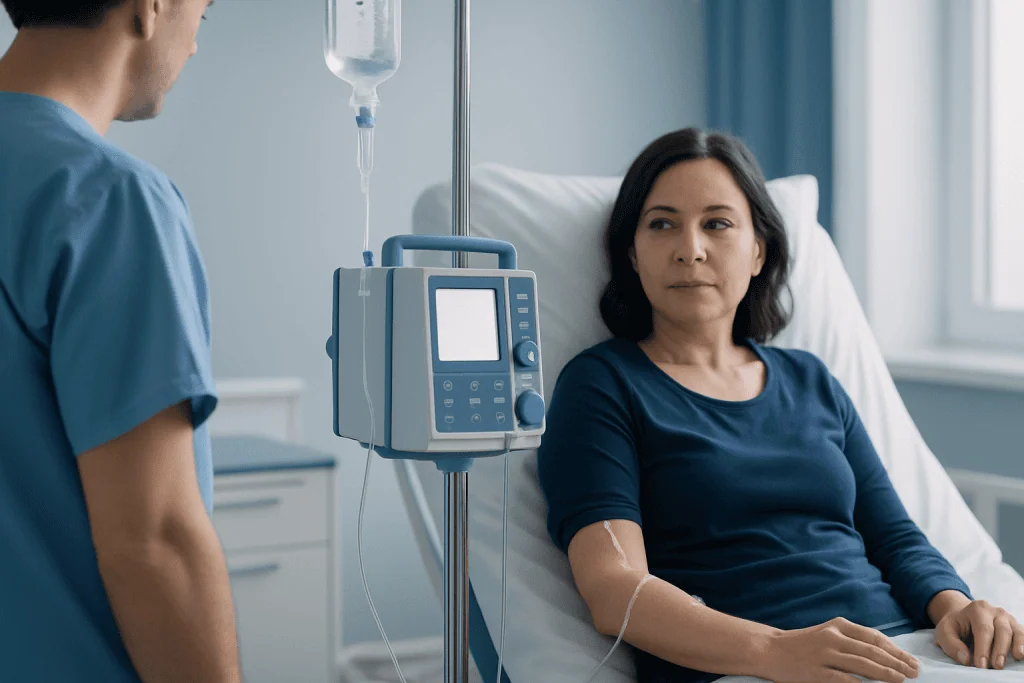
The symptoms of stage 4 lymphoma can vary widely. Some people notice enlarged lymph nodes in the neck, underarms, or groin, while others mainly experience general symptoms caused by inflammation or the effect of lymphoma on other parts of the body. Symptoms may develop gradually or appear more quickly, depending on the lymphoma type.
Common symptoms include fatigue, unexplained weight loss, fever, drenching night sweats, itching, loss of appetite, and persistent weakness. These are sometimes called “B symptoms” and can help doctors understand how active the disease may be. Swollen lymph nodes are often painless, but they may cause discomfort if they press on nearby tissues.
When lymphoma spreads to organs outside the lymph nodes, symptoms may reflect the area involved. For example, bone marrow involvement may cause anemia, easy bruising, or frequent infections. Lung involvement can lead to cough or shortness of breath, while liver or abdominal involvement may cause fullness, pain, or swelling.
- Painless swollen lymph nodes
- Fever without a clear infection
- Night sweats that soak clothing or bedding
- Unexplained weight loss
- Ongoing fatigue
- Shortness of breath, cough, or chest discomfort
- Abdominal pain, bloating, or early fullness
- Frequent infections or unusual bleeding if bone marrow is affected
Causes, Risk Factors, and Types

Lymphoma begins when certain white blood cells, usually lymphocytes, grow and divide abnormally. Doctors do not always know exactly why this happens in one person and not another. In most cases, stage 4 lymphoma does not result from something a person did or did not do. It reflects the biology of the disease and how it has progressed before diagnosis.
Risk factors can include increasing age for many non-Hodgkin lymphomas, certain infections, immune system problems, autoimmune disease, and previous exposure to some cancer treatments or environmental factors. However, many people diagnosed with lymphoma have no clear risk factor at all.
There are many lymphoma subtypes, and this matters greatly in advanced disease. Broadly, lymphoma is divided into Hodgkin lymphoma and non-Hodgkin lymphoma. Some non-Hodgkin lymphomas are indolent, meaning slow-growing, while others are aggressive and need prompt treatment. The stage shows spread, but the subtype often guides the most important treatment decisions.
In some cases, lymphoma can involve the bone marrow or blood, which may overlap with conditions that affect blood cell production. If blood counts are significantly affected, specialists may also consider related blood cancers such as leukemia during the diagnostic process until the exact diagnosis is confirmed.
How Stage 4 Lymphoma Is Diagnosed and Staged
Diagnosis usually starts with a medical history, physical examination, and tests to investigate symptoms such as swollen lymph nodes, unexplained fever, or fatigue. Blood tests can help assess blood cell counts, liver and kidney function, inflammation markers, and other clues about how the disease is affecting the body.
The most important step is a biopsy. A sample of an enlarged lymph node or affected tissue is examined under a microscope to confirm lymphoma and identify the exact subtype. This distinction is essential because treatment for one type of lymphoma may be very different from treatment for another.
Imaging tests such as CT, PET/CT, or MRI help show where lymphoma is located and how extensive it is. A bone marrow biopsy may also be needed, especially if blood counts are low or marrow involvement is suspected. Doctors may use staging systems such as Ann Arbor staging and also consider prognostic scoring tools to better estimate risk and guide therapy.
Because stage 4 lymphoma can involve more than one organ system, diagnosis often requires coordination among hematology, oncology, pathology, radiology, and sometimes transplant or radiation specialists. A careful review of all findings helps avoid under- or over-treatment and supports a more individualized treatment plan.
Treatment Options for Stage 4 Lymphoma
Treatment for stage 4 lymphoma depends on the lymphoma subtype, how quickly it is growing, symptoms, organ involvement, and overall health. The main goal may be cure, long-term disease control, symptom relief, or a combination of these. Some advanced lymphomas respond very well to treatment, while others are managed over time with ongoing monitoring and periodic therapy.
Common treatment approaches include chemotherapy, immunotherapy, and targeted therapy. These may be used alone or in combination. For some patients, radiation therapy is used to treat specific areas causing symptoms, even when disease is widespread. In relapsed or high-risk cases, stem cell transplantation or cellular therapies may also be considered.
Not every person with stage 4 lymphoma needs the same intensity of treatment right away. Some slow-growing lymphomas may be observed carefully for a period before treatment starts if symptoms are limited and organs are not under threat. By contrast, aggressive lymphomas usually require prompt systemic therapy.
Supportive care is also an important part of treatment. This may include medicines to reduce nausea, prevent infection, manage pain, or treat anemia and other complications. Nutrition support, physical activity as tolerated, and emotional support can all help maintain quality of life during treatment.
Living With Stage 4 Lymphoma: Self-care and Outlook
Living with stage 4 lymphoma often brings both physical and emotional challenges. Fatigue is common, and many people need to adjust daily routines during treatment. Rest, regular meals, hydration, gentle movement when possible, and asking for help with practical tasks can all make treatment periods more manageable.
Follow-up appointments are essential. Doctors monitor how well treatment is working, whether side effects are developing, and whether the lymphoma is in remission, stable, or progressing. Blood tests and scans may be repeated at intervals, but the timing varies depending on the subtype and treatment plan.
The outlook for stage 4 lymphoma is highly variable. Some patients achieve long-lasting remission, especially with lymphomas that are very responsive to treatment. Others may need several lines of therapy over time. For this reason, it is usually more helpful to discuss an individual prognosis with the treating specialist than to rely on general survival figures.
Near the end of the care journey, some people benefit from treatment at centers with multidisciplinary cancer teams. Acibadem International’s multidisciplinary specialists and JCI-accredited hospitals diagnose and treat lymphoma for international patients, with care plans shaped by the exact subtype and stage.
When to Seek Medical Care
Medical care should be sought if swollen lymph nodes persist for more than a couple of weeks, or if there are symptoms such as unexplained fever, drenching night sweats, unexplained weight loss, severe fatigue, or repeated infections. These symptoms do not always mean lymphoma, but they do deserve medical evaluation.
Urgent assessment is especially important if there is shortness of breath, chest pain, severe abdominal swelling or pain, confusion, unusual bleeding, or symptoms that are rapidly worsening. These may indicate complications that need prompt attention.
Anyone already diagnosed with lymphoma should contact their care team if new symptoms develop during treatment, including fever, significant weakness, dehydration, vomiting, or signs of infection. Early communication can help side effects and complications be managed more safely and effectively.
Frequently asked questions
Is stage 4 lymphoma always terminal?
No. Stage 4 lymphoma is advanced, but it is not automatically terminal. Many people respond to treatment, and some achieve remission, while others live with lymphoma as a condition that can be managed over time.
What is the difference between stage 4 Hodgkin lymphoma and stage 4 non-Hodgkin lymphoma?
Both mean the disease has spread beyond the lymph nodes, but they are different diseases with different subtypes and treatment patterns. Hodgkin lymphoma is often highly treatment-responsive, while non-Hodgkin lymphoma includes many forms that can behave very differently.
Can stage 4 lymphoma be cured?
Some cases can be cured, particularly certain aggressive lymphomas that respond well to therapy and some cases of Hodgkin lymphoma. In other situations, treatment aims to control the disease, relieve symptoms, and maintain quality of life for as long as possible.
How do doctors confirm stage 4 lymphoma?
Doctors usually confirm it with a biopsy plus imaging tests such as CT or PET/CT scans. Additional blood tests and sometimes a bone marrow biopsy help show whether organs or tissues outside the lymph nodes are involved.
What are the first symptoms people may notice?
Early symptoms may include swollen lymph nodes, fatigue, night sweats, fever, itching, or weight loss. Some people first notice symptoms related to the organ involved, such as cough, abdominal fullness, or easy bruising.
Does stage 4 lymphoma always need immediate treatment?
Not always. Some slow-growing lymphomas can be monitored closely before treatment begins if symptoms are mild and organ function is stable. Aggressive lymphomas, however, usually need prompt treatment.
References
- National Cancer Institute
- American Cancer Society
- Leukemia & Lymphoma Society
- National Comprehensive Cancer Network
- World Health Organization
This article is for general information only and is not a substitute for professional medical advice. Please consult a qualified doctor about your individual situation.
Lymphoma in Turkey — costs, top hospitals & a free quote
JCI-accredited · board-certified surgeons · reply within 24h
Add us as a Preferred Source to see more of our trusted health content across Google Search, AI Overviews and Discover.