

Stress and Physical Health: Signs, Risks, and Coping Strategies
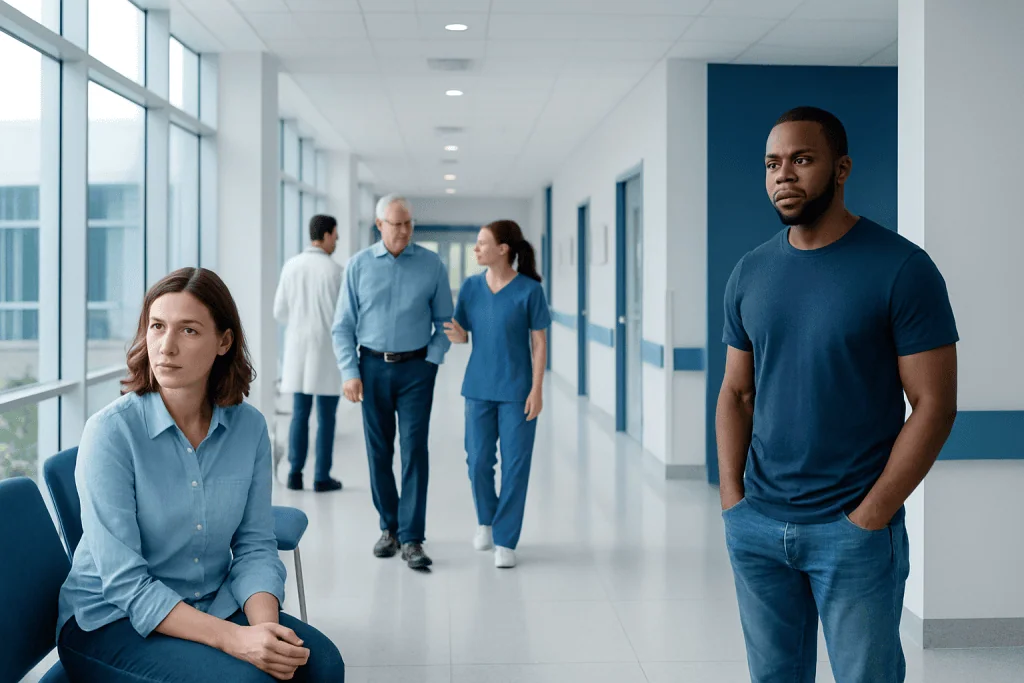
Short-term stress can be useful, but ongoing stress may place extra strain on the body. Common physical signs include headaches, muscle tension, fatigue, digestive changes, sleep problems, and a racing heartbeat.
Key Takeaways
- Short-term stress can be useful, but ongoing stress may place extra strain on the body.
- Common physical signs include headaches, muscle tension, fatigue, digestive changes, sleep problems, and a racing heartbeat.
- Chronic stress can contribute to unhealthy habits and may worsen existing conditions such as high blood pressure, diabetes, migraine, or gastrointestinal disorders.
- Effective stress management often combines sleep routines, physical activity, relaxation techniques, social support, and practical problem-solving.
- Medical advice is recommended when stress symptoms are persistent, severe, worsening, or linked with chest pain, fainting, self-harm thoughts, or major changes in daily life.
Stress is a normal human response, but when it is frequent or long-lasting, it can affect sleep, digestion, immunity, pain, heart health, and daily functioning. Recognizing physical stress signals early and using healthy coping strategies can help protect overall wellbeing.
Overview
Stress is the body’s response to a challenge, demand, or perceived threat. It can be triggered by work pressure, family responsibilities, financial concerns, illness, major life changes, or even positive events that require adjustment. In short bursts, stress can help a person focus, react quickly, and complete important tasks.
Stress becomes more concerning when it is frequent, intense, or difficult to recover from. The body is designed to return to a calmer state after a stressful moment. When that recovery does not happen, stress hormones and nervous system activity may remain elevated, which can affect physical health over time.
Stress is not a personal weakness, and it is not always possible to remove every source of pressure. However, people can learn to recognize their own stress patterns, reduce avoidable stressors, and build coping strategies that support both mental and physical wellbeing.
How Stress Affects the Body
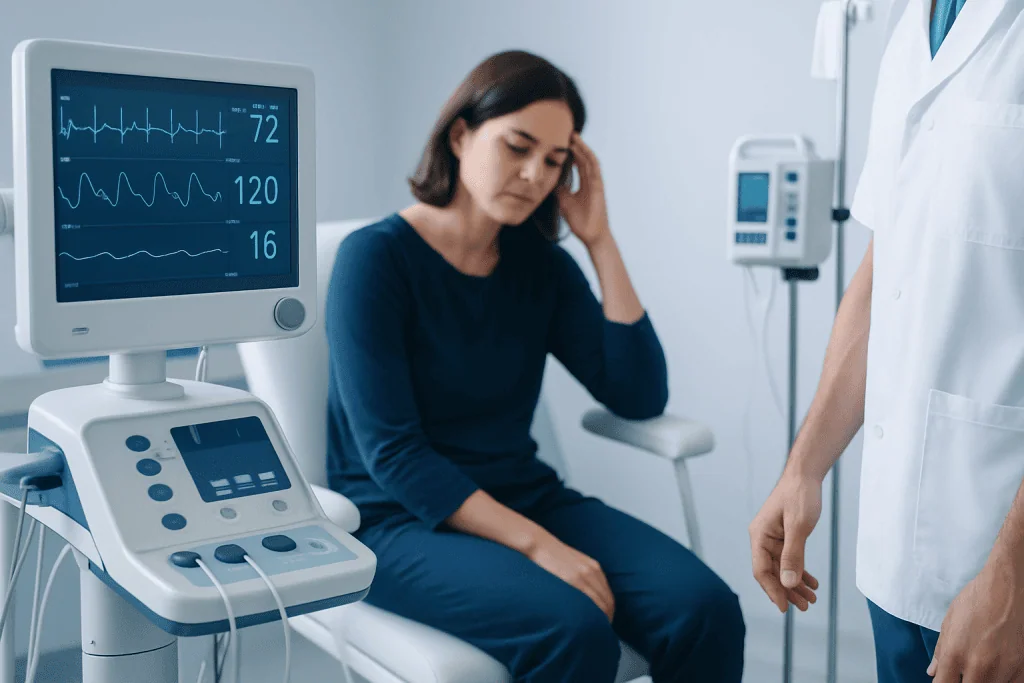
When the brain senses stress, it activates the sympathetic nervous system and the hypothalamic-pituitary-adrenal axis. This leads to the release of stress hormones such as adrenaline and cortisol. Heart rate and breathing may increase, muscles may tense, and energy stores may be mobilized so the person can respond to the situation.
These changes are helpful during acute stress, such as reacting to danger or meeting an urgent deadline. Problems can arise when the stress response stays active for long periods. The body may remain in a state of alertness, which can interfere with sleep, digestion, immune function, pain sensitivity, and blood pressure regulation.
Stress can also affect health indirectly by changing behavior. A person under pressure may sleep less, skip meals, eat more sugary or high-fat foods, move less, smoke, drink more alcohol, or delay medical care. These habits can increase the physical impact of stress, especially when they continue for weeks or months.
Physical and Emotional Signs of Stress
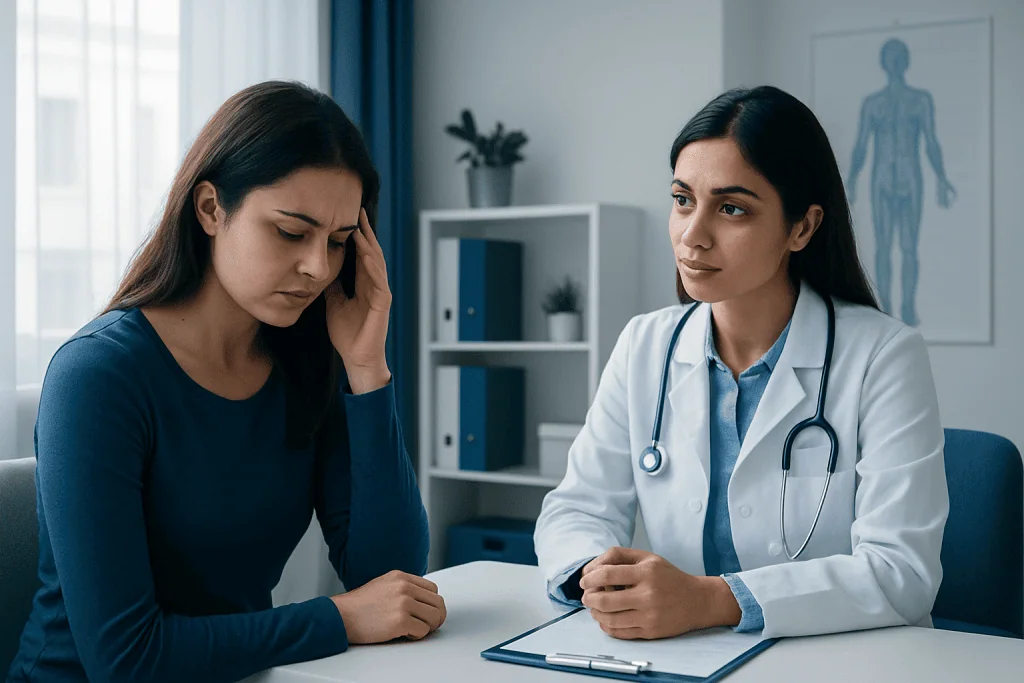
Stress symptoms vary from person to person. Some people notice emotional changes first, while others mainly experience physical discomfort. Symptoms may come and go, and they can be mistaken for unrelated health problems, which is why ongoing symptoms deserve attention.
Common physical signs of stress may include:
- Headaches, jaw clenching, neck pain, or muscle tension
- Fatigue, low energy, or feeling physically drained
- Sleep problems, including difficulty falling asleep or waking often
- Digestive symptoms such as nausea, stomach discomfort, diarrhea, constipation, or appetite changes
- Fast heartbeat, chest tightness, shallow breathing, sweating, or trembling
- More frequent colds or slower recovery from minor illnesses
- Skin flare-ups, hair shedding, or worsening of existing skin conditions
Emotional and cognitive signs may include irritability, feeling overwhelmed, low mood, anxiety, difficulty concentrating, forgetfulness, or reduced motivation. These symptoms do not always mean a serious illness is present, but they are important signals that the body and mind may need support.
Causes and Risk Factors
Stress can come from external pressures, internal expectations, or both. Common sources include demanding work schedules, caregiving responsibilities, relationship difficulties, school or exam pressure, financial uncertainty, relocation, grief, chronic illness, injury, and major transitions such as marriage, divorce, pregnancy, or retirement.
Some people may be more vulnerable to the physical effects of stress because of their circumstances or health history. Risk factors include poor sleep, limited social support, a history of trauma, ongoing pain, substance use, shift work, job insecurity, and living with chronic conditions such as heart disease, diabetes, asthma, migraine, irritable bowel syndrome, or autoimmune disease.
Personality and coping style can also influence stress levels. For example, perfectionism, difficulty setting boundaries, constant multitasking, or a tendency to ignore early symptoms may make stress harder to manage. These patterns can be changed gradually with awareness, practical tools, and support when needed.
Health Risks Linked With Chronic Stress
Chronic stress does not affect everyone in the same way, and it is rarely the only cause of a medical condition. However, ongoing stress may contribute to inflammation, hormonal changes, sleep disruption, and behaviors that increase health risks. It may also worsen symptoms in people who already have a diagnosed condition.
Long-term stress may be associated with higher blood pressure, palpitations, tension headaches, migraine flares, gastrointestinal symptoms, changes in blood sugar control, and increased pain sensitivity. It can also affect reproductive and sexual health by contributing to menstrual changes, reduced libido, or difficulties related to intimacy.
Stress can influence immune function, but this does not mean a person will automatically become ill. Rather, the body may have fewer resources for recovery when rest, nutrition, and emotional balance are consistently disrupted. Addressing stress is therefore an important part of preventive care, alongside regular check-ups, healthy eating, movement, and management of existing medical conditions.
Diagnosis and Medical Evaluation
There is no single test that diagnoses stress. A healthcare professional usually begins by asking about symptoms, sleep, mood, work and home pressures, lifestyle habits, medications, alcohol or substance use, and any existing medical conditions. The goal is to understand both the stress load and whether another condition may be contributing to symptoms.
Depending on the symptoms, a doctor may check blood pressure, heart rate, weight changes, thyroid function, blood sugar, iron levels, vitamin levels, or other markers. For chest discomfort, fainting, severe shortness of breath, persistent palpitations, or neurological symptoms, more urgent evaluation may be needed to rule out medical causes.
Screening tools for anxiety, depression, burnout, or sleep disorders may also be used. This does not mean symptoms are imaginary. Physical and emotional health are closely connected, and identifying both medical and psychosocial factors helps guide safer, more effective care.
Coping Strategies and Treatment Options
Stress management works best when it is realistic and personalized. A helpful first step is to identify stress triggers and physical warning signs. Some people benefit from writing down stressful situations, symptoms, sleep patterns, caffeine or alcohol intake, and coping responses for one or two weeks. This can reveal patterns that are easier to change.
Evidence-informed coping strategies include regular physical activity, relaxation breathing, mindfulness, progressive muscle relaxation, time outdoors, consistent sleep routines, and planned breaks during the day. Even short periods of movement or slow breathing can help the nervous system shift toward a calmer state. Balanced meals, hydration, and limiting excess caffeine or alcohol can also support resilience.
Practical problem-solving is equally important. This may involve prioritizing tasks, breaking large responsibilities into smaller steps, setting boundaries, asking for help, discussing workload concerns, or scheduling recovery time after demanding periods. Social connection is protective; talking with trusted friends, family, support groups, or community resources can reduce the sense of carrying stress alone.
When stress is linked with anxiety, depression, trauma, panic attacks, or burnout, professional support can be very helpful. Psychological therapies such as cognitive behavioral therapy, stress management counseling, or trauma-informed therapy may be recommended. Medication may be appropriate for some people, but it should be discussed with a qualified clinician who can consider symptoms, health history, and possible side effects.
Prevention, Self-care, and When to See a Doctor
Preventing stress-related health problems does not require a perfect lifestyle. Small, consistent habits often make the biggest difference. A regular sleep and wake schedule, daily movement, balanced nutrition, time for meaningful relationships, and moments of quiet recovery can help the body reset after stress. It is also useful to notice early warning signs, such as irritability, headaches, stomach upset, or poor sleep, before symptoms become harder to manage.
A person should seek medical advice if stress symptoms persist for several weeks, interfere with work or relationships, worsen an existing health condition, or lead to frequent use of alcohol, sedatives, or other substances to cope. Prompt care is important for chest pain, fainting, severe shortness of breath, sudden weakness, confusion, thoughts of self-harm, or feeling unable to stay safe.
People with chronic conditions should mention stress during routine appointments because it can affect treatment plans and symptom control. International patients can access evaluation and care through multidisciplinary specialists at Acibadem International’s JCI-accredited hospitals, where physical symptoms and emotional wellbeing can be assessed together when appropriate.
Frequently asked questions
Can stress really cause physical symptoms?
Yes. Stress activates the nervous system and hormone pathways that can affect heart rate, breathing, muscle tension, digestion, sleep, and pain sensitivity. Physical symptoms are real, even when stress is an important trigger.
How can someone tell the difference between stress and a medical problem?
It is not always possible to tell without a medical evaluation. Stress can mimic or worsen medical conditions, and medical conditions can increase stress. Persistent, severe, new, or unusual symptoms should be discussed with a healthcare professional.
What is the fastest way to calm the body during stress?
Slow breathing, grounding techniques, a brief walk, stretching, or stepping away from the situation for a few minutes may help the body reduce its alert response. These techniques do not remove every stressor, but they can make symptoms feel more manageable in the moment.
Does chronic stress increase the risk of heart problems?
Chronic stress may contribute to higher blood pressure, poor sleep, inflammation, and unhealthy coping habits, all of which can affect heart health. It is one part of overall cardiovascular risk, along with age, family history, smoking, cholesterol, diabetes, weight, and activity level.
Can exercise help with stress-related physical symptoms?
Regular physical activity can help regulate stress hormones, improve sleep, reduce muscle tension, and support mood. The best activity is one that is safe, enjoyable, and sustainable, such as walking, swimming, cycling, yoga, or gentle strength training.
When should someone seek urgent help for stress symptoms?
Urgent medical help is needed for chest pain, fainting, severe breathing difficulty, sudden weakness, confusion, or symptoms that feel dangerous or unusual. Immediate support is also important if a person has thoughts of self-harm or feels unable to stay safe.
References
- World Health Organization
- American Psychological Association
- National Institute of Mental Health
- Centers for Disease Control and Prevention
- Mayo Clinic
This article is for general information only and is not a substitute for professional medical advice. Please consult a qualified doctor about your individual situation.
Heart care in Turkey — expert evaluation and treatment
JCI-accredited · board-certified surgeons · reply within 24h
Check your numbers in seconds
BMI, calories, due date, blood pressure and 30+ more clinical calculators — free, instant, doctor-reviewed ranges.

More from the Health Library

Related Specialists

Dr. Mehmet Beşir Sürme
Neurosurgery
Prof. Dr. Yavuz Baykal
Internal Medicine
Prof. Dr. Metin Türkmen
Orthopedic Surgery & Traumatology
Prof. Dr. Burak Çıtamak
Urology