Sucking Chest Wound: What Patients Need to Know

A sucking chest wound is an open chest injury that can draw air through the wound with each breath. This type of injury can cause breathing difficulty, chest pain, and signs of shock.
Key Takeaways
- A sucking chest wound is an open chest injury that can draw air through the wound with each breath.
- This type of injury can cause breathing difficulty, chest pain, and signs of shock.
- Immediate emergency care is essential; first aid focuses on calling emergency services and covering the wound appropriately.
- Hospital treatment may include oxygen, chest imaging, a chest tube, surgery, and close monitoring.
- Anyone with a penetrating chest injury should be assessed urgently, even if symptoms seem mild at first.
A sucking chest wound is an open injury to the chest wall that allows air to move through the wound during breathing. It is a medical emergency because it can interfere with normal lung function and may lead to a collapsed lung or other life-threatening complications if not treated quickly.
Overview
A sucking chest wound is an open injury in the chest wall that allows air to pass through the wound during breathing. This can disturb the normal pressure inside the chest that helps the lungs expand. As a result, the affected lung may not fully inflate, and serious breathing problems can develop quickly.
In many cases, this injury happens after penetrating trauma, such as a stab wound, gunshot wound, or severe accident involving a sharp object. The term “sucking” refers to the sound that may sometimes be heard as air moves in and out of the opening. However, not every person will have an obvious sound, so the diagnosis depends on the full clinical picture rather than one sign alone.
A sucking chest wound is considered a medical emergency. It may lead to an pneumothorax (collapsed lung), bleeding inside the chest, low oxygen levels, or a dangerous buildup of pressure around the lung. Early recognition, first aid, and rapid hospital care can reduce complications and support recovery.
How a Sucking Chest Wound Affects Breathing
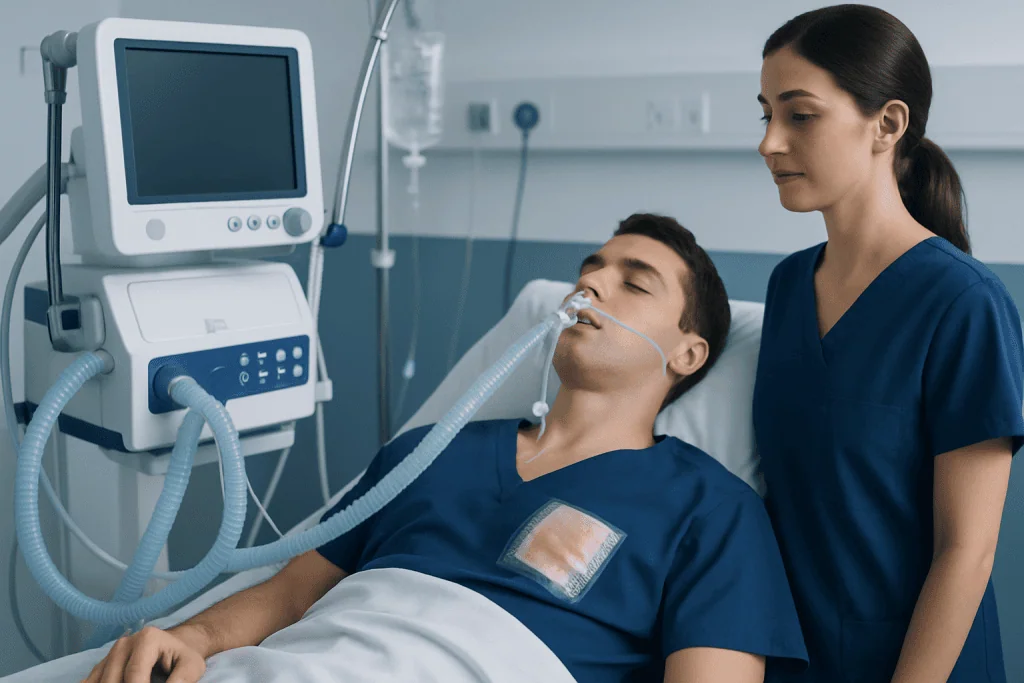
To understand why this injury is serious, it helps to know how normal breathing works. The lungs sit inside the chest cavity, and a sealed space around them helps create pressure changes that allow the lungs to expand with each breath. When there is a hole in the chest wall, air may enter through that opening instead of moving only through the nose, mouth, and airways.
If enough air enters the chest through the wound, the affected lung can partially or fully collapse. In some cases, air becomes trapped and cannot escape, creating rising pressure inside the chest. This can push on the heart and the other lung, reducing blood flow and making breathing more difficult. This emergency is often called a tension pneumothorax.
A sucking chest wound may also occur along with rib fractures, bruising of the lung, bleeding, or injury to nearby organs. Because chest trauma can involve more than one problem at the same time, doctors assess both the wound itself and the overall function of the lungs, heart, and circulation.
Symptoms and Signs

Symptoms can appear immediately or worsen over a short period of time. The most common concern is breathing difficulty, which may range from mild shortness of breath to severe respiratory distress. People often have chest pain, especially with breathing, speaking, or coughing.
Other signs may include a visible hole or penetrating wound in the chest, bubbling of blood at the wound site, a sucking sound, fast breathing, rapid heartbeat, anxiety, bluish lips or fingertips, or pale, clammy skin. Some people feel lightheaded or confused if oxygen levels drop or blood loss occurs.
Serious symptoms suggest that the injury may be affecting circulation as well as breathing. These include increasing breathlessness, one side of the chest moving less than the other, swelling under the skin from trapped air, fainting, or signs of shock.
- Shortness of breath or labored breathing
- Chest pain
- Open wound in the chest
- Foamy or bubbling blood at the wound
- Fast pulse, weakness, or dizziness
- Blue or gray discoloration of lips or skin
Causes, Risk Factors, and Immediate First Aid
The main cause of a sucking chest wound is penetrating trauma to the chest. This can happen in motor vehicle accidents, falls onto sharp objects, workplace injuries, assaults, sports trauma, or other events where the chest wall is pierced. In rare situations, certain medical procedures can also cause air to enter the chest, but the classic sucking chest wound involves an external opening.
Risk factors are linked more to the type of injury exposure than to a person’s health history. Any situation involving high-speed impact, sharp tools, weapons, or hazardous environments can increase the chance of serious chest trauma. Because internal injury is not always visible from the outside, even a small wound can be dangerous.
Immediate first aid should focus on getting emergency help and supporting breathing while waiting for professionals. A bystander should call emergency services right away, keep the person as still and calm as possible, and watch for worsening distress. If trained to do so, a chest seal or other vented occlusive dressing may be placed over the wound according to first-aid guidance. If proper emergency supplies are not available, the wound should not be probed, and any object stuck in the chest should not be removed. Monitoring the person’s breathing until help arrives is essential.
Because incorrect wound management can sometimes worsen trapped air, first aid advice may vary by local emergency protocols and the rescuer’s level of training. The safest general message is to seek emergency care immediately, avoid delaying transport, and let trauma professionals manage the injury as soon as possible.
Diagnosis in the Emergency Setting
Doctors diagnose a sucking chest wound based on the injury history, physical examination, and urgent assessment of breathing and circulation. In emergency care, the first priority is not extensive testing but stabilization. The team checks the airway, breathing, oxygen levels, blood pressure, pulse, and visible injuries.
Physical findings may suggest a collapsed lung, internal bleeding, or associated rib and soft-tissue injuries. After the patient is stable enough, imaging studies can help confirm the extent of damage. A chest X-ray is often used first, and bedside ultrasound may quickly identify air or blood in the chest. In some cases, a CT scan provides a more detailed view of the lungs, chest wall, and nearby structures.
Blood tests may be used to evaluate oxygenation, blood loss, and overall condition, but they do not replace urgent treatment. If another chest injury is suspected, clinicians may also evaluate for conditions such as hemothorax, where blood collects in the chest cavity. Rapid diagnosis helps guide the next steps and reduce the risk of complications.
Treatment Options
Treatment depends on the size and location of the wound, the person’s breathing status, and whether there are associated injuries. In the emergency department, care often begins with oxygen, wound management, monitoring, pain control, and treatment of shock if present. If the lung has collapsed or air or blood is building up in the chest, the team may place a chest tube to remove air or fluid and allow the lung to re-expand.
Some patients need surgery to repair the chest wall, stop bleeding, or treat damage to the lung or surrounding structures. Surgical decisions depend on how stable the patient is and whether the injury affects major blood vessels, the diaphragm, or other organs. In severe trauma, care may involve emergency medicine, thoracic surgery, intensive care, and imaging specialists working together.
After initial stabilization, follow-up care focuses on lung recovery, wound healing, and preventing complications such as infection or recurrent lung collapse. Depending on the injury pattern, the care team may recommend thoracic surgery or advanced evaluation with computed tomography (CT) when appropriate. Recovery time varies widely, but close medical supervision is important until breathing and chest imaging improve.
For international patients who need complex trauma-related chest care, Acibadem International’s multidisciplinary specialists in JCI-accredited hospitals evaluate and treat these conditions using coordinated emergency, imaging, surgical, and follow-up services.
Recovery, Possible Complications, and Self-care After Treatment
Recovery after a sucking chest wound depends on the severity of the injury and whether there were complications such as a collapsed lung, bleeding, infection, or additional organ damage. Some people recover after a short hospital stay, while others need longer monitoring, surgery, or intensive care. Fatigue, soreness, and reduced stamina are common in the early recovery period.
Potential complications include recurrent pneumothorax, retained blood in the chest, wound infection, pneumonia, chronic pain, and scarring. Follow-up appointments help doctors confirm that the lung has re-expanded and that breathing is improving. Imaging may be repeated to make sure no delayed problems are developing.
Self-care after discharge usually includes taking prescribed medicines as directed, following wound-care instructions, avoiding smoking, and gradually returning to activity based on medical advice. Breathing exercises or pulmonary rehabilitation may be recommended in some cases. Any new chest pain, fever, worsening shortness of breath, or drainage from the wound should be reported promptly.
When to Seek Medical Care
A sucking chest wound always requires immediate emergency medical attention. Anyone with a penetrating injury to the chest, even if the opening looks small or the person is still talking, should be treated as an emergency. Symptoms can worsen rapidly as air or blood builds up inside the chest.
Emergency help should be called right away if there is shortness of breath, chest pain, a visible chest wound, bubbling blood, bluish skin, fainting, confusion, or signs of shock. A person should not drive themselves if severe injury is suspected. While waiting for help, keeping the person calm and minimizing movement may help reduce stress on breathing.
After hospital treatment, medical review is also important if symptoms return or change. Recurrent shortness of breath, increasing pain, fever, cough, dizziness, or swelling around the wound can signal a complication. Prompt reassessment gives the best chance of early treatment and safer recovery.
Frequently asked questions
Is a sucking chest wound the same as a collapsed lung?
Not exactly. A sucking chest wound is an open injury in the chest wall, while a collapsed lung, or pneumothorax, is one possible result of that injury. A person with a sucking chest wound may develop a collapsed lung, but the terms do not mean the same thing.
What usually causes a sucking chest wound?
It is most often caused by penetrating trauma, such as a stab wound, gunshot wound, or an accident involving a sharp object. Severe trauma from crashes or falls can also cause this type of injury. Any chest wound with breathing difficulty should be treated urgently.
What should someone do first if they suspect a sucking chest wound?
The first step is to call emergency services immediately. The injured person should be kept as calm and still as possible while breathing is observed closely. If a trained responder has appropriate supplies, they may apply a chest seal according to emergency guidance.
Can a person survive a sucking chest wound?
Yes, survival is possible, especially when emergency care is given quickly. Outcomes depend on how severe the injury is, how fast treatment begins, and whether major organs or blood vessels are involved. Rapid first aid and hospital treatment are very important.
Will every sucking chest wound need surgery?
Not always. Some patients can be treated with oxygen, wound care, monitoring, and a chest tube if needed. Surgery is more likely when there is significant bleeding, major tissue damage, or injury to the lung or nearby structures.
How long does recovery take?
Recovery can take days to weeks, and sometimes longer if the injury is severe or complications occur. Healing time depends on the size of the wound, whether the lung collapsed, and whether surgery was required. Follow-up visits help make sure recovery is progressing safely.
References
- American College of Surgeons
- Centers for Disease Control and Prevention
- National Institutes of Health
- Mayo Clinic
- Merck Manual Consumer Version
This article is for general information only and is not a substitute for professional medical advice. Please consult a qualified doctor about your individual situation.
Explore treatments in Turkey — costs, top hospitals & a free quote
JCI-accredited · board-certified surgeons · reply within 24h