

Tumor Heart Cancer: Symptoms, Causes, and Treatment Options

Tumor heart cancer is uncommon, and many heart tumors are not cancerous. Cancers involving the heart may begin there or spread from another organ.
Key Takeaways
- Tumor heart cancer is uncommon, and many heart tumors are not cancerous.
- Cancers involving the heart may begin there or spread from another organ.
- Symptoms often relate to how the tumor affects blood flow, heart rhythm, or the heart lining.
- Echocardiography, CT, MRI, and biopsy may be used to confirm the diagnosis.
- Treatment depends on the tumor type, location, spread, and the person’s overall health.
- New or unexplained chest symptoms, breathlessness, fainting, or swelling should be assessed by a doctor.
Tumor heart cancer usually refers to a rare cancer that starts in the heart or, more often, cancer that spreads to the heart from another part of the body. Symptoms vary but can include shortness of breath, chest discomfort, palpitations, fatigue, or swelling, and diagnosis typically relies on heart imaging and specialist evaluation.
Overview: What Tumor Heart Cancer Means
Tumor heart cancer is a general term people may use for a cancerous growth in or around the heart. In medical practice, doctors usually distinguish between primary cardiac tumors, which start in the heart itself, and secondary tumors, which spread to the heart from another cancer elsewhere in the body. Primary heart cancers are very rare, while spread to the heart is more common than a cancer beginning there.
Not every heart tumor is cancer. In fact, many heart tumors are benign, meaning they do not invade nearby tissues or spread to distant organs. Even so, benign tumors can still cause important health problems if they block blood flow, interfere with the heart valves, or affect the heart’s electrical system. This is why any suspected heart mass needs careful medical assessment.
The symptoms and outlook depend less on the name alone and more on the tumor’s size, location, growth pattern, and whether it is benign or malignant. Some people have no symptoms at first, and a tumor is found during imaging for another reason. Others develop symptoms because the tumor presses on heart structures, causes fluid around the heart, or triggers abnormal heart rhythms.
Because these conditions can overlap with other heart diseases and cancer-related problems, diagnosis often involves both cardiology and oncology specialists. A coordinated approach helps clarify whether the issue is a primary heart cancer, a noncancerous cardiac tumor, or cancer that has spread to the heart.
Symptoms and Possible Warning Signs
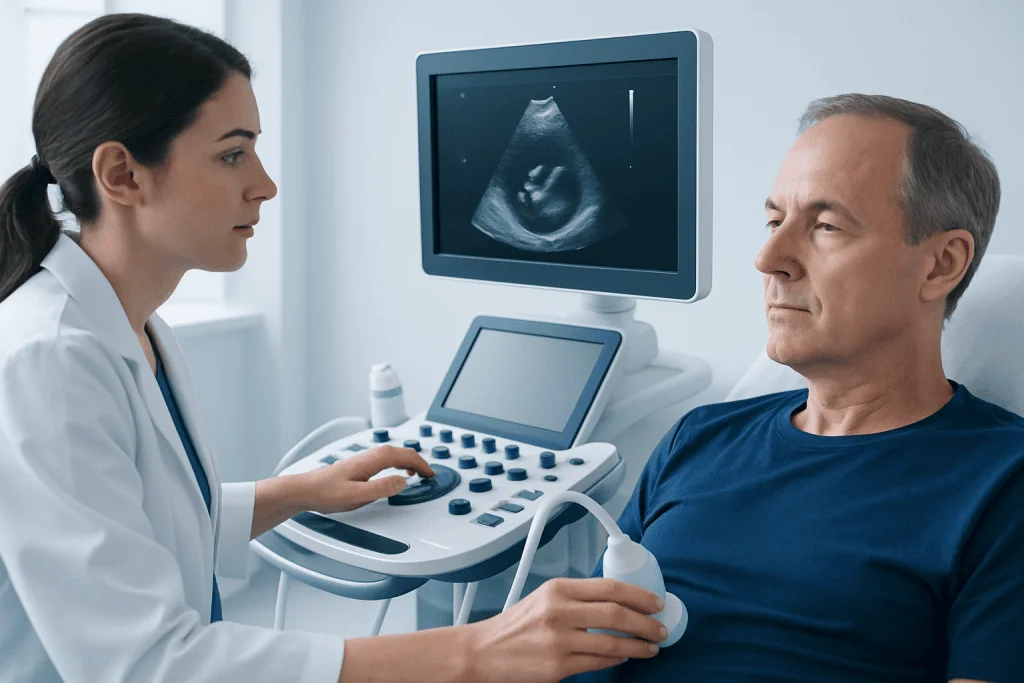
Symptoms of tumor heart cancer can be vague at first and may resemble other heart or lung conditions. Some people notice shortness of breath during activity or when lying flat, unusual tiredness, chest discomfort, swelling in the legs or abdomen, dizziness, or a racing or irregular heartbeat. If fluid collects around the heart, symptoms may progress more quickly.
The pattern of symptoms often depends on where the tumor is located. A tumor inside a heart chamber may partly block blood flow and cause fainting, breathlessness, or reduced exercise tolerance. A tumor involving the heart lining or muscle may lead to chest pain, fluid around the heart, or arrhythmias. If a valve is affected, symptoms can resemble valve disease.
Some tumors can release tiny fragments or promote clot formation, which may increase the risk of embolism. This can lead to sudden symptoms such as stroke-like changes, limb pain, or reduced blood flow to another organ. These situations are urgent and need prompt medical attention.
- Shortness of breath or reduced stamina
- Chest pressure, discomfort, or pain
- Palpitations or an irregular heartbeat
- Fainting, near-fainting, or dizziness
- Swelling in the legs, abdomen, or neck veins
- Unexplained weight loss, fever, or fatigue
Types, Causes, and Risk Factors
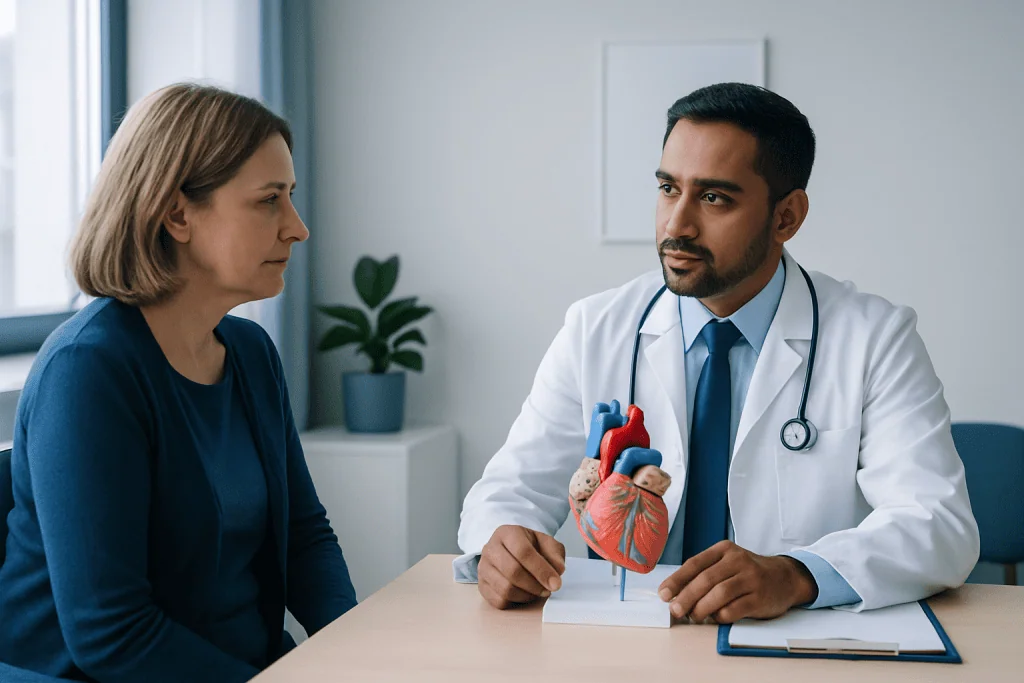
Doctors classify heart tumors by where they start and whether they are benign or malignant. Common benign tumors include myxomas, lipomas, and papillary fibroelastomas. Malignant primary tumors are much less common and may include sarcomas such as angiosarcoma or undifferentiated pleomorphic sarcoma, as well as rare primary cardiac lymphomas.
Secondary involvement of the heart is more common than primary heart cancer. Cancers of the lung, breast, blood, skin, kidney, or esophagus may spread to the heart directly, through the bloodstream, or through the lymphatic system. This means a person with known cancer who develops new cardiac symptoms may need assessment for possible heart involvement.
In most cases, there is no single clear cause of a primary malignant heart tumor. As with many cancers, disease develops because cells begin to grow abnormally and escape the usual controls that limit growth. Certain inherited syndromes are linked to some benign cardiac tumors, but most people with a heart tumor do not have a family history.
Risk factors for tumors affecting the heart often reflect the risk of cancer more broadly, especially for secondary tumors. A prior diagnosis of cancer is one of the most important risk factors for cancer spread to the heart. Doctors also consider age, overall health, immune status, and whether symptoms may be related to another condition rather than a tumor.
How Doctors Diagnose Tumor Heart Cancer
Diagnosis usually starts with a medical history, physical examination, blood tests, and heart imaging. If a doctor suspects a mass in or around the heart, echocardiography is often the first test because it can show the heart chambers, valves, pumping function, and whether fluid is present around the heart. Both transthoracic and transesophageal echocardiography may be used depending on the situation.
Cardiac MRI and CT can provide more detailed information about the tumor’s size, exact location, relation to nearby structures, and features that may suggest a benign or malignant process. In many cases, imaging also helps doctors plan treatment and determine whether the mass can be safely removed. These tests may be part of a broader cardiac imaging workup.
If there is concern that the heart tumor may be part of a wider cancer process, doctors may also use body imaging to look for disease elsewhere. This can include chest imaging, abdominal imaging, or other tests based on the person’s symptoms and cancer history. Specialists may also evaluate heart rhythm changes with an ECG or ambulatory monitoring.
A definite diagnosis sometimes requires tissue analysis. When safe and appropriate, doctors may obtain a biopsy or examine tissue after surgery. Because procedures on the heart carry important considerations, decisions about biopsy are individualized and made by a multidisciplinary team that weighs the need for certainty against procedural risk.
Treatment Options and Care Planning
Treatment for tumor heart cancer depends on whether the tumor is benign or malignant, primary or secondary, localized or widespread, and whether it is causing urgent symptoms. In some cases, surgery is recommended to remove a tumor that is blocking blood flow, affecting a valve, causing repeated emboli, or threatening heart function. Surgical planning is highly individualized because the heart’s anatomy is complex and the goal is to preserve cardiac function.
For benign tumors that can be removed safely, surgery may be curative. For malignant primary tumors, surgery may still play a role, but complete removal is not always possible. Some people may also need cardiovascular surgery as part of treatment to restore function or address complications caused by the tumor.
Systemic cancer treatment may be used for malignant tumors, especially when the disease has spread or surgery is not feasible. Depending on the tumor type, this can include chemotherapy, targeted therapy, immunotherapy, or radiation therapy. If the tumor represents spread from another cancer, treatment is usually directed at the underlying cancer type as well as the cardiac effects.
Supportive care is also important. Doctors may treat arrhythmias, fluid buildup, pain, breathlessness, or heart failure symptoms while the main treatment plan is being developed. In selected situations, interventional procedures may be needed to drain fluid around the heart or relieve pressure. When a person also has lung cancer or another known malignancy, close coordination between oncology and cardiology teams helps tailor care safely.
Living With the Condition: Monitoring, Recovery, and Self-care
Living with a heart tumor or heart-related cancer diagnosis can involve ongoing monitoring, even after treatment. Follow-up visits often include repeat imaging to check for recurrence, growth, or changes in heart function. The exact schedule depends on the tumor type and the treatment used.
Day-to-day self-care focuses on supporting heart health and noticing changes early. People are often advised to take medicines exactly as prescribed, attend all follow-up appointments, and report new symptoms such as worsening breathlessness, swelling, fainting, fever, or palpitations. Rest, balanced nutrition, hydration, and gradual activity within a doctor’s guidance can also support recovery.
Emotional support matters as much as physical care. Rare diagnoses can feel isolating, especially when symptoms are unpredictable or the treatment plan involves several specialists. Many people benefit from clear explanations, practical support from family, and help from counseling or patient-support services.
There is no guaranteed way to prevent a primary heart cancer. Still, general cancer prevention and heart-health measures remain sensible, including avoiding tobacco, keeping regular medical appointments, and managing existing conditions. For patients receiving cancer therapy, doctors may also watch for cardiovascular effects and use cardio-oncology support when appropriate.
When to Seek Medical Care
Medical attention is important if symptoms suggest a possible problem affecting the heart. A person should contact a doctor if they develop unexplained shortness of breath, repeated palpitations, swelling of the legs or abdomen, chest discomfort, reduced exercise tolerance, or persistent fatigue that does not improve. These symptoms do not always mean tumor heart cancer, but they do deserve evaluation.
Urgent care is needed for severe chest pain, fainting, sudden shortness of breath, blue lips, confusion, signs of stroke, or a very rapid or irregular heartbeat with weakness or dizziness. These symptoms can occur with several serious heart conditions and should not be ignored.
People who already have cancer should mention any new cardiac symptoms promptly, since heart involvement can sometimes develop during the course of another cancer. Likewise, anyone with a newly discovered heart mass should be assessed by specialists who can determine whether the tumor is benign, malignant, or related to disease elsewhere in the body.
Near the end of the care pathway, some patients may seek opinions from centers with both cardiology and oncology expertise. Acibadem International’s multidisciplinary specialists and JCI-accredited hospitals diagnose and treat complex heart and cancer conditions for international patients, with treatment plans guided by the individual diagnosis and overall health status.
Frequently asked questions
Is tumor heart cancer common?
No. Cancer that starts in the heart is very rare. Tumors involving the heart are more often benign or caused by cancer spreading from another part of the body.
What are the first symptoms of tumor heart cancer?
Early symptoms can include shortness of breath, fatigue, palpitations, chest discomfort, or swelling. Some people have no symptoms at first, and the tumor is found during imaging for another reason.
Can a heart tumor be benign instead of cancerous?
Yes. Many heart tumors are benign, meaning they are not cancer. Even benign tumors may still need treatment if they block blood flow, affect a valve, or cause rhythm problems.
How is tumor heart cancer diagnosed?
Doctors usually begin with echocardiography and may add CT or MRI to better define the mass. In some cases, biopsy or surgical tissue analysis is needed to confirm exactly what type of tumor is present.
Can tumor heart cancer be treated?
Yes, treatment is possible, but it depends on the type of tumor, where it is located, and whether it has spread. Options may include surgery, cancer medicines, radiation therapy, and supportive cardiac care.
Does every heart tumor require surgery?
No. Surgery is often considered when a tumor is causing symptoms, blocking blood flow, or can be safely removed. Some tumors are managed with medication, cancer treatment, monitoring, or a combination of approaches.
When should someone worry about symptoms?
A person should seek medical advice for unexplained breathlessness, palpitations, swelling, fainting, or persistent chest discomfort. Emergency care is needed for severe chest pain, sudden shortness of breath, fainting, stroke-like symptoms, or extreme weakness.
References
- American Heart Association
- National Cancer Institute
- National Organization for Rare Disorders
- European Society of Cardiology
- Mayo Clinic
This article is for general information only and is not a substitute for professional medical advice. Please consult a qualified doctor about your individual situation.
Heart care in Turkey — expert evaluation and treatment
JCI-accredited · board-certified surgeons · reply within 24h

More from the Health Library



Related Specialists

Prof. Dr. H. Armağan Arıcan
Radiation Oncology
Dr. Elif Demir
Gynecology & Obstetrics
Dr. Evrim Çeliker Yapıcı
Neonatal Intensive Care Unit
Dr. Aynur Göksel
Physical Medicine and Rehabilitation