Uv Treatment: How It Works, Results and What to Expect
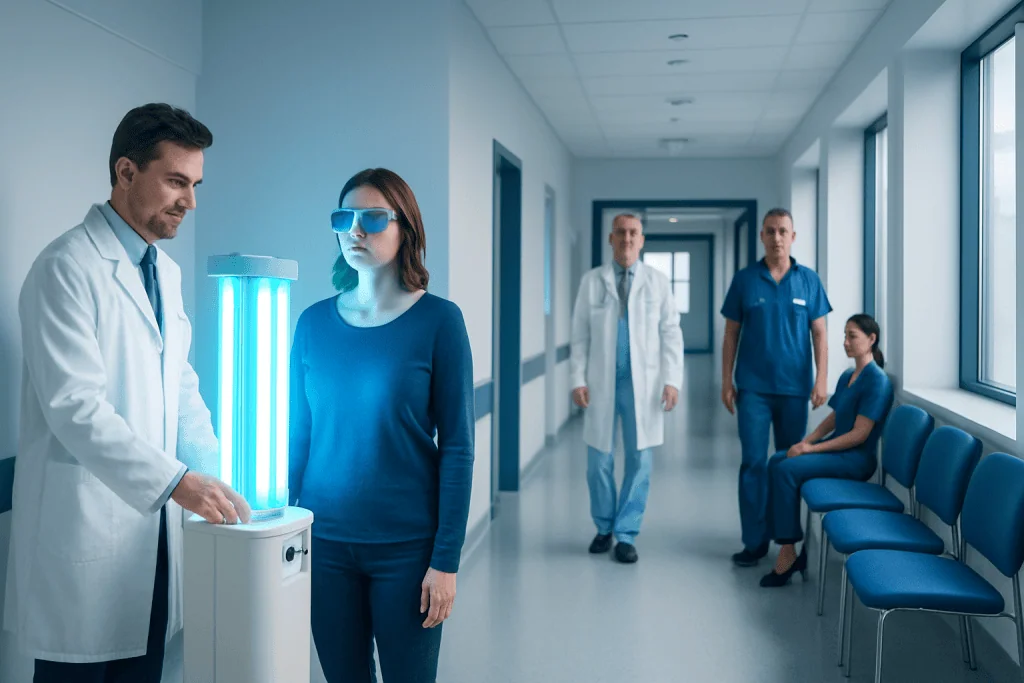
UV treatment uses specific ultraviolet wavelengths to damage the genetic material of microorganisms or to influence inflammation in the skin. UV water treatment disinfects water but does not remove chemicals, particles, salts or other dissolved contaminants.
Key Takeaways
- UV treatment uses specific ultraviolet wavelengths to damage the genetic material of microorganisms or to influence inflammation in the skin.
- UV water treatment disinfects water but does not remove chemicals, particles, salts or other dissolved contaminants.
- Medical phototherapy may help conditions such as psoriasis, eczema and vitiligo when prescribed and monitored by a dermatologist.
- Results from UV light therapy usually develop gradually over a series of planned sessions rather than after one treatment.
- Both water systems and medical phototherapy require correct equipment, maintenance and professional guidance for safe use.
UV treatment can refer to ultraviolet disinfection for water or medically supervised ultraviolet light therapy for certain skin conditions. The method, expected results and safety considerations differ substantially depending on its purpose.
UV Treatment Meaning: Two Different Uses of Ultraviolet Light
UV treatment means using ultraviolet (UV) light for a defined purpose. Most commonly, the term refers either to UV disinfection of water or to UV light therapy, also called phototherapy, used by dermatologists to manage selected inflammatory or pigment-related skin conditions. Although both use ultraviolet energy, they are different applications with different equipment, goals and safety requirements.
In water systems, UV treatment is intended to reduce bacteria, viruses and certain parasites by preventing them from reproducing. In clinical skin care, controlled doses of UVA or UVB light can alter immune activity in the skin and may slow abnormal skin-cell growth. Medical phototherapy is not the same as sunlight exposure, tanning beds or home lamps used without specialist advice.
This article explains both meanings because people searching for “UV treatment” may be considering a water purifier, wastewater disinfection system or dermatologist-guided light treatment. The appropriate option depends on the problem being addressed, the quality of the equipment and, for skin conditions, an individual medical assessment.
How UV Treatment Works
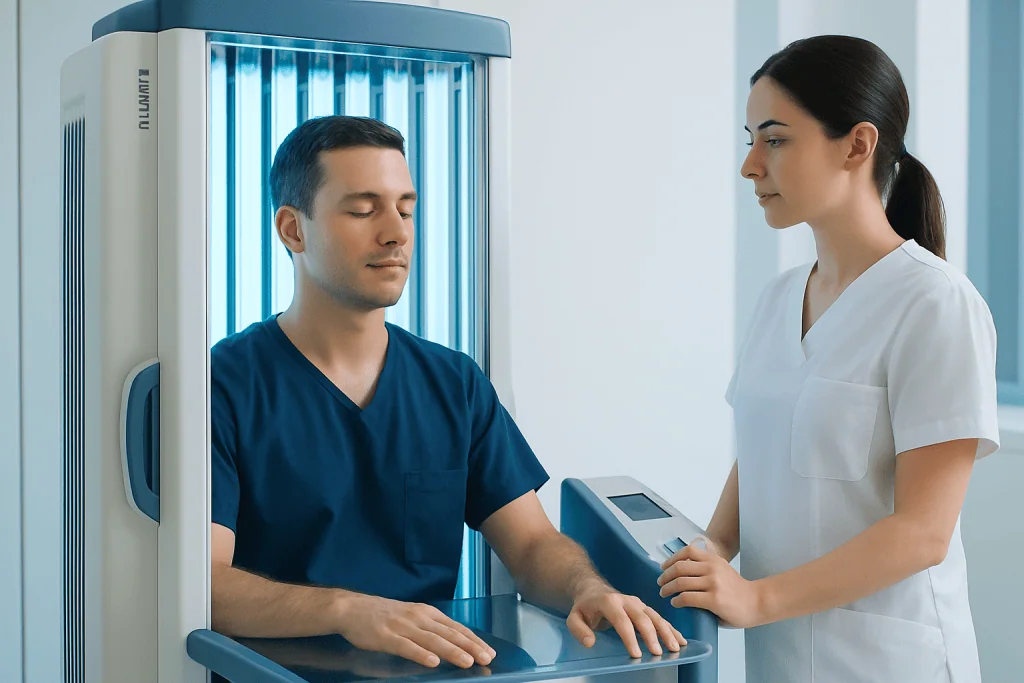
UV water treatment works by exposing flowing water to ultraviolet light within a chamber. The light, commonly UV-C in disinfection equipment, can damage the DNA or RNA of microorganisms. This prevents susceptible organisms from multiplying and causing infection. UV treatment of wastewater can also be used after other treatment stages to reduce microorganisms before discharge or reuse, depending on local regulations and the system design.
UV treatment does not act like a filter. It does not physically remove sediment, reduce cloudiness, soften hard water, or reliably remove metals, chemical pollutants, salts and dissolved substances. For this reason, many systems use prefiltration before UV disinfection. Clearer water allows UV light to reach microorganisms more effectively.
Medical UV light therapy uses carefully selected wavelengths, most often narrowband UVB or UVA combined with a light-sensitizing medicine in selected cases. The dermatologist chooses the approach based on the diagnosis, skin type, severity, previous treatments and relevant health history. Controlled exposure may reduce inflammation, relieve itching and help normalize excessive skin-cell turnover.
Phototherapy can be considered for conditions such as psoriasis, eczema and vitiligo when topical treatments alone are insufficient or unsuitable. It is usually delivered in a clinic-based light cabinet, with targeted devices for small areas or, in some cases, a properly supervised home unit.
Who May Be a Candidate for UV Light Therapy?
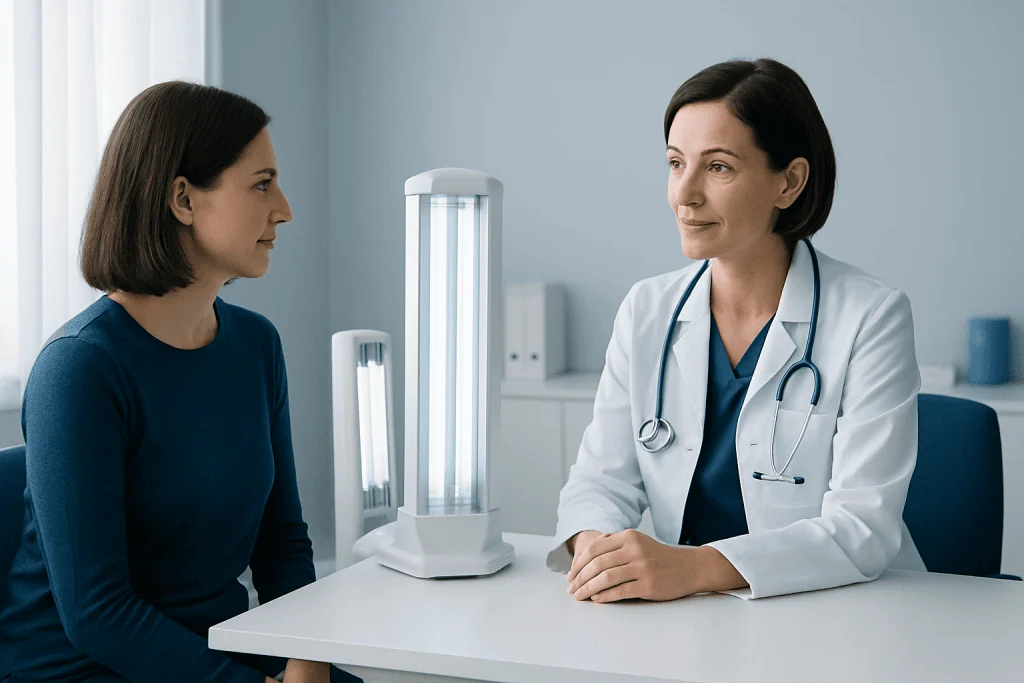
A dermatologist may consider UV light therapy for a person with moderate or widespread inflammatory skin disease, persistent itching, or a pigment disorder that has not responded adequately to simpler measures. The decision is individualized. A clinician will confirm the diagnosis, review where and how much skin is affected, and discuss practical factors such as the ability to attend regular sessions.
Phototherapy may be particularly useful when disease affects larger body areas, because applying topical medicines over extensive skin can be difficult. It may also be used alongside other treatments, although the combination must be planned carefully to avoid excess irritation or cumulative light exposure.
It may not be suitable for everyone. People with a history of certain skin cancers, unusual sensitivity to light, some inherited photosensitivity disorders, or use of medicines that increase light sensitivity need individualized assessment. Pregnancy, eye conditions and immune-suppressing treatment may also influence the plan. A person should tell the clinical team about all medicines, supplements, previous radiation treatment and any personal or family history of skin cancer.
UV water treatment is suitable only when the system is correctly sized for the flow rate and incoming water quality. It is not a substitute for investigating a potentially unsafe water supply or for following public-health advice during a water contamination emergency.
What Happens During UV Treatment?
For medical phototherapy, the first visit generally includes a skin assessment, review of medical history and explanation of expected benefits and risks. The care team may take photographs or document the extent of the condition to help assess progress. The clinician sets an initial exposure based on the diagnosis, skin response and protocol used by the treatment center.
During a whole-body session, the person stands in a light cabinet for a brief period while wearing protective goggles. Sensitive areas may be covered when they are not being treated. For hand, foot or scalp disease, a targeted device may be used instead. Sessions are usually repeated on a scheduled basis, commonly several times per week at the start, with exposure adjusted according to skin response.
A session itself is typically short, but the full appointment may include changing, preparation and skin review. Treatment courses often involve multiple visits. Missing sessions may affect progress and can require the exposure schedule to be adjusted for safety. It is important not to use tanning beds or additional UV sources to try to speed results.
With UV disinfection water systems, water passes through a chamber containing a protected UV lamp. The lamp and sleeve need regular inspection and cleaning, and lamps need replacement according to the manufacturer’s guidance even if they still appear to emit light. Proper installation, pretreatment where needed and maintenance are essential to reliable performance.
How Long Does UV Treatment Take to Work?
For UV light therapy, improvement is usually gradual. Some people notice reduced itch or inflammation after several sessions, while clearer improvement in plaques, eczema patches or pigment changes often requires a longer planned course. The timing varies according to the condition, severity, treatment type, attendance, other medicines and individual response.
Dermatology teams generally assess progress over time rather than judging success after a single session. If the skin becomes very red, sore, blistered or unusually itchy, the next treatment may need to be delayed or adjusted. If there is little benefit after an appropriate trial, the dermatologist can reconsider the diagnosis and discuss other options.
For water, UV disinfection acts as water passes through a correctly functioning unit. However, this immediate action should not be confused with proof that all water-quality concerns have been resolved. System performance depends on factors such as UV dose, water clarity, flow rate, lamp condition and the organisms present.
People being treated for chronic skin disease may also need broader care, including moisturizers, trigger management and prescription medicines. Depending on the diagnosis, the dermatologist may discuss psoriasis treatment options or other therapies alongside phototherapy.
Does UV Light Therapy Actually Work?
Yes, UV light therapy can be effective for selected skin conditions when it is correctly prescribed and monitored. Narrowband UVB is an established treatment option for several inflammatory skin diseases and is also used for vitiligo. Its benefit comes from controlled medical dosing, not from unprotected sun exposure.
Response differs between individuals. Some people achieve substantial improvement, while others have partial benefit or no meaningful response. Phototherapy controls symptoms or disease activity; it does not necessarily provide a permanent cure. Symptoms can return after treatment stops, and some people need maintenance strategies or another treatment approach.
The potential benefits include reduced inflammation, less itching, slower scaling and, for some people with vitiligo, gradual repigmentation. The best results occur when treatment is matched to the correct diagnosis and followed consistently. A dermatologist can explain whether phototherapy is appropriate compared with topical medicines, oral medicines, injectable therapies or other interventions.
At Acibadem International, multidisciplinary specialists in JCI-accredited hospitals can assess skin conditions and discuss phototherapy and other suitable care options for international patients.
Risks, Recovery and What Not to Do After Phototherapy
There is usually no lengthy recovery period after phototherapy, and most people return to normal daily activities immediately. Mild temporary redness, warmth, dryness or itching can occur, similar to a mild sunburn. Regular use of a plain moisturizer may help dryness, but people should follow the skin-care plan provided by their clinical team.
What not to do after phototherapy includes avoiding extra UV exposure from sunlight, tanning beds and sun lamps unless the treating clinician specifically advises otherwise. It is sensible to use sun-protective clothing and sunscreen on exposed skin as advised, especially if the skin is pink or sensitive. A person should not use new fragranced products, exfoliating products or potentially irritating skin treatments on treated areas without checking first.
Patients should not increase their own treatment dose, add home UV devices or take photosensitizing medicines without medical review. They should report significant burning, blistering, eye pain, rash, fever or worsening symptoms promptly. Long-term or repeated UV exposure can contribute to premature skin aging and may increase skin-cancer risk, which is why treatment records, protective eyewear and periodic skin checks matter.
UV water devices also have limitations and risks if they are poorly maintained. A damaged lamp, dirty sleeve, high water flow or cloudy water can reduce disinfection effectiveness. The system should never be assumed to remove chemical contamination, and water testing or additional treatment may be necessary depending on the water source.
What Is the Downside of UV Disinfection Water?
The main downside of UV disinfection water is that it addresses microorganisms but not every water-quality problem. In answer to “what does UV treatment do to water,” it disinfects by inactivating many microorganisms; it does not filter out sediment or reliably remove lead, pesticides, nitrates, salt, unpleasant taste, odor or other dissolved chemicals.
UV systems depend on water clarity and correct maintenance. Suspended particles or turbidity can shield microorganisms from the light, so pretreatment may be required. The lamp’s output declines over time, the protective sleeve can become coated with mineral deposits, and power interruptions can stop disinfection unless an appropriate backup arrangement is in place.
Unlike chlorine-based disinfection, UV generally leaves no residual disinfectant in the water. That means it does not continue protecting water from contamination that occurs later in plumbing or storage. The best approach depends on the water source, test results, local standards and the purpose of the supply, particularly for UV treatment of wastewater or private well water.
Anyone concerned that their drinking water is unsafe should use advice from local public-health authorities and seek qualified water-quality testing. A UV device should be selected and installed by a knowledgeable professional, not used as the only response to unexplained illness or a known contamination event.
When to Seek Medical Care
A person should seek medical advice for a new, widespread, painful, blistering or rapidly changing skin rash; severe itch affecting sleep; areas of pigment loss; or skin symptoms that do not improve with appropriate basic care. Medical evaluation is also important when a rash is accompanied by fever, facial swelling, breathing difficulty, signs of infection or significant pain. Urgent symptoms require prompt emergency assessment.
People receiving phototherapy should contact their treatment team if they develop a severe burn, blisters, unusual eye symptoms, a new concerning skin lesion or a reaction after starting a medicine. They should also arrange review if their condition worsens or fails to respond as expected.
For water concerns, gastrointestinal illness affecting several people in the same household, suspected exposure to contaminated water, or a notice from local authorities should prompt contact with a healthcare professional or public-health service. UV treatment can be valuable in the right setting, but professional assessment helps ensure that the underlying risk is properly addressed.
Frequently asked questions
What is UV treatment?
UV treatment is the use of ultraviolet light for a specific purpose. It may refer to water disinfection, which reduces microorganisms, or medical phototherapy, which uses controlled UV exposure to treat selected skin conditions. The equipment and safety guidance are different for each use.
How long does UV treatment take to work?
Medical UV light therapy generally works gradually over multiple sessions. Some people notice symptom relief within several treatments, but more visible improvement may take weeks or longer depending on the condition and individual response. UV water disinfection acts as water passes through a properly functioning system.
Does UV light therapy actually work?
UV light therapy can work well for certain conditions, including some forms of psoriasis, eczema and vitiligo, when prescribed by a dermatologist. Results vary, and it is used to manage disease activity rather than guarantee a permanent cure. Regular follow-up helps determine whether it is benefiting the individual.
What is the downside of UV disinfection water?
UV disinfection does not remove chemicals, metals, sediment, salts or many other dissolved contaminants. It also depends on clear water, an appropriate flow rate and regular maintenance. Because it leaves no ongoing disinfectant residual, water can potentially be contaminated again later in pipes or storage.
What not to do after phototherapy?
After phototherapy, a person should avoid tanning beds, sun lamps and unnecessary sunlight exposure, particularly if the skin is red or sensitive. They should not change the prescribed schedule or add home UV treatment without guidance. Significant redness, blistering or pain should be reported to the treatment team.
Is phototherapy the same as tanning?
No. Medical phototherapy uses selected wavelengths, measured exposure and protective procedures under clinical supervision. Tanning beds and intentional sunbathing deliver less controlled UV exposure and are not a safe substitute for prescribed phototherapy.
References
- American Academy of Dermatology Association
- National Psoriasis Foundation
- U.S. Environmental Protection Agency
- World Health Organization
- National Health Service
This article is for general information only and is not a substitute for professional medical advice. Please consult a qualified doctor about your individual situation.
Explore treatments in Turkey — costs, top hospitals & a free quote
JCI-accredited · board-certified surgeons · reply within 24h
Add us as a Preferred Source to see more of our trusted health content across Google Search, AI Overviews and Discover.

More from the Health Library

Related Specialists

Fzt. Semih Kızıltan
Physical Medicine and Rehabilitation
Assoc. Prof. Dr. Müjdat Kara
Endocrinology
Dr. Necip Tolga Özbay
Pediatrics
Dr. Adnan Abbasoğlu
Orthopedic Surgery & Traumatology