Viral Bronchopneumonia Treatment: How It Works, Results and What to Expect

Most people with mild viral bronchopneumonia recover with supportive care, but recovery can take several weeks. Antiviral medicines may help in selected infections, particularly when started early and prescribed for a specific virus.
Key Takeaways
- Most people with mild viral bronchopneumonia recover with supportive care, but recovery can take several weeks.
- Antiviral medicines may help in selected infections, particularly when started early and prescribed for a specific virus.
- Oxygen, intravenous fluids and hospital care may be needed when breathing is affected or complications develop.
- Older adults, young children, pregnant people and people with chronic conditions should contact a clinician early if pneumonia symptoms occur.
- Follow-up may be recommended if symptoms persist, worsen or if the person has significant risk factors.
Viral bronchopneumonia treatment usually involves rest, fluids, fever and symptom relief, and careful medical monitoring when symptoms are severe or a person has higher health risks. Antibiotics do not treat viruses, but clinicians may use them if a bacterial infection is suspected or develops alongside the viral illness.
Overview: How viral bronchopneumonia treatment works
Viral bronchopneumonia treatment supports breathing, hydration, rest and symptom control while the body clears the virus. The right plan depends on the person’s age, symptoms, oxygen level, medical history and the virus involved. Many otherwise healthy people can recover at home with guidance from a clinician, while others need closer observation or hospital treatment.
Bronchopneumonia is a pattern of pneumonia in which inflammation affects small areas around the bronchi, the larger air passages of the lungs. Viruses such as influenza, respiratory syncytial virus (RSV), SARS-CoV-2 and other respiratory viruses can cause it. The infection can make the air sacs and nearby tissues inflamed, which may lead to cough, fever, tiredness, chest discomfort and shortness of breath.
Unlike bacterial pneumonia, viral bronchopneumonia does not routinely improve with antibiotics. A doctor may still prescribe antibiotics when test results, examination findings or the clinical course suggest a bacterial infection is also present. Treatment is therefore not a single procedure; it is a tailored care plan designed to maintain safe breathing, relieve symptoms and identify complications promptly.
Who may need medical assessment or hospital treatment
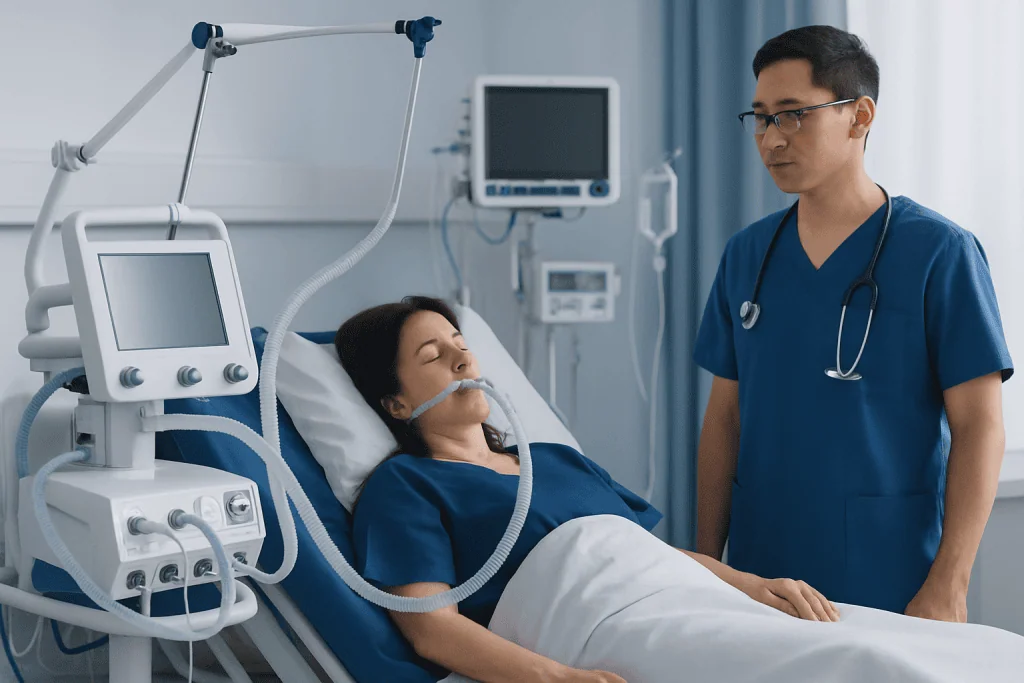
Anyone with suspected pneumonia should be assessed by a qualified clinician, especially if there is breathlessness, persistent high fever, chest pain, confusion or symptoms that are worsening rather than improving. Clinicians consider the severity of illness and whether the person can drink fluids, take medicines, rest safely and monitor symptoms at home.
Early evaluation is particularly important for infants and young children, adults aged 65 years or older, pregnant people, and people with weakened immune systems. Chronic lung disease, heart disease, kidney disease, diabetes and neurological conditions can also increase the likelihood of a more severe course.
Hospital care may be appropriate if oxygen levels are low, breathing becomes labored, dehydration develops, blood pressure is unstable or there are concerns about complications. Admission is also more likely when home support or follow-up cannot be arranged safely. The goal is not simply to treat the infection, but to protect lung function and overall health during recovery.
What treatment involves: step by step
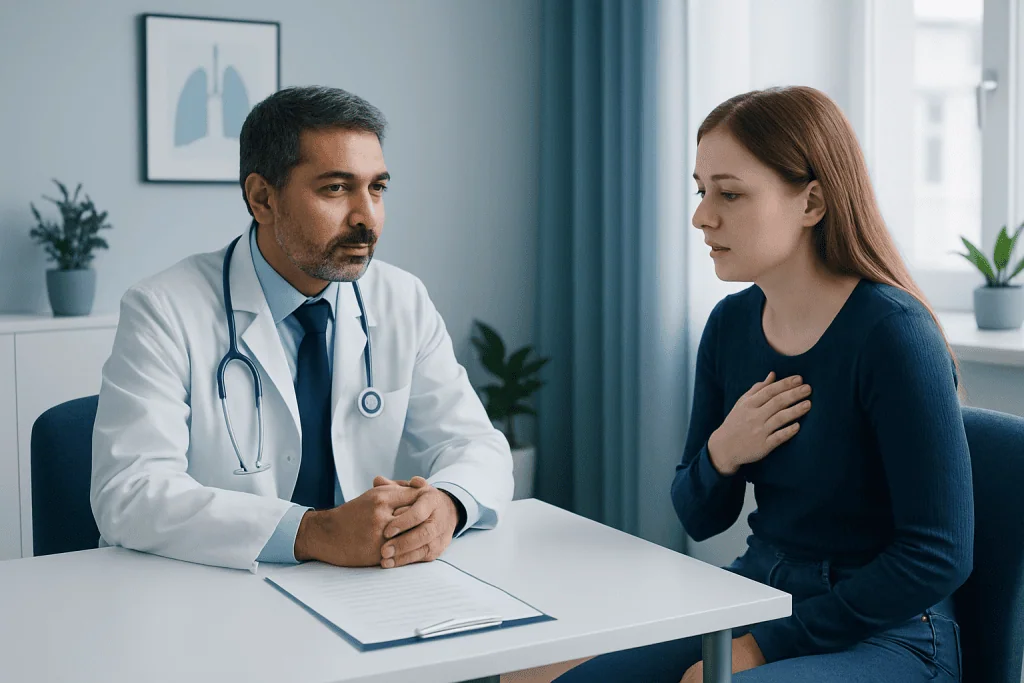
At an initial assessment, a clinician asks about symptoms, recent illnesses, medical conditions and medications. They examine breathing and may measure temperature, pulse, respiratory rate and oxygen saturation. Depending on the situation, testing can include a chest X-ray, blood tests, viral swabs or other tests to clarify the cause and assess severity.
For mild illness managed at home, treatment commonly includes rest, regular fluids and measures to ease fever, aches or cough when appropriate for the individual. A clinician or pharmacist can advise which non-prescription medicines are suitable, particularly for children, older adults, people who are pregnant and those taking regular medication. Smoking and vaping should be avoided because they can further irritate recovering lungs.
When a specific virus is identified or strongly suspected, antiviral treatment may be considered. For example, antiviral medicines can be useful for influenza in selected patients, especially when treatment begins early or when the person is at higher risk of complications. Antiviral options are virus-specific, so they are not used for every case of viral pneumonia.
In hospital, care may include supplemental oxygen, intravenous fluids when drinking is difficult, treatment for wheezing or underlying lung conditions, and regular reassessment. Some people require noninvasive breathing support or mechanical ventilation in intensive care if respiratory failure occurs. These measures support the body while the infection and inflammation improve.
Benefits, limits and possible complications
The main benefit of viral bronchopneumonia treatment is maintaining comfort, hydration and oxygenation while reducing the chance that severe illness is missed. Timely evaluation can also identify conditions that may resemble pneumonia, such as heart problems, blood clots in the lungs or an asthma flare, and can detect bacterial co-infection when it is present.
Supportive treatment does not immediately remove the virus. Cough and fatigue may remain after fever settles because inflamed airways and lung tissue need time to recover. Antibiotics can cause side effects and contribute to antibiotic resistance when used unnecessarily, which is why clinicians reserve them for situations where bacterial infection is likely or confirmed.
Possible complications include worsening oxygen levels, dehydration, secondary bacterial pneumonia, flare-ups of chronic lung or heart disease, and, less commonly, severe respiratory failure. People who are hospitalized may also need monitoring for complications related to immobility or other medical conditions. Most people recover without these problems, especially when they seek care promptly if symptoms worsen.
Recovery timeline and lung healing
Recovery is gradual and varies widely. Fever and acute symptoms often begin to improve within several days, but tiredness, reduced exercise tolerance and cough can last for weeks. It is sensible to return to work, school, exercise and other usual activities progressively, guided by energy levels and medical advice rather than by a fixed date.
Rest, sufficient fluids, nourishing meals as tolerated and regular sleep can support recovery. Gentle movement may be helpful once a person is improving and can do it without significant breathlessness, but strenuous exercise should wait until fever has resolved and breathing is comfortably back to normal. A clinician may recommend repeat assessment or imaging for people with ongoing symptoms, severe pneumonia, smoking history or other risk factors.
Do your lungs completely heal after pneumonia? In many people, lung inflammation resolves and breathing returns to their prior baseline. Healing may take longer after severe illness, and some people have lingering cough, fatigue or reduced fitness for a period. Persistent breathlessness, chest pain, fever or a cough that is not steadily improving should be discussed with a doctor.
How long does it take to heal from bronchopneumonia?
Bronchopneumonia often starts to improve within one to two weeks, but complete recovery may take several weeks and sometimes longer. The timeline depends on the virus, illness severity, age, smoking status, underlying health conditions and whether complications occurred. People who needed hospital or intensive care treatment commonly need a longer recovery period.
A cough may be one of the last symptoms to settle because the airways remain sensitive after the infection. Fatigue can also continue after the acute illness has passed. Gradual improvement is reassuring, whereas new fever, increasing breathlessness, worsening cough, confusion or inability to maintain fluids needs medical assessment.
Follow-up is individualized. A doctor may check symptoms and oxygen levels, review medications and recommend further tests if recovery is slower than expected. People with chronic lung disease may benefit from a personalized plan for restarting inhalers, activity and other routine care.
Is viral pneumonia hard to get rid of? How many days does viral pneumonia last?
Viral pneumonia can be difficult because the body must clear the infection and heal the lung inflammation; there is no one medicine that treats every respiratory virus. However, many cases are self-limited and improve with supportive care. Targeted antivirals may be appropriate for some viruses and patients, while oxygen and hospital support are available when illness is more severe.
The most intense symptoms of viral pneumonia may last around a week, although this is not the same as complete recovery. Cough, weakness and shortness of breath with exertion can continue for several weeks. Some viruses and more severe infections may cause longer symptoms, particularly in people with underlying health conditions.
It is important not to judge recovery only by the number of days since symptoms began. The overall direction matters: fever should settle, breathing should become easier and daily activity should gradually feel more manageable. If the illness is not improving, or it worsens after an initial improvement, a clinician should reassess for complications or another cause.
When to seek medical care
Urgent medical care is needed for severe trouble breathing, bluish or gray lips or face, new confusion, fainting, severe chest pain, inability to stay awake, or signs of severe dehydration such as very little urine. Parents and caregivers should seek prompt help if a child has difficult or fast breathing, pauses in breathing, marked sleepiness, poor feeding or signs of dehydration.
Contact a doctor soon for fever with cough and shortness of breath, symptoms that are becoming worse, persistent fever, coughing up blood, or difficulty managing fluids and medicines. People at higher risk of severe infection should not wait for symptoms to become advanced before seeking advice.
Prevention includes staying up to date with recommended vaccines, including influenza and COVID-19 vaccines where advised, practicing hand hygiene and avoiding close contact with people who are acutely unwell when possible. Acibadem International’s multidisciplinary specialists and JCI-accredited hospitals can assess and treat pneumonia for international patients when hospital-based care or coordinated follow-up is needed.
Frequently asked questions
Can antibiotics treat viral bronchopneumonia?
Antibiotics do not treat viruses and are not routinely used for purely viral bronchopneumonia. A clinician may prescribe them if bacterial pneumonia is suspected at the same time or develops as a secondary infection. The decision is based on symptoms, examination findings and, when needed, test results.
How long does it take to heal from bronchopneumonia?
Many people notice improvement in fever and acute symptoms within one to two weeks. Cough, fatigue and reduced stamina can last several weeks, especially after a more severe illness. Recovery should show a gradual overall improvement rather than worsening symptoms.
Is viral pneumonia hard to get rid of?
Viral pneumonia can take time to resolve because the immune system must clear the infection and lung inflammation must heal. Most mild cases improve with supportive care, but some people need antivirals, oxygen or hospital monitoring. People at higher risk of severe disease should seek medical advice early.
How many days does viral pneumonia last?
The most intense symptoms may last about a week, although the exact duration varies by virus and individual health. A cough and tiredness commonly continue beyond the acute phase, sometimes for several weeks. A doctor should assess symptoms that persist without improvement or return after getting better.
Do your lungs completely heal after pneumonia?
For many people, the lungs heal and breathing returns to the previous baseline after pneumonia. Recovery can be slower after severe illness or in people with chronic lung disease, smoking exposure or other medical conditions. Ongoing breathlessness, chest pain or persistent fever should be evaluated.
Can viral bronchopneumonia spread to other people?
The virus causing bronchopneumonia can often spread through respiratory droplets or close contact, depending on the specific virus. Good hand hygiene, covering coughs and sneezes, ventilation and staying home while acutely unwell can reduce transmission. A clinician can provide virus-specific advice about testing and isolation.
References
- World Health Organization
- Centers for Disease Control and Prevention
- American Lung Association
- National Heart, Lung, and Blood Institute
- Infectious Diseases Society of America
This article is for general information only and is not a substitute for professional medical advice. Please consult a qualified doctor about your individual situation.
Pneumonia in Turkey — costs, top hospitals & a free quote
JCI-accredited · board-certified surgeons · reply within 24h
Add us as a Preferred Source to see more of our trusted health content across Google Search, AI Overviews and Discover.
Check your numbers in seconds
BMI, calories, due date, blood pressure and 30+ more clinical calculators — free, instant, doctor-reviewed ranges.