Vulvar Cancer Treatment: How It Works, Results and What to Expect

Vulvar cancer treatment commonly involves surgery, with radiation therapy and chemotherapy used in selected situations. A smaller, tissue-sparing operation may be possible for early cancers; more extensive surgery is not always required.
Key Takeaways
- Vulvar cancer treatment commonly involves surgery, with radiation therapy and chemotherapy used in selected situations.
- A smaller, tissue-sparing operation may be possible for early cancers; more extensive surgery is not always required.
- Sentinel lymph node biopsy can help assess whether cancer has reached nearby groin lymph nodes.
- Recovery after vulvar surgery varies, but wound care, pain control, mobility and emotional support are important parts of care.
- New vulvar itching, skin changes, sores, bleeding or a lump should be assessed by a qualified clinician.
Vulvar cancer treatment is tailored to the cancer’s stage, location and type, with surgery often used for localized disease and radiation therapy and chemotherapy used when needed. Care is planned to remove or control cancer while preserving vulvar function, appearance and quality of life whenever safely possible.
Overview: how vulvar cancer treatment works
Vulvar cancer treatment removes or controls cancer using surgery, radiation therapy, chemotherapy, or a combination of these approaches. The treatment plan depends on the exact diagnosis, the size and location of the tumor, whether nearby lymph nodes are involved, prior treatments, and the person’s general health and preferences. Most vulvar cancers are squamous cell cancers that begin in vulvar skin cells.
For early-stage disease, surgery is often the main treatment and may be curative. For larger tumors or cancers involving groin lymph nodes, radiation therapy may be given before or after surgery, sometimes together with chemotherapy to make cancer cells more sensitive to radiation. The care team aims to achieve cancer control while avoiding unnecessary removal of healthy tissue.
Planning is usually multidisciplinary. A gynecologic oncologist works with radiation and medical oncologists, pathologists, radiologists, specialist nurses, wound-care professionals, physiotherapists and, when helpful, sexual-health and psychological support professionals.
Because vulvar symptoms can have many non-cancer causes, a biopsy is needed to confirm the diagnosis. People can learn more about the condition through vulvar cancer information before discussing individualized options with their clinician.
Assessment and candidacy for treatment
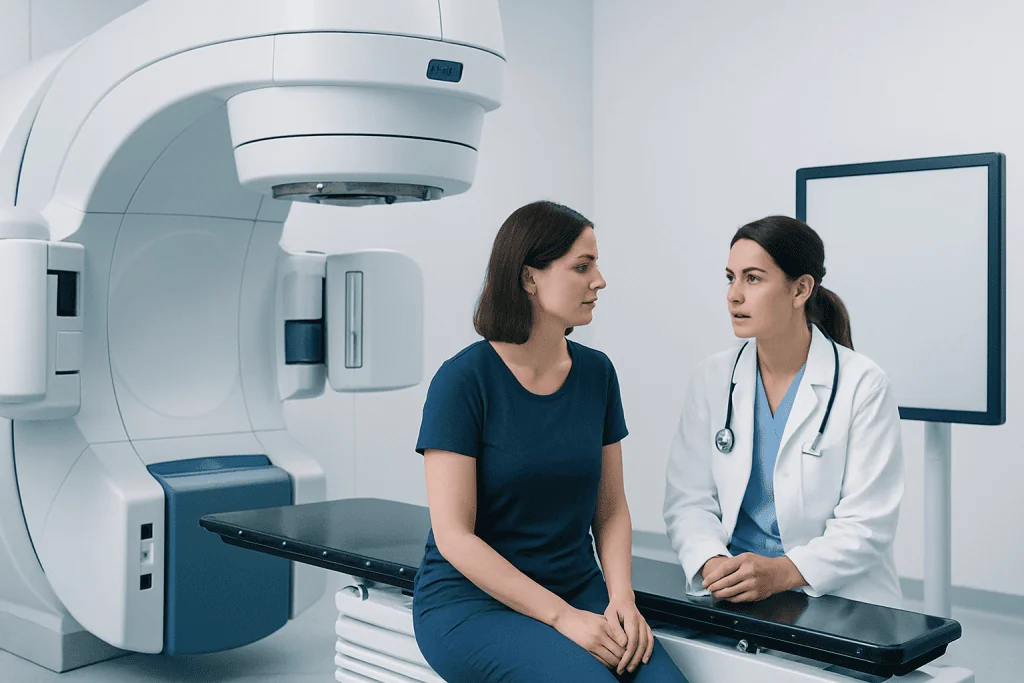
Before treatment begins, the specialist examines the vulva and groin lymph nodes and reviews the biopsy findings. Further assessment may include imaging, such as ultrasound, CT, MRI or PET/CT, depending on the suspected stage and the treatment being considered. These tests help determine the cancer’s local extent and whether it may have spread to lymph nodes or other areas.
People with a small, localized tumor and no evidence of spread may be candidates for local excision, which removes the tumor along with a margin of surrounding tissue. A vulvectomy, meaning removal of part or all of the vulva, may be recommended when cancer is larger, multifocal, recurrent, or located where a simple excision cannot safely remove it with an adequate margin.
Groin node assessment is an important part of treatment planning. In selected people with early vulvar cancer, sentinel lymph node biopsy may identify the first node or nodes likely to receive cancer spread. If these nodes do not contain cancer, more extensive lymph node surgery may be avoidable. This can reduce the risk of leg swelling and other complications.
Age alone does not determine candidacy. The team also considers medical conditions, mobility, nutrition, healing ability, medications, personal goals and the practical support available during recovery. Patients should be encouraged to ask why a particular option is recommended and what alternatives may be appropriate.
Vulvar cancer surgery: step by step
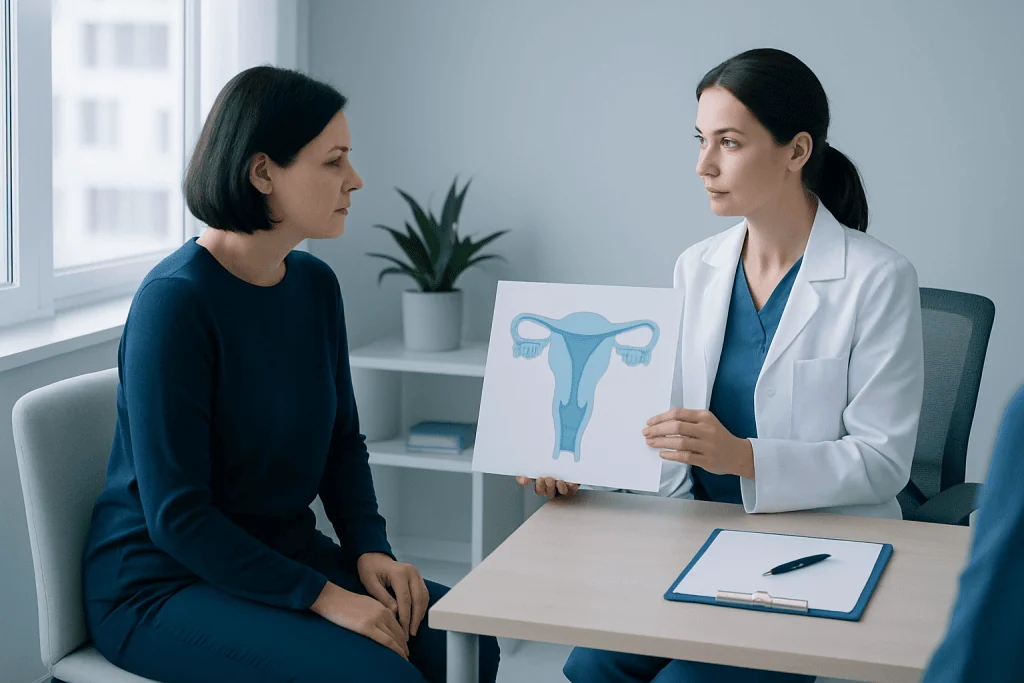
Surgery is performed in hospital under anesthesia. The exact procedure is individualized, but the surgeon generally removes the visible cancer and a rim of healthy-looking tissue around it. The removed tissue is examined by a pathologist to confirm the diagnosis and determine whether the surgical edges, called margins, are free of cancer.
A wide local excision removes only the tumor area and surrounding tissue. A partial vulvectomy removes a larger section of the vulva, while a radical vulvectomy removes more extensive tissue when necessary. Modern treatment frequently favors conservative surgery where it is oncologically safe, rather than removing more tissue than needed.
When groin nodes need evaluation, the surgeon may perform sentinel lymph node biopsy using a tracer and/or dye to locate the sentinel nodes. If there is known or suspected significant nodal involvement, more lymph nodes may need to be removed or treated with radiation. In some cases, reconstructive techniques using nearby tissue may help close the surgical area and support healing.
Hospital stay and use of drains or a urinary catheter depend on the extent of surgery. The care team provides instructions about pain medicines, wound cleaning, movement, bowel care, activity restrictions and follow-up appointments before discharge.
Radiation therapy and chemotherapy
Radiation therapy uses carefully targeted high-energy radiation to damage cancer cells. It may be used after surgery if there is a high risk of remaining cancer cells, when groin lymph nodes contain cancer, or as the main local treatment when surgery would be too extensive or is not medically suitable. External-beam radiation is the most common method for vulvar cancer.
Chemotherapy may be given alongside radiation therapy, usually not as a stand-alone treatment for localized vulvar cancer. Certain chemotherapy medicines can increase the effect of radiation on cancer cells. For cancer that has spread or returned after prior treatment, systemic therapy options may include chemotherapy, immunotherapy or other medicines depending on tumor testing, previous treatments and overall health.
Radiation can cause temporary skin irritation, soreness, fatigue, bowel or bladder changes and vaginal or vulvar tissue changes. The oncology team monitors side effects closely and can recommend skin care, pain relief, nutritional support and other measures. Some effects, including swelling or tissue tightness, may persist and benefit from rehabilitation or specialist follow-up.
When radiation therapy is part of a personalized plan, radiation therapy is delivered by a specialist team that uses planning scans to target treatment as precisely as possible.
Benefits, risks and recovery timeline
The principal benefit of vulvar cancer treatment is to remove or control cancer and reduce the risk of it spreading or returning. Early treatment can often use less extensive procedures. However, outcomes vary with cancer stage, tumor biology, lymph node status, surgical margins, other health conditions and response to treatment; the treating team is best placed to explain the outlook for an individual patient.
After a local excision, many people gradually resume light daily activities within a few weeks, although complete wound healing can take longer. Recovery after a partial or radical vulvectomy, reconstruction, lymph node surgery or radiation is often more prolonged. Sitting, walking, urination and bowel movements may be uncomfortable initially, and strenuous activity and sexual activity are usually delayed until healing is confirmed.
Potential surgical risks include bleeding, infection, delayed wound healing, pain, scar tenderness, changes in sensation, altered body image and sexual difficulties. Groin lymph node surgery or radiation can cause lymphedema, which is swelling caused by reduced lymph drainage, as well as numbness or reduced mobility. Not everyone develops these complications, and early reporting of symptoms helps the team provide support.
Follow-up visits are essential because recurrence can occur. Follow-up commonly includes a symptom review, examination of the vulva and groin, and tests when clinically indicated. Pelvic-floor therapy, lymphedema care, counseling and sexual-health support can be valuable components of recovery.
What is life like after a vulvectomy?
Life after a vulvectomy can involve an adjustment period, but many people return to meaningful daily activities, work, relationships and exercise after healing. The experience varies with how much tissue was removed, whether lymph nodes or reconstruction were involved, and whether radiation therapy was given. It is normal for recovery to include temporary soreness, fatigue, swelling and uncertainty about physical changes.
Some people notice altered sensation, tightness, numbness, changes in the appearance of the vulva, discomfort with sitting, or changes in sexual response. Lubricants, gradual return to intimacy, pelvic-floor physiotherapy and consultation with a sexual-health professional may help. Open communication with a partner, where relevant, can also make adjustment easier.
Practical self-care includes keeping the wound area clean and dry as instructed, choosing loose and breathable clothing, avoiding friction, taking prescribed medicines safely and attending follow-up appointments. A clinician should be contacted promptly for fever, increasing redness, wound separation, worsening pain, foul-smelling drainage, difficulty passing urine or new leg swelling.
Emotional responses can range from relief to grief, anxiety or changes in body confidence. Support from oncology nurses, counselors, patient support groups and trusted family or friends can be an important part of recovery. Needing this support is common and does not reflect a failure to cope.
How quickly does vulvar cancer progress?
Vulvar cancer often develops over months to years, but the rate of progression is not the same for every person. Some cancers grow slowly and remain localized for a time, while others can grow or spread more quickly. The type and grade of cancer, immune status, whether lymph nodes are involved and other biological factors can influence behavior.
It is not possible to estimate the pace of an individual cancer based on symptoms alone. A persistent vulvar lesion or symptom should therefore be assessed without delay, particularly if it is changing, bleeding, ulcerated, painful or not improving with usual care. Prompt evaluation supports earlier diagnosis and may broaden treatment options.
Precancerous vulvar conditions may also need monitoring or treatment because some can progress to cancer over time. A biopsy is the only reliable way to distinguish cancer or precancer from many benign skin conditions.
Is vulvar cancer very serious? What does stage 1 vulvar cancer look like?
Vulvar cancer is a serious diagnosis because it can grow into nearby tissues and spread to groin lymph nodes or more distant sites if untreated. At the same time, it is often treatable, particularly when found at an early stage. The individual outlook depends on the stage, cancer type, lymph node findings and response to treatment, rather than the diagnosis alone.
Stage 1 vulvar cancer is confined to the vulva or nearby perineal tissues and has not spread to lymph nodes or distant organs. It may appear as a persistent lump, thickened or raised area, white, red or darkened patch, wart-like growth, open sore or ulcer. Some lesions itch, burn, bleed or hurt, while others cause little discomfort.
Appearance cannot reliably determine stage. Benign conditions such as infections, inflammatory skin disorders and cysts can look similar, and a small-looking lesion can still require careful evaluation. A clinical examination, biopsy and, when needed, imaging are used to establish the diagnosis and stage.
Early-stage disease is commonly managed with surgery designed to remove the cancer completely while preserving as much normal tissue as possible. Sentinel node assessment may be offered in suitable cases to clarify whether further groin treatment is needed.
When to seek medical care
A person should arrange a medical assessment for vulvar itching, burning, pain or skin changes that persist, recur or do not improve. Other reasons to seek care include a new lump, wart-like growth, sore, ulcer, thickened patch, unexplained bleeding, unusual discharge, pain with urination, or a mole or pigmented area that changes in color, size or shape.
Urgent medical advice is appropriate for heavy bleeding, severe pain, inability to pass urine, signs of a wound infection after treatment, or rapidly increasing leg swelling. These symptoms do not always mean cancer or a serious complication, but they should be evaluated promptly.
Routine gynecologic visits and awareness of personal vulvar skin changes are helpful, but screening tests such as cervical screening do not diagnose vulvar cancer. Any concerning symptom should be examined directly rather than waiting for a future routine appointment.
Acibadem International’s multidisciplinary specialists and JCI-accredited hospitals diagnose and treat vulvar cancer for international patients, with treatment planning based on pathology, stage and individual needs.
Frequently asked questions
What is the main treatment for vulvar cancer?
Surgery is often the main treatment for vulvar cancer that is confined to the vulva. The operation may range from removal of the tumor with a small margin to a more extensive vulvectomy, depending on the cancer’s size and location. Radiation therapy, chemotherapy or both may be recommended for lymph node involvement, larger tumors, recurrence or when surgery is not suitable.
Can vulvar cancer be treated without surgery?
In some situations, radiation therapy with or without chemotherapy may be used instead of surgery, particularly if surgery would be very extensive or a person is not fit for an operation. Treatment without surgery is not appropriate for every cancer. A gynecologic oncology team can explain whether this approach is medically suitable.
How long does recovery from vulvar cancer surgery take?
Recovery varies substantially by the type of operation, wound size, reconstruction and whether lymph node surgery was performed. Many people need several weeks before returning to more usual activities, while extensive surgery can require a longer recovery period. The treating team gives individualized guidance based on wound healing and symptoms.
Will vulvar cancer treatment affect sexual function?
It can affect sexual comfort, sensation, lubrication, body image and intimacy, especially after more extensive surgery or radiation therapy. These effects vary and may improve over time. Pelvic-floor therapy, lubricants, counseling and sexual-health support can help address concerns.
Can vulvar cancer come back after treatment?
Yes, vulvar cancer can recur locally, in lymph nodes or elsewhere, which is why regular follow-up is important. The likelihood depends on factors such as stage, margins, lymph node involvement and cancer type. New vulvar changes, groin lumps, bleeding or persistent symptoms should be reported between scheduled visits.
Can vulvar cancer be prevented?
Not all cases can be prevented, but avoiding tobacco, receiving recommended HPV vaccination and seeking care for persistent vulvar symptoms may reduce risk or support earlier detection in some people. Regular follow-up is important for people with vulvar precancer or chronic vulvar skin conditions. A clinician can advise on personal risk factors and preventive care.
References
- National Cancer Institute
- American Cancer Society
- European Society of Gynaecological Oncology
- National Health Service
- World Health Organization
This article is for general information only and is not a substitute for professional medical advice. Please consult a qualified doctor about your individual situation.
Vulvar Cancer in Turkey — costs, top hospitals & a free quote
JCI-accredited · board-certified surgeons · reply within 24h
Add us as a Preferred Source to see more of our trusted health content across Google Search, AI Overviews and Discover.

More from the Health Library


Related Specialists

Fzt. Sevim Korkmaz
Physical Medicine and Rehabilitation
Dr. Emre Çakır
Ophthalmology
Assoc. Prof. Dr. Onur Taşar
Cardiology
Dr. R.Şirin Atlığ
Physical Medicine and Rehabilitation