Wedge Resection: Procedure, Recovery and Results

Wedge resection removes less lung tissue than a lobectomy, which removes an entire lobe. It can be performed through minimally invasive video-assisted or robotic techniques, or through an open incision when needed.
Key Takeaways
- Wedge resection removes less lung tissue than a lobectomy, which removes an entire lobe.
- It can be performed through minimally invasive video-assisted or robotic techniques, or through an open incision when needed.
- Recovery varies, but many people return gradually to usual activities over several weeks.
- The expected result depends mainly on why the operation is performed, the pathology findings, and overall lung health.
- Breathlessness, fever, worsening pain, or wound concerns after surgery should be discussed promptly with the surgical team.
A wedge resection is a lung operation that removes a small triangular section of lung tissue, usually containing a nodule, tumor, or abnormal area. It may be used to obtain a diagnosis or to treat selected early lung cancers and other localized lung conditions while preserving the remaining lung.
Overview: What Is a Wedge Resection?
A wedge resection is a surgical procedure in which a surgeon removes a small, wedge-shaped piece of lung. The removed tissue includes the area of concern and a margin of nearby healthy-looking tissue. It is commonly used to investigate a suspicious lung nodule or to treat a small, localized lung cancer in carefully selected patients.
Unlike a lobectomy, which removes one whole lobe of the lung, wedge resection preserves more lung tissue. This can be especially important for people whose lung function is reduced or who have other health conditions that make a larger operation less suitable. The procedure may also be performed to diagnose infection, inflammation, scarring, or metastatic disease.
The sample is examined by a pathologist. Pathology results help confirm whether tissue is benign, cancerous, infectious, or affected by another condition, and they guide decisions about further care. A wedge resection may be part of the evaluation and management of lung cancer, although not every lung nodule is cancer.
How Does the Wedge Resection Procedure Work?
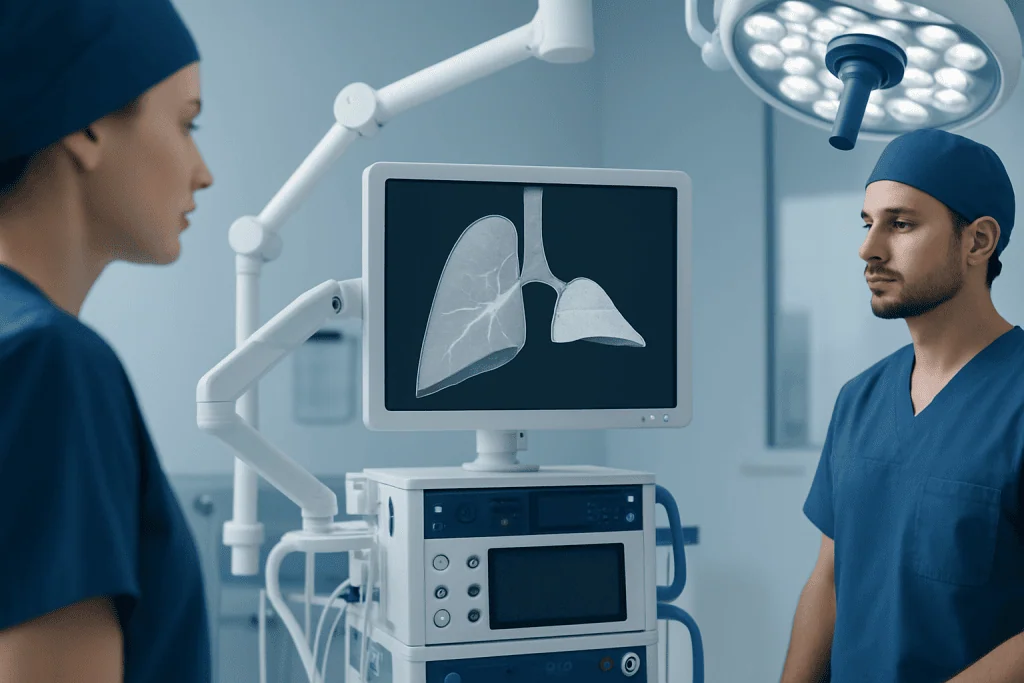
Before surgery, the care team reviews imaging studies such as chest CT scans and may arrange breathing tests, blood tests, heart assessment, or other investigations. These checks help the team locate the lesion, assess whether surgery is appropriate, and plan the safest approach. If cancer is suspected, the team also considers the size, location, type, and stage of the lesion.
Wedge resection is performed under general anesthesia, so the patient is asleep and does not feel the operation. The surgeon may use video-assisted thoracoscopic surgery (VATS) or robotic-assisted thoracic surgery, which involve several small incisions and a camera. In some cases, an open operation called thoracotomy is needed to provide direct access to the chest.
The surgeon identifies the targeted area, removes it with a surrounding margin, and checks for bleeding or air leakage. Lymph nodes may be sampled or removed when cancer is a concern, because this can provide important staging information. A chest tube is usually left temporarily to drain air and fluid and allow the lung to re-expand.
Wedge resection surgery time varies according to the location of the lesion, surgical approach, scar tissue, and whether lymph node assessment is needed. The operation itself often takes a few hours, while total time in the operating and recovery areas is longer.
Who May Be a Candidate for Wedge Resection?

A wedge resection may be considered when there is a small lung nodule that cannot be diagnosed confidently with scans or less invasive testing. It may also be used for small tumors located near the outer portion of the lung, selected secondary tumors that have spread to the lung from another site, or localized infection or inflammatory disease requiring tissue diagnosis.
For some early-stage non-small cell lung cancers, a wedge resection can be an appropriate treatment when the tumor is small and has favorable features, or when a person may not tolerate removal of an entire lobe. In other situations, segmentectomy or lobectomy offers better cancer control and may be recommended instead. The decision is individualized rather than based on tumor size alone.
Surgeons consider lung function, smoking history, heart health, medications, prior chest surgery, tumor location, imaging findings, and personal goals. A multidisciplinary discussion involving thoracic surgeons, pulmonologists, radiologists, pathologists, anesthesiologists, and oncology specialists can help determine whether lung cancer treatment should include surgery, surveillance, radiation therapy, systemic treatment, or a combination of approaches.
Benefits and Risks of Wedge Resection
The main benefit of wedge resection is that it can remove or diagnose an abnormal area while preserving as much functioning lung as possible. When performed through minimally invasive techniques, it may also mean smaller incisions, less postoperative discomfort, and a shorter hospital stay than open surgery for some patients. However, the best surgical approach is the one that safely addresses the individual lung problem.
As with any chest operation, wedge resection risks include bleeding, infection, blood clots, anesthesia-related complications, pain, and reactions to medicines. Lung-specific risks include an air leak from the cut lung surface, partial collapse of the lung, fluid around the lung, pneumonia, and temporary or persistent shortness of breath. Most complications are manageable, but the individual risk depends on overall health and lung reserve.
When cancer is present, another important consideration is whether the operation has achieved adequate margins and whether lymph nodes show cancer cells. If pathology findings suggest a higher risk of recurrence or a more extensive cancer than expected, further surgery or other cancer treatment may be discussed. Follow-up imaging remains important after treatment.
- Potential benefits: tissue diagnosis, removal of a localized lesion, and preservation of lung tissue.
- Potential limitations: it may not be suitable for centrally located, larger, or more aggressive tumors.
- Important postoperative concerns: prolonged air leak, infection, blood clot symptoms, and worsening breathing problems.
Wedge Resection Surgery Recovery: What to Expect
After surgery, patients are monitored in a recovery area and then transferred to a hospital room. Pain relief, breathing exercises, coughing techniques, and early gentle movement are important parts of care. The chest tube is removed once the lung has expanded adequately and drainage or air leakage has reduced. Hospital stay may be shorter after minimally invasive surgery, but it varies from person to person.
At home, tiredness, incision discomfort, numbness around the wound, and some breathlessness with exertion can occur during early recovery. The care team provides guidance on wound care, activity, pain medicines, showering, driving, and lifting. Short, frequent walks and prescribed breathing exercises can support circulation and lung expansion, while smoking and vaping should be avoided.
Wedge resection recovery time differs according to the surgical technique, pre-existing lung disease, age, complications, and the reason for surgery. Many people increase their activity gradually over several weeks, while complete recovery and return of energy can take longer. Follow-up appointments review healing, final pathology results, and any need for additional care.
People with chronic lung conditions may benefit from pulmonary rehabilitation, which combines supervised exercise, breathing education, and support for daily activities. This may be particularly helpful for those with chronic obstructive pulmonary disease or reduced exercise tolerance before surgery.
How Long Does It Take the Lung to Heal After Wedge Resection?
The lung begins healing immediately after wedge resection, but full internal healing takes time. The incision and the area where lung tissue was sealed generally heal over weeks, while stamina and breathing comfort may continue improving for several months. Recovery is often quicker after VATS or robotic surgery than after an open thoracotomy, although this is not the case for everyone.
A temporary air leak is relatively common after lung surgery because the lung must seal at the resection site. It often resolves before discharge, but occasionally it lasts longer and requires continued observation or treatment. The surgical team checks chest imaging and symptoms to make sure the lung remains fully expanded.
Regular walking, adequate nutrition, good pain control, and following breathing-exercise instructions can support recovery. Patients should not push through severe breathlessness or chest pain. They should ask their surgeon when it is safe to resume work, exercise, travel, and heavier physical activity.
Can You Live a Normal Life After Wedge Resection?
Many people can return to independent daily life and activities after a wedge resection. Because only a small portion of lung is removed, the effect on long-term breathing is often limited, particularly when the remaining lungs are healthy. Some people notice reduced exercise capacity at first, but this commonly improves as postoperative healing and conditioning progress.
Long-term outlook depends on the underlying reason for surgery. If the removed lesion is benign, no additional treatment may be necessary beyond follow-up. If it is cancerous, the pathology report, surgical margins, lymph node findings, and cancer stage determine whether surveillance or additional treatment is advised.
Protecting remaining lung function is an important part of long-term health. Avoiding tobacco smoke, staying physically active within medical guidance, keeping vaccinations current when appropriate, and managing conditions such as asthma or COPD can help support breathing. The team may recommend ongoing CT monitoring when clinically indicated.
What Is the Success Rate of Wedge Resection? Is It a Major Surgery?
There is no single success rate for wedge resection because success can mean different things: obtaining a diagnosis, completely removing a benign lesion, treating an infection, or controlling cancer. For cancer, outcomes depend on the tumor type, size, location, stage, margins, lymph node status, and whether wedge resection was the most suitable operation. A surgeon can explain what the expected benefit means in an individual case.
A lung wedge resection is a significant operation because it requires general anesthesia and surgery inside the chest. Even when it is performed through small incisions, it carries important risks and needs a planned recovery period. At the same time, it is generally less extensive than operations that remove an entire lung lobe or lung.
Pathology results are central to understanding results after surgery. Patients should ask whether the lesion was fully removed, whether the margins are clear, whether lymph nodes were assessed, and what follow-up is recommended. Acibadem International’s multidisciplinary specialists and JCI-accredited hospitals diagnose and treat lung conditions for international patients, with care plans guided by individual clinical findings.
When to Seek Medical Care
After discharge, patients should contact their surgical team promptly for a fever, increasing redness or drainage from an incision, pain that is worsening rather than improving, persistent vomiting, or new swelling in a leg. These symptoms may need assessment even if they seem mild.
Urgent medical care is needed for sudden or severe shortness of breath, chest pain, fainting, coughing up significant blood, blue or gray lips, or symptoms of a possible blood clot such as sudden breathlessness with a rapid heartbeat. It is safer to seek emergency help rather than wait for a routine appointment when these symptoms occur.
People who have not had surgery should arrange medical review for a persistent cough, unexplained coughing up blood, ongoing chest discomfort, unexplained weight loss, or breathlessness that is new or getting worse. These symptoms have many possible causes, but timely evaluation supports accurate diagnosis and treatment.
Frequently asked questions
What is removed during a wedge resection?
A wedge resection removes a small triangular portion of lung containing the abnormal area, along with a rim of surrounding tissue. It does not remove a full lung lobe. The tissue is sent to a laboratory for detailed examination.
How painful is recovery after a wedge resection?
Some discomfort is expected after any chest surgery, especially with deep breathing, coughing, and movement. Pain is usually managed with a personalized plan that may include medicines and non-drug measures. Good pain control helps patients breathe deeply and stay mobile during recovery.
How long do you stay in hospital after wedge resection?
The length of stay varies with the surgical method, air leak duration, pain control, and overall health. Patients often remain in hospital until the chest tube can be removed and they can move and breathe safely. Open surgery or complications may require a longer stay.
Will I need a chest tube after wedge resection?
Most patients have a chest tube after lung surgery. It drains air and fluid from around the lung and helps the lung stay expanded while the surgical area seals. It is usually removed when drainage is low and there is no concerning air leak.
Can a wedge resection cure lung cancer?
For selected small, early-stage lung cancers, wedge resection may remove all visible cancer and be part of curative treatment. Whether it is sufficient depends on tumor characteristics, surgical margins, and lymph node findings. Some patients need a different operation or additional treatment for the best chance of disease control.
What should be avoided after wedge resection?
Patients should avoid smoking and vaping, strenuous activity, heavy lifting, and driving while taking sedating pain medicines or until cleared by the surgeon. They should follow individualized instructions about bathing, wound care, travel, and return to work. Gradual activity is usually encouraged rather than complete bed rest.
References
- American Cancer Society
- National Cancer Institute
- American Thoracic Society
- Society of Thoracic Surgeons
- National Health Service
This article is for general information only and is not a substitute for professional medical advice. Please consult a qualified doctor about your individual situation.
Oncology care in Turkey — second opinion and treatment plan
JCI-accredited · board-certified surgeons · reply within 24h