When Is Deep Brain Stimulation Not the Right Choice?

Deep brain stimulation is most helpful for carefully selected patients, not as a universal treatment. It may not be appropriate when the diagnosis is uncertain or symptoms are unlikely to respond.
Key Takeaways
- Deep brain stimulation is most helpful for carefully selected patients, not as a universal treatment.
- It may not be appropriate when the diagnosis is uncertain or symptoms are unlikely to respond.
- Significant memory, thinking, mood, or medical problems can make DBS less suitable.
- A detailed evaluation by a multidisciplinary team helps decide if DBS is a good match.
- Even when DBS is not advised, other medicines, therapies, and supportive treatments may help.
Deep brain stimulation can help some people with movement disorders and certain neurologic conditions, but it is not the best option for everyone. The decision depends on diagnosis, symptom pattern, overall health, treatment goals, and whether the likely benefits outweigh the risks.
Overview: What Deep Brain Stimulation Is and Why Selection Matters
Deep brain stimulation is a surgical treatment that uses implanted electrodes to deliver controlled electrical signals to specific areas of the brain. It is most commonly used for certain movement disorders, including selected cases of Parkinson’s disease, essential tremor, and dystonia. In some settings, it may also be considered for other neurologic or psychiatric conditions.
Although deep brain stimulation can reduce symptoms and improve quality of life for the right person, it is not a cure. It does not stop disease progression, and it does not help every symptom equally. For example, some symptoms may respond well, while others change little or may even become more challenging over time because of the underlying condition.
This is why careful patient selection is so important. Doctors look closely at the person’s diagnosis, symptom pattern, response to medication, brain imaging, thinking and memory, mood, and general health. The goal is to identify who is most likely to benefit and who may face more risk than benefit from surgery.
When deep brain stimulation is not the right choice, that does not mean treatment options have ended. It usually means the care team should focus on a safer or more effective plan, such as medication adjustment, rehabilitation, supportive therapies, or another procedure better matched to the person’s needs.
When Deep Brain Stimulation May Not Be the Right Choice
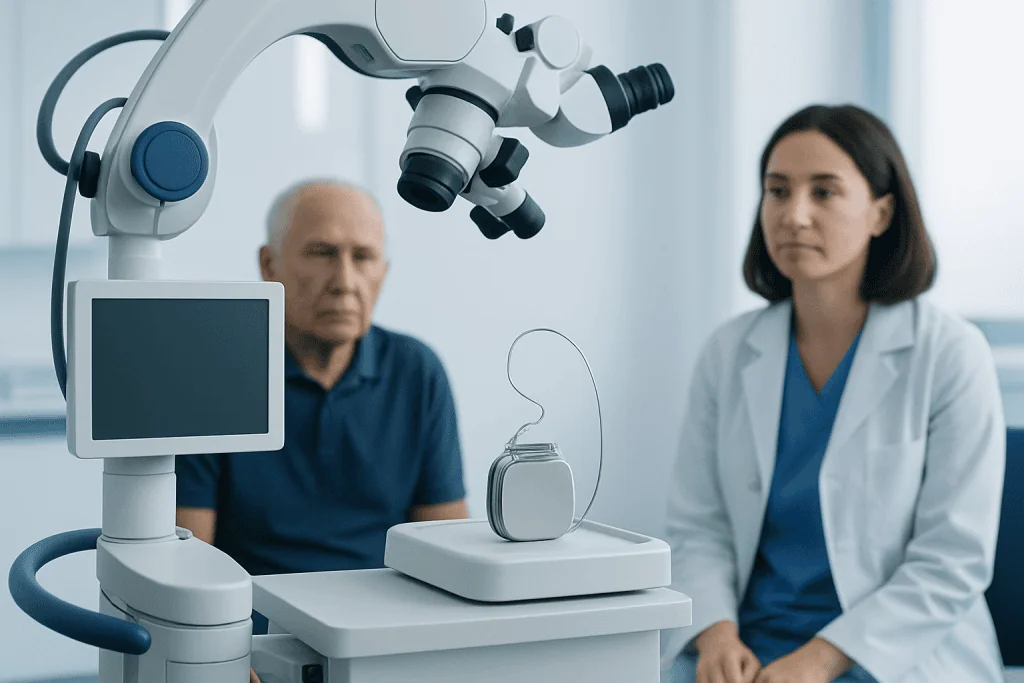
One of the main reasons deep brain stimulation may not be recommended is that the symptoms are not the type that usually improve with stimulation. In Parkinson’s disease, for example, DBS is generally more effective for tremor, stiffness, slowness, and motor fluctuations than for balance problems, speech difficulties, or severe freezing that does not respond to medication. If the main symptoms are those less likely to improve, surgery may not offer meaningful benefit.
Another important concern is diagnostic uncertainty. DBS works best when the diagnosis is clear and matches a condition known to respond. If a person appears to have Parkinson-like symptoms but may actually have an atypical parkinsonian syndrome, the expected benefit from DBS is often much lower. In that setting, a thorough neurologic evaluation is essential before considering surgery.
Deep brain stimulation may also be unsuitable when there are significant problems with memory, attention, judgment, or dementia. Surgery and stimulation can sometimes worsen confusion or make day-to-day functioning more difficult. Similarly, untreated or unstable depression, anxiety, psychosis, or impulsive behavior can increase the risk of poor outcomes and need to be addressed first.
Finally, some people are not good candidates because of medical or surgical risk. Severe heart or lung disease, uncontrolled high blood pressure, active infection, bleeding risk, or inability to safely undergo anesthesia may make the procedure too risky. In other cases, a person may not feel comfortable with implanted hardware, follow-up programming visits, or the long-term responsibilities of device management.
Symptoms and Conditions That Often Predict Limited Benefit
DBS is not judged only by whether a person has a certain diagnosis. Doctors also study which specific symptoms are causing disability. In movement disorders, the best responses are often seen when symptoms have previously improved with medication, especially levodopa in Parkinson’s disease. If a symptom never responds to medication, it may be less likely to respond to stimulation, although there are exceptions such as some medication-resistant tremors.
Symptoms that arise from progression of the disease outside the targeted brain circuits may be harder for DBS to treat. These can include marked speech impairment, swallowing problems, severe walking instability, frequent falls unrelated to medication timing, and advanced cognitive decline. In these situations, the person may go through major surgery without gaining the improvement they hoped for.
Doctors also consider whether another condition may be contributing to symptoms. Tremor, for example, may have different causes, and the best treatment can vary. A patient may benefit from evaluation for Parkinson's disease or essential tremor before any surgical decision is made.
In some people, treatment goals may not match what DBS can realistically provide. If someone expects a complete return to normal movement, independence, or cure of all symptoms, those expectations need to be carefully reviewed. The most successful DBS decisions usually happen when the person and care team share a clear, realistic understanding of what the procedure can and cannot do.
Medical, Cognitive, and Mental Health Factors Doctors Review
General health plays a major role in deciding whether deep brain stimulation is appropriate. Because implantation is a neurosurgical procedure, the care team reviews heart health, lung function, diabetes control, infection risk, and any history of stroke or serious bleeding. Blood-thinning medications and clotting problems need special attention because they can raise the risk of bleeding during or after surgery.
Cognitive health is equally important. Many centers include formal neuropsychological testing to assess memory, attention, language, planning, and problem-solving. These tests help identify whether a person can safely manage the demands of surgery and postoperative care, and whether stimulation might worsen existing cognitive difficulties.
Mental health is not a minor issue in DBS planning. Depression, anxiety, hallucinations, paranoia, or impulsive behavior can affect recovery, quality of life, and satisfaction with treatment. These conditions do not always rule out DBS, but they often need to be treated and stabilized first. Ongoing psychiatric or psychological support may also be recommended.
Support at home matters as well. Deep brain stimulation usually requires repeated follow-up visits for device checks and programming. If a person has difficulty attending appointments, understanding treatment changes, or managing device-related care, the team may recommend strengthening practical support before moving forward or may decide that a non-surgical approach is safer.
How Doctors Decide If Someone Is a Good Candidate
Evaluation for deep brain stimulation is typically done by a multidisciplinary team that may include a neurologist, neurosurgeon, neuropsychologist, psychiatrist, specialist nurse, and rehabilitation professionals. This team-based approach helps ensure that the decision is based on the whole person, not just one symptom or one clinic visit.
Assessment often starts with a detailed medical history and neurologic examination. Doctors review how long symptoms have been present, how they change through the day, which medicines have been tried, and how well those medicines work. In Parkinson’s disease, a levodopa response test may be used to help predict which motor symptoms are likely to improve with DBS.
Brain imaging, such as MRI, may be used to look for structural problems, signs of another neurologic disorder, or anything that could affect surgical planning. Neuropsychological testing and mood assessment are commonly included. The team also talks through goals, expectations, and possible complications so the person can make an informed decision.
If DBS appears appropriate, the care team may discuss deep brain stimulation in more detail, including targets, stages of care, and follow-up programming. If it does not appear appropriate, the evaluation is still valuable because it can guide a more suitable treatment plan rather than exposing the person to a procedure unlikely to help.
Alternatives When DBS Is Not Recommended
When deep brain stimulation is not the best option, treatment usually shifts toward optimizing non-surgical care. This may include adjusting medication timing, changing drug combinations, managing side effects, and addressing sleep, constipation, pain, mood, and fatigue. For many people, thoughtful medical management can still lead to meaningful improvement in daily function.
Rehabilitation can also play an important role. Physical therapy may help mobility, posture, and balance, while occupational therapy can support independence at home and work. Speech and language therapy may improve communication and swallowing strategies. These approaches are especially helpful when symptoms affect several parts of daily life and need practical, personalized support.
For some patients, another procedure may be more appropriate than DBS. Depending on the diagnosis and symptom profile, the care team may discuss options such as stereotactic lesioning or focused treatment for severe tremor when available and suitable. The right choice depends on the condition being treated, the expected goals, and the person’s overall health and preferences.
Patients with advanced movement disorders may also benefit from specialist care pathways that combine medication, rehabilitation, counseling, and caregiver support. In selected settings, a broader review of Parkinson's disease treatment options can help identify the most practical next step even when surgery is not advised.
Questions to Ask Before Making a Decision
Because deep brain stimulation involves both surgery and long-term follow-up, it is helpful for patients and families to ask clear questions before deciding. Understanding why DBS is being suggested, what symptoms it is expected to help, and what symptoms are unlikely to change can prevent disappointment later. It is also reasonable to ask what risks are most relevant in that individual’s case.
People may wish to ask whether the diagnosis is certain, whether symptoms respond to medication, and whether thinking, memory, or mood raise any concerns. They can also ask how often follow-up visits will be needed, what living with an implanted device is like, and whether there are non-surgical alternatives worth trying first. These discussions support informed, realistic decision-making.
A second opinion can be helpful when the choice is uncertain or when a person has been told very different things by different clinicians. This is especially true in complex movement disorders, older age, or when symptoms do not fit a typical pattern. A careful review by an experienced center can clarify both potential benefits and possible limitations.
Near the end of the decision process, some patients seek care at international referral centers with multidisciplinary expertise. Acibadem International’s specialists and JCI-accredited hospitals evaluate and treat appropriate candidates for movement disorders and neuromodulation, while also helping patients understand when a non-surgical approach may be the better path.
When to See a Doctor
A person should speak with a doctor if tremor, stiffness, slowness, involuntary movements, or medication side effects are interfering with daily life. A neurologist, especially one focused on movement disorders, can help determine whether symptoms are being treated as effectively as possible and whether a referral for DBS evaluation makes sense.
Medical review is also important if symptoms are changing in unexpected ways, such as more frequent falls, memory decline, hallucinations, swallowing difficulty, or worsening balance. These issues may affect whether deep brain stimulation is appropriate and may point to other conditions or treatment priorities that need attention.
Even when DBS is not recommended, follow-up remains valuable. Symptoms can evolve over time, and treatment goals may change. A person who is not a candidate now may need a different plan for rehabilitation, medication adjustment, or supportive care, while someone else may become a better candidate after mood, medical, or medication-related issues are stabilized.
Urgent medical attention is needed for sudden severe weakness, trouble speaking, new confusion, chest pain, severe shortness of breath, or any sudden neurologic change. These symptoms are not typical reasons to wait for a routine DBS discussion and should be assessed promptly.
Frequently asked questions
Can deep brain stimulation cure Parkinson's disease?
No. Deep brain stimulation does not cure Parkinson's disease and does not stop the disease from progressing. It can help control certain symptoms in carefully selected patients, especially motor symptoms that respond to medication.
Why would a doctor say someone is not a good candidate for DBS?
A doctor may advise against DBS if the diagnosis is unclear, symptoms are unlikely to improve, or the risks of surgery are too high. Cognitive decline, uncontrolled mental health conditions, or major medical problems can also make DBS less suitable.
Does poor response to medication mean DBS will not work?
Often, yes, but not always. In Parkinson's disease, symptoms that improve with levodopa are usually the ones most likely to improve with DBS. Some exceptions exist, particularly for certain types of tremor, so the decision should be individualized.
Can older adults still have deep brain stimulation?
Age alone does not automatically rule out DBS. Doctors look more closely at overall health, memory, mood, balance, and expected benefit than at age by itself. A healthy older adult may still be considered, while a younger person with significant risks may not be.
What happens if DBS is not recommended?
If DBS is not advised, the care team usually focuses on other ways to manage symptoms. These may include medication changes, physical therapy, occupational therapy, speech therapy, counseling, or another procedure that better fits the condition.
Is it worth getting a second opinion about DBS?
Yes, especially if the diagnosis is complex or if there is uncertainty about expected benefit. A second opinion from a movement disorder specialist or experienced DBS center can help clarify whether surgery is likely to help and what alternatives should be considered.
References
- National Institute of Neurological Disorders and Stroke
- National Institute for Health and Care Excellence
- Parkinson's Foundation
- International Parkinson and Movement Disorder Society
- American Association of Neurological Surgeons
This article is for general information only and is not a substitute for professional medical advice. Please consult a qualified doctor about your individual situation.
Explore treatments in Turkey — costs, top hospitals & a free quote
JCI-accredited · board-certified surgeons · reply within 24h
Add us as a Preferred Source to see more of our trusted health content across Google Search, AI Overviews and Discover.
Check your numbers in seconds
BMI, calories, due date, blood pressure and 30+ more clinical calculators — free, instant, doctor-reviewed ranges.

Neurosurgery
Surgical treatment of the brain, spine and nervous system, including minimally invasive and functional procedures.
72 specialists in this unitMore from the Health Library

Related Specialists
Assoc. Prof. Dr. Engin Çelik
Gynecology & Obstetrics
Prof. Dr. Mustafa Parildar
Interventional Radiology
Dr. Mehmet Kaya
Emergency Service
Prof. Dr. Koray Özduman
Neurosurgery