

When Is Neuromodulation Considered for Chronic Neurological Symptoms?

Neuromodulation changes nerve activity using electrical or other targeted stimulation to help control symptoms. It is usually considered after standard treatments have not provided enough relief or have caused limiting side effects.
Key Takeaways
- Neuromodulation changes nerve activity using electrical or other targeted stimulation to help control symptoms.
- It is usually considered after standard treatments have not provided enough relief or have caused limiting side effects.
- The best candidates are selected through careful diagnosis, symptom review, imaging, and multidisciplinary assessment.
- Different techniques are used for different problems, including movement disorders, chronic pain, epilepsy, and spasticity.
- Neuromodulation does not cure every condition, but it may improve symptom control, function, and quality of life.
Neuromodulation may be considered for chronic neurological symptoms when symptoms continue to affect daily life despite appropriate medication, rehabilitation, or other standard treatments. A specialist evaluation helps determine whether a person’s diagnosis, symptom pattern, overall health, and treatment goals make this option suitable.
Overview: What neuromodulation means
Neuromodulation is a broad term for treatments that alter nerve activity in a controlled way to reduce symptoms. Depending on the condition, this may involve electrical stimulation delivered to the brain, spinal cord, peripheral nerves, or specific implanted targets. Some methods are noninvasive, while others use implanted devices.
Doctors consider neuromodulation for symptoms that are persistent, function-limiting, and difficult to manage with standard care alone. It is not usually the first treatment used. Instead, it is often discussed when medication, physical therapy, psychological support, rehabilitation, or other established treatments have not provided enough improvement.
The goal is not always to eliminate symptoms completely. In many cases, the aim is to reduce symptom severity, improve independence, support sleep or mobility, lower medication burden, or help a person return to daily activities with greater comfort and confidence.
Which chronic neurological symptoms may lead to neuromodulation
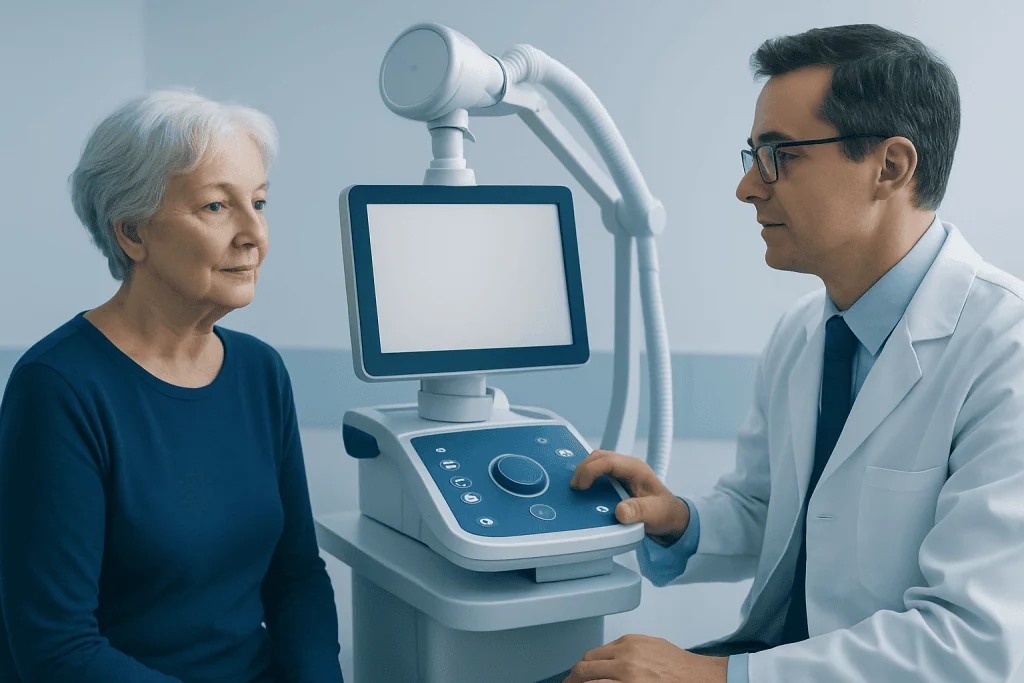
Neuromodulation may be considered for a range of chronic neurological symptoms, especially when they remain disabling over time. Common examples include tremor, rigidity, slowness of movement, dystonia, chronic neuropathic pain, spasticity, certain seizure disorders, and some forms of headache or nerve-related facial pain.
It is important to distinguish a symptom from the underlying condition causing it. For example, tremor may be related to Parkinson’s disease or essential tremor, while chronic pain may arise after nerve injury, spine disease, or other neurological disorders. The same neuromodulation method is not suitable for every diagnosis, so accurate assessment matters.
Examples of conditions in which neuromodulation may be discussed include Parkinson’s disease, medically refractory epilepsy, and some chronic pain syndromes. In selected people, specialists may also evaluate whether deep brain stimulation or spinal cord stimulation could be helpful as part of a broader treatment plan.
When doctors typically consider it

Neuromodulation is usually considered when symptoms are chronic, significantly affect quality of life, and remain troublesome despite appropriate treatment. This often means that a person has already tried standard therapies for a reasonable period of time under medical supervision, with either limited benefit or side effects that are difficult to tolerate.
Specialists also look for a clear diagnosis and a symptom pattern known to respond to neuromodulation. For instance, some movement symptoms respond better than others, and some types of chronic pain are more suitable than others. A treatment is more likely to be offered when there is evidence that the targeted symptom is linked to nerve pathways that can be meaningfully influenced.
Another key factor is the person’s treatment goals. A person hoping for cure may be disappointed if the realistic aim is symptom reduction rather than complete resolution. Doctors therefore discuss expected benefits, limitations, follow-up needs, device management, and possible risks before recommending neuromodulation.
In many centers, the decision is made by a multidisciplinary team. Neurologists, neurosurgeons, pain specialists, rehabilitation experts, psychologists, and imaging specialists may all contribute to deciding whether neuromodulation is appropriate and which method offers the best balance of benefit and safety.
Assessment and diagnosis before treatment
Before neuromodulation is offered, doctors first confirm the diagnosis and make sure reversible causes have been addressed. This may include a detailed neurological examination, review of previous treatments, medication assessment, and tests such as MRI, CT, EEG, nerve studies, or other specialized evaluations depending on the symptom.
Doctors also assess how severe the symptoms are and how much they interfere with work, walking, sleep, self-care, mood, and relationships. Standard rating scales, symptom diaries, and input from family members may help create a clearer picture of day-to-day impact. This baseline is useful later when judging whether treatment has truly helped.
Psychological and cognitive assessment may also be important, especially for implanted therapies. This is not a sign that symptoms are “all in the mind.” Rather, it helps the care team understand coping, expectations, memory, decision-making, and emotional health, all of which can influence the safety and success of long-term treatment.
For some therapies, trial stimulation may be used before a permanent device is implanted. In other cases, a person may first undergo optimization of medication or rehabilitation to confirm that less invasive options have been fully explored. If symptoms are related to a condition such as epilepsy, the assessment may also include prolonged monitoring and specialist seizure review.
Common neuromodulation options
Several neuromodulation techniques are used in neurological care. Deep brain stimulation involves placing electrodes in carefully selected brain targets to help regulate abnormal signaling. It is most commonly discussed for certain movement disorders and, in some cases, other carefully selected neurological conditions. Another option, vagus nerve stimulation, may be considered for some people with difficult-to-control seizures.
Spinal cord stimulation is more often used for chronic neuropathic pain, especially when pain persists despite medication and other pain-management strategies. Peripheral nerve stimulation may be considered for selected localized pain conditions. Intrathecal drug delivery, while not always grouped the same way in every setting, can also be part of advanced symptom management for severe spasticity or pain in carefully chosen patients.
There are also noninvasive forms of neuromodulation, such as transcranial magnetic stimulation and other external stimulation approaches. These are used in specific clinical situations and may be preferred when a nonimplant option is appropriate. The choice depends on the diagnosis, symptom target, body area involved, age, overall health, and whether long-term device follow-up is practical.
No single technique is best for everyone. The treatment recommended for one person with tremor may be completely different from the best option for another person with pain, seizures, or spasticity. Personalized selection is one of the most important parts of successful neuromodulation care.
Benefits, limitations, and possible risks
For suitable candidates, neuromodulation can provide meaningful symptom relief and better day-to-day function. Some people experience less tremor, fewer painful nerve sensations, improved movement control, or reduced seizure burden. Others may be able to lower certain medications under medical supervision, which can help reduce side effects.
At the same time, neuromodulation has limits. It does not work equally well for every symptom, and the response can vary from person to person. Some conditions continue to progress even if one symptom improves. Settings may need to be adjusted over time, and in implanted therapies, batteries, leads, and devices require monitoring.
Possible risks depend on the procedure used. Noninvasive methods may cause temporary discomfort or headache. Implanted systems carry additional risks such as infection, bleeding, lead movement, hardware problems, or stimulation-related side effects. These risks are carefully discussed beforehand so that a person can make an informed decision.
A balanced conversation is essential. The decision to proceed should reflect not only symptom severity but also lifestyle, support at home, ability to attend follow-up visits, and willingness to participate in programming and rehabilitation when needed.
Self-care, follow-up, and long-term management
Neuromodulation works best as part of a broader care plan rather than as a stand-alone solution. Ongoing medication review, physical therapy, occupational therapy, exercise guidance, sleep support, and mental health care may still be needed. These measures can improve overall function and help maintain the benefit gained from stimulation-based treatment.
Follow-up is especially important for implanted devices. Settings may need fine-tuning, and symptoms can change over time. Patients should report new symptoms, reduced effectiveness, discomfort around a device, or any signs of infection promptly. Keeping scheduled appointments helps the care team optimize the therapy safely.
People who are considering neuromodulation often benefit from preparing questions in advance. Useful topics include expected symptom improvement, possible alternatives, recovery time, effects on travel or daily activities, MRI compatibility, battery replacement, and how treatment success will be measured.
Near the end of the treatment journey, some patients also seek care across borders. Acibadem International’s multidisciplinary specialists and JCI-accredited hospitals evaluate and treat selected neurological conditions with advanced neuromodulation approaches for international patients when appropriate.
When to see a doctor
A doctor should be consulted when neurological symptoms last for weeks or months, become more frequent, interfere with work or self-care, or stop responding to usual treatment. This is especially important if symptoms affect walking, balance, hand use, speech, swallowing, or sleep, or if they lead to falls, injuries, or significant distress.
Urgent medical attention is needed for sudden weakness, a new seizure, sudden confusion, severe new headache, loss of consciousness, or other rapidly worsening neurological symptoms. These problems may signal a medical emergency and should not be managed by waiting to see whether they improve on their own.
If a person already has a neuromodulation device, they should contact their medical team if the device seems to stop working, symptoms change unexpectedly, or redness, swelling, fever, or pain develops near the device site. Prompt evaluation helps identify treatable problems early and supports the safest long-term outcome.
Frequently asked questions
Is neuromodulation a last resort?
Neuromodulation is often considered after standard treatments have not given enough relief, but it is not simply a “last resort.” In some well-defined conditions, specialists may discuss it earlier if there is a clear reason it could help. The timing depends on the diagnosis, symptom severity, and response to other therapies.
Can neuromodulation cure a neurological condition?
Usually, neuromodulation is used to control symptoms rather than cure the underlying disease. It may improve function, reduce symptom intensity, or lower treatment burden. The exact benefit varies by condition and by individual response.
Who is a good candidate for neuromodulation?
A good candidate typically has a clear diagnosis, chronic symptoms that significantly affect daily life, and inadequate relief from appropriate standard treatment. The person also needs to be medically suitable for the chosen procedure and able to participate in follow-up care. A specialist team helps decide whether the expected benefits outweigh the risks.
Are all neuromodulation treatments implanted?
No. Some neuromodulation methods involve implanted devices, while others are noninvasive and are delivered from outside the body. The choice depends on the condition being treated, how targeted the therapy needs to be, and whether temporary or long-term symptom control is the goal.
How long does it take to know if neuromodulation is working?
This depends on the type of neuromodulation and the symptom being treated. Some people notice changes relatively quickly, while others improve gradually over repeated programming sessions or over weeks to months. Doctors usually assess success using symptom severity, function, quality of life, and treatment side effects.
What if symptoms return after initial improvement?
A return of symptoms does not always mean the treatment has failed. Device settings may need adjustment, the underlying condition may have changed, or another medical issue may be affecting symptoms. Follow-up with the treating team is important so the cause can be identified and managed appropriately.
References
- World Health Organization
- National Institute of Neurological Disorders and Stroke
- International Parkinson and Movement Disorder Society
- American Academy of Neurology
- National Institute for Health and Care Excellence
This article is for general information only and is not a substitute for professional medical advice. Please consult a qualified doctor about your individual situation.
Neuromodulation in Turkey — costs, top hospitals & a free quote
JCI-accredited · board-certified surgeons · reply within 24h
Add us as a Preferred Source to see more of our trusted health content across Google Search, AI Overviews and Discover.

More from the Health Library



Related Specialists

Melisa Yay
Physical Medicine & Rehabilitation
Dr. Raif Orhan
General Surgery
Prof. Dr. Aziz Polat
Pediatrics
Prof. Dr. Derya Eroğlu
Gynecology & Obstetrics