Who Performs Neuropsychological Testing and How Referrals Usually Work

Neuropsychological testing is usually carried out by a licensed clinical neuropsychologist with specialized training in brain-behavior relationships. Referrals often come from neurologists, psychiatrists, primary care doctors, pediatricians, rehabilitation physicians, or other specialists.
Key Takeaways
- Neuropsychological testing is usually carried out by a licensed clinical neuropsychologist with specialized training in brain-behavior relationships.
- Referrals often come from neurologists, psychiatrists, primary care doctors, pediatricians, rehabilitation physicians, or other specialists.
- Testing does not usually diagnose a condition by itself; it adds detailed information to the medical history, examination, imaging, and lab results.
- A neuropsychological evaluation can help clarify symptoms such as memory problems, attention difficulties, learning concerns, or changes after illness or injury.
- The process often includes an interview, standardized tests, scoring, interpretation, and a written report with practical recommendations.
Neuropsychological testing helps assess thinking, memory, attention, language, and other brain-based skills. It is most often performed by a clinical neuropsychologist, with referrals commonly coming from neurologists, psychiatrists, pediatricians, geriatric specialists, rehabilitation teams, or primary care doctors.
Overview
Neuropsychological testing is a detailed assessment of how the brain is functioning in everyday areas such as memory, attention, language, problem-solving, visual-spatial skills, processing speed, and emotional or behavioral functioning. It is different from a brief screening test because it uses standardized tools chosen for the person’s age, symptoms, education, language background, and medical history.
The professional who usually performs this assessment is a clinical neuropsychologist. This is a psychologist with advanced training in how brain conditions, injuries, development, aging, and mental health can affect thinking and behavior. In many settings, testing may also involve trained psychometrists or psychology assistants who administer some parts of the test battery under the neuropsychologist’s supervision, while interpretation and final conclusions remain the neuropsychologist’s responsibility.
People may be referred for neuropsychological testing for many reasons. Examples include memory changes, suspected dementia, attention or learning difficulties, concussion, stroke, epilepsy, brain tumors, developmental concerns, or questions about decision-making capacity and return to work or school. The goal is not simply to assign a label, but to understand strengths and weaknesses and guide treatment and support.
Who Performs Neuropsychological Testing?
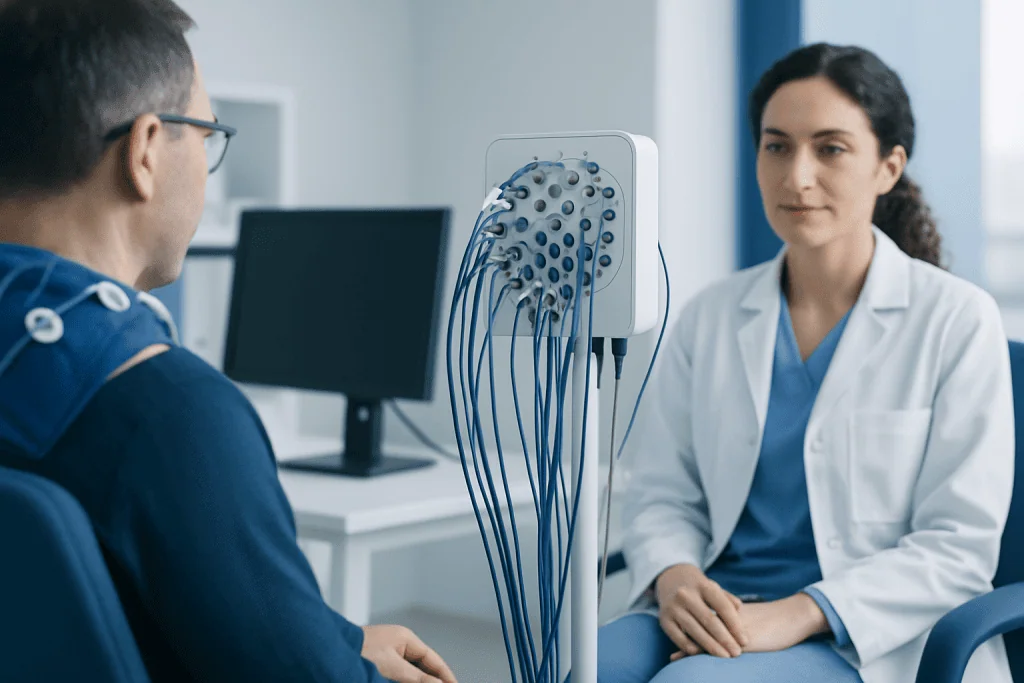
In most cases, neuropsychological testing is performed by a licensed clinical neuropsychologist. This specialist has training in psychology as well as additional expertise in the relationship between brain function and behavior. Their role includes reviewing the referral question, selecting appropriate tests, interpreting results in context, and preparing a report with practical recommendations for the patient, family, school, or healthcare team.
Depending on the clinic or hospital, parts of the testing session may be administered by a psychometrist or another trained professional working closely with the neuropsychologist. This team-based approach is common in larger centers. Even when support staff help with test administration, the neuropsychologist oversees the process, integrates the findings, and signs the final report.
Neuropsychological testing is not usually performed by a general psychologist, neurologist, or primary care doctor alone, although these professionals may use brief cognitive screening tools in clinic. If more detailed answers are needed, they often refer the person for a full neuropsychological evaluation. In some cases, the evaluation is coordinated with care for related conditions such as Alzheimer’s disease or other disorders affecting thinking and behavior.
How Referrals Usually Work

A referral for neuropsychological testing often begins when a doctor, therapist, teacher, or family member notices changes in thinking, learning, mood, or behavior that need closer evaluation. The referring clinician usually identifies a specific question, such as whether memory loss is consistent with normal aging or a neurological condition, whether attention problems suggest ADHD, or whether a person is recovering as expected after a head injury.
Common referrers include neurologists, psychiatrists, primary care physicians, geriatricians, pediatricians, rehabilitation physicians, and neurosurgeons. Schools may also recommend evaluation for children, while occupational medicine or legal professionals may request testing in some adult cases. The more focused the referral question is, the more useful the testing tends to be.
After referral, the neuropsychology team usually reviews prior records such as clinic notes, brain imaging, school reports, lab results, and medication lists. An appointment is then arranged for a clinical interview and testing. In multidisciplinary centers, the evaluation may be coordinated alongside related services such as neurology care, psychiatric assessment, or physical medicine and rehabilitation.
Some people can also seek neuropsychological testing directly, depending on local healthcare systems and insurance rules. However, even with self-referral, the neuropsychologist often benefits from communication with the person’s doctor to understand the medical context and to ensure the results can be used effectively in ongoing care.
When Neuropsychological Testing Is Recommended
Doctors may recommend neuropsychological testing when symptoms are complex, subtle, or difficult to explain with a short office visit alone. This can include forgetfulness, slowed thinking, trouble concentrating, word-finding difficulty, poor organization, learning concerns, personality change, reduced judgment, or challenges after a neurological event. Testing can help show whether the pattern of strengths and weaknesses fits a particular condition or suggests another explanation.
It is commonly used in adults with suspected mild cognitive impairment, dementia, concussion, traumatic brain injury, stroke, epilepsy, Parkinsonian disorders, multiple sclerosis, brain tumors, sleep disorders, or mood-related cognitive complaints. It may also be helpful before and after some neurological treatments or surgeries, or when families need clearer guidance on daily safety and support needs.
In children and adolescents, neuropsychological evaluation may be recommended for developmental delay, learning disorders, ADHD, autism-related questions, epilepsy, genetic conditions, or difficulties after illness or injury. The findings can support individualized educational planning and help families understand how a child learns best.
Testing is also sometimes used when emotional symptoms and cognitive complaints overlap. For example, anxiety, depression, poor sleep, chronic pain, medication effects, and stress can affect concentration and memory. A careful evaluation can help distinguish these contributors from neurodegenerative or structural brain conditions, including concerns related to Parkinson’s disease when appropriate.
What Happens During the Evaluation
A neuropsychological evaluation usually begins with a detailed interview. The neuropsychologist asks about current symptoms, medical history, medications, education, work, emotional health, language background, and day-to-day functioning. Family members may sometimes be invited to share their observations, especially when memory or insight is affected.
The testing itself involves a series of standardized tasks using paper-and-pencil activities, spoken questions, visual materials, and sometimes computer-based measures. These tasks are designed to assess different brain functions in a structured way. Some sections may feel easy and others challenging; this is normal and helps show an accurate profile of abilities.
The length of testing varies. Some evaluations are brief, while others take several hours or are split across more than one session. Factors such as fatigue, pain, hearing or vision problems, language differences, and anxiety are considered because they can influence performance. The aim is to create the fairest possible testing conditions.
Afterward, the neuropsychologist scores and interprets the results by comparing them with appropriate normative data and by integrating them with the person’s history and medical information. A final report usually explains what the results suggest, how they may relate to the referral question, and what practical next steps may help at home, school, work, or in medical care.
How Results Are Used in Care Planning
Neuropsychological testing does not stand alone. Its value comes from how the results are combined with the neurological examination, mental health assessment, imaging, laboratory studies, and functional history. In some cases, the findings support a diagnosis. In others, they help rule out certain explanations or show that more follow-up is needed over time.
The results often guide treatment planning in very practical ways. Recommendations may include medication review, psychotherapy, cognitive rehabilitation, speech and language therapy, school accommodations, workplace adjustments, driving evaluation, memory strategies, or support for caregivers. This makes the report useful not only for diagnosis but also for daily life.
In conditions that affect memory or thinking over time, repeat testing may sometimes be recommended to monitor change. Comparing evaluations across months or years can help doctors understand whether symptoms are stable, improving, or progressing. That information can be important in rehabilitation, aging, and chronic neurological disease management.
In larger multidisciplinary settings, patients may be referred onward after testing for services such as brain and nerve surgery when structural causes are being considered, or for therapies that address the functional impact of the cognitive findings. Near the end of the care pathway, some international patients choose centers such as Acibadem International, where multidisciplinary specialists in JCI-accredited hospitals evaluate and treat neurological and neuropsychological conditions.
Preparing for the Appointment and Getting the Most from It
Good preparation can make the evaluation smoother and more informative. Patients are usually advised to get as much sleep as possible the night before, eat normally unless told otherwise, wear any needed glasses or hearing aids, and bring a list of medications. If prior imaging, school records, or outside reports are available, these are often helpful to share in advance.
It is also useful to think about the main concerns that led to the referral. Specific examples of forgetfulness, work difficulties, school struggles, mood changes, or daily safety issues help the neuropsychologist understand the real-world impact of symptoms. Family members may add valuable details, especially when symptoms have developed gradually.
During testing, it is generally best to try each task without worrying about getting everything right. Neuropsychological testing is not a school exam to pass or fail. Honest effort gives the clearest picture of current functioning and leads to the most useful recommendations.
After the evaluation, many clinics arrange a feedback session to discuss the findings in plain language. This is an important opportunity to ask what the results mean, what they do not mean, and what practical steps should follow. If anything in the report is unclear, patients should feel comfortable asking for clarification.
When to Seek Medical Advice
A person should speak with a doctor if there are ongoing changes in memory, attention, language, problem-solving, behavior, school performance, or work functioning. The same is true after concussion, stroke, seizures, serious illness, or any event that seems to have affected thinking or personality. Early evaluation can help identify reversible contributors and guide the next steps.
Urgent medical attention is needed for sudden confusion, new weakness, facial drooping, trouble speaking, severe headache, loss of consciousness, or other rapidly developing neurological symptoms. These are not situations to wait for routine neuropsychological testing, because they may signal a medical emergency.
Even when symptoms seem mild, a referral can be worthwhile if concerns are affecting daily life or causing uncertainty for the person or family. Neuropsychological testing is often most helpful when there is a clear question to answer and when the results will be used to support treatment, safety, education, or rehabilitation planning.
Frequently asked questions
Is neuropsychological testing the same as a brain scan?
No. Neuropsychological testing measures how a person thinks, remembers, pays attention, and solves problems, while a brain scan shows brain structure or activity. The two can complement each other, and doctors often use both types of information together.
Do patients need a referral for neuropsychological testing?
Often, yes, but this depends on the healthcare system, clinic policies, and insurance requirements. Many people are referred by neurologists, psychiatrists, primary care doctors, pediatricians, or rehabilitation specialists. In some settings, self-referral is possible.
How long does a neuropsychological evaluation take?
It can vary from a shorter focused assessment to several hours of testing. Some evaluations are completed in one day, while others are divided into more than one session. The length depends on the referral question, age, symptoms, and complexity of the case.
Can neuropsychological testing diagnose dementia or ADHD by itself?
Not by itself. The results are interpreted alongside the medical history, examination, and sometimes imaging or lab tests. The evaluation can strongly support or question a diagnosis, but it is usually one part of a broader clinical assessment.
Should a family member come to the appointment?
Sometimes this is very helpful, especially for memory concerns, developmental questions, or when symptoms affect insight. A family member can provide examples of day-to-day changes that the patient may not notice. Clinics may give specific instructions about whether someone should attend all or part of the visit.
What if a person feels anxious about testing?
Feeling nervous is common. The evaluation is designed to understand current functioning, not to judge intelligence or personal worth. Letting the clinician know about anxiety, fatigue, pain, or other concerns can help them make the testing environment more comfortable and fair.
References
- American Psychological Association
- National Institute on Aging
- National Institute of Neurological Disorders and Stroke
- Centers for Disease Control and Prevention
- World Health Organization
This article is for general information only and is not a substitute for professional medical advice. Please consult a qualified doctor about your individual situation.
Explore treatments in Turkey — costs, top hospitals & a free quote
JCI-accredited · board-certified surgeons · reply within 24h
Add us as a Preferred Source to see more of our trusted health content across Google Search, AI Overviews and Discover.