Yag Laser Treatment Eye: How It Works, Results and What to Expect

YAG laser capsulotomy treats posterior capsule opacification, a common cause of blurred vision after cataract surgery. The procedure is usually performed in an outpatient eye clinic and typically takes only a few minutes.
Key Takeaways
- YAG laser capsulotomy treats posterior capsule opacification, a common cause of blurred vision after cataract surgery.
- The procedure is usually performed in an outpatient eye clinic and typically takes only a few minutes.
- Vision may improve quickly, although temporary blur, floaters, or light sensitivity can occur shortly afterward.
- Serious complications are uncommon but include raised eye pressure, retinal detachment, inflammation, and swelling of the central retina.
- Follow-up is important, especially for people with glaucoma, high myopia, diabetes-related eye disease, or prior retinal problems.
YAG laser treatment eye, also called YAG laser capsulotomy, is used to treat cloudy vision that can develop after cataract surgery. It creates a small opening in the clouded lens capsule so light can pass through clearly again, often improving vision without an incision.
Overview: What Is YAG Laser Treatment for the Eye?
YAG laser treatment eye usually refers to neodymium:yttrium-aluminum-garnet (Nd:YAG) laser capsulotomy. It is a procedure used when vision becomes cloudy months or years after cataract surgery. The cloudiness is not usually a return of the cataract; instead, it is most often caused by posterior capsule opacification (PCO), sometimes called a “secondary cataract.”
During cataract surgery, the eye’s natural cloudy lens is removed and replaced with an artificial intraocular lens. A thin, clear membrane called the posterior capsule is left in place to support the new lens. Over time, cells can grow on this membrane and make it less transparent. A YAG laser creates a central opening in the cloudy capsule, allowing light to reach the retina more freely.
The treatment does not remove or replace the artificial lens, and it does not involve a surgical incision. For many people, it can restore clearer vision when PCO is the reason for visual symptoms. An eye specialist first confirms that the capsule clouding, rather than another eye condition, is responsible for the change in sight.
Symptoms, Causes and Candidacy
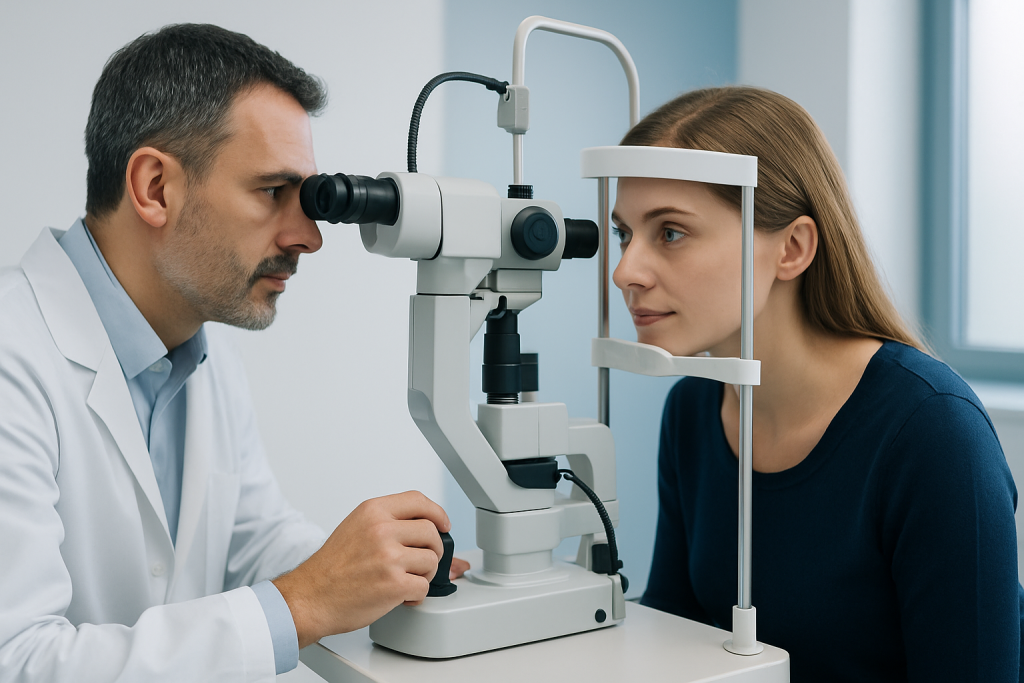
Posterior capsule opacification can cause symptoms similar to those experienced before cataract surgery. A person may notice gradually blurred or hazy vision, glare around lights, reduced contrast, trouble reading, poorer night vision, or colors seeming less bright. Symptoms may affect one or both eyes, depending on which eye has developed capsule clouding.
PCO can occur after any type of cataract surgery. It is related to normal healing changes in the lens capsule and is not caused by poor aftercare or by the cataract returning. Its timing varies greatly: some people develop it within months, while others do not experience it for years.
YAG capsulotomy may be considered when PCO is clearly affecting daily activities or when it prevents the ophthalmologist from adequately viewing the back of the eye. Before recommending treatment, the specialist checks for other possible causes of reduced vision, such as dry eye, glaucoma, macular disease, diabetic retinopathy, or retinal disorders. People with a history of retinal tears, retinal detachment, significant myopia, uveitis, or glaucoma may need additional assessment and closer follow-up.
YAG laser capsulotomy is not generally used to treat the original cataract or every type of blurred vision after surgery. Careful examination helps ensure that the expected benefit is realistic and that any coexisting eye condition is addressed appropriately.
How Does a YAG Laser Capsulotomy Work?
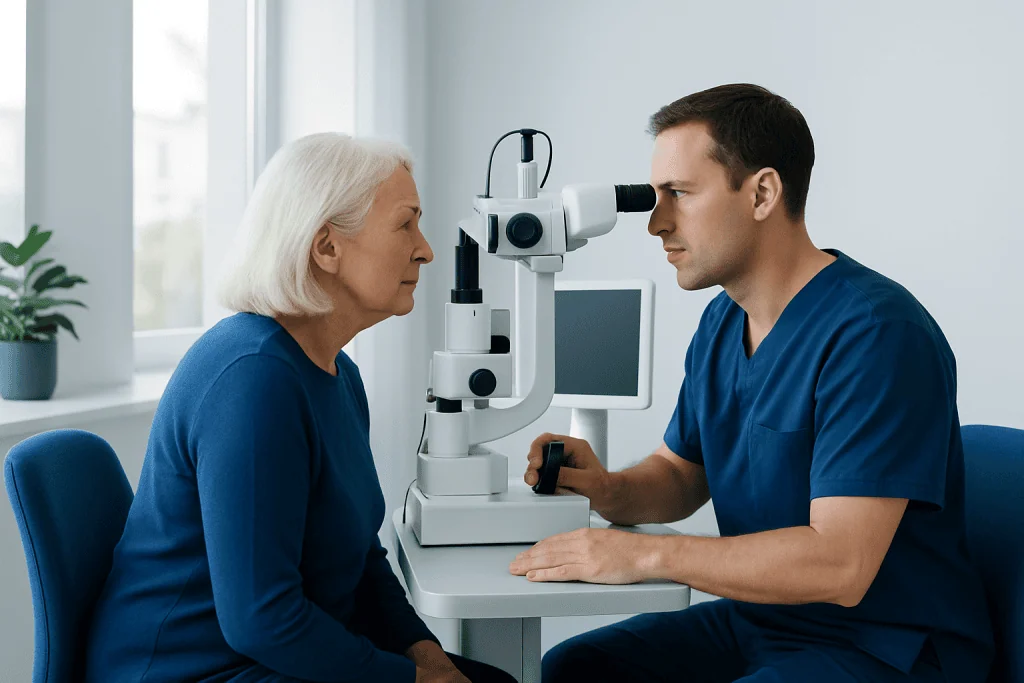
The YAG laser focuses short pulses of energy precisely onto the clouded posterior capsule behind the artificial lens. The pulses make a small, circular opening in the center of the membrane. This opening creates a clear visual pathway without damaging the intraocular lens when the procedure is performed with appropriate technique.
Unlike laser vision correction procedures that reshape the cornea, YAG capsulotomy works inside the eye on the lens capsule. It is therefore specifically intended for vision loss caused by PCO after cataract surgery. The treatment is usually painless because no cutting of the eye surface is required.
Before treatment, the ophthalmologist may use eye drops to widen the pupil and, in some cases, drops to lower the chance of a temporary pressure rise. The exact plan depends on the person’s eye history, the degree of capsule clouding, and the specialist’s clinical assessment.
Acibadem International’s ophthalmology teams can assess blurry vision after cataract surgery and provide YAG laser capsulotomy when it is clinically appropriate for international patients.
What Happens During the Procedure?
YAG laser capsulotomy is commonly performed as an outpatient procedure. The patient is seated at a laser machine, similar to the equipment used for a routine slit-lamp eye examination. Numbing drops are placed in the eye, and dilating drops may be given beforehand.
The ophthalmologist may place a special contact lens on the eye to keep the eyelids open, stabilize the eye, and help focus the laser. This lens is used with numbing drops and is generally not painful, although mild pressure may be felt. The patient is asked to look straight ahead at a target light while the specialist delivers laser pulses.
The laser portion often takes only a few minutes. A person may see bright flashes and may hear soft clicking sounds. Afterward, vision can be temporarily blurred from the dilating drops or from small particles released during the procedure. The eye pressure may be checked before the patient leaves, particularly for those with glaucoma or other risk factors.
Most people can go home the same day. Because the pupil may remain dilated and vision may be blurred for several hours, arranging transport or avoiding driving until vision is comfortable and clear is a sensible precaution.
Benefits, Results and Recovery Timeline
The main potential benefit of YAG laser treatment eye is clearer vision when PCO is the source of the visual problem. Many people notice an improvement within hours or days, while others experience more gradual clearing as the eye settles. The procedure is generally considered effective because the opening in the capsule usually remains clear.
Immediately afterward, a person may notice mild blur, glare, light sensitivity, or small floating spots. These symptoms often improve over a short period. Floaters can occur because tiny capsule particles move within the gel-like vitreous of the eye; they commonly become less noticeable, but a sudden increase in floaters should be assessed promptly.
Recovery instructions vary. Some people are prescribed anti-inflammatory eye drops for a limited period, while others may not need them. The ophthalmologist may schedule a follow-up visit to measure eye pressure, assess the opening in the capsule, and review vision. It is important to use only prescribed drops and attend recommended appointments.
If vision remains reduced after treatment, this does not necessarily mean the procedure has failed. The specialist may look for another explanation, such as an uncorrected glasses prescription, swelling in the macula, corneal changes, retinal disease, or optic nerve problems.
How long does it take for eyes to heal after a YAG laser? Most people return to ordinary, non-strenuous activities the same day or the following day. Vision often begins to clear within several hours to a few days, but full visual stabilization can take longer if there is pre-existing eye disease, inflammation, or temporary retinal swelling. The treating ophthalmologist can provide the most accurate timeline for the individual eye.
What Not to Do After a YAG Capsulotomy
What not to do after a YAG capsulotomy? Most people do not need major activity restrictions, but they should follow the ophthalmologist’s specific instructions. It is sensible not to drive while vision is blurred or pupils remain dilated, and to avoid rubbing or pressing on the treated eye. If eye drops have been prescribed, they should be used exactly as directed.
For the first day, people may prefer to avoid activities that require very sharp vision, such as driving at night or operating machinery, until their sight feels normal. They should not use someone else’s eye drops or restart old medications without advice. Contact lenses should only be worn according to the eye specialist’s guidance.
Normal washing, reading, screen use, and gentle daily activity are often possible. Heavy physical exertion is not routinely prohibited for everyone, but people with retinal risk factors or other eye conditions should ask their ophthalmologist whether temporary limits are appropriate.
Does eyesight get worse after a YAG laser capsulotomy? Temporary blur can occur right after treatment and does not usually indicate permanent worsening. When PCO is the cause of visual loss, vision commonly improves after the capsule opening is made. However, sight can remain limited or occasionally worsen if another eye condition is present or if a complication develops, which is why follow-up and prompt reporting of new symptoms matter.
What Are the Disadvantages and Risks of YAG Laser?
What are the disadvantages of YAG laser? Although YAG capsulotomy is usually brief and well tolerated, it is still an eye procedure and has potential risks. Short-term effects can include temporary blurred vision, glare, floaters, mild inflammation, and a temporary increase in eye pressure. Some people need pressure-lowering drops or monitoring after treatment.
Less common complications include swelling at the macula, damage to the intraocular lens, retinal tear, or retinal detachment. Retinal detachment is uncommon but is more relevant for people with high myopia, previous retinal problems, or certain surgical histories. In rare circumstances, the opening may not provide the expected improvement because PCO was not the only reason for reduced vision.
Once a capsulotomy opening has been made, it cannot be reversed. For this reason, ophthalmologists generally confirm that PCO is visually significant and consider the person’s eye history before proceeding. Discussing expected benefits, alternatives, and individual risks helps patients make an informed decision.
YAG capsulotomy is different from procedures for other eye concerns. For example, changes in corneal shape, retinal disease, or lens implant position require different assessment and treatment. A comprehensive eye examination is the appropriate starting point for any new or persistent visual symptom.
When to Seek Medical Care
Contact an eye doctor urgently after YAG laser treatment if there is sudden or worsening loss of vision, severe eye pain, increasing redness, a marked increase in floaters, flashes of light, or a dark curtain or shadow moving across the field of vision. These symptoms can have several causes and need prompt assessment to protect vision.
It is also important to seek routine eye care if cloudy vision returns gradually, reading becomes more difficult, glare becomes troublesome, or vision does not improve as expected after cataract surgery. Not all visual changes are due to PCO, and a professional examination can identify treatable causes.
People who have diabetes, glaucoma, high myopia, prior retinal disease, or a history of eye inflammation should keep regular follow-up appointments. Their ophthalmologist may recommend a personalized monitoring plan before and after laser treatment.
Acibadem International’s multidisciplinary specialists and JCI-accredited hospitals support assessment and treatment of eye conditions for international patients, with care plans guided by individual ophthalmic findings.
Frequently asked questions
Is YAG laser treatment painful?
YAG laser capsulotomy is usually not painful because numbing eye drops are used. A person may notice bright flashes, clicking sounds, or mild pressure if a contact lens is used during the procedure. Temporary irritation or light sensitivity can occur afterward.
Can posterior capsule opacification come back after YAG laser?
The central opening made by the laser usually stays open, so the same capsule clouding does not typically return in that area. If vision later becomes blurred again, an eye specialist should check for another cause. This may include a change in glasses prescription or another condition affecting the eye.
Do I need someone to take me home after YAG laser capsulotomy?
It is often helpful to arrange transport because dilating drops and temporary blur can make driving uncomfortable or unsafe for several hours. Some people may be able to drive later the same day once their vision is clear and their doctor has not advised otherwise. The safest plan depends on the individual’s vision and local driving requirements.
How soon can I exercise after YAG laser treatment?
Many people can resume gentle daily activity shortly after the procedure. However, the ophthalmologist may recommend temporary limits on strenuous exercise for people with specific retinal risks or other eye conditions. Following the personalized aftercare advice is most important.
Will I still need glasses after a YAG capsulotomy?
YAG laser capsulotomy clears the capsule behind the artificial lens but does not change the lens implant or correct all refractive errors. Some people still need glasses for reading, distance, or astigmatism after treatment. A new glasses assessment may be considered once vision has stabilized.
Can YAG laser capsulotomy be done more than once?
In most cases, one procedure is sufficient because the opening in the posterior capsule remains present. Occasionally, a specialist may consider further laser treatment if the opening is too small or if residual capsule material affects vision. This decision is based on an eye examination.
References
- American Academy of Ophthalmology
- National Eye Institute
- Royal College of Ophthalmologists
- Mayo Clinic
This article is for general information only and is not a substitute for professional medical advice. Please consult a qualified doctor about your individual situation.
Explore treatments in Turkey — costs, top hospitals & a free quote
JCI-accredited · board-certified surgeons · reply within 24h

More from the Health Library



Related Specialists

Dr. Mohammad Sevimli
Anesthesiology
Prof. Dr. Ayhan Aşkın
Physical Medicine and Rehabilitation
Dilek Küçükvardar
Physical Medicine & Rehabilitation
Dr. M. Ecem Albayrak
Gynecology & Obstetrics