

At Acibadem Health Point: How to Book and Prepare for Your Visit

Acibadem Health Point is a coordination service for international patients, not an online patient-portal login. If you are planning care in Turkey, booking at Acibadem Health Point starts with an inquiry: you share your medical records, medication list and travel dates, then review a proposed appointment plan with an international patient coordinator before you fly.
You are planning treatment in Turkey and want to know what to send, when to send it, and how to arrive prepared. This guide covers all of that. It also clears up a common mix-up: Acibadem Health Point is a patient service, not an online login portal.
Read on for how booking actually works, which documents matter most, how quotes are put together, and what your first days in Turkey are likely to look like.
At a glance
- Best for: International patients planning consultations, tests or treatment in Turkey
- Not to be confused with: hospital patient-portal logins that use similar-sounding names
- What to prepare: Passport, medical records, medication list, travel dates and a written list of questions
- Support available: International patient coordinators, interpreter assistance and practical travel guidance
- Booking timeline: Varies by specialty, urgency, test requirements and how flexible your travel dates are
Looking for a patient-portal login? Here is the difference
Some people land on pages like this while looking for a hospital’s online patient-portal login. If that is you, here is the honest answer first: this page is not a login portal. Several health systems around the world run patient portals with similar-sounding names, and none of them has any ownership link, partnership or affiliation with Acibadem.
Acibadem is a healthcare group headquartered in Turkey, and this website serves international patients travelling here for care. The words “health point” in Acibadem Health Point describe a service concept, a single point of contact for planning your visit, not a software portal. Similar-sounding names cause real confusion: several other organisations use comparable wording and have nothing to do with each other or with us.
So the practical rule is simple. If you need to log in to a home hospital’s portal, reset a password or pay a bill there, use that organisation’s official website. If you are considering treatment in Turkey and want to understand how booking and preparation work at Acibadem, keep reading: the rest of this guide is written for you.
What Acibadem Health Point means for your visit
At Acibadem Health Point, your journey usually starts before you travel. Rather than coordinating every detail on your own, you begin by describing your medical need, your preferred dates, and any records you already hold. This helps the international team understand whether the sensible next step is a consultation, further tests, a second opinion or a treatment plan.
For an international patient, coordination is often the most valuable part. Acibadem International supports patients coming to Turkey with practical planning: communication with the hospital, document collection, language support and guidance on appointments. The details of how that service is organised are explained in how our international patient service works.
Depending on your condition, your case may be reviewed by more than one specialist or department. In practice, that means relevant doctors can look at your file together where needed, so you are not left connecting the different parts of a large, united hospital network by yourself.
How booking usually works
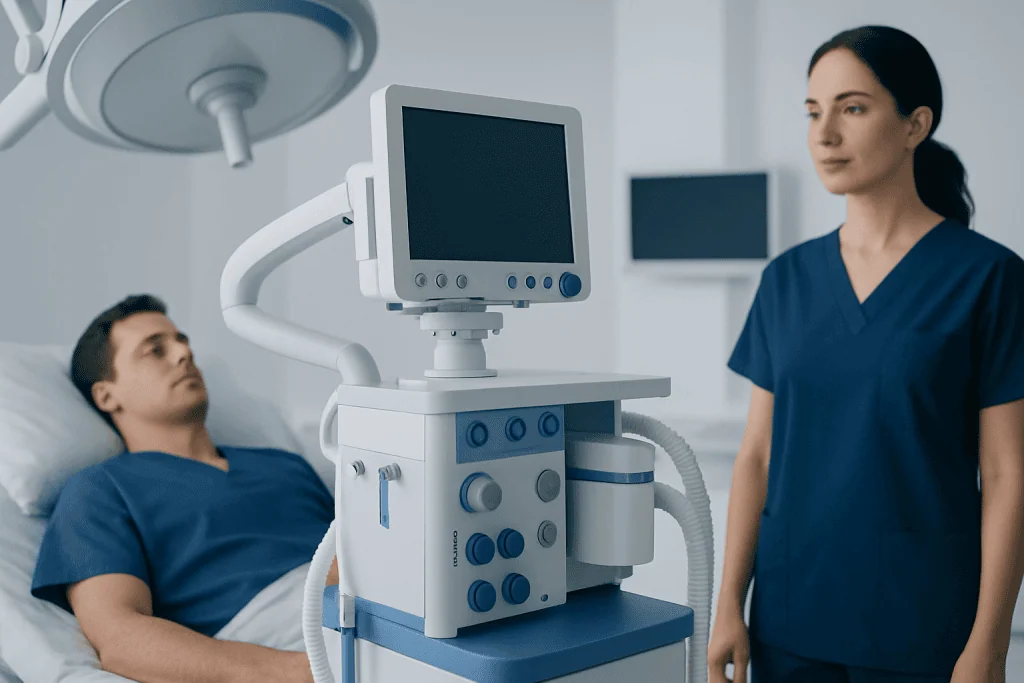
Booking begins with an inquiry. You describe your symptoms or diagnosis, mention any previous treatments, and explain the reason for your visit. Knowing the specialty you need helps, but it is not required: the coordination team can usually point your case to the right department based on the information you provide. There is a separate step-by-step guide on how to book an appointment at Acibadem Health Point if you want the process in detail.
After the initial contact, the team typically asks for supporting documents: reports, scan results, laboratory tests and a list of your current medicines. The clearer and more complete your file, the easier it is to direct your case appropriately. Missing records are not a dead end: you can start the process and add information later.
Once your case has been reviewed, you receive guidance on the next step. That may be a consultation, a diagnostic assessment or a proposed visit schedule. In some cases, final planning can only be confirmed after an in-person examination, so keep your travel plans reasonably flexible. Unlike a self-service portal where you click through a scheduling screen, international booking at Acibadem is a coordinated conversation, slower in some ways, but built around a case that crosses borders.
- Share your medical concern and preferred travel window
- Provide available medical records and imaging reports
- Confirm whether you want consultation, testing or treatment planning
- Review the proposed appointment plan with the coordinator
What documents and information you should prepare

Gather the documents that let a doctor understand your history quickly. Start with your passport, recent medical reports, pathology results if relevant, imaging discs or download links where available, and a medication list with doses and timing. Allergy information, implant cards and discharge summaries from recent hospital stays are also worth including. A well-structured medication list matters more than most patients expect: there is a full guide on how to prepare a medication list for treatment in Turkey.
Organise your records in date order, most recent first. If your documents are in a language other than English or Turkish, ask which items are worth translating. You usually do not need every page translated; clear summaries and key reports speed up planning far more than a translated archive.
Prepare your logistics information at the same time. Keep your expected arrival date, city of departure, companion details and contact numbers together in one place. If you are used to a patient portal at home, export or download your records from it before you travel, because your home portal will not connect to systems abroad.
How costs and quotes are handled
This guide does not quote figures, because honest figures cannot exist before your case is reviewed. What can be explained is the structure. A quote for international treatment typically depends on the type of procedure or consultation, the diagnostic tests likely to be needed, the expected length of stay, the hospital involved, and whether services such as interpreter support or transfers are included.
Quotes are usually prepared after your records have been assessed, and they may be revised once a doctor examines you in person, particularly if new tests change the picture. Ask what a quote includes and excludes, whether follow-up visits are covered, and how changes to the plan are handled. The guide on questions to ask before booking surgery in Turkey covers this in depth.
If you hold health insurance, check its terms before committing to travel. Many policies treat planned treatment abroad differently from emergency care abroad, and some do not cover it at all. Your insurer, not the hospital, is the authority on what your plan pays for.
How to prepare yourself before travelling to Turkey
Once your visit is taking shape, turn to practical preparation. Check your passport validity, visa requirements if applicable, and flight options that leave room around your appointment dates. If your treatment plan is not yet fully confirmed, avoid rigid bookings that would be expensive in stress to change.
Bring enough of your regular medicines in their original packaging, along with copies of your prescriptions. Do not change how you take any medicine before travelling: that decision belongs to your treating doctor. Carry essential records in printed and digital form, and keep them in hand luggage rather than checked baggage.
If you are travelling with a companion, decide in advance who handles documents, local transport and day-of-appointment communication. Interpreter support is often available, but one familiar person at your side still helps. If you are travelling alone, say so early, so the practical guidance you receive fits your situation.
Uncertainty before medical travel is normal. A written list of questions keeps your first appointment focused: ask about timing, expected tests, how long you may need to stay in Turkey, and what follow-up could look like after you return home.
What to expect when you arrive
Your first day usually involves registration, document review and confirmation of your appointment schedule. Bring your passport and any records not sent in advance. Even if everything was shared electronically, carry backups, something may need to be rechecked.
Your consultation may lead to additional tests the same day or later, depending on the specialty and your condition. That is common and does not necessarily signal a problem; the team often simply needs current imaging, blood work or specialist input before confirming a recommendation. If the idea of a shifting schedule worries you, read how patients can stay prepared for unexpected test or treatment changes before you fly.
Inside the hospital, international patient services help with language support, wayfinding and scheduling updates. If you are unsure where to go next, ask early rather than working it out under time pressure. Small logistical questions are far easier to solve before your appointment time than during it.
How to make your visit smoother and less stressful
The simplest stress-reducer is time. Leave a buffer between your flight arrival and your first appointment, and do not overfill the first day. Medical visits run long, especially when extra testing or discussion is needed.
Stay reachable. Keep your phone charged, check messages regularly, and make sure the hospital has your best number or messaging app. If you change hotels, flights or local numbers, update your coordinator promptly: a plan can only be adjusted around information the team actually has.
Think ahead about comfort: practical clothing for appointments, water and a light snack where appropriate, and a small folder for documents and receipts. If you use glasses, hearing aids, mobility aids or any other personal support item, pack it where you can reach it quickly.
- Keep copies of all important documents
- Arrive early for appointments
- Bring your regular medicines and a written medication list
- Save your coordinator’s contact details in more than one place
- Ask for clarification whenever something is unclear
Planning follow-up before you fly home
Preparation does not end when treatment does. Before you leave Turkey, make sure you understand what follow-up is expected, which parts can happen remotely, and which, if any, would require another visit. The answer differs by specialty and procedure; the guide on aftercare appointments in Turkey explains how follow-up schedules are typically shaped. Ask for written discharge documents and reports before departure, so the doctors you see at home have a clear record to work from.
Step by step
- Start with an inquiry. Explain why you want to visit, what symptoms or diagnosis you have, and when you hope to travel. Mention any reports or scans you already hold so the coordination team can advise on the best next step.
- Share your medical documents. Provide recent records, imaging reports, laboratory results and your current medication list. Well-organised information helps the hospital team understand your case faster and reduces planning delays.
- Review the proposed appointment plan. Once your case is assessed, you receive guidance on consultations, tests or likely scheduling. Read it carefully and question anything unclear, especially how many days you may need in Turkey.
- Confirm travel and accommodation. Finalise flights and lodging once the plan is clear enough. If you need help with logistics, raise it early so there is time to coordinate.
- Pack your health and travel essentials. Passport, records, medicines, prescriptions and emergency contacts go in hand luggage. Keep digital backups of key documents on your phone or in email.
- Arrive with time to spare. Reach the hospital early on the first day, especially if registration is needed. Extra time absorbs wayfinding, paperwork and last-minute questions without a rush.
- Use your coordinator during the visit. If your schedule changes or you need language support, the international patient team is there so you do not have to manage everything alone.
Your checklist
- Valid passport and any required visa documents
- Recent medical reports, scan results and discharge summaries
- Medication list with doses and timing
- Original medicines in hand luggage
- Printed and digital copies of key records, including anything downloaded from a home patient portal
- Confirmed flight, accommodation and arrival details
- Written questions for your consultation
- Coordinator contact details saved on your phone and on paper
Key takeaways
- Acibadem Health Point is an international patient service in Turkey, not a login portal.
- Booking at Acibadem usually begins with sharing your medical need, records and travel preferences, followed by a proposed appointment plan.
- Good preparation means gathering medical documents, medicines, passport details and practical travel information early.
- Your schedule may include a consultation first, with additional tests or specialist reviews after arrival: that is normal, not a warning sign.
- Quotes are structural before examination: what they cover depends on procedure, tests, stay length and included services.
- Time buffers in your travel plan make the whole visit calmer and easier to adjust.
Frequently asked questions
Is Acibadem Health Point connected to any other health system?
No. Acibadem Health Point is Acibadem’s own coordination service for international patients. Health systems elsewhere that use similar wording are not owned by, partnered with, or connected to Acibadem in any way; the similar names are a coincidence, nothing more.
Is Acibadem Health Point an app or a login portal?
No. Acibadem Health Point is a coordination service for international patients, not a login portal or an app. For logins, billing or proxy access to a home hospital’s portal, use that organisation’s official website.
What is a point of service (POS) health plan?
A point of service plan is a type of US health insurance that combines features of HMO and PPO designs: you typically choose a primary care doctor and need referrals for specialists, but you keep some ability to see out-of-network providers. If you hold any insurance and are considering treatment abroad, the relevant question is whether your specific policy covers planned overseas care, many do not, so check with your insurer directly.
What is the point of health insurance for international treatment?
Health insurance exists to protect you from large, unpredictable medical expenses by pooling risk. For international treatment, its usefulness depends entirely on your policy’s terms: some plans cover emergencies abroad but not planned procedures, others exclude overseas care altogether. Read your policy and confirm coverage in writing before you commit to travel.
How far in advance should you book your visit?
Start as early as you reasonably can, especially if you need to gather records from more than one doctor or arrange international travel. The realistic timeline depends on your medical need, how urgent your case is, and how flexible your travel dates are.
What if your records are not in English or Turkish?
Send what you have and ask which documents are worth translating. Key reports, summaries and recent results are usually the priority, not every page of your file. Clear, recent information matters more than volume.
Can your appointment plan change after you arrive?
Yes. After an in-person consultation, the doctor may request updated tests or opinions from other specialists before confirming the next step. This is a normal part of careful planning, so build some flexibility into your schedule and travel bookings.
Should you bring original documents if you already sent them online?
Yes, whenever possible. Printed copies and original imaging discs or reports can be helpful during registration or consultations, even when digital versions were shared in advance. Keep them in your hand luggage.
Add us as a Preferred Source to see more of our trusted health content across Google Search, AI Overviews and Discover.

Update history
- PublishedJune 22, 2026
- Medical review approvedSeptember 13, 2026
- Last content updateSeptember 12, 2026
References3
- Traveling Abroad with Medicine: CDC Travelers' Health wwwnc.cdc.gov
- Turkey: CDC Travelers' Health Destination Page wwwnc.cdc.gov
- Foreign travel advice: Turkey: GOV.UK gov.uk
More Patient Guides

At Acibadem, How We Explain Expected Clinical Outcomes and Treatment Success Information
Expected clinical outcomes at Acibadem are explained in clear, realistic terms so you understand likely benefits, limits, risks, and next steps in…

At Acibadem, How Families and Companions Are Supported During Treatment Travel
At Acibadem, family support during treatment travel in Turkey includes interpreters, planning help, visitor guidance, and practical support for companions.

At Acibadem, How Our JCI-Accredited Hospitals Support Safe International Care
JCI-accredited hospitals at Acibadem support safe international care in Turkey with standardized quality, interpreters, coordination and follow-up.

At Acibadem, What Our International Patient Package May Include Before You Travel
International patient package at Acibadem may include medical planning, travel help, interpreters, and stay support in Turkey before you travel.