

Aftercare Appointments in Turkey: How Many Follow-Up Visits Might You Need?

Most international patients attend between one and three in-person aftercare appointments in Turkey before flying home, though the exact number depends on the procedure, healing progress, and any tests your doctor wants to see. Minor treatments may need a single review; major surgery usually needs a structured series of checks. After you return home, some follow-up can continue remotely or through a local doctor.
How many times will you need to return to the hospital before you can fly home? It is one of the first questions international patients ask, usually while they are still trying to book flights and arrange time off work.
The honest answer is that aftercare appointments in Turkey are not a fixed package with a fixed count. The number depends on your procedure, how your body heals, and whether your doctor needs to examine you in person or can review your progress remotely. This guide explains the patterns that most patients follow, what shapes your individual schedule, and how follow-up continues once you leave the country.
At a glance
- Typical pattern: Often one to three in-person follow-up visits before travelling home, then remote check-ins where appropriate
- What affects the number: Type of treatment, healing progress, test results, mobility, and how soon you plan to fly
- In person vs remote: Wound checks, drain or stitch removal, and physical examinations need attendance; many progress reviews do not
- Before you fly: You usually need your doctor’s clearance to travel, medication instructions, and complete written records
- After returning home: Follow-up may continue through video reviews, a local doctor, or imaging and blood tests done in your own country
How many aftercare appointments in Turkey might you need?
There is no single number that suits everyone, and you should be cautious of anyone who quotes one before knowing your case. Some patients need one main review before discharge and one final check before flying home. Others need several appointments spread over days or weeks. Your schedule depends mostly on what was done, how quickly you recover, and what your doctor needs to see in person: wound healing, pain control, mobility, swelling, blood results, or imaging.
For many international patients, the pattern looks like this: an early post-treatment review shortly after the procedure, a second check a few days later, and a final travel-readiness appointment if one is needed. Less invasive treatments often need fewer in-person visits. Major surgery, orthopaedic procedures, cancer care, and other complex treatment usually involve a more structured series of checks, sometimes including follow-up imaging or laboratory tests before you are cleared to leave.
It helps to think of aftercare appointments in Turkey as the first of two phases. Phase one happens while you are still in the country, where your treating team can examine you directly. Phase two happens after you fly home, where monitoring may continue by video, by report-sharing, or through a doctor in your own country. Before treatment, ask your doctor which of your reviews belong to which phase. Knowing this early makes flights, accommodation, and time off work far easier to plan.
What determines your aftercare schedule
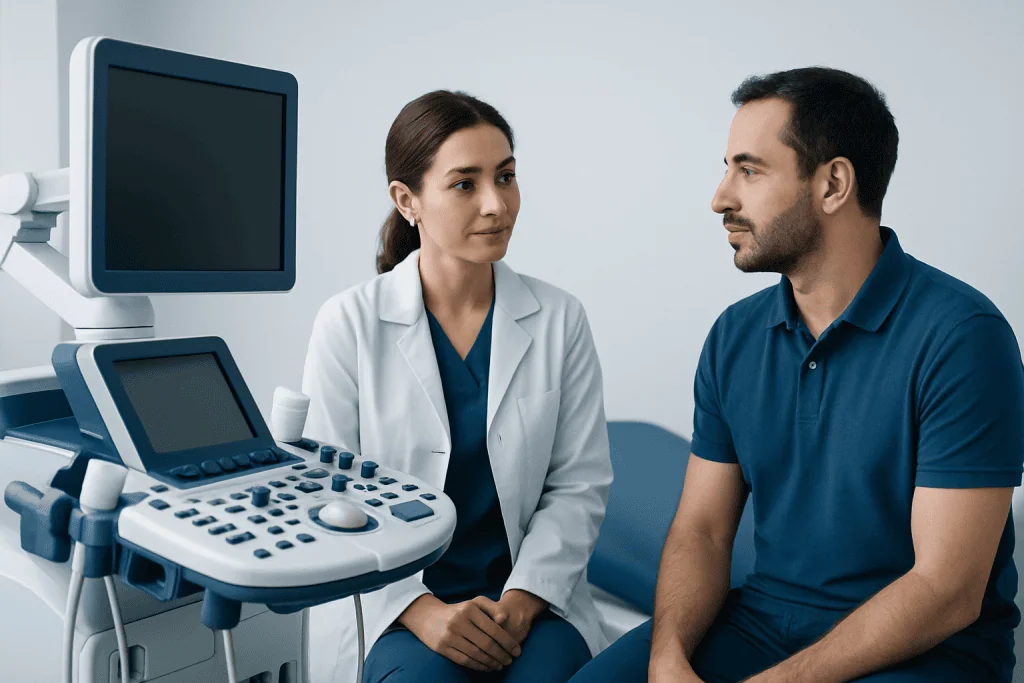
The biggest factor is the treatment itself. A minor day procedure may need only a short review and clear written instructions. A larger operation may involve wound checks, drain removal, dressing changes, blood work, imaging, or rehabilitation planning, and each of those tends to add an appointment. If your treatment affects walking, eating, breathing, or daily activity, your doctor may want extra time to confirm that recovery is progressing before agreeing a travel date.
Your personal medical situation matters just as much. Age, pre-existing conditions, current medications, smoking, diabetes, mobility limitations, and whether you have someone travelling with you can all influence how closely you are monitored. A smooth recovery usually keeps the schedule simple. Slower healing, more swelling than expected, or unusual fatigue may mean an added visit. This is not a failure of planning; it is the plan adapting to your body, which is exactly what aftercare is for.
Travel logistics play a role too. If you intend to fly soon after treatment, your doctor may schedule one more appointment close to departure to confirm you are ready. If you are staying in Istanbul or another city for a longer recovery, the same number of appointments can be spread out more comfortably. Either way, the practical lesson is the same: avoid locking in a fixed return flight before your doctor has given you a realistic timeline. Some patients also find they need extra recovery time in Turkey before flying home, and flexible bookings absorb that far better than rigid ones.
What usually happens at a follow-up appointment

Most aftercare visits are short, practical, and focused. Your team may check your temperature and vital signs, assess swelling or bruising, inspect the wound or treatment area, and ask how you are managing with eating, sleeping, walking, and your medication routine. After surgery, the conversation usually covers dressings, showering, scar care, and activity limits: what you can do now, what should wait, and roughly when the next milestone comes.
Some appointments include tests, such as blood work, imaging, or a mobility assessment. Others are brief reviews whose purpose is simply to confirm that healing is on track and that you are ready for the next step, whether that is discharge from hospital, moving to a hotel, starting rehabilitation exercises, or clearance to travel.
Follow-up visits are also the right moment to gather your paperwork. Depending on your treatment, you may want a fitness-to-fly letter, copies of your reports, an up-to-date medication list, pathology or imaging records, and a written summary your doctor at home can read. Acibadem’s international patient teams include interpreters who can go through these documents with you, so you leave each appointment understanding the instructions rather than guessing at them later in a hotel room.
How long should you stay in Turkey for aftercare?
Your stay should match your treatment, not your flight preference. Some patients are ready to travel within a few days. Others should remain in Turkey for one to two weeks or longer so the medical team can watch early healing directly. The first days after treatment are typically when the most questions arise: about pain control, wound care, movement, swelling, and how medications feel in practice. Being near your treating team during that window keeps the answers fast and first-hand.
It is often easier to plan the trip in layers: the hospital stay, then a nearby hotel or apartment, then return travel once your doctor agrees you are ready. Layered planning builds in flexibility if an extra review is added, and it reduces stress if you are tired, sore, or moving more slowly than you expected. If several visits are scheduled close together, staying near the hospital matters more than it might seem; a short, arranged journey is much easier on a recovering body than a long taxi ride across a large city. Our guide to hospital-to-hotel transfers for follow-up visits explains how that side of the trip typically works.
One more practical point: know who to contact between appointments before you are discharged, both during office hours and outside them. A good aftercare plan is not only a list of appointment dates. It also tells you where questions go while you wait for the next one.
How costs for aftercare visits are usually structured
This guide does not quote figures, because there is no honest single figure to quote. What you can rely on is the structure. When treatment is arranged through a hospital’s international patient department, the follow-up visits that belong to that treatment are normally discussed as part of the overall plan before you travel. The right question to ask when you receive a quote is precise: which follow-up appointments, tests, and dressings does this cover, and what would fall outside it? Getting that answer in writing prevents most surprises.
A related question people search for is whether medical care in Turkey is free for tourists. As a rule, it is not. Turkey’s public health insurance covers people enrolled in its system, such as residents; visitors are generally expected to pay for the care they receive, either directly or through travel or health insurance. Emergency departments will treat anyone who arrives, but that treatment is billed like any other care for a visitor. This is one reason travel insurance that covers medical complications abroad is worth reading closely before any medical trip.
For standalone services, such as a single specialist consultation or a full-body check-up, the price depends on what the appointment actually contains: the specialty involved, whether blood tests or imaging are bundled in, how many specialist reviews are included, and which hospital and city you attend. Two “check-up” quotes can describe very different baskets of tests, so compare contents, not headlines.
What happens after you return home
Follow-up does not always end when you leave Turkey, and for anything beyond minor treatment it usually should not. Many patients continue with remote check-ins, particularly when the purpose is to review symptoms you describe, look at healing photos, discuss test results, or adjust routine advice. You may be asked to send wound photographs, share blood results, or arrange imaging locally and forward the report for your treating doctor to review. Acibadem explains how this works in practice in our guide on how we arrange remote follow-up with your local doctor.
For some treatments, a doctor in your home country becomes part of the plan. That can include dressing changes, stitch or staple removal, blood pressure checks, physiotherapy, or ongoing management of health conditions you already had. Before you leave Turkey, ask your treating doctor to spell out who handles each part of your aftercare: what stays with the team in Turkey, what transfers to a local doctor, and how the two should share information. Our guide on when you may need local help after returning from Turkey covers this handover in more detail.
The single most useful thing you can do for phase two is leave Turkey with complete records: discharge summary, operative or treatment notes where provided, prescriptions, test and imaging reports, and written aftercare instructions in a language your local doctor can read. A long flight is a poor place to rely on memory, and a local doctor with full documentation can help you far more effectively than one working from your recollection.
How to plan your travel around follow-up visits
Plan conservatively. Build in enough time for at least one review you did not expect, especially after surgery or any treatment that affects mobility. Choose changeable flights where you can. The small extra cost of flexibility is usually cheaper than rebooking under pressure, and it removes the temptation to rush a departure your doctor is not yet comfortable with.
Think beyond the appointment itself. Consider how you will get to and from the hospital, whether you need a companion, how much walking each journey involves, and whether you can manage stairs, luggage, and airport queues in your expected condition. A follow-up schedule that looks light on paper can feel heavy when you are fatigued or in pain, and honest planning now is kinder than optimism later.
A practical setup for aftercare appointments in Turkey usually includes a small bag ready for repeat visits, a written medication timetable, your passport and medical reports kept together, and the hospital’s contact numbers saved in your phone. If Acibadem is coordinating your stay, the international patient team can confirm transport timing, interpreter availability, and the exact clinic location for each review, so recovery days run to a predictable rhythm rather than a scramble.
Step by step
- Ask for a realistic follow-up timeline before treatment. Before you travel, ask how many in-person reviews are usual for your type of treatment and how long patients commonly stay in Turkey afterwards. Plan flights, accommodation, work leave, and companion support around that answer, not around guesses.
- Keep your return travel flexible. Avoid a non-changeable return date booked tightly against your procedure. Even a smooth recovery can end with your doctor wanting one more look before agreeing you are ready to fly.
- Confirm which visits must be in person. Physical examinations, dressing care, drain or stitch removal, blood tests, and imaging need attendance; many progress reviews do not. Knowing the split tells you how long to stay near the hospital.
- Ask what your quote covers. Clarify in writing which follow-up appointments, tests, and materials are included in your treatment plan and which would be charged separately, so nothing about the schedule surprises you financially.
- Prepare your aftercare documents before discharge. Collect reports, prescriptions, fitness-to-fly advice where relevant, medication instructions, and a summary for your doctor at home. Keep everything in English, stored digitally and on paper.
- Stay within easy reach of the hospital. If several reviews are expected, short transfers make recovery days far less tiring, particularly with early appointments, limited mobility, or lingering pain.
- Agree the remote follow-up process before you leave. Ask how to send updates, photos, or test results after you return home, save the correct contact details, and clarify expected response times so phase two starts with no ambiguity.
Your checklist
- Ask how many follow-up visits are typical for your treatment
- Confirm in writing what your quote includes for aftercare
- Leave flexibility in your return flight and accommodation booking
- Stay close to the hospital if multiple visits are expected
- Keep a daily note of symptoms, temperature, pain, and medications taken
- Request copies of reports, imaging, prescriptions, and discharge notes
- Save the hospital’s in-hours and out-of-hours contact numbers in your phone
- Confirm who handles each part of your aftercare once you are home
- Pack loose clothing, easy shoes, and supplies for repeat clinic visits
Key takeaways
- Most international patients attend one to three early follow-up visits, but the exact number depends on the treatment and how recovery goes.
- Major surgery and complex care involve more structured aftercare than minor procedures.
- Do not fix your return travel tightly until your doctor gives guidance on safe timing.
- Remote follow-up after returning home is common, but certain checks must happen in person before you leave.
- Visitors are generally not covered by Turkey’s public health system; ask what your quote includes and check your insurance before travelling.
- Leave Turkey with complete documents, a clear medication plan, and the right contact details for each phase of your aftercare.
Frequently asked questions
Is one follow-up appointment in Turkey usually enough?
Sometimes, but not always. A minor treatment may need only one brief review, while surgery or more complex care may need several appointments before you are ready to travel. Your doctor bases the number on your healing and on any tests or physical checks that must be done in person.
Can I fly home before all follow-up visits are completed?
Only if your treating team agrees it is appropriate. Some follow-up can happen remotely after you return home, but checks involving physical examination, wound care, or test review before travel need to be completed in person. Leaving early against advice shifts risk onto you and makes any later problem harder to manage.
Is medical care free in Turkey for tourists?
Generally, no. Turkey’s public health insurance covers people enrolled in its system, such as residents. Visitors are normally expected to pay for care directly or through travel or health insurance. Emergency departments treat anyone who arrives, but that care is billed like any other treatment for a visitor.
How much is a doctor’s appointment or check-up in Turkey?
It depends on what the appointment contains: the specialty, the hospital and city, and whether blood tests, imaging, or multiple specialist reviews are bundled in. Follow-up visits linked to a treatment are usually discussed as part of the overall treatment plan, so ask in writing what your quote covers before you travel.
What are the most popular medical procedures in Turkey?
International patients commonly travel to Turkey for dental treatment such as veneers and implants, hair restoration, cosmetic and reconstructive surgery, eye procedures, orthopaedic surgery, cardiac care, oncology, and comprehensive health check-ups. Each carries its own typical aftercare pattern, which is why follow-up schedules vary so widely.
Will my aftercare continue after I leave Turkey?
In many cases, yes. Follow-up may continue through video consultations, shared photos and reports, or a doctor in your home country handling routine tasks such as dressing changes, stitch removal, blood tests, or rehabilitation. Agree the process, contacts, and expected response times before you leave.
What if I miss a scheduled follow-up visit?
Missed visits can usually be rearranged. The coordinator who set up your schedule can typically rebook the appointment, move it to a remote review where that is clinically suitable, or advise on a local alternative depending on what the visit was for. The sooner it is rearranged, the easier that is.
What documents should I take home for follow-up care?
Take your discharge summary, prescriptions, test and imaging reports, operative or treatment notes where provided, and clear written aftercare instructions. Keep contact details for the relevant hospital department with them, so a doctor at home can seek clarification directly if anything in the records needs explaining.
Add us as a Preferred Source to see more of our trusted health content across Google Search, AI Overviews and Discover.

Update history
- PublishedJuly 8, 2026
- Medical review approvedSeptember 13, 2026
- Last content updateSeptember 12, 2026
References1
- Medical Tourism – CDC Travelers' Health wwwnc.cdc.gov
More Patient Guides

Septoplasty Recovery: Week by Week
Learn what to expect after deviated septum surgery: a week-by-week septoplasty recovery timeline, when it is usually safe to fly home, and…

Gallbladder Surgery Recovery: Week by Week
Learn what to expect after gallbladder surgery: a week-by-week recovery timeline, pain, diet, wound care, when it is safe to fly home…
Robotic Hysterectomy Recovery: Week by Week
Recovery from robotic hysterectomy week by week: pain, lifting, wounds, driving, flying home safely, warning signs and questions to ask before you…

Breast Reconstruction Recovery: Week by Week
DIEP flap recovery week by week: hospital stay, drains, pain, walking, showering, driving, when it is usually safe to fly home, and…