

Follow-Up Tests After Treatment in Turkey
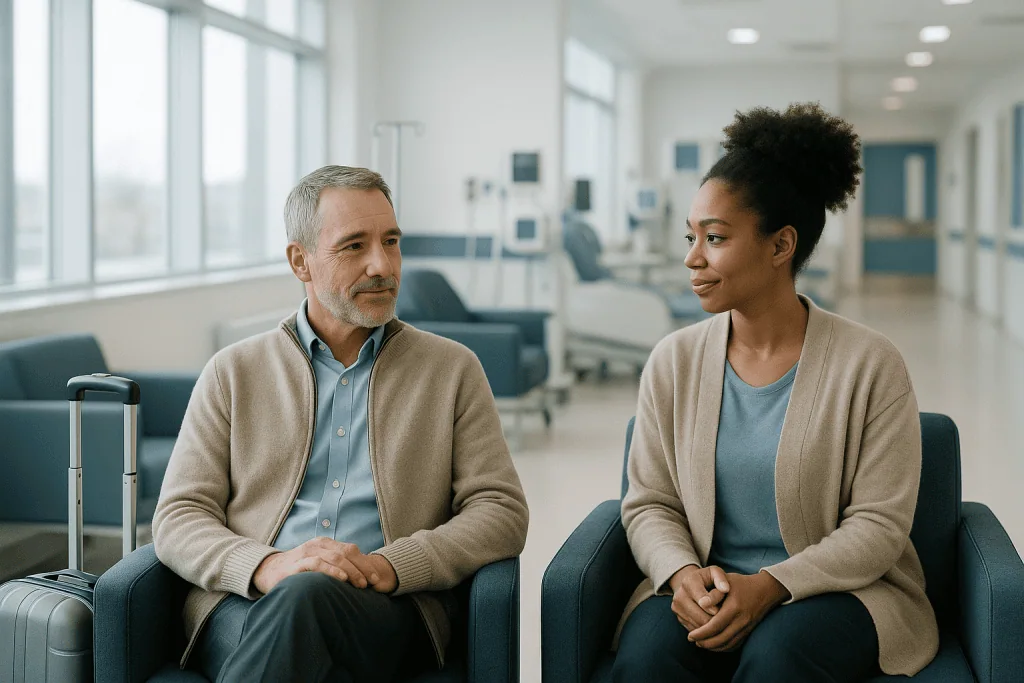
Plan your follow-up tests before you leave Turkey, not after you land. Ask your treating team for a written schedule stating which tests are needed, when, and whether they can be done by a local doctor at home. Many blood tests and scans can be completed locally and sent back for review; some checks may need a return visit. Your discharge documents are the roadmap.
You are back home, the suitcase is unpacked, and a line in your discharge papers says you need blood tests in a few weeks. Who orders them? Can your family doctor handle it, or do you have to fly back to Istanbul? These are the questions most international patients only think about once the hospital stay is behind them, and by then, the answers are harder to get.
This guide explains how follow-up tests after treatment in Turkey actually work: what to confirm before discharge, which tests can usually be done in your home country, how to send results back for review, and when a return visit is genuinely needed. It also covers the practical parts competitors gloss over, record formats, translations, and what to do when your local doctor disagrees with the plan.
At a glance
- Best time to plan: Before you leave Turkey, with written instructions from your treating team, not after you get home
- Who coordinates: Your treating doctor at Acibadem, the international patient services team, and your local physician
- Records you need: Discharge summary, lab results with units and reference ranges, imaging files (not just reports), medication list, follow-up schedule
- Where tests can happen: In Turkey, in your home country, or a hybrid of both: your doctor decides which tests need which setting
- Urgent symptoms: For severe or time-critical symptoms, call your local emergency number or go to the nearest emergency department now, never rely on an overseas message thread
Why follow-up tests after treatment in Turkey matter
Follow-up tests are checkpoints. They tell your doctors how you are healing, whether your treatment is doing what it should, and whether anything needs adjusting. What makes follow-up tests after treatment in Turkey different from ordinary aftercare is geography: the team that knows your case best is in one country, and you are in another. The plan has to bridge that gap deliberately, or it falls apart in the details: a blood test done two weeks late, a scan report sent without the images, a result no one can interpret because the units are missing.
Which tests you need depends entirely on your diagnosis, the treatment you had, your age, your medical history, and how your recovery is going. There is no universal checklist. A patient after a dental procedure may need only a clinical review. A patient after cancer surgery may need scheduled imaging and blood work at defined intervals for months. Your treating doctor sets the plan for your case; this guide explains how to carry that plan across a border.
Follow-up is not only about catching problems. It is also how questions that surface after travel get answered, how medicines are reviewed, and how your care stays organised across two health systems. For most international patients, a clear written plan is the single biggest reducer of post-treatment anxiety.
Before you leave Turkey: confirm your written plan
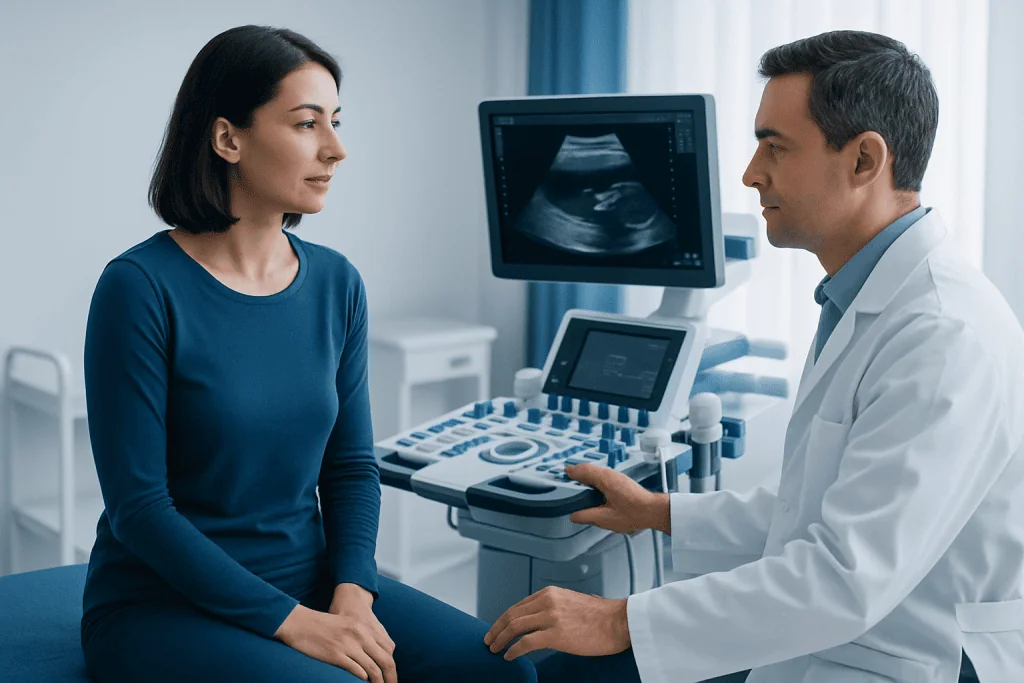
Everything downstream depends on what you carry out of the hospital. Before departure, ask for a written follow-up plan in a language you understand. It should state the recommended timing of appointments and tests, your medication instructions, activity restrictions, warning signs to watch for, and exactly who to contact with questions. If any line is unclear, ask before you leave the building. It is far easier to get a clarification at the nurses’ station than through email three time zones away.
Your plan may mention blood tests, imaging, wound checks, physiotherapy assessments, medication monitoring, or specialist reviews. You do not need to memorise it. You need it in writing, and you need to know how to share results securely with the right team. Two specific questions are worth asking out loud:
- “Which of these tests must be done here, and which can my doctor at home do?” Some checks need the treating surgeon’s hands or the hospital’s own imaging protocol. Many do not.
- “Who reviews the results, and how do I send them?” Get a named channel, a coordinator email, a patient portal, a secure upload link, before you fly.
International patient services can help with the practical layer: interpreter support, copies of reports, medical record requests, and coordinator contact details. If you are flying soon after a procedure, also confirm travel instructions, mobility, hydration, compression garments if advised, and medication timing across time zones. Our guide on discharge, follow-up, and flying home covers that stage in detail.
Which follow-up tests may be requested

Follow-up testing spans a wide range. Some patients need one clinical check and a basic blood panel. Others need imaging on a fixed schedule for months. Your treating doctor decides based on your case, not on a generic travel checklist, but it helps to know the common categories so the plan makes sense when you read it.
- Blood tests. These may monitor inflammation, blood counts, organ function, medication effects, or nutritional status. They are the most common follow-up request and usually the easiest to complete locally, see our guide on planning follow-up blood tests after returning home.
- Imaging. Ultrasound, X-ray, CT, MRI or other scans may be requested when your team needs to compare healing or treatment response over time. Comparison is the key word: your doctor often needs the new images side by side with the ones taken in Turkey, which is why the actual image files matter, not just the written report.
- Functional and symptom-based follow-up. Mobility assessment, rehabilitation progress, pain scores, wound photographs, or a structured medication review. Much of this can happen remotely if it is set up properly.
One detail saves more back-and-forth than anything else: if your local doctor orders tests, make sure the results include units, reference ranges, the collection date, and the facility name. Laboratories in different countries report the same test in different units. Without that context, your treating team may not be able to interpret the numbers at all, and you will be asked to repeat the test.
Where your tests can happen: Turkey, home, or both
There are three realistic models, and most patients end up with a mix.
- Tests completed in Turkey before you fly. Early checks, a wound review, a first post-operative blood panel, are often scheduled before discharge or in the days after, while you are still nearby. If something needs adjusting, the team that treated you handles it directly.
- Tests completed at home and sent back. Routine blood work and standard imaging can usually be done by your family doctor or a local laboratory, then shared with your treating team for review. This is the default for most follow-up tests after treatment in Turkey, because it spares you a flight for something a phlebotomist anywhere can do.
- Return visits. Some situations call for the treating specialist’s own examination, complex reconstructive work, staged procedures, or reviews where hands-on assessment matters. Your doctor will tell you if and when this applies. Our guide on how many follow-up visits you might need explains how teams decide.
Remote review sits underneath all three models. Video consultations, secure result uploads, and coordinator-managed messaging let your treating doctor stay involved without you travelling. What remote follow-up can and cannot do is covered in our guide to remote follow-up after returning homethe honest summary is that it works well for reviewing results and answering questions, and it is not a substitute for physical examination when one is needed.
Coordinating between Turkey and your local doctor
A good plan connects two teams. Your local doctor provides hands-on assessment; your treating team in Turkey holds the treatment context. This matters most if you need ongoing medication monitoring, wound care, rehabilitation, cancer surveillance, or heart monitoring, anything where the two sides need to see the same picture.
Before you travel, identify a local physician or specialist who can receive your discharge summary and order the requested tests. If you do not have one yet, ask your coordinator which documents matter most for a first local appointment; a discharge summary and medication list usually carry most of the weight. Be prepared for the possibility that your local doctor works to different protocols. That is normal, health systems vary, and it is a conversation, not a crisis. Ask your local doctor to explain their reasoning, then relay it to your treating team so the two plans can be aligned.
When you send results back to Turkey, include your full name, date of birth, patient number if you have one, treatment date, and a short note on your current symptoms or questions. A result without context takes longer to review and often triggers a request for more information. A result with two sentences of context usually gets a useful answer. For how this process is organised on the hospital side, see how Acibadem handles follow-up after you return home.
Medical records, translations, and secure sharing
Your follow-up is only as good as your records. Keep digital and printed copies of your discharge summary, operation or procedure notes if applicable, pathology reports, imaging reports, prescriptions, allergy list, and follow-up instructions. If you had imaging in Turkey, ask whether the images themselves are available, on disc, USB, secure link, or a digital platform, and take them. A written report alone is often not enough for comparison scans later.
Translations remove friction at home. If your local doctor does not read the language of a report, request an English version, or a certified translation where your health system demands one. Interpreter support is available at Acibadem to make sure you understand your instructions before you leave; use it. Misunderstood instructions cause more follow-up problems than missing documents do.
Share medical files through secure channels only. Do not post personal medical information in unsecured messaging groups or public platforms, pathology reports and imaging carry identifying details you cannot take back. If you are unsure how to transfer large imaging files or confidential documents, ask your patient coordinator for the approved method rather than improvising.
What follow-up tests cost, and why no one can quote you a number in advance
You will not find prices in this guide, and you should be sceptical of any page that lists them, because the honest answer is structural. What you pay for follow-up testing depends on where the test is done, what kind of test it is, and whose system pays for it. A blood panel ordered by your family doctor at home may fall under your national health service or insurance. The same panel done privately, or done in Turkey during a return visit, is billed differently. Imaging costs vary by modality: an ultrasound and an MRI are not the same category of expense anywhere in the world.
The practical move is to ask for the fee structure in writing before you leave: which follow-up reviews are included in your treatment plan, which are billed separately, and what a return-visit consultation involves. Our guide on follow-up visit fees after treatment in Turkey explains what those quotes typically depend on, and how to budget for follow-up care and medicines once you are home. The same logic applies to full-body check-ups: the price depends on which tests the programme includes, which is exactly why you should compare the test lists, not the headline figures.
Routine questions, urgent symptoms, and emergencies
Most follow-up questions are routine and belong with your coordinator or local doctor: appointment timing, how to send results, whether a scheduled test can shift by a few days. Send these through your normal channel and expect a considered reply, not an instant one.
Some symptoms need faster assessment. Contact your local doctor promptly if you develop fever, increasing pain, worsening swelling, unusual bleeding, wound changes, persistent vomiting, or any symptom your discharge instructions list as concerning. Do not wait for an overseas reply to decide whether something matters: your local doctor can examine you and then share findings with your treating team.
And some symptoms are emergencies. If you develop chest pain, severe shortness of breath, sudden weakness or confusion, fainting, heavy bleeding, or sudden severe pain, call your local emergency number or go to the nearest emergency department now. After you have been assessed and stabilised, records can be shared with the Acibadem team for continuity, but urgent care is always local and immediate.
One more caution: never start, stop, or change a medication yourself based on a test result or a symptom. Medication decisions belong to the doctor treating you, flag the result, describe the symptom, and let them decide.
Step by step
- Ask for your follow-up schedule before discharge. Confirm which tests are needed, the recommended dates or time windows, and whether each test must be done at Acibadem or can be done locally. Get the name of the person or channel that will review your results.
- Collect complete records. Discharge summary, test results, imaging reports and image files, prescriptions, allergy list, special instructions. Keep digital and printed copies, and pack the printed set in your hand luggage.
- Clarify medication and activity instructions. Before flying, make sure you understand your medicines, doses, duration, and possible side effects, plus which activities to avoid and when routines can gradually resume. Ask now, not from home.
- Book a local doctor appointment. Arrange a visit with your family doctor or relevant specialist as soon as your plan is clear. Send your Turkish records ahead of the appointment if you can.
- Complete tests within the advised window. Timing matters most for medication monitoring and treatment-response checks. If scheduling is difficult, ask your treating team whether a short delay is acceptable rather than deciding alone.
- Send results with context. Include identifying details, the treatment date, current symptoms, any medication changes made by your doctors, and your questions. Context turns a data dump into a reviewable case.
- Keep a recovery log. Symptoms, temperature if relevant, pain levels, wound changes, mobility progress, questions for the next appointment. It is a small habit that makes every follow-up conversation sharper.
Your checklist
- Written follow-up plan with dates or time windows
- Discharge summary and key medical reports
- Medication list with doses and duration
- Imaging files and written imaging reports, if applicable
- Pathology or laboratory reports, if applicable
- Warning signs explained in a language you understand
- Contact details for your Acibadem coordinator
- Appointment booked with a local doctor or specialist
- Secure method agreed for sending results
- Travel insurance details and local emergency numbers saved
Key takeaways
- Plan follow-up tests before leaving Turkey; the written plan you carry home is your roadmap.
- Most routine blood tests and standard imaging can be done locally, provided results include units, reference ranges, dates, and facility names.
- Return visits are for cases where the treating specialist’s own examination matters: your doctor will say if that applies to you.
- Send results through secure channels, with context, to a named contact, never through public or unsecured platforms.
- Routine questions go to your coordinator; urgent symptoms go to local care. For severe symptoms, call your local emergency number or go to the nearest emergency department now.
Frequently asked questions
Can I do my follow-up tests in my home country?
In many cases, yes. Your treating doctor will state which tests can be completed locally and which need review at the original hospital. The essentials are timing, complete tests within the recommended window, and completeness: reports must include units, reference ranges, dates, and the facility name so your treating team can interpret them.
Do I need to return to Turkey for every follow-up visit?
Not usually. Many patients complete tests locally and share results remotely, with the treating team reviewing them from Turkey. A return visit is more likely when hands-on examination, staged treatment, or specialised imaging comparison is needed. Your doctor will tell you which model applies to your case before you leave.
What if my local doctor recommends a different test?
This happens, because protocols vary between health systems, and it is rarely a problem. Ask your local doctor to explain the reasoning, then share it with your treating team in Turkey if it affects the original plan. The two teams can usually align on a practical approach once each understands what the other has seen.
How much does a full body check-up cost in Turkey?
There is no single figure, because check-up programmes differ in what they include: the number of blood tests, which imaging is bundled, and which specialist consultations follow. The useful comparison is the test list, not the headline price. Ask for a written breakdown of exactly what a programme covers before comparing quotes.
What medical treatment is Turkey famous for?
Turkey receives international patients across many fields, commonly dental treatment, hair restoration, eye surgery, orthopaedics, cardiology, oncology, and plastic and reconstructive surgery. Whatever the field, the same follow-up logic applies: get a written aftercare plan before you fly home, and know who reviews your results afterwards.
Does Turkey have good medical care, and is it safe to go for procedures?
Turkey has a large private hospital sector that treats many international patients, and quality varies between providers, as it does everywhere. Safety depends on your choices: research the hospital and doctor, confirm follow-up arrangements in writing before travelling, and check travel-health guidance from bodies such as the CDC before any treatment abroad.
What documents should I show my doctor at home?
Bring your discharge summary, medication list, recent test results, imaging reports, and follow-up instructions. If you had surgery or a procedure, include the operative or procedure note where available. Translated documents make the first appointment noticeably smoother, so request English versions before you leave Turkey.
How can I send imaging results from my country?
Ask the imaging centre for both the written report and the actual image files in a shareable format: a disc, USB, or secure digital link. Large files often need a secure upload rather than email. Your patient coordinator can confirm the preferred transfer method; avoid unsecured messaging apps for medical files.
Add us as a Preferred Source to see more of our trusted health content across Google Search, AI Overviews and Discover.

Update history
- PublishedJune 8, 2026
- Medical review approvedAugust 30, 2026
- Last content updateAugust 30, 2026
References2
- Medical Tourism: Travel to Another Country for Medical Care: CDC wwwnc.cdc.gov
- After Surgery: MedlinePlus medlineplus.gov
More Patient Guides

Flying After a C-Section: Timing for New Mothers
A C-section is real abdominal surgery that happens to come with a newborn attached, so the flying question has two clocks…

When Can You Drive After Anesthesia or Sedation?
You feel fine an hour after the procedure. You are chatting, you walked to the car unaided, you could obviously drive it.…

Flying After Hip Replacement: When Is It Safe?
Hip replacement recovers famously well, many patients walk further at three weeks than they had in three years. Flying is part…
Flying After Knee Replacement: When Is It Safe?
The knee is new, the physio is going well, and there is a boarding pass with your name on it. Flying after…