

How the International Patient Journey Works at Acibadem

The international patient journey works in stages: you share your records, the relevant specialists review them, and you receive a planning outline before travel. Final decisions are confirmed after in-person consultation and any repeat tests in Turkey. Treatment, recovery, discharge and follow-up are then coordinated by an international patient team, with interpreters and practical travel guidance available throughout.
You send an email with your scan reports attached. What happens next? Who reads them, how long does a reply take, and how many days would you actually spend in Turkey? This guide answers those questions in order, without glossing over the parts that depend on your individual case.
Understanding how the international patient journey works before you commit to anything makes every later decision easier. Below is the full path at Acibadem, from first enquiry to follow-up after you are back home, including what can be settled before travel and what honestly cannot.
At a glance
- Best for: International patients planning care in Turkey
- Covers: Enquiry, medical review, quoting, travel, hospital stay, discharge and follow-up
- Support available: International patient coordinators, interpreters, guidance on accommodation and transfers
- Timeline: Some steps happen remotely; final treatment decisions are usually confirmed after in-person assessment
- Good to prepare: Recent medical records, passport details, medication and allergy list, and your questions
How the international patient journey works, step by step
The journey begins before you travel, with a request for information and a review of your medical documents. At this stage nobody should be rushing you towards a decision. The purpose is to understand why you are seeking care, what information already exists, and whether travelling to a hospital in Turkey is a reasonable next step for your situation. You may be asked for consultation notes, scan results, pathology summaries, a medication list, and a short description of your diagnosis or symptoms in your own words.
Once your information has been reviewed, the process becomes practical. You typically receive guidance on which specialty, or which combination of specialties, is relevant, which tests are likely to be repeated or added after arrival, and roughly how long you would need to stay in Istanbul or another city. This is the point where the international patient journey works in your favour: an early, realistic outline lets you organise leave from work, travel dates, and support from family before anything is booked.
A coordinator usually acts as your single point of contact from here on. That person organises communication between you and the clinical team, arranges interpreters where needed, and explains appointment logistics, admission paperwork and what to bring. If you want a fuller picture of the very first steps, the guide on how to start your treatment journey with Acibadem covers the enquiry stage in more detail.
Your first contact and medical review
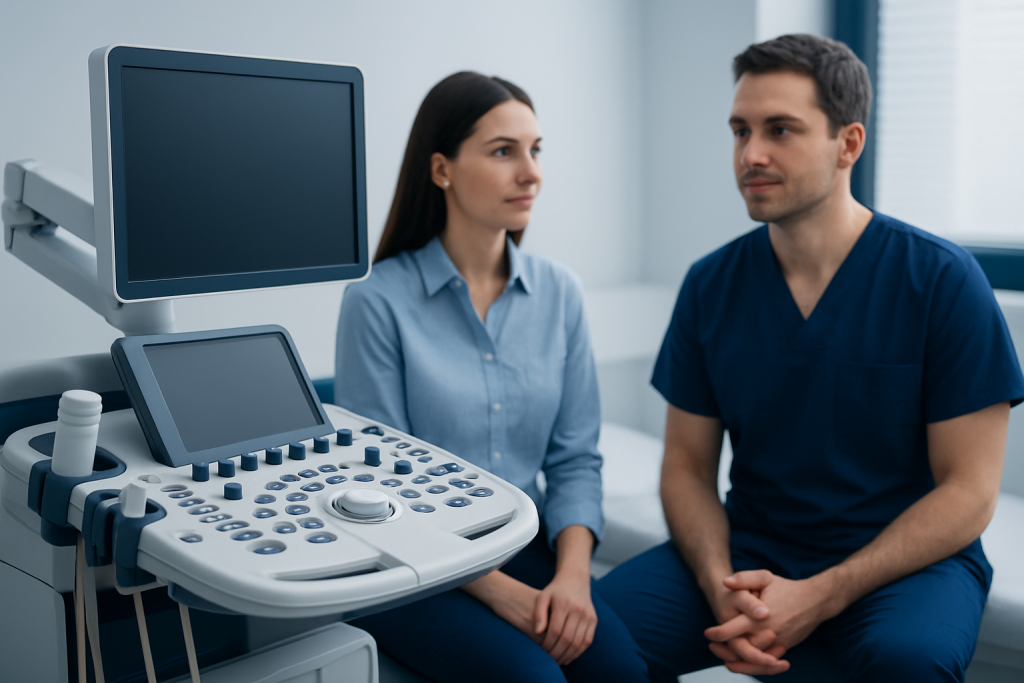
Your first contact is where you explain what you need help with and share the records you already have. If you have a confirmed diagnosis, your documents let the specialist team assess your case remotely. If you are still searching for answers, the coordinator can explain which assessments are usually arranged first, so you arrive knowing what the early days will involve rather than guessing.
Send complete and recent records where possible. Useful items include:
- Consultation and clinic letters from your current doctors
- Blood test results and other laboratory reports
- Imaging reports, plus CDs or digital scan files where available, reports alone are often not enough for surgical planning
- Biopsy or pathology results, if relevant
- Previous operation notes
- A current medication list, including doses, and any known allergies
If your documents are not in English or Turkish, ask in advance which ones need professional translation and which can be reviewed as they are. Translating everything is rarely necessary; translating nothing usually slows the review down.
After the review you receive an outline, not a final treatment plan. This is normal and it is worth understanding why. Doctors often need to examine you in person, or repeat imaging on their own equipment, before confirming the safest approach. A trustworthy process sets that expectation openly: some things can be estimated from documents, and some cannot. If your records point to more than one possible approach, or you simply want another perspective before deciding, a second medical opinion from abroad can be arranged remotely, before any travel.
Where your case touches several specialties, for example a tumour that needs surgical, oncological and radiological input, the departments coordinate their reviews rather than working in sequence. That coordination can change the order in which your appointments are scheduled, so do not be surprised if the plan you receive lists consultations in an order you did not expect.
How quotes and costs are explained
Cost is usually the second question after “can you treat this?”, so it helps to know how quoting works structurally. Before travel, you can typically receive an estimate based on your documents. That estimate reflects the planned procedure, the expected length of stay, anaesthesia type, implants or materials if relevant, and the tests likely to be needed on arrival. It is an estimate precisely because those inputs can change once specialists examine you in person.
Ask what the quote includes and what it does not, pre-treatment diagnostics, the hospital stay itself, medication during admission, and follow-up visits are the items most often misunderstood. Accommodation and flights are normally separate from clinical quotes. If in-person assessment changes the plan, the financial picture is re-explained before you commit to the new plan; the guide on how final billing works if your care plan changes walks through exactly how that is handled.
On insurance: whether a policy covers planned treatment abroad depends entirely on the policy. Many domestic health insurance plans exclude elective treatment outside your home country, while some international private policies cover it with prior authorisation. The only reliable answer comes from your insurer, in writing, before you book, and the hospital’s international office can tell you what documentation insurers typically ask hospitals to provide.
Planning your trip to Turkey

Once you decide to proceed, planning narrows to timing and logistics. You will need to confirm travel dates, expected length of stay, passport validity, visa requirements for your nationality, and whether you will travel alone or with a companion. These details are not an afterthought: smooth logistics reduce stress in the days before treatment, when your attention should be on your health, not on transfers.
Think carefully about arrival timing. It is usually wise to land with enough margin for rest, registration and pre-treatment tests before anything significant is scheduled. If you have mobility limitations, complex medication needs, or expect to be exhausted after a long flight, say so early, realistic arrival and appointment times can be built around that. If you will be travelling without a companion, the guide on planning a safe solo patient journey covers the extra preparation that makes travelling alone workable. If family are coming with you, involve them in the planning early so everyone knows what the days around treatment will look like.
Accommodation and local transport are part of the plan too. The international patient team can advise on hotels near the hospital, how to get between airport, hotel and hospital, and which transfers can be arranged for you. This guidance matters most if you do not speak Turkish or if your companion is managing the trip alongside caring for you.
Before you leave home, gather your essentials in one folder, paper or digital, ideally both: passport, medical records, prescriptions, insurance documents if relevant, emergency contacts, and chargers for your phone and any medical devices. An organised folder saves real time on registration and consultation days.
What happens when you arrive at the hospital
Your first hospital day usually involves registration, identity checks and a review of your documents. You meet your international patient coordinator, who explains where to go, when your appointments are scheduled and how the day is structured. If you need language support, an interpreter accompanies you during key discussions so you can ask questions and understand the answers properly, not just nod along.
Depending on your case, the first round of appointments may include specialist consultation, imaging, blood tests and other evaluations. It is common for the care team to confirm or refine the plan based on these results, and final treatment timing may depend on them. This can feel like a lot compressed into a short window, but it is the part of the process that protects you: decisions are made on current, in-person findings, not on documents that may be months old.
Having clinical care and support services coordinated within one hospital system does not mean every step happens instantly. It means there is a defined structure for moving from consultation to testing to treatment, and when something changes, your coordinator can explain why and adjust the schedule with you rather than leaving you to work it out.
Use this stage for practical questions as well as medical ones. How long does this test take? Do I need to fast? When can my companion be present? What documents does admission require? What will discharge day involve? Small questions are worth asking because they make the days ahead predictable, and predictability is most of what people mean when they say a hospital experience felt calm.
During treatment and your hospital stay
Once your treatment plan is confirmed, your stay depends on the type of care you are receiving. Some patients come for consultations and outpatient procedures only. Others need inpatient treatment and a recovery period before they are fit to travel. Your team should set out the likely milestones, preparation, admission, the procedure or treatment itself, recovery markers, and the criteria for discharge, so you always know which stage you are in.
If you are admitted, daily communication matters. Make sure you know who to speak to on the ward if you feel unwell, have pain, do not understand medication instructions, or need translation. Many international patients find it steadying to have one coordinator remain a consistent contact alongside the rotating clinical team, especially when several departments are involved.
If a family member is waiting during surgery, agree in advance how they will receive news; the guide on how family updates work during surgery in Turkey describes what to expect. Companions can help track instructions and manage practical tasks, but visiting hours and inpatient rules may limit when they can be with you, so clarify this early.
It is also normal for schedules to shift for medical reasons. Test findings, specialist reviews or your own recovery pace can change the plan. A well-run patient journey is not one where nothing changes; it is one where changes are explained clearly, your safety stays the priority, and you always know the next step.
Discharge, recovery time in Turkey, and going home
Leaving hospital is a process, not a checkout. Before discharge you should understand your medication schedule, any wound or symptom monitoring, activity restrictions, follow-up appointments, and the warning signs your discharge notes tell you to act on. If you plan to fly soon after treatment, ask directly when flying is considered safe for you and what precautions the journey requires. The guide on how hospital discharge day works in Turkey walks through the day itself; if you had a procedure, ask for written instructions on wound care for the flight and the first days back home.
Many patients stay in Turkey for a short recovery window before flying, for rest, dressing changes, repeat checks, or simply to confirm they are stable. If your trip is primarily for healthcare, resist building a packed sightseeing itinerary around it. Keeping the recovery window flexible is one of the most practical decisions you can make.
Before you leave, collect copies of your key records: discharge notes, investigation results, imaging reports, pathology summaries where relevant, operative notes when applicable, and a medication list in English. Complete documents make it far easier for your doctor at home to understand what was done and what follow-up is needed. It is also worth asking about an international patient summary: a structured document of your essential health information designed so clinicians in another country can read and use it. Not every hospital system produces one automatically, so ask what format your records will take.
Follow-up and staying organised after you return
Your journey does not end when the flight takes off. Follow-up may involve remote review of results, clarification of your recovery plan, sharing updates with your local doctor, or scheduled check-ins later on. Understanding in advance who manages each part of your aftercare, the treating team in Turkey, your local doctor, or both, avoids confusion once you are back in your normal routine.
Keep all your records together and write a simple timeline: consultations, tests, diagnosis, treatment dates, medicines started or changed by your treating doctors, and future recommendations. This helps any doctor who sees you later, and it makes gaps in your paperwork visible while they are still easy to fix.
Recovery has normal ups and downs, and your discharge documents will set out what to watch for and who is responsible for which questions. The structure that carried you from enquiry to treatment continues, in lighter form, through your recovery, which is, in the end, what makes a complex international process manageable one step at a time.
Step by step
- Share your enquiry and records. Explain why you are seeking care and send the medical documents you already have. Complete, recent records, including actual scan files, not just reports, make the review faster and more useful.
- Receive an initial review and planning outline. You get guidance on the relevant specialty, likely tests, an estimated timeline and a quote based on your documents. This is the stage where you decide whether to travel and how long to plan for.
- Confirm travel and appointment logistics. Once you proceed, dates, hospital visits, interpreter support, accommodation guidance and transfers are organised around your needs and your arrival timing.
- Attend consultation and any required tests. On arrival, the team may repeat or add tests before confirming the final plan. This ensures decisions rest on current, in-person assessment rather than documents alone.
- Proceed with treatment and monitored recovery. Care may be outpatient or inpatient depending on your situation. Keep asking questions so you understand what is happening, what comes next and what the discharge criteria are.
- Prepare for discharge and the journey home. Confirm you understand medicines, restrictions, warning signs and follow-up needs, and ask when flying is safe for you. Collect your records in English where available.
- Continue follow-up from home. Remote review, clarification of your recovery plan and coordination with your local doctor complete the journey. Keep your documents and timeline organised throughout.
Your checklist
- Passport with sufficient validity and any required visa documents
- Recent medical reports, imaging files, pathology results and medication list
- A summary of allergies, past surgeries and current health conditions
- Written confirmation from your insurer if you expect any coverage
- Travel and accommodation details, including emergency contacts
- Comfortable clothing, chargers and any personal medical devices
- Enough of your regular medication for travel days, plus copies of prescriptions
- Your questions about timing, recovery and follow-up, written down
- A companion plan, or a solo-travel plan, for after treatment
Key takeaways
- The international patient journey works in two phases: what can be settled remotely from documents, and what is confirmed after in-person assessment in Turkey.
- Quotes before travel are estimates by design; ask what they include and how changes are handled.
- Interpreters, coordinators and travel guidance carry the practical load so you can focus on medical decisions.
- Discharge planning matters as much as admission, especially if you will fly soon after treatment.
- Leave with complete records, ideally in English, and a clear picture of who manages each part of your follow-up.
Frequently asked questions
How do I begin the international patient journey at Acibadem?
You begin by making an enquiry and sharing your medical records for specialist review. From there, the international patient team explains the likely next steps, which specialty is relevant, an estimated timeline and quote, and what would need to happen before and after you travel to Turkey.
Will my treatment plan be confirmed before I travel?
You can receive an initial opinion and a planning outline before travel, but the final plan is usually confirmed after in-person consultation and any necessary repeat tests. This is a normal part of safe care: doctors base final decisions on current, examined findings rather than documents alone.
What is the international patient summary?
An international patient summary is a structured document containing your essential health information, diagnoses, medications, allergies, key results, formatted so clinicians in another country can read and use it. Not all hospital systems issue one automatically, so ask what format your discharge records will take and request English versions of the key documents.
Does insurance cover medical tourism?
It depends entirely on your policy. Many domestic health plans exclude planned treatment abroad, while some international private policies cover it with prior authorisation. Get your insurer’s answer in writing before you book, and ask the hospital’s international office what documentation insurers typically request from hospitals.
What is the number one medical tourism destination country in the world?
There is no single official ranking. Different reports use different definitions and count different things, so the lists vary, though countries such as Turkey, Thailand, India, Mexico and Germany appear frequently. Rather than relying on rankings, assess the specific hospital: the specialists relevant to your condition, how the process is coordinated, and how openly limitations are explained.
Why do people go to Thailand for surgery?
For the same broad reasons people travel anywhere for care: access to particular specialists or procedures, shorter waiting times, cost structures, or combining treatment with proximity to family. Turkey attracts international patients for similar reasons. Whatever the destination, the same due diligence applies, check the hospital, the process for records and follow-up, and how changes to the plan are handled.
How long should I plan to stay in Turkey?
It depends on your diagnosis, the tests needed on arrival, the type of treatment, and how long recovery takes before flying is considered appropriate. You will get an estimated timeline before travel, but keep your plans flexible until the team confirms the schedule after in-person assessment.
What should I do before I fly home after treatment?
Make sure you understand your discharge instructions, medications, restrictions, warning signs and follow-up plan. Ask directly when flying is considered safe for you and whether the journey needs any precautions. Collect complete copies of your records, ideally in English, so your local doctor can continue your care smoothly.
Add us as a Preferred Source to see more of our trusted health content across Google Search, AI Overviews and Discover.

Update history
- PublishedJune 22, 2026
- Medical review approvedSeptember 13, 2026
- Last content updateSeptember 12, 2026
References1
- Medical Tourism: CDC Travelers' Health wwwnc.cdc.gov
More Patient Guides

At Acibadem, How We Explain Expected Clinical Outcomes and Treatment Success Information
Expected clinical outcomes at Acibadem are explained in clear, realistic terms so you understand likely benefits, limits, risks, and next steps in…

At Acibadem, How Families and Companions Are Supported During Treatment Travel
At Acibadem, family support during treatment travel in Turkey includes interpreters, planning help, visitor guidance, and practical support for companions.

At Acibadem, How Our JCI-Accredited Hospitals Support Safe International Care
JCI-accredited hospitals at Acibadem support safe international care in Turkey with standardized quality, interpreters, coordination and follow-up.

At Acibadem, What Our International Patient Package May Include Before You Travel
International patient package at Acibadem may include medical planning, travel help, interpreters, and stay support in Turkey before you travel.