

How Hospital Discharge Day Works in Turkey

On discharge day, your doctor confirms you are medically stable, the nursing team explains medicines, wound care and activity limits, and the administrative team prepares your documents and billing. You may receive a discharge summary, prescription and follow-up appointment details. Allow flexibility in your schedule, since some reports take time, and ask before leaving when it is safe to fly home.
Are you wondering whether you will be able to fly home the day you leave the hospital, or how long the paperwork will take? Discharge day often feels busy. Knowing the order of events makes it much calmer.
This guide explains what you can expect on hospital discharge day in Turkey: final medical checks and prescriptions, travel clearance, payment confirmation, follow-up planning, and the support available to you after you leave the hospital. It is written for international patients and their companions who want a clear, calm overview of the process.
At a glance
- Procedure type: Hospital discharge and transition-of-care process
- Purpose: To confirm you are medically ready to leave the hospital safely and continue recovery with clear instructions
- Anesthesia: Not applicable; discharge may occur after a treatment performed with local, regional or general anesthesia
- Hospital stay: Depends on your diagnosis, treatment, recovery progress and physician assessment
- Estimated recovery: Varies by treatment; your doctor will explain your expected recovery timeline before you leave
- Return to daily life: Individual; based on your medical condition, pain control, mobility, wound healing and travel plan
- Final result timeline: Depends on the treatment received; some results are immediate, while others develop over weeks or months
- Suitable department: Your treating specialty, nursing team, patient relations, international patient services and billing office
- International patient support: Interpreter assistance, discharge coordination, transfer guidance, accommodation support and remote follow-up planning
What is this treatment?
Hospital discharge day is the structured process that takes place when your medical team decides you are ready to leave the hospital. Although it is not a treatment in the usual sense, it is an important part of your care because it connects your hospital treatment with your recovery at a hotel, temporary accommodation or home country.
During discharge, your doctor and nursing team review your condition, explain your recovery plan and make sure you understand your medicines, activity limits, wound care, diet, hygiene instructions and follow-up schedule. For international patients, the process may also include interpreter support, translated or English medical documents when available, airport or hotel transfer coordination and guidance about when it may be appropriate to travel.
At Acibadem International, discharge planning is handled with attention to both medical safety and practical comfort. Your treating specialist, nurses, international patient services team and, when needed, other departments work together so that you do not feel alone during the transition from hospital care to aftercare.
When is it recommended?
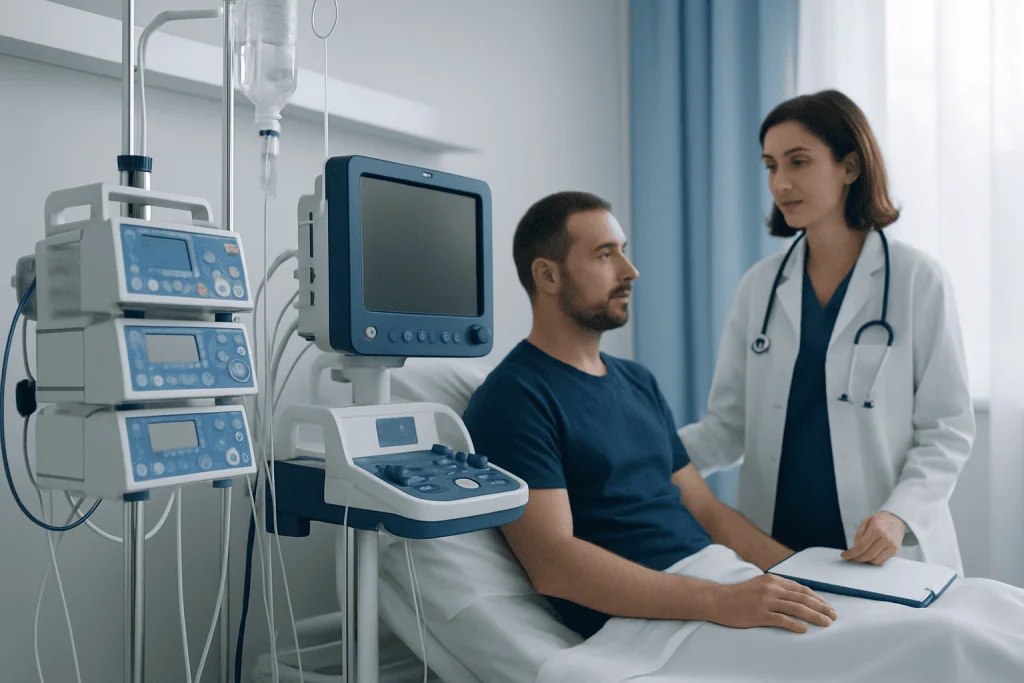
Discharge is recommended when your physician determines that your hospital-level care is no longer required and that you can continue recovery safely outside the hospital. This decision is based on your diagnosis, the treatment you received, your vital signs, pain control, mobility, eating and drinking ability, laboratory or imaging results when relevant, and your overall stability.
For some patients, discharge may be possible on the same day as a minor procedure. For others, especially after major surgery, complex treatment or treatment requiring close monitoring, hospital stay may continue for one or more nights. The timing is individualized and may change if your doctor feels you need more observation, additional tests or a change in treatment.
International patients also need practical readiness for discharge. This may include having a companion if recommended, suitable accommodation for recovery, access to prescribed medicines, a clear follow-up appointment plan and guidance on whether you should remain in Turkey before flying home.
Who is a good candidate?

You are generally ready for discharge when your treating physician confirms that you are medically stable and your immediate recovery needs can be managed outside the hospital. This may mean your pain is controlled with prescribed medication, you can move safely according to your condition, you can tolerate food and fluids if required, and there are no concerning findings that require inpatient monitoring.
A good discharge candidate is also someone who understands the aftercare plan or has a companion who can help. You should know which medicines to take, when to take them, what side effects to watch for, how to care for dressings or wounds if applicable, and what activities to avoid. If you have drains, catheters, special equipment or mobility restrictions, your team should provide specific instructions before you leave.
For international patients, readiness also includes safe logistics. Your accommodation should be appropriate for your recovery, transfers should be planned, and you should know how to contact the hospital if you have questions. If you are traveling alone, tell your care team so they can consider whether extra assistance or a longer observation period is advisable.
Treatment options
Because discharge day is a care transition rather than a medical procedure, the main options relate to where and how you continue recovery. Some patients are discharged to a hotel or serviced apartment near the hospital, some return to family accommodation in Turkey, and some may be cleared to travel to their home country after a control visit. Your physician will advise which option is safest for your condition.
Discharge planning may be routine or more tailored. Routine discharge is common after uncomplicated procedures when you are stable and need standard instructions. A more tailored discharge may be needed after major surgery, cancer treatment, cardiac care, orthopedic procedures, neurological conditions, complex medication plans or when you need special wound care, physiotherapy, nursing support or additional medical equipment.
For international patients, discharge options may also include scheduled remote follow-up after returning home, written summaries for your local doctor, coordination of future appointments at Acibadem, and guidance about test results that may become available later. Your plan should be realistic, medically safe and adapted to your language, travel schedule and support needs.
Online evaluation before travel
If you are planning treatment in Turkey, discharge planning begins before you travel. During online evaluation, the international patient team may ask you to share medical records, recent test results, medication lists, allergies, previous surgery information and details about your current symptoms. These details help the clinical team estimate the likely hospital stay and the recommended time you may need to remain in Turkey after discharge.
Online review cannot replace an in-person examination, and plans may change after your doctor evaluates you at the hospital. However, it can help you prepare more confidently. You may receive general information about expected admission, possible discharge timing, companion needs, follow-up visits, hotel recovery, mobility requirements and travel considerations.
If you have a chronic condition such as heart disease, diabetes, lung disease, kidney disease, bleeding disorders or a history of blood clots, mention this early. These factors may influence monitoring, medications, discharge timing and whether additional specialist input is needed before you are cleared to leave the hospital or travel internationally.
Before the treatment
Before your hospital treatment, it is helpful to ask about the expected discharge pathway. You can ask how long hospital stay usually lasts for your planned procedure, whether a companion is recommended, when the first control visit usually takes place, and how long you may need to stay in Turkey before flying home. Your care team will give general guidance, but final decisions depend on your actual recovery.
Prepare practical items before admission. Keep your passport, insurance documents if applicable, medical records, medication list, allergy information and contact details available. Bring comfortable clothing, personal hygiene items, glasses or hearing aids if you use them, and any mobility aids that your doctor has approved. Avoid bringing unnecessary valuables to the hospital.
You should also plan your post-discharge environment. If you will recover at a hotel, check whether elevators are available, whether the room is comfortable for rest, and whether a companion can stay with you if needed. Acibadem International patient services can guide you on transfers and accommodation options, while your doctor will advise what type of recovery setting is medically suitable.
What happens during the treatment
Your hospital treatment may involve surgery, a medical procedure, diagnostic testing, infusion therapy, observation or another type of care. Throughout your stay, your team monitors your recovery and begins preparing for discharge once your condition is progressing as expected. Nurses may check vital signs, pain levels, wound areas, drainage, mobility and your ability to eat, drink or use the bathroom, depending on your treatment.
Before discharge, your physician usually performs a final clinical review or confirms that the necessary checks have been completed. Additional blood tests, imaging, dressing changes, physiotherapy assessment or specialist consultations may be requested if needed. The goal is to make sure there is no immediate issue that requires continued hospital care.
You should feel comfortable asking questions during this stage. If you do not understand a medicine, restriction, symptom or follow-up instruction, tell your nurse, doctor or interpreter. Clear communication is especially important when you will be leaving the hospital environment and continuing recovery in another location.
Hospital stay and discharge
On discharge day, several steps may happen in parallel. Your doctor confirms medical readiness, the nursing team prepares your discharge education, the pharmacy or clinical team reviews prescribed medicines, and the administrative team finalizes documentation. International patient services may assist with interpretation, transfer timing, hotel communication and follow-up coordination.
You may receive a discharge summary, prescription, follow-up appointment details, medical reports, test results that are ready, imaging copies if requested and instructions specific to your treatment. Some documents may take time to prepare, especially if translation, additional signatures or detailed reports are needed. It is helpful to allow flexibility in your schedule on discharge day.
Before you leave, make sure you know who to contact if you have a concern, when your next appointment is, which medicines to take and what symptoms require urgent attention. If you are unsure about anything, ask before departing. Discharge is safest when you leave with both medical stability and practical confidence.
Recovery timeline
Your recovery timeline depends on the reason for hospitalization and the treatment you received. Some patients feel ready for light activity quickly, while others need a gradual recovery plan over several weeks or months. Your physician’s instructions are the most important guide because they are based on your condition, examination and treatment details.
| Timeframe | What to expect |
|---|---|
| First 24 hours | You may feel tired after leaving the hospital. Focus on rest, hydration if allowed, taking medicines as prescribed and following wound, diet or activity instructions. Keep emergency contact information nearby. |
| First week | You may attend a control visit, dressing check, test review or specialist appointment. Mild discomfort, fatigue or limited mobility may be expected after some treatments, but symptoms should gradually improve according to your doctor’s guidance. |
| Weeks 2-4 | Many patients increase daily activities gradually if cleared by their doctor. Restrictions on lifting, exercise, driving, flying, bathing or work may still apply depending on the treatment. |
| Months 1-3 | Healing and strength often continue to improve. Some treatments require ongoing rehabilitation, medication adjustments, imaging, laboratory tests or specialist follow-up during this period. |
| Final result | The final outcome varies widely by treatment. Some results are visible early, while surgical swelling, tissue healing, functional recovery or long-term treatment response may take months and sometimes longer. |
If your recovery does not follow the expected pattern, or if you develop new or worsening symptoms, contact your medical team. Do not compare your timeline too closely with another patient’s experience, as age, general health, diagnosis, procedure type and healing capacity all influence recovery.
What to avoid after treatment
After discharge, avoid changing your medication plan unless your doctor instructs you to do so. Do not stop antibiotics, blood thinners, pain medicines or chronic disease medications on your own. If you think a medicine is causing a side effect, contact your care team for advice rather than adjusting it independently.
Depending on your treatment, you may need to avoid heavy lifting, strenuous exercise, smoking, alcohol, swimming, sauna use, driving, long walks, sexual activity, certain foods or air travel for a period of time. These restrictions vary greatly, so follow the written instructions given by your physician rather than general advice from the internet.
Also avoid missing your first control appointment if it has been recommended. This visit may be important for wound review, drain removal, dressing change, test result discussion, medication adjustment or travel clearance. If you need to change the appointment time, contact the international patient team as early as possible.
Risks and possible complications
Discharge itself is a normal part of care, but complications can develop after any hospitalization or treatment. Possible issues depend on your diagnosis and procedure, but may include infection, bleeding, medication side effects, worsening pain, dehydration, wound problems, blood clots, breathing issues, dizziness, falls or delayed healing. Your team will explain which risks are most relevant to you.
Some patients may need readmission or an urgent review if symptoms develop after discharge. This does not always mean something went wrong; it may simply mean your condition requires additional monitoring or treatment. Early communication helps problems be assessed and managed promptly.
International travel can add extra considerations, such as long flights, reduced mobility, time zone changes, limited access to your treating team in person and differences in medication names between countries. This is why travel clearance, written documentation and a clear follow-up plan are especially important before you leave Turkey.
Warning signs: when to contact a doctor
Your discharge instructions should include symptoms that require medical advice. Contact your doctor, Acibadem International contact person or local emergency services depending on severity and location if you experience concerning changes after leaving the hospital.
- Fever, chills or feeling suddenly unwell
- Increasing pain that is not controlled with prescribed medication
- Heavy bleeding, expanding bruising or discharge from a wound
- Redness, warmth, swelling, bad odor or pus around an incision or treatment area
- Shortness of breath, chest pain, fainting or severe dizziness
- New weakness, confusion, severe headache or difficulty speaking
- Persistent vomiting, inability to keep fluids down or signs of dehydration
- Swelling, pain or redness in the calf or leg, especially on one side
- Allergic symptoms such as facial swelling, widespread rash or breathing difficulty
- Any symptom your discharge papers specifically describe as urgent
If symptoms are severe, do not wait for a routine follow-up appointment. Seek urgent medical care in your current location and inform the Acibadem team as soon as possible so they can support continuity of information.
Results and expectations
A successful discharge means you are stable enough to continue recovery outside the hospital with a clear plan. It does not necessarily mean you are fully healed. Many treatments require time, patience and follow-up before the final medical, functional or cosmetic outcome can be assessed.
Your expectations should be based on your doctor’s explanation of your specific condition. Swelling, fatigue, bruising, temporary discomfort, restricted activity or emotional ups and downs may be normal after some procedures, while other symptoms may need attention. Written instructions help you understand what is expected and what is not.
Results vary from person to person. Some patients may require additional treatment, rehabilitation, medication changes or revision procedures depending on the original condition and healing process. Your medical team will guide you honestly and will recommend further evaluation if your progress is different from what is expected.
International patient travel planning
For international patients, discharge planning and travel planning are closely connected. Even after you leave the hospital, your doctor may ask you to remain in Turkey for a control visit before flying home. This extra time can be important for wound checks, drain or suture management, laboratory review, imaging, medication adjustment or confirmation that you are fit to travel.
Ask your doctor when you may fly, whether you need assistance at the airport, whether you should avoid long walks or heavy luggage, and whether compression stockings, mobility breaks or special seating considerations are recommended. The advice will depend on your treatment and risk factors. Do not book a tight return flight schedule without medical guidance.
Acibadem International can support practical arrangements such as interpreter assistance, transfer coordination, accommodation guidance and communication with the hospital team. If your return date changes for medical reasons, inform the international patient team so they can help adjust appointments and logistics where possible.
Cost and package information
The cost related to discharge day is usually connected to your overall treatment package and any additional services required. Factors that may influence the final cost include the type of treatment, length of hospital stay, room category, medications, laboratory tests, imaging, consultations, intensive care if needed, medical devices, rehabilitation, nursing care and any unexpected medical needs during recovery.
A treatment package may typically include planned hospital services, physician care, nursing care, standard tests related to the procedure, operating room or procedure room services when applicable, and a defined hospital stay. What is included should be reviewed in your written quotation because packages differ by treatment and individual medical plan.
Items that may not be included can include extra hospital nights, additional consultations, unexpected tests, blood products, special implants or devices, intensive care, extended medications, hotel accommodation, flights, personal expenses, companion costs, translation of certain documents or additional follow-up services. Acibadem International provides quotations based on available medical information, but the final plan may be updated after in-person evaluation or if medical needs change.
Why choose Acibadem
Acibadem International supports patients from many countries through JCI-accredited hospitals, experienced specialist teams and coordinated international patient services. On discharge day, this coordination matters because you need both medical clarity and practical support as you move from hospital care to recovery outside the hospital.
Your discharge process may involve your treating physician, nurses, pharmacists, physiotherapists, dietitians, patient relations, billing teams and interpreters, depending on your needs. This multidisciplinary approach helps ensure that your instructions are understandable and that important details are not overlooked.
International patient services can assist with language support, hospital navigation, transfer arrangements, accommodation guidance and remote follow-up communication. The aim is to help you feel informed and supported while your medical decisions remain guided by physician evaluation and your individual recovery.
Medical review and disclaimer
This guide has been reviewed by the Acibadem International medical team. It is intended to provide general information about how hospital discharge day may work in Turkey for international patients and what you may wish to prepare before leaving the hospital.
The information here does not replace a consultation, diagnosis, treatment plan or discharge instruction from your physician. Discharge timing, travel clearance, medication plans, activity limits and follow-up requirements must be decided by your treating medical team based on your individual condition.
Your suitability for discharge, hotel recovery or international travel requires physician evaluation. If you have urgent symptoms after discharge, seek immediate medical care in your current location and inform your treating team as soon as possible.
Step by step
- Initial contact. You contact Acibadem International or your patient representative and explain the treatment you are considering, your travel plans and any special needs. Early discussion helps the team estimate possible hospital stay and post-discharge support requirements.
- Medical record / photo submission. You share relevant medical records, test results, imaging, medication lists, allergy information and photos if relevant to your treatment. This information helps the clinical team understand your condition before you travel.
- Preliminary medical review. The appropriate specialist team reviews the available information and gives preliminary guidance. This may include expected admission, possible discharge timing, follow-up needs and whether a companion is recommended.
- Treatment plan and quotation. You receive a proposed treatment plan and quotation based on the information available before in-person evaluation. The plan may be updated after examination, tests or changes in your medical condition.
- Travel planning. You plan flights, accommodation, companion support and transfer needs with attention to the recommended stay in Turkey. It is wise to keep your schedule flexible until your doctor confirms discharge and travel clearance.
- Arrival. When you arrive in Turkey, international patient services may assist with transfers, hospital orientation and interpreter arrangements. You should keep your passport, medical documents and medication list accessible.
- In-person consultation. Your physician examines you, reviews your records and confirms or adjusts the planned care. This is also a good time to ask about hospital stay, discharge expectations and the first control visit.
- Pre-operative tests. If your treatment requires surgery or a procedure, pre-operative or pre-treatment tests are completed. Results help your team assess safety, anesthesia readiness and any factors that may affect discharge timing.
- Treatment. Your treatment is performed according to the confirmed medical plan. During and after treatment, your team monitors your condition and begins preparing the steps needed for safe discharge.
- Hospital stay. During hospitalization, nurses and doctors follow your recovery, pain control, mobility, wound status, diet tolerance and test results when needed. Discharge is considered when your physician decides you no longer require inpatient care.
- First control. Your first control may take place before discharge or shortly afterward, depending on the treatment. This visit may include wound review, dressing change, medication review, test discussion or travel advice.
- Discharge / travel clearance. You receive discharge instructions, prescriptions, documents and follow-up details. If you plan to fly, your physician will advise whether you are cleared to travel or should remain in Turkey for additional observation.
- Remote follow-up. After you leave the hospital or return home, remote follow-up may help with questions, progress updates and sharing reports with your local doctor. Urgent symptoms should always be assessed by a doctor in your current location.
Your checklist
- Passport and visa or entry documents, if applicable
- Full medical history, including chronic conditions
- Current medication list with names, doses and schedule
- Known allergies to medicines, foods, latex or contrast agents
- Details of previous surgeries, hospitalizations and anesthesia experiences
- Recent laboratory results, imaging reports and specialist notes
- Current symptoms and changes since your last medical review
- Photos of wounds, swelling or visible concerns if relevant and requested
- Contact details for your companion and local doctor in your home country
- Insurance or payment documents if you plan to use coverage
- Flight and accommodation details, including return travel plans
- Questions you want to ask about discharge, medicines, restrictions and follow-up
Key takeaways
- Discharge day is a planned medical process, not just checkout; your physician must confirm that it is safe for you to leave the hospital.
- You should receive clear instructions about medicines, wound care, diet, activity, follow-up appointments and warning signs before you go.
- International patients may need extra coordination for transfers, hotel recovery, fit-to-fly timing, medical reports and remote follow-up.
- Your length of stay in Turkey after discharge depends on your treatment, control visit schedule, recovery and travel clearance.
- Contact your medical team promptly if you develop red-flag symptoms such as fever, worsening pain, breathing difficulty, heavy bleeding or new confusion.
Frequently asked questions
Who decides when I can be discharged from the hospital?
Your treating physician decides when you are medically ready for discharge, based on your recovery and overall stability. Nurses, other specialists and the international patient team may support the process, but the medical decision belongs to your doctor.
Will I be fully recovered on discharge day?
Not necessarily. Discharge means you no longer need hospital-level care and can continue recovery safely outside the hospital with instructions. Many treatments require days, weeks or months of healing after you leave.
How long should I stay in Turkey after hospital discharge?
This depends on your treatment, recovery, follow-up schedule and travel clearance. Some patients may leave soon after a control visit, while others are advised to remain longer for monitoring, dressing care, rehabilitation or additional checks.
Can I fly home on the same day I am discharged?
Sometimes this may be possible after minor treatments, but it is not appropriate for every patient. Your doctor should confirm whether flying is safe for you, especially after surgery, anesthesia, significant illness or treatment with clotting or mobility concerns.
What documents will I receive at discharge?
You may receive a discharge summary, prescriptions, follow-up appointment details, test results that are ready, imaging copies if requested and specific aftercare instructions. Availability and format can vary depending on the treatment and document preparation requirements.
What if I do not understand my discharge instructions?
Ask your nurse, doctor or interpreter before leaving the hospital. It is important that you understand your medicines, restrictions, wound care, diet, follow-up and warning signs. Acibadem International can help coordinate language support for international patients.
What factors can change the final cost before discharge?
The final cost can change if you need extra hospital nights, additional tests, new consultations, intensive care, special medications, implants, blood products or services outside the original plan. Your quotation should be reviewed carefully, and the team can explain what is included and what may be separate.
Is hospital discharge in Turkey safe for international patients?
Discharge is designed to be safe when it is based on physician evaluation, clear instructions and appropriate follow-up. International patients should pay special attention to travel timing, accommodation, companion support and how to contact the hospital after leaving.
What should I do if I feel unwell after leaving the hospital?
If symptoms are mild but concerning, contact your Acibadem representative or medical team for guidance. If symptoms are severe, such as chest pain, breathing difficulty, heavy bleeding, fainting or confusion, seek urgent medical care in your current location immediately.
Will Acibadem follow up with me after I return home?
Remote follow-up may be arranged depending on your treatment plan and medical needs. You may also be advised to see a local doctor in your home country for physical examination, tests, wound care or emergency assessment when needed.
Add us as a Preferred Source to see more of our trusted health content across Google Search, AI Overviews and Discover.

Update history
- PublishedJune 22, 2026
- Medical review approvedAugust 25, 2026
- Last content updateAugust 24, 2026
More Patient Guides

HoLEP in Turkey: How It Compares With TURP and What Recovery Involves
HoLEP in Turkey treats enlarged prostate tissue with laser enucleation; learn how it compares with TURP, recovery, travel and follow-up.

Porcelain Veneers in Turkey: Who Is Suitable and How Many Visits Are Needed?
Porcelain veneers in Turkey can enhance tooth shape and colour in two visits for suitable patients after a personalised dental assessment.

How to Prepare for a Sedation Procedure in Turkey
Prepare safely for a sedation procedure in Turkey with guidance on fasting, medicines, travel, recovery and follow-up.

Treatment Delays in Turkey: What Happens If Tests or Recovery Change Your Schedule
Treatment delays in Turkey can happen if tests or recovery change your plan. Learn how to manage appointments, travel, accommodation and follow-up.