

How to Heal Faster After Dental Implant Surgery
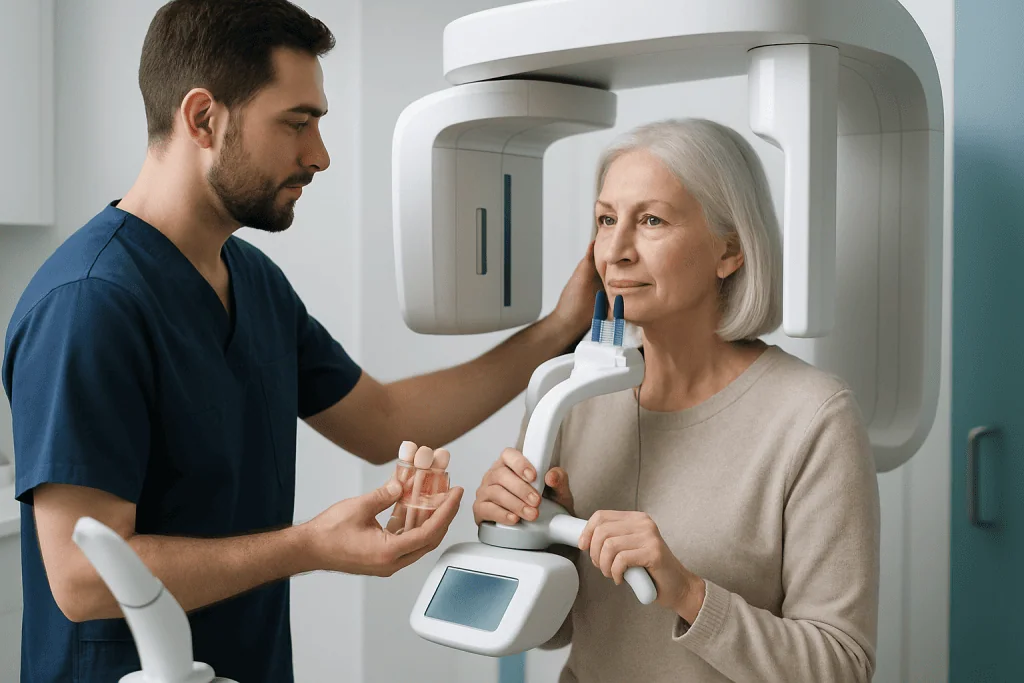
You cannot force bone to integrate faster, but you can remove the obstacles that slow it down. Protect the surgical site for the first days, rest, eat soft nourishing food, keep your mouth clean the way your surgeon showed you, avoid smoking and alcohol, and attend every review. Your own surgeon's written instructions always take priority over general advice, including this guide.
You want to know how to heal faster after dental implant surgery, what you can actually do in the next few days, and how soon it is safe to fly home. The honest answer is unglamorous: protect the surgical site, rest through the first days, eat soft nourishing food, use your medicines exactly as prescribed and keep every follow-up appointment. Healing varies from person to person, and your own implant surgeon’s instructions always take priority over general advice, including this guide.
At a glance
- First 24 hours: Rest, control any oozing as instructed, and do not rinse, spit or disturb the surgical area.
- Typical discomfort: Usually strongest in the first 2–3 days, then easing steadily over the following week.
- Food choices: Cool or lukewarm soft foods, chewed away from the implant side.
- Oral hygiene: Keep the rest of your mouth clean as normal; treat the surgical area gently, exactly as your surgeon directed.
- Smoking and alcohol: Both interfere with early healing; avoid them for the period your surgeon specifies.
- Travel planning: Build time for planned reviews into your stay before flying home, and get flight timing from your treating surgeon, not a fixed rule.
- Worth knowing: Pain that worsens after improving, fever, pus, heavy bleeding or spreading swelling are not part of ordinary healing.
How to heal faster after dental implant surgery
The most reliable way to heal faster after dental implant surgery is to stop thinking of recovery as something you accelerate and start thinking of it as something you protect. Your body already knows how to heal. In the first days it forms a stable blood clot over the surgical site and begins soft-tissue repair. Over the following weeks and months, bone gradually locks onto the implant surface: a process called osseointegration. No rinse, supplement or technique makes that biology run faster. What you can do, very effectively, is avoid the setbacks that make it run slower.
The common setbacks are predictable: smoking, alcohol, vigorous rinsing in the first day, chewing on the implant side, poor oral hygiene, heavy exercise too soon, and skipped follow-up appointments. Remove those, and you have done most of what is in your control. Everything else in this guide is detail on how to do exactly that.
One distinction matters throughout. Feeling better is not the same as being healed. Gum tissue can look and feel comfortable within a couple of weeks, while the bone underneath is still months from full integration. That is why surgeons stage dental implant treatment and schedule reviews even for patients who feel completely well. Comfort is a poor measure of what is happening below the gumline.
What is actually healing, and why it takes months
Understanding the stages makes the aftercare rules feel less arbitrary. Three things happen in sequence after implant placement.
- Clot formation and early wound closure (days 0–3). A blood clot seals the surgical site and becomes the scaffold for everything that follows. This is why the first-day rules exist: no forceful rinsing, no spitting, no straws where advised, no prodding. Dislodging the clot restarts the earliest stage of healing.
- Soft-tissue repair (days 3 to roughly week 2–3). The gum tissue closes and matures over or around the implant. Stitches dissolve or are reviewed during this window. Gentle cleanliness matters most here: the tissue needs to be clean but not irritated.
- Osseointegration (weeks to months). Bone cells gradually grow onto and around the implant surface, anchoring it. This is the slow, silent stage. It cannot be felt, rushed or checked at home, and it is the reason your surgeon controls when the final restoration is fitted and when normal chewing forces are allowed.
Procedures that involve bone grafting or sinus work add their own healing stages, which is one reason recovery timelines differ so much between patients. The number and position of implants, your general health, and conditions or medicines that affect healing all play a part. Your surgeon’s plan reflects your case, not the average one.
Dental implant healing timeline: day by day and week by week
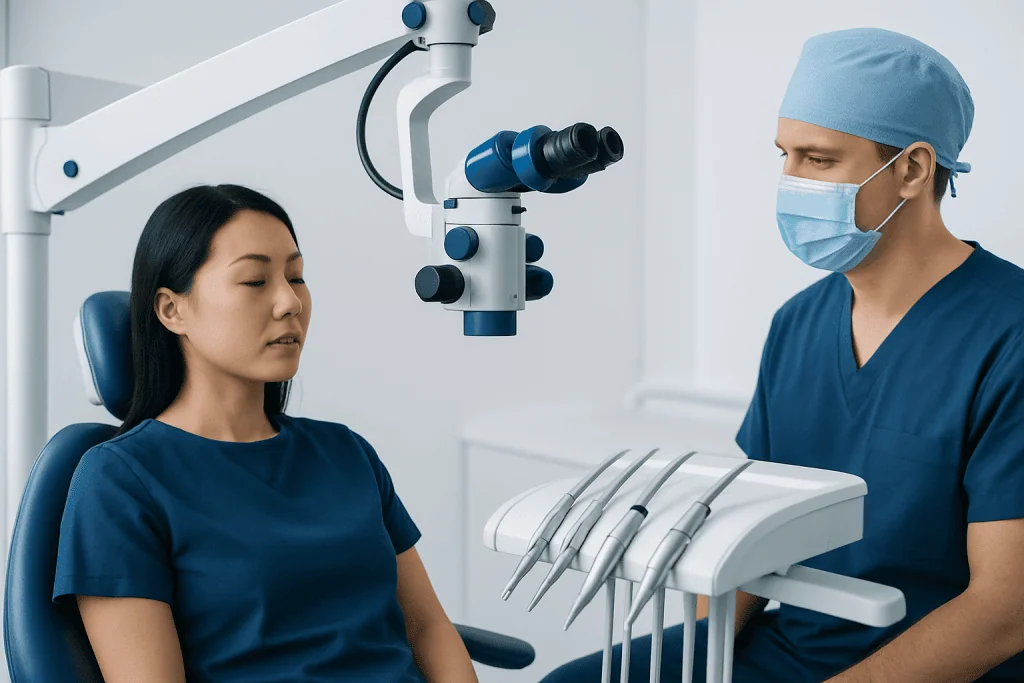
The table below describes a common pattern, not a deadline. Recovery differs with the number and position of implants, whether grafting or sinus treatment was needed, your general health and whether sedation was used. If your surgeon’s instructions differ from anything here, follow your surgeon.
| Time after surgery | What you may notice | What to focus on |
|---|---|---|
| Day 0 | Numbness, light bleeding or oozing, tenderness, early swelling. | Rest. Bite on gauze if instructed, use a cold pack externally, and do not rinse or spit forcefully. |
| Days 1–3 | Swelling and bruising often peak; discomfort is usually most noticeable now. | Take medicines as prescribed, eat soft cool foods, drink water, avoid exertion. |
| Days 4–7 | Swelling begins to settle; discomfort becomes easier to manage. | Continue gentle cleaning, follow any salt-water advice, keep avoiding smoking and hard foods. |
| Week 2 | Gum tissue feels more comfortable; stitches dissolve or are reviewed. | Attend the planned check-up. Ask before returning to normal chewing or exercise. |
| Weeks 3–8 | Surface gums continue to mature; deeper healing continues quietly. | Maintain excellent oral hygiene and keep force off the implant. |
| Months 2–6+ | Bone integration may continue for several months before the final restoration. | Keep all follow-ups. Report looseness, bite changes or ongoing symptoms to your treating team. |
Do not test the site. Chewing something hard “to see how it feels”, pressing it with your tongue or checking it with a finger adds force and bacteria to tissue that needs neither. The urge is natural. Resist it.
How long should it hurt after dental implants?

Soreness, pressure and tenderness are expected. For most people, discomfort peaks in the first 48 to 72 hours and eases steadily over about a week. Mild tenderness can linger longer, particularly after more extensive work, multiple implants, bone grafting or sinus augmentation. A useful mental model: the overall direction should be improvement. Day five should feel better than day two.
Use only the pain relief your surgeon or pharmacist recommended, and take antibiotics only if they were prescribed for you. Do not add other medicines, including anti-inflammatory drugs, without checking they are suitable: this matters particularly if you have stomach, kidney, heart or bleeding considerations, or take other regular medication. Decisions about starting, stopping or combining medicines belong with your treating doctor, not with a guide.
Pain that follows the opposite pattern, improving, then worsening, is not part of ordinary healing, and neither is pain accompanied by fever, a bad taste, pus, growing facial swelling or difficulty opening the mouth. Dentists treat these as findings that need prompt professional assessment rather than watching and waiting. Our guide on pain after a dental implant covers the normal pattern in more depth.
Does salt water help heal dental implants?
Gentle salt-water rinsing helps keep the mouth clean and can soothe healing gum tissue once your surgeon says it is appropriate to begin. Be clear about what it does not do: it does not make the implant fuse to bone faster, and it does not replace brushing or professional follow-up. It is a hygiene aid, not a healing accelerant.
Timing matters more than the rinse itself. In the first 24 hours, most surgeons advise against any rinsing at all, so the blood clot stays undisturbed. After that, a lukewarm salt-water rinse is often suggested: a commonly used mixture is about half a teaspoon of salt in a cup of warm water, though you should use the concentration and frequency your own team recommends. Let the liquid bathe the mouth gently, then let it fall out over the sink. No vigorous swishing, no forceful spitting.
Avoid very hot water, harsh mouthwashes and peroxide products unless specifically directed. If you were prescribed an antibacterial rinse such as a chlorhexidine product, ask how to schedule it around brushing and salt water, prolonged or incorrect use can irritate tissue or stain teeth.
How many days should you rest after a dental implant?
Plan for at least 24 to 48 hours of relative rest after a straightforward implant procedure. Most people can return to quiet daily activity within a day or two. Physically demanding work, gym sessions, heavy lifting, running, swimming and contact sports should wait longer, often several days to a week, depending on the procedure and your surgeon’s advice. Exertion raises blood pressure, and raised blood pressure encourages bleeding and swelling at a fresh surgical site.
Rest does not mean lying flat for two days. Gentle movement around your accommodation is fine and usually more comfortable than staying still. What to avoid is bending, straining and anything that significantly raises your heart rate. Keep your head elevated when resting, particularly on the first night, if this has been recommended: it helps limit swelling.
If you are recovering in Istanbul or elsewhere in Turkey, do not book a packed sightseeing schedule for the days immediately after surgery. Short, unhurried outings after the first day or two are usually realistic; a full day of walking in the heat is not. Leave flexibility around your planned review appointment, and treat your surgeon’s advice on flight timing as part of the treatment plan: the details are covered in our guide to flying after dental surgery and dental implants.
Eating and drinking to support healing
Food is one of the few areas where you can actively help. Healing tissue needs protein, vitamins and hydration, and it needs them delivered without mechanical trauma to the surgical site. Start with cool or lukewarm soft foods: yoghurt where your team permits it, eggs, soups that are not hot, mashed vegetables, oatmeal, soft fish and smoothies eaten with a spoon. Chew on the opposite side and drink water regularly.
Avoid crunchy, sticky, spicy and very hot foods at first, heat encourages bleeding, and hard fragments can lodge in or press on the wound. Skip straws if your surgeon has advised against them, because suction can disturb the early clot. If you are unsure what a week of meals actually looks like, our day-by-day diet guide maps it out, meal by meal.
Alcohol deserves a specific mention. It can interfere with early healing, interact with pain medicines and antibiotics, and blunt your judgement about the do-not-touch rules above. Avoiding it during early recovery is sensible; our guide on alcohol after dental implant surgery explains the reasoning and typical waiting periods.
What helps gums heal after dental implant surgery?
Gum healing depends on a simple balance: clean, but not irritated. Brush the rest of your teeth as normal unless told otherwise, then treat the surgical area with the technique, brush type or rinse your team recommended. Do not pull your lip back to inspect the wound repeatedly, touch it with fingers, or work a toothpick anywhere near the site. Every inspection is a small disturbance.
Smoking is the single most damaging habit for a healing implant. Nicotine constricts blood vessels and reduces blood flow to exactly the tissue that needs it most, and smoking is a recognised risk factor for implant complications and failure. Vaping is not a safe substitute during recovery. Avoid both completely for the period your surgeon specifies, and if stopping is genuinely difficult, say so before surgery, so your care team can plan support around it. Our guide on smoking after dental implants covers the risks and typical timelines in detail.
Sleep is quietly important too. Tissue repair happens disproportionately during rest, so treat early nights in the first week as part of the aftercare, not an optional extra.
Follow-up and travel: finishing treatment properly
Follow-up is part of implant treatment, not an optional extra. Your surgeon may need to check the gum tissue, assess or remove stitches, evaluate your bite and confirm the site is healing as expected, none of which can be judged from how the mouth feels. Keep a copy of your treatment summary, the implant details (brand and size are worth having in writing), any imaging provided, and the treating clinic’s contact information.
If you are returning home before all stages of treatment are complete, make sure you leave with three things in writing: which reviews happen in Turkey before you fly, which can be completed by a dentist at home, and how your treating team can be reached with your treatment records to hand. Implant treatment often spans months between placement and final restoration, so this handover paperwork matters as much as the surgery itself.
On flight timing: there is no universal rule. It depends on the extent of surgery, whether sinus work was involved and how your early recovery goes, which is why the clearance should come from your treating surgeon rather than a website: this one included.
Step by step
- Prepare a calm first 24 hours. Before surgery, arrange a quiet place to recover, easy soft meals, water and any prescribed medicines. Have the clinic’s written aftercare instructions to hand and follow them on gauze, cold packs and eating after anaesthesia.
- Protect the blood clot. For the period your surgeon specifies, avoid vigorous rinsing, forceful spitting, smoking, straws and touching the wound. These small disciplines protect the foundation of everything that heals afterwards.
- Manage swelling and discomfort safely. Use cold compresses on the outside of the face as advised, commonly in short intervals on the first day. Take medicines exactly as directed, without increasing doses or adding others on your own.
- Eat gently and stay hydrated. Start with cool or lukewarm soft foods, chew away from the implant, and broaden your diet only when comfortable and when your surgeon agrees.
- Clean carefully. Keep the rest of the mouth clean as normal; treat the surgical area with the specific technique you were shown. Begin salt-water or medicated rinses only when told to, and rinse gently.
- Return to activity gradually. Take one to two days of relative rest and postpone strenuous exercise until cleared. Throbbing, renewed bleeding or increased swelling after activity are signals to slow down.
- Attend every review and plan travel realistically. Keep appointments even when you feel well, healing beneath the gum cannot be judged by comfort. Before leaving Turkey, confirm your follow-up schedule, your surgeon’s flight guidance and your written handover documents.
Your checklist
- Written postoperative instructions and the treating clinic’s contact details
- Prescribed medicines with a clear dosing schedule
- Soft, cool or lukewarm foods for the first few days
- Cold pack or clean wrapped ice pack for external use
- A soft toothbrush and any recommended oral rinse
- A planned follow-up appointment before or after travel
- A copy of your treatment summary, implant details and any imaging
- Flexible travel and activity plans through early recovery
Key takeaways
- You cannot speed up bone integration; you can only protect it. Rest, gentle oral care and soft foods are how you do that.
- Discomfort usually peaks in the first 2–3 days and eases over the following week; the direction should be improvement.
- Salt-water rinses help hygiene once your surgeon says to start, rinse gently, and never in the first 24 hours unless told otherwise.
- Smoking, vaping, alcohol and strenuous exercise are the most common self-inflicted setbacks. Avoid them for the period your team advises.
- Keep every follow-up and leave with written aftercare, implant details and a clear plan for reviews at home.
Frequently asked questions
Can I brush my teeth after dental implant surgery?
Yes, keep the rest of your mouth clean as normal unless told otherwise. The surgical area is the exception: your surgeon may advise avoiding direct brushing briefly, or using a very soft brush with a specific technique. Follow the instructions you were given, especially if you have stitches or a graft.
What foods should I avoid after dental implant surgery?
Avoid hard, crunchy, chewy, sticky, spicy and very hot foods during early healing. Nuts, crisps, crusty bread, hard sweets and foods with small seeds can irritate the site or press on it. Choose soft foods, chew on the opposite side, and widen your diet only when your surgeon agrees.
Can I drink coffee after dental implant surgery?
Very hot drinks are usually best avoided immediately after surgery, because heat can encourage bleeding and irritate the area. Lukewarm is the safer starting point, and skip the straw if you were told to. Ask your surgeon when normal hot drinks are suitable for your case.
Is swelling normal after a dental implant?
Yes. Mild to moderate swelling is common and often most noticeable around days two and three, sometimes with bruising after more extensive treatment. It should then settle steadily. Swelling that keeps increasing after several days, or that comes with fever or severe pain, is not part of the normal pattern.
When can I fly after dental implant surgery in Turkey?
There is no fixed rule. Safe timing depends on the extent of surgery, whether sinus work or grafting was done, and how your early recovery goes, so flight clearance comes from your treating surgeon as part of the treatment plan. Build your planned review appointments into your stay before booking the return flight.
Can dental implants fail if I chew too soon?
Excessive force during healing stresses the implant and surrounding bone before integration is complete, which is why surgeons control diet and bite loading, sometimes with a temporary restoration. Do not test the implant with hard foods, and mention any looseness or bite change to your treating team promptly.
What should I do about bleeding after implant surgery?
A little blood-stained saliva or light oozing is normal early on. Your surgeon’s instructions typically cover it: gentle, steady pressure with clean gauze for a stated period, resting with the head elevated, and no rinsing or spitting. Heavy or persistent bleeding falls outside normal healing and needs professional assessment.
Does salt water actually make implants heal faster?
No. Salt water keeps the healing area clean and can soothe gum tissue, which supports healing, but it does not speed up bone integration. Its value depends on timing and gentleness: not in the first 24 hours unless your surgeon says otherwise, then used softly at the frequency your team recommends.
Add us as a Preferred Source to see more of our trusted health content across Google Search, AI Overviews and Discover.

Update history
- PublishedAugust 21, 2026
- Medical review approvedSeptember 13, 2026
- Last content updateSeptember 12, 2026
References2
- Cleveland Clinic: Dental implants my.clevelandclinic.org
- MedlinePlus: Dental health medlineplus.gov
More Patient Guides

Septoplasty Recovery: Week by Week
Learn what to expect after deviated septum surgery: a week-by-week septoplasty recovery timeline, when it is usually safe to fly home, and…

Gallbladder Surgery Recovery: Week by Week
Learn what to expect after gallbladder surgery: a week-by-week recovery timeline, pain, diet, wound care, when it is safe to fly home…
Robotic Hysterectomy Recovery: Week by Week
Recovery from robotic hysterectomy week by week: pain, lifting, wounds, driving, flying home safely, warning signs and questions to ask before you…

Breast Reconstruction Recovery: Week by Week
DIEP flap recovery week by week: hospital stay, drains, pain, walking, showering, driving, when it is usually safe to fly home, and…