

How to Prepare for Sedation in Turkey: A Practical Patient Checklist

Follow the written fasting and medication instructions your own hospital gives you, and arrange an adult escort plus safe transport back to your hotel. Send your full health, allergy and medication history before you travel, bring your passport, reports and medication list, and keep the rest of the day free, no driving, long journeys or busy plans.
Wondering whether you can fly home the same evening, or what happens if you sip a coffee too close to your appointment time? These are the questions most patients ask us first. If you are coming to Turkey for a test, minor procedure, or day treatment that involves sedation, a little preparation can make the experience much smoother.
This guide helps you organize the practical details before, on, and after your appointment so you feel informed, safe, and ready.
At a glance
- Best time to prepare: Start 1-2 weeks before your appointment
- Most important rule: Follow your fasting and medication instructions exactly
- Travel planning: Arrange an escort and avoid driving after sedation
- Documents to bring: Passport, reports, medication list, and insurance details if relevant
- Typical setting: Often outpatient or day-case, depending on your procedure
- Support available: Interpreter, scheduling, and travel coordination through international patient services
What sedation in Turkey usually means for your visit
Sedation is commonly used for certain scans, endoscopy procedures, dental treatments, minor interventions, and day-case care. It is different from a routine clinic appointment because you may need fasting, monitoring before and after the procedure, and someone to accompany you when you leave. The exact plan depends on your health history and the type of sedation your clinical team recommends.
If you are traveling from abroad, the practical side matters just as much as the medical instructions. You will want to know when to stop eating and drinking, which medicines to take or pause, how long to stay nearby afterward, and whether you can fly or continue sightseeing soon after. These details are usually straightforward, but they should never be guessed.
At Acibadem International, international patient teams can help you coordinate these logistics before you arrive, especially if you need translated instructions, transport guidance, or help planning a short recovery period in Istanbul or another Turkish city. That can make the day feel much more manageable, particularly if you are balancing treatment with travel.
What to confirm with your care team before you travel
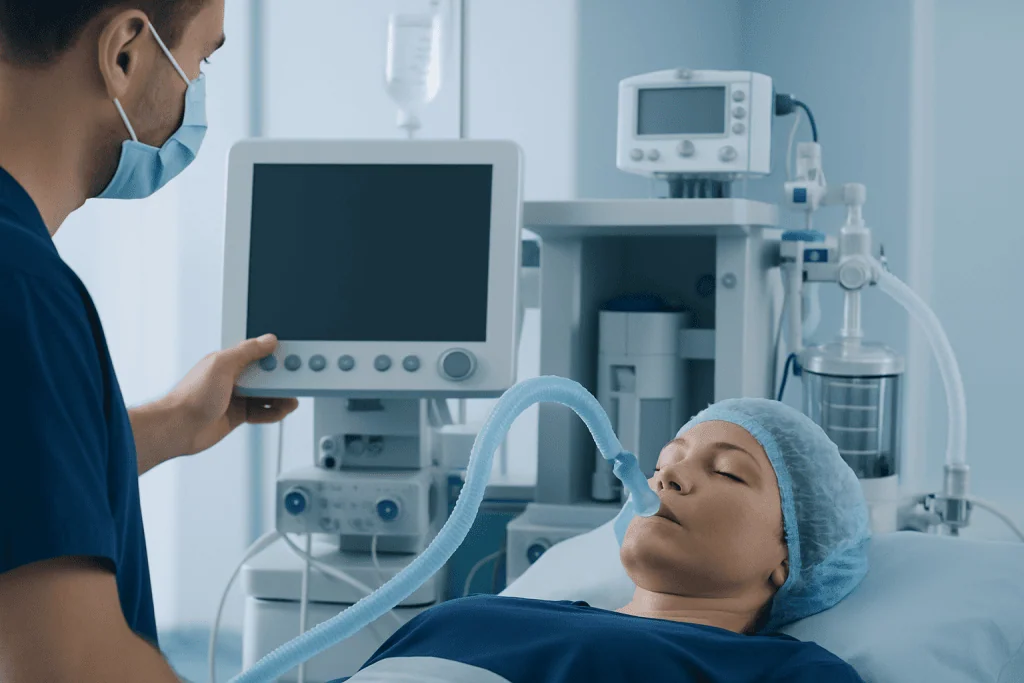
Before you travel for sedation in Turkey, ask for your written pre-procedure instructions as early as possible. Read them carefully and check whether they apply to your exact procedure, because fasting times and medication rules can vary. If anything is unclear, ask for clarification rather than relying on general internet advice.
Share your full medical history in advance, including allergies, previous reactions to sedation or anesthesia, sleep apnea, heart or lung conditions, diabetes, pregnancy status, and all medicines or supplements you take. This is especially important if you use blood thinners, insulin, weight-loss injections, pain medication, or anti-anxiety medicines. The team may adjust your plan to keep you safer and avoid delays on the day.
You should also confirm the practical points that are easy to overlook: arrival time, how long you may stay in recovery, whether you need laboratory tests beforehand, and whether you must have an adult escort with you. If you are using Acibadem International, the patient services team can often help coordinate appointments, interpreter support, and reminders so you arrive with fewer uncertainties.
Fasting, medicines, and health information: the details that matter most

The most important preparation step is following your fasting instructions exactly. Even if your procedure seems simple, eating or drinking too close to the appointment may make sedation unsafe and can lead to cancellation or postponement. Only follow the timings given by your own team, including whether you may have small sips of water for essential medicines.
Medication planning is the second key area. Some medicines should be taken as usual, some should be adjusted, and some may need to be paused temporarily. Never stop prescription medication on your own unless your doctor has specifically told you to do so, and bring a written medication list with the dose and timing for everything you take.
If you have diabetes, use anticoagulants, or take supplements that affect bleeding or drowsiness, ask for tailored advice well before your travel date. Also mention if you have a cold, fever, vomiting, breathing symptoms, or any change in your health just before the procedure. These updates can affect whether sedation should go ahead that day.
- Ask when to stop eating solid food
- Ask whether clear liquids are allowed, and until when
- Confirm which medicines to take on the morning of the procedure
- Report any recent illness or infection
- Bring your medication list and allergy details with you
How to plan your day: escort, transport, clothing, and recovery time
Many patients focus on the procedure itself and underestimate the hours around it. After sedation, you may feel sleepy, slower to react, or less confident on your feet even if you feel “fine.” For that reason, you should plan for an adult escort, avoid driving, and use organized transport back to your hotel or accommodation unless your team tells you otherwise.
Wear comfortable, loose clothing and leave extra time for check-in. Bring your passport or ID, previous medical reports, test results, insurance documents if relevant, and any forms the hospital asked you to complete. It is also helpful to remove nail polish or jewelry if your team has requested it, and to avoid bringing valuables if you do not need them.
If you are visiting Turkey specifically for this appointment, it is wise not to schedule demanding sightseeing, shopping, or onward travel on the same day. Give yourself a quiet recovery window, even for relatively short procedures. Acibadem International can often help arrange practical details such as hospital transfers, interpreters, and accommodation guidance so your post-sedation journey is simple.
What to expect at the hospital and before discharge
On the day, you will usually be asked about your fasting status, medication use, allergies, and who is taking you home. A nurse or doctor may repeat questions you have already answered online or by email; this is normal and helps confirm safety. If there has been any change in your health since booking, mention it clearly at check-in.
Before discharge, the team will usually make sure you are awake enough, stable, and able to leave safely with support if needed. You may receive instructions about eating, drinking, rest, pain relief, and warning signs to watch for later in the day. Read these before you leave, not once you are back in your room and sleepy.
If English is not your first language, ask for written instructions in a language you understand or request interpreter support. At JCI-accredited Acibadem hospitals, international patient services can help bridge communication gaps and make sure your practical next steps are clear. Good discharge planning is one of the best ways to avoid confusion later.
Your first 24 hours after sedation in Turkey
Even when sedation is light or moderate, the rest of the day should be treated as recovery time. You should generally avoid driving, signing important documents, using machinery, drinking alcohol, or making major decisions until the effects have fully worn off and your team says it is safe. Rest, fluids, and a calm environment are usually the best plan.
Keep your phone charged and stay somewhere you can be reached. If you are traveling with a companion, ask them to stay nearby for the first several hours. If you are alone in Turkey, discuss this in advance with your provider so the team can advise you on the safest arrangement for discharge and observation.
Call the hospital or seek urgent medical help if you develop concerning symptoms such as difficulty breathing, persistent vomiting, severe dizziness, chest pain, unusual bleeding, or if you are hard to wake. Most patients recover smoothly, but it is always better to ask early if something does not seem right. Keep your discharge paperwork and hospital contact details within easy reach.
Step by step
- Request your written sedation instructions early. Ask for the hospital's pre-procedure guidance as soon as your appointment is confirmed. Written instructions help you avoid misunderstandings about fasting, medicine timing, and discharge arrangements.
- Share your full health and medication history. Send an accurate list of your conditions, allergies, prior anesthesia or sedation reactions, and all medicines and supplements. This gives the team time to advise you properly before you travel.
- Plan fasting and medicine timing carefully. Work backward from your appointment time so you know exactly when to stop eating and drinking. If you take regular medicines, confirm which ones to continue, adjust, or pause.
- Arrange an escort and safe transport. Do not assume you can take yourself back after sedation. Book a companion, family member, or organized transport and make sure your return route is simple and low-stress.
- Prepare your documents and essentials. Pack your passport, appointment confirmation, medication list, prior reports, and insurance details if needed. Wear comfortable clothes and bring only what you need for the day.
- Keep the rest of the day free. Avoid booking flights, long journeys, or busy activities immediately after the procedure. Even if you recover quickly, having a quiet schedule gives you a safer margin.
- Review discharge instructions before you leave. Before going back to your hotel or home, make sure you understand eating, drinking, medication, and warning-sign advice. Save the hospital contact number so you know who to call if you have questions later.
Your checklist
- I have received and read my written pre-sedation instructions.
- I have told the hospital about all medicines, supplements, allergies, and health conditions.
- I know exactly when to stop eating and drinking.
- I have confirmed which medicines to take or pause on the day.
- I have arranged an adult escort or safe support after discharge.
- I am not planning to drive or travel long distance right after sedation.
- My passport, reports, medication list, and appointment details are ready.
- I have a quiet place to rest after the procedure.
- I have saved the hospital's contact details and know the warning signs to watch for.
Key takeaways
- For sedation in Turkey, your own fasting and medication instructions are more important than generic advice.
- Tell the hospital about all medical conditions, allergies, supplements, and previous sedation reactions before you travel.
- Plan an escort, safe transport, and a quiet recovery period instead of a busy same-day schedule.
- Bring complete documents, arrive early, and ask for interpreter support if needed.
- Keep discharge instructions and emergency contact details close during the first 24 hours.
Frequently asked questions
Can I travel alone for a procedure that uses sedation in Turkey?
It depends on the procedure, the type of sedation, and the hospital's discharge policy. Many patients are asked to have an adult escort because they may feel drowsy or unsteady afterward. If you will be alone, tell the provider well in advance so they can explain the safest option.
How long before sedation do I need to stop eating and drinking?
There is no one rule that fits every patient or every procedure. Your fasting times depend on the type of sedation, your health status, and what the team plans to do. Always follow the written timing given by your hospital, even if it differs from advice you have seen elsewhere.
Should I take my usual medicines on the day of sedation?
Some medicines are taken as normal, while others may need to be adjusted or temporarily paused. This is especially important for diabetes medicines, blood thinners, sedatives, and certain injections or supplements. Do not make changes on your own; ask for clear instructions from your care team.
Can I fly after sedation in Turkey?
That depends on the procedure you had, how quickly you recover, and whether there were any special concerns during your care. For many minor day-case visits, a short delay and a period of observation may be advised before flying. If you have international travel plans, discuss them before booking so the team can guide you safely.
What should I bring with me on the day?
Bring your passport or ID, appointment confirmation, medication list, allergy information, previous reports, and insurance documents if relevant. It is also wise to have your companion's contact details, your hotel address, and a phone charger. Keep your bag simple and avoid unnecessary valuables.
Will someone help me if I do not speak Turkish?
Yes, international hospitals in Turkey often support overseas patients with interpreters or multilingual staff. At Acibadem International, international patient services can help coordinate communication, appointments, and practical arrangements. If you need language support, request it before the day of your procedure.
What should I avoid after sedation?
You should generally avoid driving, alcohol, strenuous activity, signing important papers, and making major decisions until the sedative effects are fully gone. You may also need to follow temporary eating or medication instructions depending on your procedure. If you feel unusually sleepy, dizzy, or unwell, contact the hospital for advice.
Add us as a Preferred Source to see more of our trusted health content across Google Search, AI Overviews and Discover.

Update history
- PublishedJuly 8, 2026
- Medical review approvedAugust 25, 2026
- Last content updateAugust 24, 2026
References2
- Anesthesia - MedlinePlus medlineplus.gov
- CDC Travelers' Health wwwnc.cdc.gov
More Patient Guides

How Long Does Anesthesia Last? Wear-Off Times by Type
Coming round from an operation, almost everyone asks the same two questions: when will my head feel normal, and how long is…

Flying to Turkey After a Recent Illness: When Is It Safe to Travel?
Flying to Turkey after a recent illness may be safe once you are medically stable and cleared to travel; plan airline support…
Braces, Retainers, and Dental Work Before Surgery in Turkey: What to Tell Your Team
Braces, retainers and dental work before surgery in Turkey should be shared with your care team early to plan safe anaesthesia and…

When to Stop Eating, Drinking, or Smoking Before a Procedure in Turkey
When to stop eating before a procedure in Turkey depends on your anesthesia plan; follow your care team’s exact fasting instructions for…