

How to Report a Safety Concern in a Turkish Hospital
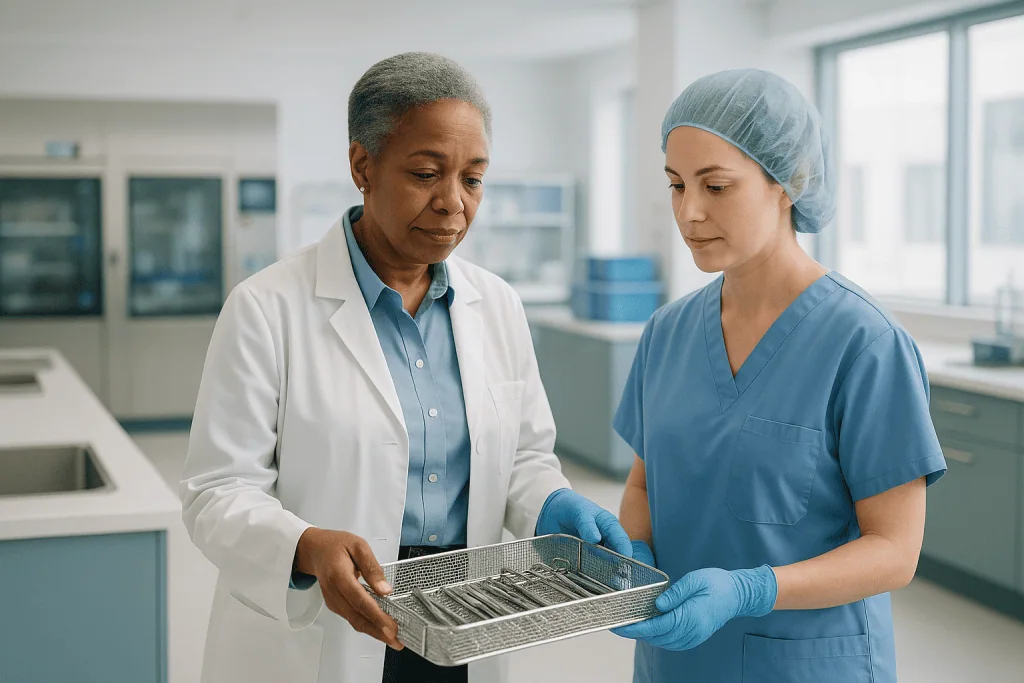
To report a safety concern in a Turkish hospital, speak to the nearest nurse or doctor straight away, or press the call bell if the issue is urgent. Ask for an interpreter before explaining details if you need one. If the concern is not resolved, ask for patient relations or international patient services, and keep brief written notes of who said what and when.
Something feels off. The medication looks different from yesterday. Nobody checked your wristband before a procedure. An instruction you were given this morning contradicts what you heard last night. Do you say something? Yes, always. If something does not feel safe during your hospital stay in Turkey, you have the right to speak up, and staff expect you to.
This guide explains exactly how to report a safety concern in a Turkish hospital: who to contact first, what details to give, how interpreters fit in, what happens after you report, and how to escalate if you still feel unheard. It also answers the questions international patients most often ask about hospital safety in Turkey.
At a glance
- When to speak up: As soon as you notice a concern about medication, hygiene, identity checks, communication, equipment, or care coordination. You do not need proof: a worry is reason enough.
- First contact: The nearest nurse or doctor for anything happening now; patient relations or the international patient coordinator for anything unresolved or non-urgent.
- Language support: Ask for an interpreter before explaining details if Turkish or English is not comfortable for you. Accuracy matters more than speed.
- What to prepare: Date, time, location, names or roles of staff if known, what happened, and what you need now.
- Urgent concern: Use the nurse call button, go to the nearest clinical desk, or ask your companion to alert staff immediately. Say clearly that it is urgent.
Why it matters to report a safety concern in a Turkish hospital
When you are receiving care in another country, it is natural to hesitate. You may worry about seeming rude, about language barriers, or about whether your concern is ‘serious enough’. Set that aside. You can report a safety concern in a Turkish hospital at any point in your journey, in an outpatient clinic, an imaging suite, a pre-operative area, an inpatient ward, or a discharge office. Speaking up is not being difficult. It is part of safe care, and hospitals build their safety systems on the assumption that patients and families will raise concerns.
A safety concern can be urgent: a fall risk, a possible medication mix-up, a missing allergy warning, or a change in your condition that you feel has not been noticed. It can also be quieter: a hygiene worry, a skipped patient identification check, conflicting instructions, a privacy issue, a delay that worries you, or discharge paperwork you do not understand. All of these are legitimate reasons to speak up.
Hospitals with established international patient programmes, including Acibadem hospitals, work daily with patients who speak different languages and arrive with different expectations of how healthcare works. The goal is straightforward: get your concern to the right team quickly, act on it, and tell you what happens next.
Who to contact first inside the hospital
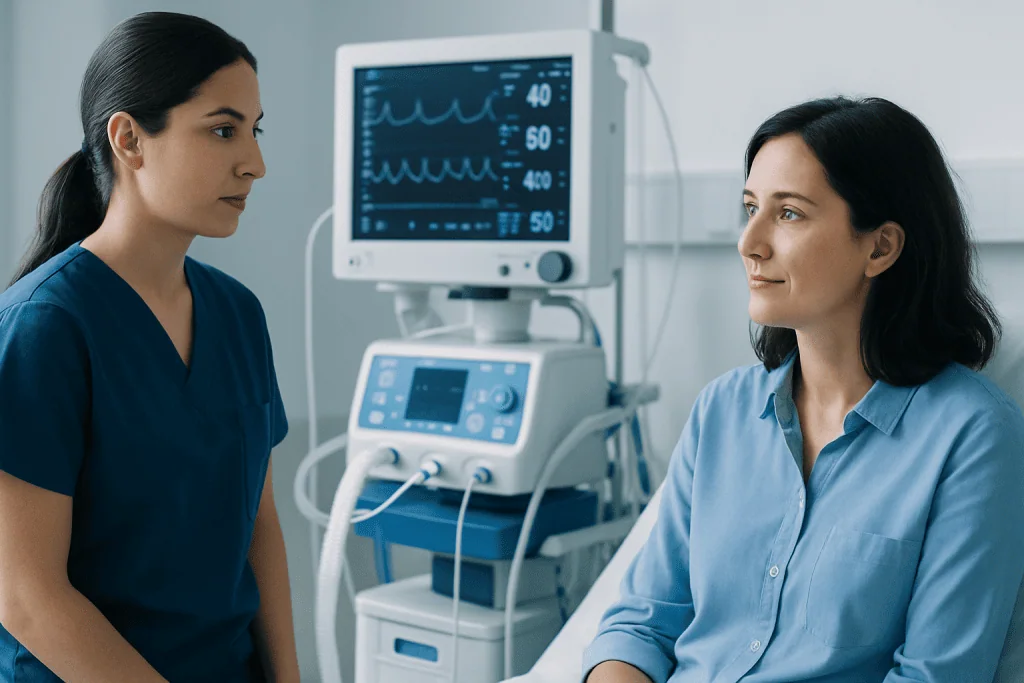
If the concern is happening now, start with the nearest member of the care team. That may be your bedside nurse, a clinic nurse, the attending doctor, the ward secretary, or a reception desk. Use simple, direct language: “I am worried this may not be safe” or “I need this checked before we continue.” You do not need medical vocabulary, and you do not need to soften the message. Plain statements travel best across languages.
If you do not feel understood, ask for the patient relations office or the international patient services team. Coordinators in these teams can arrange interpretation, help you explain the situation, identify the right department, and follow up with the relevant clinical or administrative staff so the concern does not stall.
For urgent concerns, do not wait for a formal channel. Use the call bell, ask your companion to find staff, or go to the closest nursing station. Say clearly: “This is urgent: I need a doctor or nurse to look at this now.” Staff are trained to respond to that framing, and no one will criticise you for using it.
One practical distinction helps: clinical concerns (medication, symptoms, identity checks, infection risks) go to clinical staff first, because they can act immediately. Service and communication concerns (delays, unclear information, coordination between departments) can go straight to patient relations or your international coordinator.
How to explain the concern clearly

A clear report gets a faster response. Focus on what you saw, what you were told, what changed, and why you are worried. If you are not sure whether something is a genuine safety issue, say exactly that: “I may be wrong, but I want this checked.” Hospitals would far rather rule out a false alarm than miss a real one.
Include the practical details where you can: the date and time, the department or room number, the names or roles of staff involved if you know them, the medication or test name if relevant, and whether any harm has already occurred. If you have photos of your own documents, medication labels, or appointment details, keep them available, but do not photograph other patients or restricted hospital areas.
A four-line structure works well when speaking with staff:
- What happened: Describe the event in one or two sentences.
- Why you are concerned: Explain the possible risk or the confusion it caused.
- What you need now: Ask for a review, a clarification, an escalation, an interpreter, or written documentation.
- Who should be informed: Say whether your doctor, companion, coordinator, or patient relations should be included.
This structure works for anything from a medication safety question to a worry about how a consent form was explained. It keeps the conversation factual and gives staff a concrete action to take.
Using interpreters and international patient services
If Turkish, English, or the language being used is not comfortable for you, ask for an interpreter before discussing the details. Safety concerns often turn on small differences in wording, a drug name, a dose timing, an allergy, so it is better to pause and communicate accurately than to rush through a confusing conversation and hope for the best.
At Acibadem, international patient services can assist with interpretation, appointment coordination, hospital navigation, and communication between you and the care team. They can also show you where and how to submit written feedback or a formal complaint if a matter cannot be resolved at the bedside.
Whenever possible, speak directly to the clinical team with the interpreter present rather than relying only on a companion to translate. Family members are valuable support, but trained interpreters are the safer choice when medication names, allergies, symptoms, consent questions, or discharge instructions need to be precise. A companion translating under stress can accidentally change a detail that matters.
Who is responsible for reporting a patient safety event?
Inside the hospital, staff carry the formal responsibility. Nurses, doctors, pharmacists, and technicians are expected to record safety events through internal incident-reporting systems, and quality teams review those reports to find patterns and fix processes. That system does not depend on you.
But you sit closest to your own care. You are the one person present at every step, every medication round, every identity check, every handover between shifts. That makes you an important early-warning source that the formal system cannot replace. When you report a safety concern in a Turkish hospital, you are not doing the staff’s job for them; you are adding a signal the system is designed to receive. The World Health Organization actively encourages this kind of patient engagement because patients often notice near-misses that staff, moving between many patients, do not.
The practical division is simple: you raise what you notice, in plain words, as soon as you notice it. The hospital is responsible for documenting it, acting on it, and telling you what happens next.
What happens after you report it
For a concern raised in the moment, the first response is usually immediate risk reduction: rechecking your identity, reviewing your medication list, reassessing your symptoms, repeating an explanation, confirming consent, changing equipment, cleaning an area, or asking a senior clinician to review the plan. You should see something happen, and you are entitled to ask what was done.
For non-urgent issues, your concern may be logged and shared with the relevant department, patient relations, the quality team, or clinical leadership. The exact pathway varies between hospitals, so ask three questions: What happens next? Who is responsible for follow-up? When can I expect an update? Write down the answers.
Hospitals that hold international accreditation follow structured standards covering communication, medication safety, infection prevention, and patient identification. Accreditation does not mean problems never happen, no honest hospital would claim that. It means there should be organised pathways for reporting, reviewing, and improving, and that your concern feeds into a real process rather than disappearing.
If you still feel worried or unheard
If your concern is not addressed or you do not feel reassured, ask for escalation. Calm and firm is the right register: “Please help me speak with the unit supervisor, patient relations, or the doctor in charge.” As an international patient, you can also ask your coordinator to stay involved until the next step is confirmed.
Keep a brief written record for yourself: the date, the time, whom you spoke with, what they said would happen, and whether it did. This protects you from having to repeat the story from scratch, and it is useful later if you need written clarification or want to brief your referring doctor, see our guide on sharing Turkish medical reports with your local doctor.
Two important boundaries. First, if the concern relates to your ongoing medical condition, do not delay necessary care while waiting for an administrative response, ask the clinical team what is safe to do now and who can reassess you. Second, if you have already left the hospital and develop symptoms that feel time-critical, such as sudden trouble breathing, severe chest pain, or rapid worsening after a procedure, call your local emergency number or go to the nearest emergency department now. Complaint processes come later; your immediate wellbeing comes first.
Companions and family: how they can help you speak up
If you are travelling with a companion, agree in advance how they will support you. They may notice confusion, pain, dizziness, medication timing issues, or discharge misunderstandings at moments when you are tired, sedated, or recovering. Give them explicit permission to ask questions on your behalf if you want that support.
Specific and respectful works best. Rather than “everything is wrong here”, a companion can say: “My father was told not to eat before the test, but food just arrived, can you confirm the plan?” Or: “My sister has a known allergy, can we check that it is visible in her record?” Each of these gives staff a concrete item to verify.
Be aware that hospitals may need your consent before sharing detailed medical information with relatives or companions. If you want someone included in conversations about your care, tell the team early and ask how this can be noted in your file, ideally during admission rather than mid-crisis.
Is it safe to have treatment in a Turkish hospital?
International patients often ask this directly, so here is a direct answer. Turkey has a large hospital sector that treats significant numbers of international patients each year, and many major hospitals, including private groups with dedicated international departments, operate structured quality and safety systems, from surgical checklists to medication verification and infection control protocols. That infrastructure is real, and this guide exists because those systems work best when patients use them.
At the same time, no hospital anywhere can promise that nothing will go wrong. Safety is a process, not a guarantee, and your own preparation is part of it. Before you travel, work through a patient safety checklist before surgery in Turkey, and if your treatment involves an operation, review the safety and consent questions worth asking before surgery. A patient who knows what checks to expect, and knows how to report a safety concern in a Turkish hospital when something looks off, is a safer patient.
Step by step
- Check whether the concern is urgent. If there is immediate risk, trouble breathing, sudden worsening symptoms, a possible medication error, a fall, call staff at once. Use the nurse call button, go to the nearest desk, or ask your companion to alert the team while you stay where you are.
- Ask for language support if needed. Before giving detailed information, ask for an interpreter or your international patient coordinator. Precision matters most for allergies, medicines, consent, symptoms, and discharge instructions.
- Describe what happened in simple terms. Give the date, time, place, and what you noticed. You do not need to diagnose anything, just explain why you feel it may affect your safety.
- Ask for a specific next step. Request that a medication be rechecked, the treatment plan confirmed, the doctor called, or the discharge papers reviewed. If you are unsure who is responsible, ask the staff member to point you to the right person.
- Involve patient relations or international patient services. If the concern is not resolved quickly, or if it involves communication, coordination, or service quality, ask for patient relations. Your coordinator can follow the issue across departments so you do not have to.
- Write down the response. Note whom you spoke with, when, and what they said would happen. This saves you from repeating yourself and gives the hospital a clear timeline if escalation is needed.
- Follow up before discharge or departure. Before leaving the hospital or Turkey, ask whether the issue is closed, still under review, or needs later follow-up. Confirm you understand your medical instructions and have contact details for questions after you return home.
Your checklist
- Your full name, date of birth, and patient number if available
- Date, time, and location of the safety concern
- Names or roles of staff involved, if known
- A simple description of what happened and why it worried you
- Medication names, allergy details, test names, or documents involved
- Photos of your own documents or labels, if appropriate and allowed
- What action you are requesting now
- Interpreter or language preference
- Name and contact details of your companion, if they are helping
- Notes of the hospital response and any follow-up plan
Key takeaways
- Report urgent safety concerns immediately to the nearest clinical staff member, do not wait for a formal channel.
- Ask for an interpreter or your international patient coordinator whenever language could affect accuracy.
- Describe facts plainly: what happened, when, where, who was involved, and what you need now.
- Escalate to the unit supervisor or patient relations if the concern is not resolved at the bedside.
- Keep your own notes and confirm the follow-up plan before discharge, especially if you are flying home soon.
Frequently asked questions
How do you report your concerns about patient safety?
Speak to the nearest nurse or doctor for anything happening now, using plain language: what happened, why you are worried, and what you need. For unresolved or non-urgent issues, ask for patient relations or the international patient services team, who can log the concern formally and follow up across departments. Ask for an interpreter first if you need one.
Who is responsible for reporting a patient safety event?
Hospital staff carry the formal duty to record safety events through internal reporting systems, which quality teams then review. But patients and companions are an important part of the picture, because you are present at every step of your own care. Raise what you notice; the hospital is responsible for documenting it and acting on it.
Can I report a safety concern if I am not sure it is serious?
Yes. You do not need to prove something is dangerous before speaking up. If you are worried about medication, hygiene, identification, communication, consent, or discharge instructions, ask the team to clarify or review it. Ruling out a false alarm is a normal part of safe care.
Will reporting a concern affect how staff treat me?
You should be able to raise concerns respectfully without fear of negative treatment, safety reporting is part of quality care, not an accusation. If you feel uncomfortable speaking directly to a particular staff member, ask for patient relations or international patient services instead.
What if I do not speak Turkish?
Ask for an interpreter or your international patient coordinator before explaining the details. This matters most when the issue involves symptoms, medicines, allergies, consent, or after-discharge instructions. Acibadem and many major Turkish hospitals provide language assistance for international patients.
Does Turkey have good hospitals?
Turkey has a large hospital sector, including major private groups with dedicated international patient departments and structured quality and safety systems. Standards vary between institutions, as they do in any country, so it is reasonable to ask any hospital about its safety checks, accreditation status, and complaint pathways before you commit to treatment.
Is it safe to go to Turkey for medical procedures?
Many international patients are treated in Turkish hospitals with established safety processes, but no hospital anywhere can promise nothing will go wrong. Your preparation is part of your safety: verify the hospital’s checks in advance, ask questions before consenting, and know how to raise a concern during your stay, which is exactly what this guide covers.
What should I do before leaving Turkey if my concern is still under review?
Ask for the name or department handling the follow-up and confirm how they will contact you. Take copies of relevant medical reports and discharge instructions, and make sure you have contact details for questions after travel. If the concern affects your ongoing treatment, ask the doctor what is safe to do next and what to watch for once you are home.
Add us as a Preferred Source to see more of our trusted health content across Google Search, AI Overviews and Discover.

Update history
- PublishedJune 8, 2026
- Medical review approvedSeptember 13, 2026
- Last content updateSeptember 13, 2026
References2
- Patient safety: World Health Organization fact sheet who.int
- Patient Safety: MedlinePlus medlineplus.gov
More Patient Guides

When to Delay Travel for Treatment in Turkey Because of Cold, Flu, or Fever
Delay travel for treatment in Turkey if you have fever, worsening flu symptoms, or breathing difficulty; contact your care team before flying.

Traveling to Turkey for Treatment While Pregnant: Safety Questions to Ask First
Traveling to Turkey while pregnant can be safe with medical clearance, airline checks and a tailored care plan. Ask these key safety…

When to Seek Urgent Help After Leaving the Hospital in Turkey
When to seek urgent help after leaving the hospital in Turkey: act fast for breathing trouble, chest pain, heavy bleeding, high fever,…
At Acibadem, How We Handle Consent, Privacy, and Patient Decision-Making
Consent, privacy, and patient decision-making at Acibadem in Turkey are handled with clear information, confidentiality, interpreters, and respect for your choices.