

How to Start Your Care Journey at Acibadem Health Point

You start your care journey at Acibadem Health Point by sharing a short summary of your condition and your recent medical records. The coordination team identifies the appropriate specialty, explains the likely next steps, and supports the practical side, interpreters, scheduling, travel timing, until you arrive. Final treatment decisions are confirmed after in-person assessment in Turkey.
Wondering where to begin when your treatment will happen in another country? Perhaps you have a folder of test results and no idea which ones matter, or a flight you are afraid to book too early. That is a normal place to start, and you do not have to organise it alone.
This guide explains how to start your care journey at Acibadem Health Point: what the pathway is, what to prepare before your case is reviewed, how planning and travel usually unfold, what happens when you arrive, and how follow-up continues after you go home. It describes the process honestly, including the parts that can only be decided once doctors have seen you in person.
At a glance
- Best for: International patients planning treatment in Turkey and unsure of the first step
- What Acibadem Health Point does: Coordinates first contact, medical record review, and the practical side of your journey
- Support available: Interpreter arrangements, appointment coordination, guidance on transfers and accommodation
- Before you travel: Share recent records, understand the provisional plan, prepare documents and medications
- Worth knowing: A final treatment plan is usually confirmed only after in-person examination and up-to-date tests
What Acibadem Health Point is and how you start your care journey
Acibadem Health Point is the starting pathway many international patients use when they first contact Acibadem International. Its purpose is to make the early, often confusing stage of treatment abroad more organised: which information is actually needed, which specialist team should look at your case, and what practical steps come next. When you start your care journey through Health Point, the first stage is about clarity rather than commitment. You share your medical information, describe your concerns and goals, and receive guidance on what an initial review requires.
Nothing about this first stage obliges you to travel. It is a review-and-orient process: your documents are looked at, the appropriate department is identified, and you are told what can be assessed remotely and what genuinely requires you to be in the hospital. Many patients find this distinction the single most useful thing to understand early, because it shapes when to book flights, how long to plan for, and what to expect from any opinion given before arrival.
Because Acibadem International works with patients from many countries, practical support runs alongside the medical review. That may include interpreter support, coordination between departments, and general guidance on travel timing, accommodation, and how hospital arrival works. If you want a step-by-step account of the very first message and what happens after it, the guide on how to start at Acibadem from online inquiry to your first appointment covers that stage in detail.
Is Health Point a points or rewards scheme?
A common search question is what you can “redeem” with health points. It is worth clearing this up: Acibadem Health Point is not a loyalty programme, a points card, or anything you accumulate and spend. Some clinics and insurers elsewhere in the world use “health points” to mean reward schemes, which is why the confusion exists. Here, Health Point is simply the name of the coordinated entry pathway for international patients: a service, not a currency. There is nothing to collect and nothing to redeem.
What to prepare before your first medical review
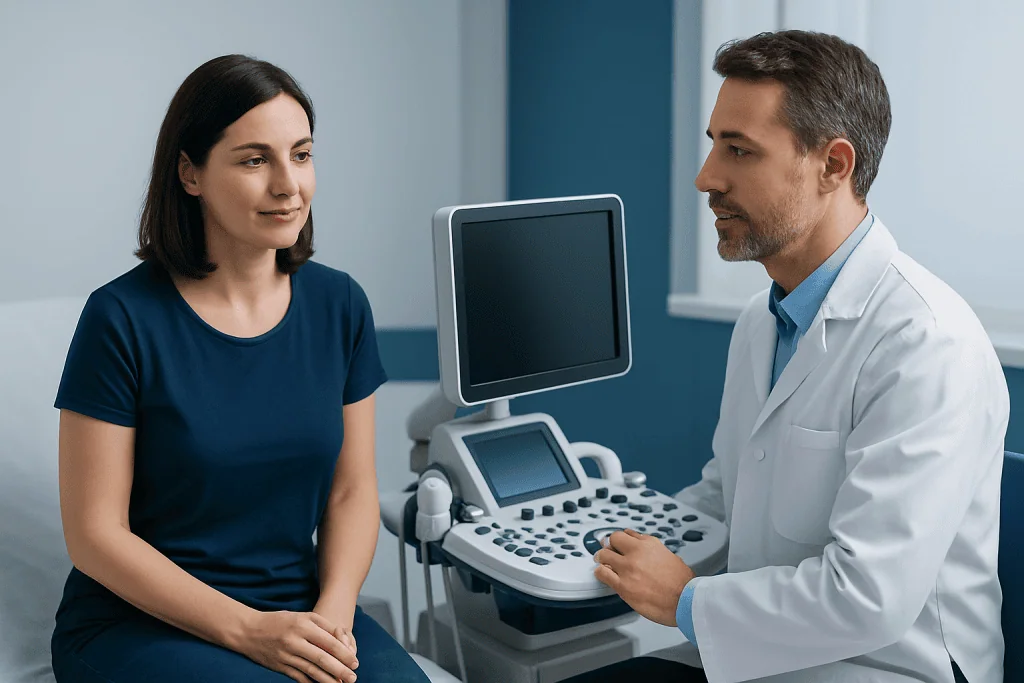
The better organised your records are, the smoother your care planning usually becomes. Before your case is reviewed, gather your recent test results, imaging reports, pathology results if relevant, a written summary of your diagnosis, and a list of current medications with doses. If you have scans on CD, USB, or secure digital links, keep those ready as well, original imaging files are often more useful to a reviewing doctor than a written report alone.
Send the most recent and most relevant documents rather than every medical paper you have collected over the years. Recent usually matters more than complete: a scan from last month tells the team more than five from previous years. If any records are not in English, ask whether translation is needed and which documents take priority, often only the key reports need translating at this stage. Clear file names with dates save real time for everyone. The guide on starting your care plan from abroad with the right documents goes deeper into what to send and in what form.
It also helps to write a short personal summary in your own words: your main symptoms, when they began, what treatment you have already had, any allergies, and significant conditions such as diabetes, heart disease, or previous surgery. Doctors read structured reports all day; a clear paragraph from the patient often fills gaps the paperwork misses.
- Passport copy or identification details
- Recent consultation notes and discharge summaries
- Blood test results and imaging reports (with original scan files where possible)
- Medication and allergy list, with doses
- Questions you want answered before you travel
How your treatment planning usually works

Once your information is shared, the next step is an internal review to identify which specialty, or which combination of specialties, should assess your case. In a large hospital group this matters more than it sounds: if your condition touches more than one department, planning is coordinated across them rather than handled in isolation. You can read how that works in practice in the guide on how Acibadem coordinates multi-specialty care in one treatment journey.
You will then usually receive guidance on likely next steps: whether an online consultation makes sense, whether further tests are expected on arrival, or whether a face-to-face assessment should come first. Be aware of the honest limit here: a final treatment plan is often confirmed only after doctors examine you and review up-to-date tests in person. An opinion based on records is provisional by nature. This is not a bureaucratic hurdle; it is what keeps decisions matched to your actual current condition rather than to a report that may be weeks old.
Use this stage to ask practical questions as well as medical ones. How many days might the visit take? Should you arrive earlier for testing? Is a companion advisable? Which records and medications should travel with you rather than in checked luggage? The answers shape everything that follows.
What a patient journey map means for you
You may come across the term “patient journey map” while researching. In healthcare planning, it is a tool hospitals use to chart every stage a patient passes through, first contact, assessment, treatment, discharge, follow-up, so that gaps and delays can be found and fixed. You do not need to make one yourself. What it means for you as a patient is simpler: a well-mapped journey should feel like a sequence of clear handovers, where each stage knows what the previous one did and what the next one needs. When you start your care journey at Health Point, that mapped sequence is essentially what the coordination team is following on your behalf.
How costs and quotes usually take shape
This guide does not give figures, because no honest figure exists before your case is reviewed. What you can understand in advance is the structure. The cost of treatment abroad typically depends on the diagnosis and its complexity, the type of procedure or therapy proposed, the tests needed to confirm the plan, the expected length of stay, and any follow-up required before you fly home. A quote prepared from your records is provisional for the same reason a remote medical opinion is provisional: in-person examination and updated tests can change the plan, and the plan drives the estimate.
What you can reasonably do at this stage is ask what a quote includes and excludes, hospital stay, doctor fees, tests, medications, follow-up visits, and what circumstances would change it. A clear answer to “what is not included?” is often more useful than the headline estimate itself. Budget flexibility for accommodation, food, and a possible extension of your stay, because medical schedules sometimes shift.
Planning your trip to Turkey with less stress
When you travel for treatment, practical details matter as much as appointments. Once your provisional plan is clearer, check your passport validity, look into visa requirements for your nationality, compare flight options, and decide where you will stay. Avoid very tight schedules: tests, treatment decisions, and recovery time can all affect your return date, and a rebooked flight is cheaper in stress than a rushed discharge. Government travel resources for your own country are the right place to confirm entry requirements, since these vary by nationality and change over time.
Acibadem International’s patient services teams commonly help with the practical side of travel, interpreter arrangements, guidance on airport transfers, and accommodation suggestions near the hospital. Even with that support, keep your own written itinerary: flight details, hotel address, emergency contacts, and hospital contact numbers in one easy-to-reach place, with a paper backup in case your phone fails you. Practical details of scheduling itself are covered in the guide on how to book an appointment at Acibadem Health Point.
If you are bringing a family member or companion, plan their role in advance. They may handle paperwork, help with communication, keep track of medication times, or simply provide steady company. Make sure they also know the schedule, the local transport plan, and what to do if appointment times change. A companion who understands the plan is far more useful than one who is only along for the trip.
What to expect when you arrive at the hospital
Your first hospital day is usually a mix of registration, document checks, initial assessments, and orientation. If you have come through Health Point, there is a structured handover into the in-hospital process, so you know where to go and who is coordinating your next step rather than navigating corridors alone. Keep your passport, medical files, insurance documents if relevant, and medication list with you, not packed away in luggage.
Interpreter and coordination support may be available during appointments, which helps you understand the plan and ask questions with confidence. If anything is unclear, pause and ask for it to be repeated in simpler terms before agreeing to the next step. No reasonable clinician minds explaining twice; they mind a patient who nodded without understanding.
Expect the day to include consent discussions and possibly repeat or additional tests, even if you brought recent results. Fresh tests on-site are a normal part of confirming a plan safely, not a sign that your records were ignored. Structured registration, careful record checks, and coordinated communication between departments are what a well-run first day looks like, orderly rather than fast.
How to communicate well and stay involved in your care
You do not need medical expertise to participate actively in your care. The most useful approach is to be open, specific, and consistent when describing symptoms, past treatment, allergies, and what you hope to achieve. If you are worried about pain, timing, language barriers, or recovery logistics, raise it early rather than on the day of treatment, when there is less room to adjust.
Bring a notebook or keep notes on your phone. Write down department names, appointment times, preparation instructions, and follow-up questions. When a lot of information arrives at once, ask for the key actions in order: what happens today, what you need to do tonight, and what happens tomorrow. Three clear steps beat a page of detail you cannot retain.
If you are using an interpreter, speak in short, clear sentences and confirm understanding at the end of each topic. A simple phrase, “Can I repeat this back to make sure I understood correctly?”, prevents misunderstandings and keeps you genuinely in control of decisions rather than carried along by them.
After treatment: follow-up and the journey home
The journey does not end at discharge. Before you leave the hospital, make sure you understand your medication instructions exactly as your treating doctor gave them, your follow-up schedule, and what the team wants monitored during recovery. How many review visits you might need before flying home varies by treatment; the guide on aftercare appointments in Turkey explains how that timeline is usually decided.
If your treatment involved a procedure, ask how to manage the practical side of travelling afterwards, dressing changes, sitting for long flights, what documentation to carry for airport security if you have medical devices or medications. The guide on wound care during the journey home covers that stage. Ask also how contact with the care team continues once you are back in your own country, and who your local doctor should communicate with if questions arise.
Step by step
- Make your first contact. The journey begins with a brief summary of your health concern and the kind of care you are seeking. Keep the first message simple and clear; detailed records come next, once you know what is actually needed.
- Gather and send your records. Collect recent reports, imaging, your medication list, diagnosis details, and previous treatment summaries. Organised, recent, relevant information lets the medical team review your case efficiently and advise you accurately.
- Receive initial guidance. After review, you learn the likely specialty, the tests you may need, and whether an online or in-person assessment comes next. Treat this as orientation: final decisions usually depend on examination and updated tests after arrival.
- Understand the provisional quote. Ask what any estimate includes and excludes, and what would change it. A quote based on records is provisional in the same way a remote opinion is.
- Plan travel and accommodation. Once your pathway is clearer, sort out passport validity, visa requirements if applicable, flights, hotel, and transfers. Leave flexibility in your dates in case testing, scheduling, or recovery shifts the timeline.
- Prepare for arrival. Pack documents, medications in original packaging, chargers, comfortable clothes, and any assistive items you use. Save all contacts in your phone and keep paper backups.
- Attend registration and assessment. Expect registration, record verification, and the consultations or tests needed to confirm the plan. Ask questions at each stage so you understand what is happening and why.
- Confirm your ongoing plan and follow-up. Before treatment or discharge, make sure you understand the schedule, your doctor’s medication instructions, and the follow-up arrangements, including how contact continues after you return home.
Your checklist
- Passport and travel documents checked for validity
- Recent medical reports and imaging ready to share
- Current medication list and allergy information prepared
- Key questions written down before your consultation
- Flight, hotel, and hospital contact details saved, with paper backup
- Comfortable clothing and daily essentials packed
- Companion plan arranged if you want support
- Interpreter or language support requested if needed
Key takeaways
- Acibadem Health Point is a coordinated entry pathway for international patients: a service, not a points scheme.
- Good preparation means recent records, an accurate medication list, and a short personal summary in your own words.
- Opinions and quotes given before travel are provisional; final plans are confirmed after in-person assessment and updated tests.
- Interpreter, coordination, and logistics support run alongside the medical review to reduce friction at every stage.
- Building flexibility into your travel dates and keeping your own written itinerary make the whole journey calmer and safer.
Frequently asked questions
How does Acibadem Health Point work?
Health Point is the coordinated starting pathway for international patients. You share a summary of your condition and your recent records; the team identifies the right specialty, arranges review of your case, and supports the practical side, interpreters, scheduling, and travel guidance, until your in-person assessment.
What can I redeem with health points?
Nothing: Acibadem Health Point is not a rewards or points scheme. Some clinics and insurers elsewhere use “health points” to mean loyalty credits, which causes the confusion. Here, Health Point is the name of the entry and coordination service for international patients. There is nothing to collect or spend.
What is a patient journey map?
It is a planning tool hospitals use to chart every stage a patient moves through, first contact, assessment, treatment, discharge, follow-up, so gaps and delays can be identified and fixed. Patients do not create one themselves; for you, a well-mapped journey simply feels like clear, connected handovers between each stage of care.
Will my treatment plan be confirmed before I travel to Turkey?
You may receive an initial opinion and likely pathway before travel, but the final plan is usually confirmed after doctors examine you in person and review current tests. This is a normal part of safe medical decision-making and keeps treatment matched to your up-to-date condition rather than to older reports.
Do I need all of my old medical records?
Usually not. The most useful documents are recent and relevant: current reports, test results, imaging, pathology if applicable, and your medication list. Recent generally matters more than complete. If you are unsure what is most important, send what you have and ask which additional documents would help.
How long should I plan to stay in Istanbul or Turkey?
It depends on your condition, whether tests are needed first, and how quickly treatment decisions can be confirmed. Ask for general timing guidance early, then leave room in your travel dates, because medical schedules and recovery needs can shift after in-person assessment.
What if I do not speak Turkish or feel nervous about communication?
Many international patients share this concern, and interpreter support may be available through Acibadem International. Even with interpretation, it helps to speak in short sentences, ask for plain explanations, and repeat key points back to confirm you understood them correctly before agreeing to the next step.
Add us as a Preferred Source to see more of our trusted health content across Google Search, AI Overviews and Discover.

Update history
- PublishedJune 22, 2026
- Medical review approvedAugust 31, 2026
- Last content updateAugust 31, 2026
References2
- Foreign travel advice: Turkey: GOV.UK gov.uk
- CDC Travelers' Health: Türkiye (Turkey) wwwnc.cdc.gov
More Patient Guides

Medical Chaperones in Turkey: When Patients Can Request One
Medical chaperones in Turkey can be requested for sensitive exams or when you want added reassurance during care in Istanbul.

Medical Interpreter or Family Member: Who Should Help During Appointments in Turkey?
Medical interpreter or family member in Turkey? Use a trained interpreter for clinical communication and keep family involved for support and notes.

How to Plan for Prayer, Modesty, and Cultural Needs During Care in Turkey
Prayer, modesty, and cultural care needs in Turkey can be planned in advance by sharing your preferences with your care team and…

Interpreter Support in Turkish Hospitals: When to Request Help
Interpreter support in Turkish hospitals helps you understand appointments, consent and discharge clearly in Turkey or Istanbul.