

Jewelry, Piercings, and Nail Polish Rules Before Surgery in Turkey
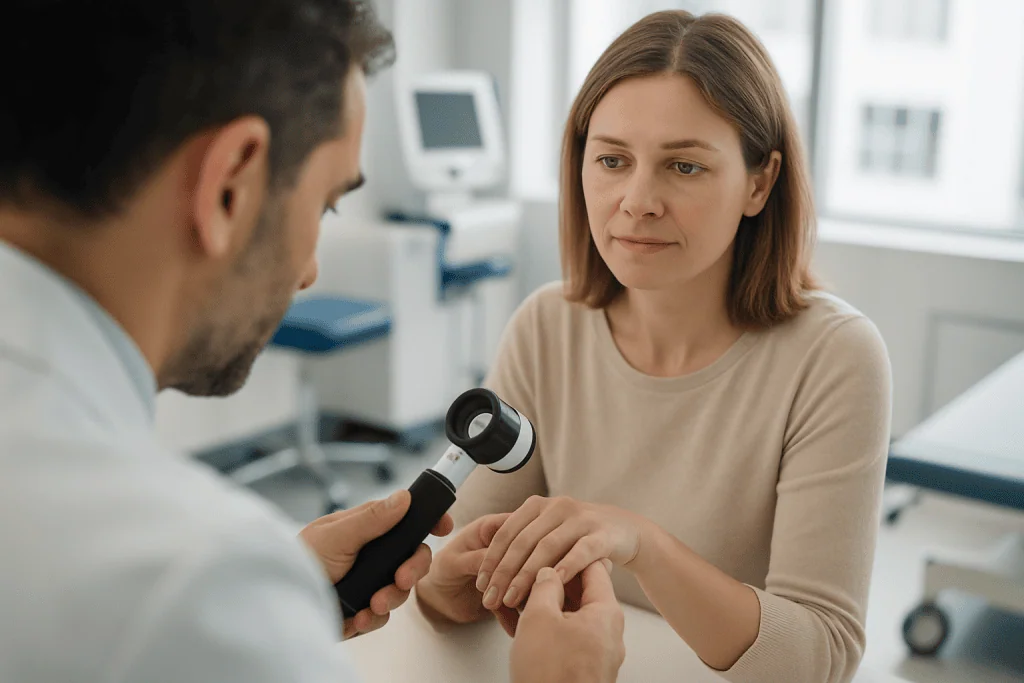
Before surgery in Turkey, expect to remove all jewelry, piercings, watches, and removable accessories, and to arrive with clean, natural nails unless your care team says otherwise. Metal items can interfere with equipment and cause pressure injuries, while polish and artificial nails can affect oxygen monitoring. Remove hard-to-take-off items before travel, tell your team about every piercing, and leave valuables at home where possible.
The night before an operation is a strange time to be wrestling with a nose stud or hunting for nail polish remover in a hotel bathroom. Yet that is exactly when many international patients discover the rules. This guide sets out the jewelry, piercings, and nail polish rules before surgery in Turkey so you can deal with all of it before you fly, not in the hour before you are called to theatre.
The short version: you will usually be asked to remove jewelry, piercings, nail polish, and certain cosmetic items before you enter the operating area. The reasons are practical, monitoring, hygiene, and equipment safety, and they apply in Turkish hospitals just as they do in hospitals elsewhere. What follows explains each rule, why it exists, and how to plan around it as a traveller.
At a glance
- Main rule: Remove jewelry, piercings, watches, and removable accessories before surgery unless your care team gives you different written instructions.
- Nail polish: Expect to remove polish, gel, acrylics, and extensions, or at minimum to leave nails clear for monitoring. Policies vary by hospital and procedure.
- Piercings: Tell your team about every piercing, including oral, dermal, and intimate piercings, so removal can be planned early and handled respectfully.
- Timing: Take items off in your hotel or hospital room before you go to the operating area, not at the last minute. Remove artificial nails before you travel.
- Valuables: Belongings remain your responsibility. The fewer valuables you bring to Turkey, the fewer things you have to track on surgery day.
Why these rules exist
The jewelry, piercings, and nail polish rules before surgery in Turkey are not about appearance or hospital tidiness. Each rule protects a specific part of your care, and understanding the reasoning makes the instructions easier to follow.
Monitoring. During anaesthesia, your oxygen level is tracked with a pulse oximeter: a small clip on your finger that shines light through the nail. Dark polish, gel, acrylics, and thick extensions can interfere with the reading or slow staff down when they need to assess the colour of your nail beds. Rings and bracelets can also get in the way of blood pressure cuffs, IV lines, and identity bands.
Equipment safety. Some surgical equipment uses electrical current, and metal on the body can, in certain circumstances, concentrate that current and cause skin injury. Metal items can also catch on drapes, tubing, or positioning aids, and they create pressure points when you lie in one position for a long time.
Swelling. Fingers and other tissues can swell during and after surgery, particularly when you receive IV fluids. A ring or tight piercing that comes off easily in the morning may be genuinely difficult to remove a few hours later.
Skin preparation. The area around your incision must be cleaned and draped to a sterile standard. Jewelry near the surgical field prevents proper preparation, and oral piercings can complicate airway care during anaesthesia.
Loss prevention. Operating areas are busy. Small items handed over at the last moment are exactly the items that go missing. Removing everything early, in a calm setting, protects your belongings as much as your safety.
These rules sit alongside the other pre-operative instructions you will receive, such as the fasting rules for food, drink, and medication. Treat them as one preparation plan, not a series of separate hurdles.
Jewelry rules: rings, necklaces, watches, and religious items
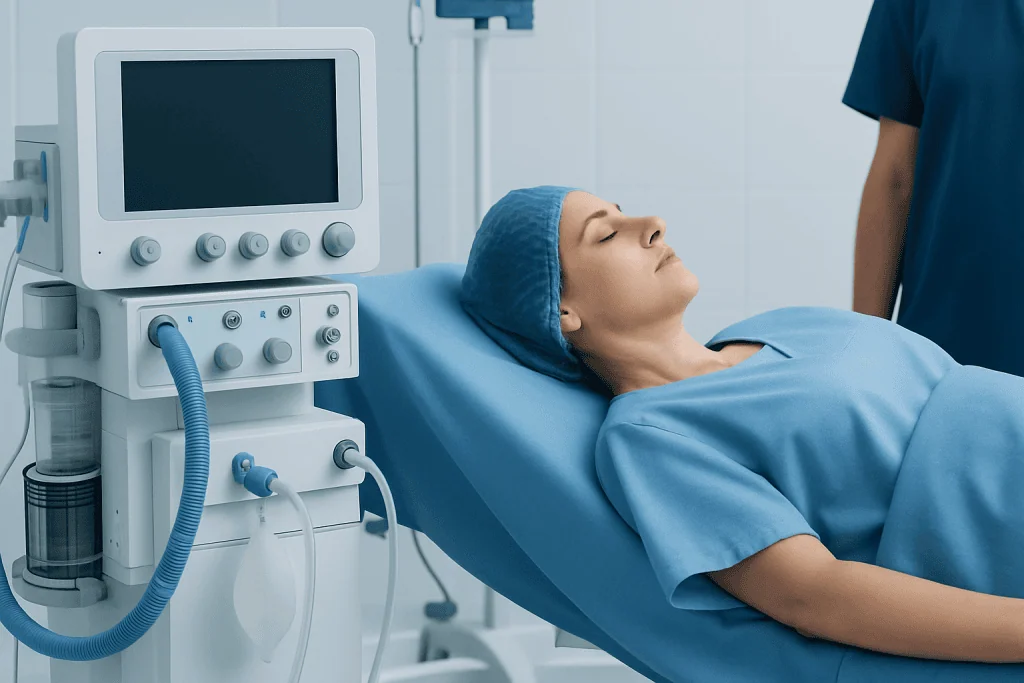
Plan to remove all jewelry before surgery. That means rings, wedding bands, necklaces, bracelets, anklets, watches, smartwatches, earrings, cufflinks, and decorative hair accessories. Items that feel small or secure are not exceptions; the rule exists because anything metal can press, catch, heat, or interfere with equipment, and anything loose can be lost.
Rings need particular attention. A ring that slides off comfortably at home may not slide off after several hours of IV fluids. If a ring is already snug, deal with it before you travel: a jeweller at home can stretch, cut, or temporarily resize a band far more calmly than anyone can on surgery morning. Never force a tight ring off yourself; you can injure the finger.
Permanent or welded jewelrybracelets or chains soldered closed with no clasp, has become popular, and it creates a genuine problem on surgery day. If you wear anything you cannot remove yourself, mention it when your pre-operative instructions are being confirmed, well before admission. The team needs time to decide how to handle it safely.
Religious and sentimental items deserve an honest word. If you wear something you would strongly prefer to keep on, raise it early with your nurse or surgical team. In some cases an item can be secured away from the surgical field with tape, but this depends entirely on the procedure and safety requirements, and it cannot be assumed. If language is a barrier, ask for interpreter support so nothing about the item’s significance is lost in translation, but the clinical decision rests with the team looking after you.
Medical alert jewelry is a different category. Do not simply take it off and pack it away silently; show it to your nurse so the information it carries, an allergy, a condition, an implanted device, is recorded in your notes before the item is stored.
Piercings before surgery: what to tell your team

Piercings follow the same logic as jewelry, but they need more planning because some are hard to remove, recently healed, or in private areas. Tell your surgical team about every piercing you have: ear, nose, eyebrow, lip, tongue, nipple, navel, genital, dermal anchors, and surface piercings. Staff handle this information professionally every day. Nobody will react to it; they simply need to know.
Oral piercings matter most for anaesthesia. Tongue and lip jewelry sits directly in the path of airway equipment. It can be dislodged, damage teeth, or obstruct the tools used to keep your airway safe while you are unconscious. Expect to remove oral piercings for any procedure involving general anaesthesia or sedation; exceptions are unlikely.
Piercings near the surgical site almost always need to come out, because the skin must be cleaned and draped to a sterile standard. Piercings far from the site may still need removal under hospital policy, do not assume distance means exemption.
Dermal anchors and microdermals are implanted under the skin and often cannot be removed without professional help. If you have them, say so early. Depending on their location and your procedure, the team may cover them rather than remove them, but that decision belongs to them, not to a guess made in the pre-operative area.
Plastic and silicone retainers are sometimes suggested online as a workaround for piercings that close quickly. Do not rely on this. Retainers are not automatically accepted: they can still interfere with airway care, positioning, or sterile preparation. Ask specifically, in advance, and bring a retainer only if your clinical team has approved it.
If a piercing is new, tight, or stuck, deal with it before you leave home. A professional piercer can remove difficult jewelry in minutes; the same task on surgery morning creates stress and can delay your preparation. Recently placed piercings that are removed may close, so factor that into your decision when scheduling non-urgent body work around a planned operation.
Nail polish, gel nails, acrylics, and pedicures
You may be asked to remove nail polish from your fingers, your toes, or both. The pulse oximeter that monitors your oxygen level reads through the fingernail, and anything opaque between the light and your nail bed can affect it. Staff also look at nail bed colour as a quick visual check of circulation. Some hospitals accept clear or pale polish, or ask only that one or two nails be left bare, but policies differ by hospital, procedure, and anaesthesia plan, so the reliable approach is to arrive with clean, natural nails unless your written instructions say otherwise.
Gel, acrylics, dip powder, and extensions are the real trap for travellers. Ordinary polish comes off in five minutes with remover from any pharmacy. Gel and acrylics do not: they need soaking, filing, or a salon appointment, none of which you want to arrange in an unfamiliar city the evening before surgery. If you wear artificial nails, remove them before your flight. This is one of the simplest ways to prevent a last-minute complication in your admission.
Toes count too. If your surgery involves your legs, feet, or circulation, or if you will be positioned so that toes are used for monitoring, toe polish and pedicure work may also need to go. Avoid applying fresh polish just before travel, and skip the pre-trip manicure and pedicure altogether if you are unsure, bare nails are never the wrong answer.
One caution that surprises people: aggressive nail work in the days before surgery can leave small breaks in the skin around the nails. Keep any pre-travel grooming gentle. Broken skin near a surgical date is worth avoiding wherever it happens on the body.
Other personal items you may be asked to remove
Jewelry and nails are the headline items, but surgery-day preparation usually extends further. Depending on your procedure, you may be asked to remove contact lenses, glasses, dentures, hearing aids, wigs, hair extensions, hair pins and clips, false eyelashes, lash extensions, makeup, body lotion, deodorant, and perfume.
The reasons are consistent with everything above. Makeup can hide changes in skin colour that staff watch for. Creams and oils stop monitoring electrodes and dressings from sticking. Contact lenses can dry out and scratch the eye during anaesthesia, so bring glasses for surgery day and a labelled lens case for afterwards. Metal hair pins are a pressure and equipment risk like any other metal.
Dentures, retainers, and other dental appliances may need to be removed or documented, especially when airway support is planned, if you wear braces or fixed dental work, read our guide on braces, retainers, and dental work before surgery in Turkey, because fixed appliances are handled differently from removable ones.
- Bring small labelled cases for glasses, hearing aids, dentures, and retainers, one item per case, your name on each.
- Pack a simple toiletry bag with only what you will genuinely need after surgery.
- Skip makeup, lash products, perfume, and heavy moisturiser on surgery morning unless told otherwise.
- If a companion is travelling with you, agree in advance exactly who holds what while you are in theatre.
Protecting valuables while you are in hospital
The easiest solution is subtraction: if an item is not essential, leave it at home. Medical travel already involves airports, hotel rooms, transfers, imaging appointments, and admission desks. Every valuable you bring is one more thing to keep track of while your attention should be on your operation and recovery.
If you do bring jewelry or other valuables, decide before surgery day where each item will live. Some patients hand everything to a companion; others store items according to the hospital’s guidance for belongings. What you should never do is improvise, rings wrapped in tissues, earrings dropped into pockets, and studs left on bedside tables are how items disappear, and no hospital process can fully protect belongings managed that way.
Build the removal step into your travel timeline rather than treating it as a surgery-morning task. If you are working out your broader schedule, our timing guide for arriving before surgery in Turkey covers how the days before admission usually run, and the patient safety checklist before surgery pulls the practical preparation points into one place.
Does the type of surgery change the rules?
The jewelry, piercings, and nail polish rules before surgery in Turkey, remove metal, bare the nails, declare piercings, apply across procedures, but the emphasis shifts. For head, face, and airway-adjacent procedures, oral and facial piercings become the priority. For hand, arm, leg, and foot surgery, rings, bracelets, anklets, and toe polish sit closest to the surgical field. For abdominal procedures, including bariatric and metabolic surgery, navel piercings are directly in the preparation area and will need to come out. For breast and chest procedures, the same applies to nipple piercings.
Longer operations raise the stakes on anything that creates a pressure point, because you will be in one position for an extended time. And for any procedure under general anaesthesia, the monitoring rules, clear nails, no interference at the fingertips, apply regardless of where on the body the surgeon is working.
These are patterns, not personal instructions. Your own list comes from your surgical team, in writing, specific to your procedure. If you are still choosing a hospital or comparing plans, the questions in our patient decision checklist include asking exactly when and how you will receive these pre-operative instructions.
Step by step
- Get your pre-surgery instructions in writing before you travel. Every hospital issues preparation instructions for your specific procedure. Read them early, and query anything unclear with the clinical team rather than assuming.
- List every hard-to-remove item you wear. Piercings, permanent or welded jewelry, dermal anchors, dental appliances, hair extensions, medical alert items. Share the list during your pre-operative communication so nothing surfaces as a surprise on admission day.
- Remove artificial nails before your flight. Gel, acrylics, dip powder, and extensions need a salon at home, not a scramble abroad. Ordinary polish can wait, but pack remover so it takes five minutes, not an evening.
- Resolve stuck rings and difficult piercings at home. A jeweller or professional piercer can remove them safely and calmly before you travel.
- Pack labelled storage cases. One each for glasses, lenses, dentures, retainers, hearing aids, and any jewelry you must bring. Keep them together in one pouch.
- Leave unnecessary valuables at home. Choose practical travel over sentimental risk. If you will not need it in Turkey, do not bring it to the hospital.
- Remove everything before you are called to theatre. Take off jewelry, piercings, and accessories while you are still calm in your room. Waiting until transfer time creates stress and can delay preparation.
- Use interpreter support for anything sensitive. If you need privacy to discuss an intimate piercing or a religious item, ask for it. International patient teams in Turkish hospitals handle these conversations routinely.
Your checklist
- Remove rings, wedding bands, bracelets, necklaces, earrings, watches, smartwatches, and anklets.
- Declare every piercing, oral, dermal, nipple, navel, and intimate piercings included.
- Remove gel polish, acrylics, dip powder, extensions, and dark polish unless your team confirms otherwise; toes as well as fingers.
- Show medical alert jewelry to your nurse before storing it.
- Bring labelled cases for glasses, contact lenses, dentures, retainers, and hearing aids.
- Skip makeup, false eyelashes, perfume, heavy lotion, and oils on surgery day if instructed.
- Ask before using a plastic piercing retainer, approval is not automatic.
- Leave high-value jewelry at home or with a trusted companion.
- Confirm your procedure-specific instructions in writing before you travel.
Key takeaways
- Expect to remove all jewelry and piercings before surgery for monitoring, equipment safety, and infection-prevention reasons.
- Nail polish, gel, acrylics, and extensions can interfere with the finger-clip oxygen monitor and visual checks, arrive with natural nails unless told otherwise.
- Hard-to-remove items, welded jewelry, dermal anchors, tight rings, new piercings, are best resolved at home, before you fly.
- Hidden or intimate piercings should be declared early; staff handle this professionally and privately.
- Belongings remain your responsibility, so bring as few valuables to Turkey as your trip allows.
Frequently asked questions
Can I wear my wedding ring during surgery in Turkey?
In most cases you will be asked to remove it. Fingers can swell during and after surgery, especially with IV fluids, and a comfortable ring can become genuinely tight within hours. If removal is difficult or emotionally sensitive, tell your nurse early, in some cases a ring can be secured with tape away from the surgical field, but this depends on the procedure and cannot be assumed.
Do I really need to remove all piercings, even ones far from the surgery site?
Expect to remove them unless your team explicitly says otherwise. Piercings can interfere with airway care, monitoring, positioning, and sterile preparation, and hospital policy may require removal regardless of location. Declare every piercing, including intimate and dermal ones, so removal can be planned rather than improvised.
Can I keep a plastic or silicone retainer in a piercing?
Not automatically. Retainers can still interfere with airway equipment, positioning, or sterile skin preparation depending on where they sit. Ask your clinical team specifically and in advance, and bring a retainer only if it has been approved for your procedure.
Why does nail polish matter if my surgery is nowhere near my hands?
Because your hands do the monitoring. A pulse oximeter clipped to your finger tracks your oxygen level by shining light through the nail, and staff also check nail bed colour as a circulation cue. Dark polish, gel, acrylics, and extensions can interfere with both. Some teams accept one or two bare nails; the safe default is all nails clean and natural.
Should I remove gel nails or polish before flying to Turkey?
Remove gel, acrylics, dip powder, and extensions before you fly: they need proper salon removal, which is hard to arrange the evening before surgery in an unfamiliar city. Ordinary polish is quicker to deal with, but packing remover, or arriving bare-nailed, removes the risk entirely.
What should I do with valuables during my hospital stay?
Bring as few as possible. For anything you do bring, use a labelled pouch and decide before surgery day whether a companion will hold it or whether you will follow the hospital’s guidance for belongings. Never leave small items loose in pockets, tissues, or bedding: that is how they are lost.
Can I wear makeup, lashes, or perfume on surgery day?
Usually not. Makeup can mask changes in skin colour that staff monitor, creams and oils stop electrodes and dressings from adhering, and lash products and perfume are typically asked off for hygiene and comfort reasons. Arrive with clean, product-free skin unless your written instructions say otherwise.
When exactly should I take everything off?
Before you are called to the operating area, ideally in your hotel or hospital room while you are calm and unhurried. Artificial nails and hard-to-remove items should be dealt with before you even travel. The last minutes before transfer are the worst possible time to be fighting a stuck ring or a tight piercing.
Add us as a Preferred Source to see more of our trusted health content across Google Search, AI Overviews and Discover.

Update history
- PublishedJune 22, 2026
- Medical review approvedSeptember 13, 2026
- Last content updateSeptember 12, 2026
References2
- Having an operation (surgery): Preparation (NHS) nhs.uk
- Pulse Oximetry (MedlinePlus) medlineplus.gov
More Patient Guides

How Long Does Anesthesia Last? Wear-Off Times by Type
Coming round from an operation, almost everyone asks the same two questions: when will my head feel normal, and how long is…

Flying to Turkey After a Recent Illness: When Is It Safe to Travel?
Flying to Turkey after a recent illness may be safe once you are medically stable and cleared to travel; plan airline support…
Braces, Retainers, and Dental Work Before Surgery in Turkey: What to Tell Your Team
Braces, retainers and dental work before surgery in Turkey should be shared with your care team early to plan safe anaesthesia and…

When to Stop Eating, Drinking, or Smoking Before a Procedure in Turkey
When to stop eating before a procedure in Turkey depends on your anesthesia plan; follow your care team’s exact fasting instructions for…