

Laundry Options During Recovery in Turkey: What Patients Should Know

During recovery in Turkey, the lowest-effort choice is usually your hotel or residence laundry service, collected from your room and returned folded. Wash-and-fold shops and self-service laundromats suit later stages, once your care team has cleared normal activity. Keep wound-related items separate, send small loads often, and let a companion or accommodation staff handle the carrying.
Wondering how you will keep clean sleepwear, underwear and towels on hand while you rest in a hotel room far from home? Most patients only think about it after they arrive. The honest answer: laundry options during recovery in Turkey are usually easier to arrange than people expect, but the right choice changes with your stage of recovery.
This guide explains how laundry actually works in Turkish cities, which options suit the first days after treatment, how to handle items that have been near dressings or drains, and what to pack so the whole question stays small. A little planning here protects your energy for the things that matter: rest, movement and follow-up appointments.
At a glance
- Best for early recovery: Hotel or residence laundry service, arranged through housekeeping or your companion, no lifting, no leaving the building
- Best for later recovery: Wash-and-fold shops or self-service laundromats, once your care team has cleared normal walking and lifting
- What to pack: Extra underwear and sleepwear, loose dark clothing, a mesh laundry bag and a small mild detergent as a backup
- When to avoid self-service: If you have been told not to lift, bend, stand for long periods or go out alone
- Main hygiene rule: Keep anything that has touched dressings, drains or ointments separate from everyday clothes unless your care team says otherwise
- Useful support: Accommodation staff, companions, interpreters and international patient coordinators can handle instructions and forms for you
Why laundry becomes part of your recovery plan
When you travel for treatment, ordinary chores change character. At home, a load of washing is nothing. During recovery, you may need clean sleepwear, soft loose clothes, underwear, socks and towels more often than usual, because you are resting indoors, sweating, applying ointments, or changing garments around a healing area with guidance from your care team. If your stay runs longer than a week, the question stops being optional.
At the same time, your capacity for the task shrinks. In the first days after a procedure, carrying a bag down a corridor, bending to load a machine or standing while a cycle runs can be genuinely tiring. That mismatch, more washing needed, less energy available, is why it pays to sort out your laundry options during recovery in Turkey before you actually run out of clean clothes.
The good news is that Turkish cities are well set up for delegated laundry. The habit of handing washing to someone else is normal here, not a luxury. If you are receiving care through Acibadem, the international patient services team can usually explain what your specific accommodation offers, which matters because arrangements differ between hotels, serviced apartments and longer-stay residences. If you have not yet confirmed where you will stay, it is worth reading about what to check before booking recovery accommodation in Turkey, since laundry access is one of the details that separates a convenient stay from a frustrating one.
How laundry actually works in Turkey
It helps to know the local landscape, because it is not identical to what you may be used to at home.
Hotel laundry is the standard route. Most hotels used by international patients offer a per-item laundry service. You place clothes in the bag provided in your room, tick the items on a printed list, and housekeeping collects it. Return is typically within a day, often faster for an express request. You never leave your room for any part of this.
Coin-operated laundromats are less common in Turkey than in much of Western Europe or North America. They exist in Istanbul and other large cities, particularly in districts with students and long-stay visitors, but you should not assume there is one around the corner. Where they do exist, machines may take cards or app payment rather than coins, and instructions may be in Turkish only.
Wash-and-fold shops fill the gap. In many neighbourhoods, dry cleaners (kuru temizleme) and small laundries (çamaşırhane) will wash, dry and fold a bag of ordinary clothes for you, usually charged by weight or by item. You drop the bag off, or a companion does, and collect it later. For a patient in mid-recovery, this is often the sweet spot: professional handling without hotel formality.
Home machines behave a little differently. If your apartment or residence has a washing machine, expect a front-loading machine with long cycles, often well over an hour, and cold-water fill heated by the machine itself. Tumble dryers are less common in Turkish homes than in some countries; a drying rack on a balcony or in the bathroom is the usual method. Build drying time into your planning, especially in winter or humid coastal weather.
The most practical laundry options available to you
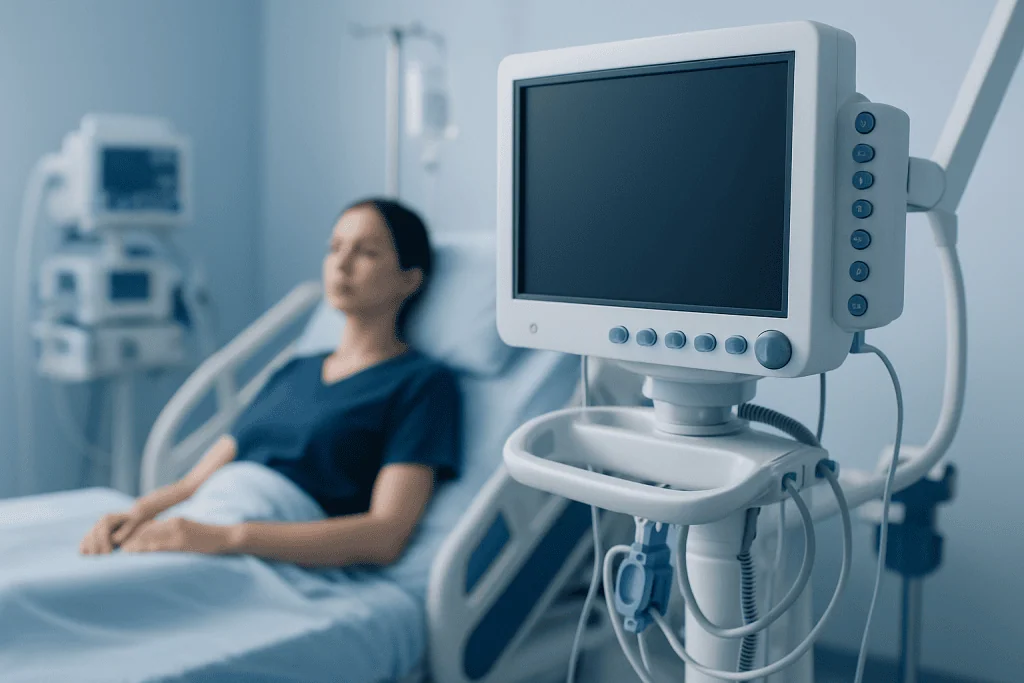
Most international patients settle on one of four approaches. The best one depends on your mobility, any activity restrictions from your treatment, the length of your stay and where you are recovering.
- Hotel or serviced residence laundry: the lowest-effort option and the sensible default in the first days after treatment. You hand over a bag; clean clothes come back.
- Wash-and-fold at a local laundry or dry cleaner: good value for a longer stay, ideal if a companion can do the drop-off and collection.
- Self-service laundromat: workable later in recovery, once your care team has not restricted walking, lifting or independent trips out.
- In-room or apartment washing machine: practical if a companion handles the loading, unloading and hanging. Do not assume you will feel well enough to do this yourself in the first week.
How these options compare in practice:
| Option | Effort required from you | Best stage of recovery |
|---|---|---|
| Hotel laundry service | Almost none, fill a bag in your room | First days after treatment |
| Wash-and-fold shop | One short trip, or none with a companion | Any stage, with help |
| Self-service laundromat | Carrying, standing, waiting, machine handling | Later recovery, activity cleared |
| Apartment machine | Bending, loading, hanging to dry | Any stage if a companion does the work |
If you are travelling with a family member or friend who will share these tasks, arranging their accommodation deliberately makes everything smoother: the guide on booking a companion room in Turkey covers what to check.
How to choose the safest option for your stage of recovery

Choosing between laundry options during recovery in Turkey is less about convenience and more about your physical limits. If your discharge instructions restrict lifting, bending, stretching, stair climbing, getting dressings wet or spending long periods out of your room, choose a service that asks almost nothing of you. Laundry should never compete with pain control, rest, hydration or scheduled wound care.
A realistic self-check: would the task involve carrying a bag any real distance, standing at a machine, managing payment in Turkish, or walking back with a heavier load of damp or folded clothes? If yes, and you are in your first week, it is probably too much for that stage. Many patients are surprised by how tiring a short errand feels early on. That is common, and it is a reason to delegate, not to push through.
Timing matters as much as the method. Do not wait until you urgently need clean clothes. A small load sent every two or three days is easier to manage, physically and logistically, than one large load sent in a hurry. If you are staying in accommodation frequently used by patients near an Acibadem facility, staff are often already familiar with recovery-related requests and can tell you exact collection and return times. You can see how the group’s hospitals are spread across the country in the overview of Acibadem hospital locations in Turkey.
One more practical habit: note when you send and receive laundry alongside your other daily details. Patients who keep a daily recovery log find it easier to plan clothing changes around dressing changes and appointments, rather than discovering a clash on the day.
What to wash separately and how to handle hygiene
For most patients, everyday clothes, sleepwear and towels can be washed the normal way. The exception is anything that has been in contact with incisions, drains, dressings, drainage fluid, blood or heavy ointment. Those items may need specific handling, and the instructions come from your medical team, not from this guide, and not from the hotel. If you are unsure about a particular garment, ask your nurse or coordinator before sending it out.
A simple working rule keeps things organised: two bags. One for everyday laundry, one for anything soiled or treatment-related. A washable or disposable bag for the second category makes it easy to explain your needs to housekeeping or a companion without a long conversation. If you use hotel laundry, you can hand over the sensitive bag separately and ask whether gentle washing is possible.
Compression garments deserve a specific question to your care team: how often should they be washed, at what temperature, and can they be tumble-dried? Many compression fabrics prefer gentle washing and air drying, and you will want a spare so one can dry while you wear the other. Ask before you travel, so you can pack accordingly.
On detergent: choose mild, fragrance-light products where you have a choice. Freshly washed does not need to mean strongly perfumed, and heavy scents can be unpleasant when you are resting indoors for long stretches, or when your skin feels more sensitive than usual after treatment.
What to pack so laundry stays easy from day one
The best laundry strategy starts in your suitcase. Pack more underwear and socks than you think you need, plus loose tops, soft trousers and comfortable sleepwear. Dark or patterned fabrics are forgiving if you are using ointments or creams that can mark lighter cloth. If your procedure affects your arms, shoulders or torso, front-opening tops reduce how often you struggle in and out of clothes, which also reduces how often clothes need washing.
Three small items earn their place in any patient’s bag:
- A foldable mesh laundry bagkeeps used clothing in one place, makes handovers to housekeeping or a companion effortless, and doubles as a delicates bag in a machine.
- A travel-size mild detergenta backup for rinsing one or two essentials in a sink, not a main plan during early recovery.
- A few large zip-seal or disposable bagsfor separating soiled or treatment-related items until they can be washed properly.
Where do you put dirty clothes while travelling? Keep them in the mesh bag inside your suitcase or wardrobe, away from clean items, and never in the same bag as dressings or medical supplies. This one habit answers most of the day-to-day awkwardness of managing washing away from home.
If your treatment plan includes a hospital stay, remember that in-hospital days need less clothing than you might expect, sleepwear, underwear and one comfortable outfit for discharge usually cover it. The heavier laundry demand starts at your hotel afterwards. Patients preparing for surgery may find the guide on preparing for general anaesthesia in Turkey useful for the wider packing and planning picture.
How to ask for help without feeling awkward
Many international patients hesitate to ask for help with everyday tasks. Set that instinct aside. Recovery is not the time to prove self-sufficiency, and laundry is exactly the kind of job worth simplifying. Asking reception, your companion or your international patient coordinator for the easiest option is sensible, not demanding, and in Turkey, delegated laundry is entirely ordinary.
Acibadem’s patient support structure includes interpreters and coordinators who help with day-to-day logistics as well as appointments. In practice, that can mean explaining your hotel’s laundry arrangements, translating a service form, or passing on a special handling request to housekeeping so nothing is lost between languages.
Whoever you ask, be specific. Useful phrases to have ready:
- “I need this back by tomorrow morning”, turnaround matters more than anything else.
- “Please wash this bag separately and gently”, for sensitive or treatment-related items.
- “Can someone collect the bag from my room?”, so you are not carrying it yourself.
- “No strong fragrance, please”, if scents bother you while resting.
Clear, concrete requests get faster, calmer results than general apologies for being a nuisance, which you are not.
Step by step
- Check your activity limits first. Before planning anything, review the restrictions in your discharge or pre-treatment instructions. If lifting, bending, stairs or solo trips out are restricted, a service-based option is the answer, not a laundromat.
- Ask your accommodation what is available on arrival. Confirm whether there is an in-house laundry service, what the collection and return times are, whether express return exists, and whether gentle or separate washing is possible. Five minutes at check-in prevents a scramble later.
- Set up your two-bag system. One bag for everyday clothes, one for anything soiled or treatment-related. Follow your care team’s instructions for items that have touched dressings, drains or ointments before washing them or sending them out.
- Send small loads on a rhythm. Every two or three days is easier than one heavy, urgent load. It also keeps essentials like underwear and sleepwear in constant supply between appointments.
- Delegate the physical parts. A companion carries, sorts, drops off and collects. If you are alone, ask reception whether collection from your room can be arranged, in most patient-oriented accommodation, it can.
- Keep an emergency buffer in your room. Hold back one or two clean outfits plus spare underwear and sleepwear so a delayed return or a schedule change never leaves you short.
Your checklist
- Pack extra underwear, socks and loose, soft sleepwear
- Bring a lightweight mesh laundry bag and a few sealable bags
- Choose dark or easy-care clothing where possible
- Ask your care team how to wash compression garments and anything wound-related
- Confirm your accommodation’s laundry service, turnaround and collection arrangements on day one
- Avoid carrying heavy laundry bags during early recovery
- Keep treatment-related items separate from everyday clothing
- Have your companion, interpreter or coordinator handle Turkish forms and instructions if needed
Key takeaways
- Hotel or residence laundry is usually the easiest and safest choice in the first days after treatment.
- Coin-operated laundromats are less common in Turkey than in many Western countries; wash-and-fold shops at local laundries and dry cleaners often fill the gap.
- Do not plan to carry, sort or wash heavy loads yourself while you have movement restrictions, small, frequent loads and delegation work better.
- Keep treatment-related items separate and follow your care team’s instructions for anything that has touched wounds, drains or dressings.
- Pack enough basics, plus a mesh bag and mild detergent, so you are never dependent on same-day washing.
- Accommodation staff, companions and Acibadem’s international patient teams can handle the language and logistics so laundry stays a small task, not a source of stress.
Frequently asked questions
How do I do laundry in Turkey?
You have four realistic routes: hotel laundry (a bag and a form, collected from your room), wash-and-fold at a local laundry or dry cleaner, a self-service laundromat in larger cities, or a washing machine in a serviced apartment. During early recovery, the hotel or wash-and-fold routes are usually best because they require almost no physical effort from you.
Do hotels in Turkey have laundry services?
Most hotels and serviced residences used by international patients offer a per-item laundry service, and many can arrange express return. Turnaround is typically within a day. Ask about collection times and return times when you check in, especially if you expect frequent clothing changes during recovery.
Where do you put your dirty clothes when travelling for treatment?
Keep a foldable mesh laundry bag in your wardrobe or suitcase for everyday used clothing, and a separate sealable bag for anything soiled or treatment-related. Keeping the two apart makes handovers to housekeeping simple and keeps clean items, medical supplies and used clothing from mixing.
Can female tourists wear shorts in Turkey?
Yes. In Istanbul, coastal resorts and other cities, shorts and everyday summer clothing are normal for visitors of any gender. Modest cover, shoulders and knees, plus a headscarf for women, is expected only inside mosques, and dress tends to be more conservative in rural areas. In practice, most recovering patients prefer loose, soft clothing anyway, which suits both comfort and local norms everywhere.
Should items with wound drainage or medical residue be washed with regular clothes?
Keep them separate until you know what your care team recommends. Anything that has been in contact with dressings, drains, compression garments or topical products may need specific handling, and the right instructions depend on your treatment. Ask before washing those items or sending them out.
What if I do not speak Turkish and need to arrange laundry?
Hotel reception staff in patient-oriented accommodation usually manage in English, and your companion can handle drop-offs at local shops. If you are receiving care through Acibadem, interpreters and international patient coordinators can translate forms, pass on handling requests and confirm turnaround times so nothing is lost between languages.
Can I hand-wash a few items in my room?
You can, if your recovery allows it and the items are small essentials. Treat it as a backup, not a plan: standing at a sink, wringing fabric and hanging items takes more effort than expected in early recovery, and indoor drying can be slow. A small mild detergent is worth packing for occasional use all the same.
Add us as a Preferred Source to see more of our trusted health content across Google Search, AI Overviews and Discover.

Update history
- PublishedJuly 6, 2026
- Medical review approvedSeptember 1, 2026
- Last content updateSeptember 1, 2026
More Patient Guides

When a Hospital Stay in Turkey Becomes Longer Than Planned: What to Arrange
If your hospital stay in Turkey is longer than planned, arrange medical updates, accommodation, travel changes, insurance and support for your companion.
Waiting for Test Results in Turkey: How to Use Time Between Appointments
Waiting for test results in Turkey is easier with a clear plan for appointments, rest, records, questions and support in Istanbul.

Unexpected ICU Stay in Turkey: What Patients and Families Should Expect
Unexpected ICU stay in Turkey: learn what patients and families can expect, from communication and visiting to care updates and travel support.

How to Manage Special Diets During Medical Travel in Turkey
Special diets during medical travel in Turkey are easier to manage when you share your needs early, confirm meals and carry safe…