

Medication Costs After Hospital Discharge in Turkey

Medication costs after hospital discharge in Turkey are not one fixed fee. The total depends on what your doctor prescribes, how long each medicine is needed, whether a brand or an equivalent is dispensed, and pharmacy availability. Post-discharge medicines are usually bought separately from a licensed Turkish pharmacy, so ask before discharge what is included, what you must buy, and what documents to keep.
You are about to leave the hospital and you want a number: how much will the medicines cost? The honest answer is that there is no single number. Medication costs after hospital discharge in Turkey depend on what your doctor prescribes, how long you need each medicine, whether a brand or an equivalent product is dispensed, and what your local pharmacy has in stock. This guide explains each of those factors, so you can plan without guessing.
It also covers the practical side that matters just as much as the money: how Turkish pharmacies work, what documents to carry, how to plan quantities around your hotel stay and flight home, and what to clarify before you walk out of the hospital doors.
At a glance
- Main cost factors: Which medicines are prescribed, treatment duration, brand versus equivalent, and pharmacy availability
- Where you buy: Licensed Turkish pharmacies (eczane), found near hospitals, in city centres, and in residential districts
- What to request before discharge: A written medication list with names, doses, timing, and duration, explained in a language you understand
- Payment: Most pharmacies accept cash in Turkish lira and major cards, though it is worth confirming before purchase
- Documents to keep: Prescription, discharge summary, original packaging, itemised receipts, and proof of payment
- Travel planning: Confirm how much medication you need until your next review or until you reach home, plus a buffer for delays
What medication costs after hospital discharge in Turkey usually cover
When you leave a hospital in Turkey, your discharge plan often includes medicines to continue at your hotel, at a temporary apartment, or at home after you fly back. These typically fall into three groups: short-term medicines linked to your recovery, medicines you were already taking before treatment, and new prescriptions your doctor has added because of your diagnosis or procedure. The total you spend is not one fixed hospital fee. It is the sum of whatever your treating doctor prescribes, in the quantities you actually need.
Beyond the medicines themselves, your post-discharge spending may include disposable items such as syringes or measuring devices, and sometimes supportive supplies such as dressings. If wound care is part of your plan, factor dressings and related supplies into your planning as well.
Some medicines are inexpensive and stocked in almost every pharmacy. Others cost more because they are specialised, imported, refrigerated, or needed for weeks rather than days. Neither situation is unusual, and neither can be predicted precisely until the final prescription is written. What you can do is understand which medicines are essential for your immediate discharge period and which will be continued or reviewed once you are home. That is a conversation to have with your care team while you are still in the hospital, not at the pharmacy counter.
At Acibadem, international patient teams help patients understand discharge paperwork, coordinate interpreter support, and explain where and how to obtain medicines after leaving the hospital. The aim is straightforward: before you leave, you should know what each medicine is for, how often to take it, and what you need to buy before travelling or before your next review. The wider guide on what happens after discharge and when you return home describes how this process fits together.
Why prices vary from one prescription to another
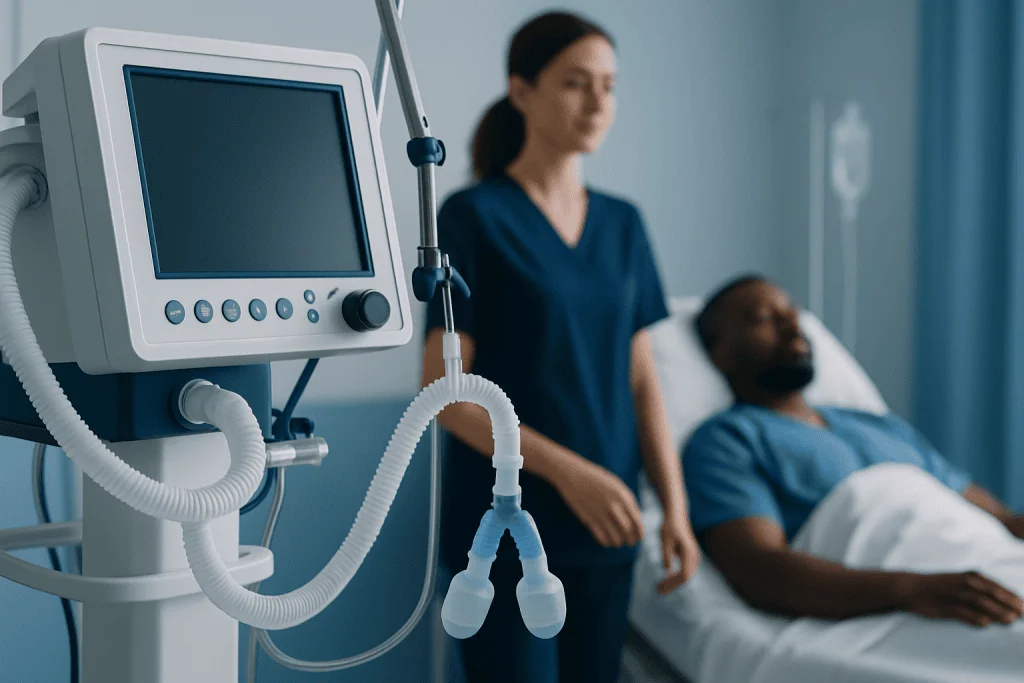
Medication costs after hospital discharge in Turkey vary because every patient leaves with a different plan. Two people can have the same operation and still leave with different prescriptions, shaped by allergies, existing conditions, laboratory results, body weight, kidney and liver function, and the treating doctor’s judgement. Duration matters as much as the medicine itself: a three-day supply and a one-month supply of the same tablet produce very different pharmacy totals.
Brand and equivalent options are another variable. Turkish pharmacies often stock more than one product containing the same active ingredient, and a pharmacist may offer an equivalent when the exact brand is unavailable. Whether a substitution is appropriate is not your decision to make alone, and it is not the pharmacist’s alone either. Any change should be approved by your treating doctor or discussed carefully with a qualified pharmacist who can see your discharge documents. This matters most for medicines with narrow dosing margins, anticoagulants, immunosuppressive medicines, injections, and anything prescribed because of a recent procedure.
Availability also shapes your plan. Common medicines are stocked in pharmacies across Istanbul and every other Turkish city. Specialised or refrigerated medicines may need to be ordered in advance or collected from a specific pharmacy, which takes time. If you are flying home soon after discharge, ask early whether every prescribed item is available locally and whether any of them need cold-chain storage or special handling. Raising this on the day of your flight leaves you no room to solve it.
One more point worth understanding: the same logic that makes treatment quotes provisional applies to medicines. Prescriptions are finalised at discharge, based on how you actually recovered, so any earlier estimate is exactly that. The guide on why treatment costs in Turkey can change after your first evaluation explains this principle in more detail.
What to ask before you leave the hospital

Before discharge, ask for a medication list you can actually follow. It should show each medicine’s name, dose, timing, route, duration, and any special instructions, such as whether to take it with food. If you do not read Turkish comfortably, ask for an English explanation or an interpreter-assisted review while you are still on the ward. Confusion is far easier to fix in the hospital than in a hotel room at midnight.
It also helps to know which medicines are new, which are temporary, and how your previous home medicines fit into the plan. Do not assume your usual medicines simply restart after a hospital stay. Decisions about continuing, pausing, or adjusting any medicine belong to your treating doctor, and this is particularly true after surgery, imaging with contrast, changes in kidney function, or adjustments to blood pressure, diabetes, or blood-thinning treatment. A structured plan makes all of this visible; the guide on building a discharge medication plan for your return home shows what a complete plan looks like.
- How many days of medication should you buy in Turkey?
- Should you purchase enough to last until you reach home, or only until your next appointment here?
- What should happen if a pharmacy does not stock the exact medicine on the list?
- Do any medicines require refrigeration, injection technique, or monitoring?
- Which side effects or warning signs are listed in your discharge paperwork, and where are they written down?
If your plan includes strong pain relief or injectable medicines, be aware that both categories carry extra rules for pharmacies, airports, and destination countries. Ask your care team about the specific requirements before you travel.
Using pharmacies in Turkey as an international patient
In Turkey, medicines are dispensed through licensed pharmacies, known locally as an eczane. They are easy to find: near hospitals, in city centres, and throughout residential neighbourhoods, usually marked with a red ‘E’ sign. Opening hours vary by district. At night, on Sundays, and on public holidays, a duty pharmacy system (nöbetçi eczane) keeps at least one pharmacy open in each area; closed pharmacies typically display a notice showing the nearest duty pharmacy, and pharmacists can point you to it.
Bring your prescription, your discharge summary, and your passport or identification if requested. Some medicines require a formal prescription and cannot be sold over the counter; this includes antibiotics in most cases, as well as controlled medicines such as strong painkillers. A prescription written within the Turkish system is the smoothest route, which is one reason to have prescriptions issued before discharge rather than trying to arrange them afterwards.
Turkish pharmacists are trained professionals and many, especially in areas that see international patients, speak some English. Even so, make sure you understand the instructions in your preferred language before you take anything. If the pharmacy’s verbal instructions and your written discharge list ever seem to differ, treat the written list from your treating doctor as the reference point and resolve the difference before starting the medicine.
If you are staying on in Istanbul or travelling between cities after discharge, keep your medicines in their original packaging together with the prescription or medication list. Original packaging shows the product name, batch, and expiry date, which helps any pharmacist or clinician you deal with later, and it simplifies airport security checks.
Payment, insurance, and receipts
Most international patients pay pharmacies directly for post-discharge medicines, unless a specific insurance arrangement says otherwise. Turkey’s public reimbursement system applies to people enrolled in Turkish social security, which most visiting patients are not, so plan on paying at the counter and claiming afterwards if your policy allows. Coverage rules differ widely by insurer, policy, and country, and by whether the medicine is classed as outpatient, post-operative, chronic, or travel-related. Do not assume that settling the hospital bill automatically covers medicines bought after discharge; the two are usually separate.
Whatever you buy, ask the pharmacy for an itemised receipt and keep it with your discharge documents. If you intend to claim reimbursement, insurers commonly ask for the prescription, the itemised receipt, proof of payment, and sometimes a translated diagnosis or discharge note. Photograph every document as you collect it. Paper receipts fade, and travel is exactly the environment in which loose papers go missing.
On payment methods: most Turkish pharmacies accept major debit and credit cards as well as cash in Turkish lira. Small neighbourhood pharmacies occasionally prefer cash, and card terminals can fail anywhere, so carrying some lira is a reasonable precaution. Confirm the payment method before the pharmacist opens or orders anything, particularly for medicines that must be specially ordered.
If cost is a genuine concern, the right time to say so is before discharge, while the prescription can still be reviewed. Your treating team can distinguish between medicines that are essential, supportive items that are optional, and cases where a medically appropriate equivalent exists. Any adjustment must remain clinically safe and approved by the treating doctor: the goal is a plan you can afford and follow, not a shorter one.
Planning quantities for your hotel stay and return flight
Your medication plan should match your travel timeline. If you are staying in Turkey for follow-up appointments, you may only need enough medicine to reach the next review. If you are flying home soon after discharge, the usual approach is to carry enough for the full journey plus a buffer for delays, missed connections, or lost luggage. The guide on discharge, follow-up, and flying home after treatment in Turkey covers the wider travel picture.
Keep essential medicines in your hand luggage, never in checked baggage. This matters most for time-sensitive medicines: pain control, antibiotics, anticoagulants, diabetes medicines, inhalers, and anything whose schedule should not be interrupted. If a medicine needs refrigeration, ask your care team and pharmacist how to transport it and how long it can safely stay outside the recommended temperature range; insulated pouches and cold packs are a common solution, but the specifics depend on the product.
For international flights, carry medicines in original packaging alongside your prescription or discharge medication list. If your plan includes injections, syringes, liquids above standard cabin limits, or controlled medicines, ask whether you need an additional medical letter for airport security or for customs at your destination. Rules differ between countries, some require advance permits for controlled medicines, so check with your airline and your destination’s official guidance before you fly, not at the gate.
Think past the flight, too. If a medicine continues for weeks after you return, find out whether it is available in your home country under the same or a different name, and plan an early appointment with your local doctor so prescriptions do not lapse. Crossing time zones also shifts dosing schedules, and the guide on managing your medication schedule across time zones after returning home explains how to handle that transition.
Avoiding unexpected problems
The safest medication plan is one you fully understand. Medication errors cluster around transitions, leaving hospital, changing cities, crossing borders, because routines break and documents scatter. If two medicines look similar, if the timing feels confusing, or if a prescription from your home doctor seems to overlap with a new one, pause and get the plan clarified by a qualified professional before taking both. An hour of clarification costs far less, in every sense, than a duplicated dose.
Do not use leftover medicines from a previous illness unless your doctor has confirmed they are still appropriate for you now. Avoid buying medicines on the advice of non-medical sources, hotel staff, or online forums. Even familiar over-the-counter products can interact with new prescriptions or be unsuitable after certain procedures. Your discharge paperwork lists the warning signs relevant to your treatment; keep it accessible, along with your medication list, so that any clinician you see later has the full picture in seconds. For a broader view of the recovery period, the guide on warning signs after discharge in Turkey explains what discharge paperwork typically covers.
Step by step
- Request a clear discharge medication list. Before leaving the hospital, make sure you have a written list of every medicine with dose, timing, route, and duration. Ask for the instructions in English or with interpreter support if Turkish is not your preferred language.
- Confirm what is included and what you must buy. Establish whether the hospital supplies any first doses and which items you must purchase from a pharmacy. This avoids last-minute uncertainty at your hotel or on the day of travel.
- Ask about duration and travel quantity. Clarify whether you need a few days, a week, or a longer supply, and whether the quantity should reach your next appointment here or your first appointment at home.
- Visit a licensed pharmacy with your documents. Bring your prescription, discharge summary, and identification if requested. Check that the pharmacy’s instructions match your discharge list, and keep everything in original packaging.
- Keep receipts for insurance or records. Ask for an itemised receipt and keep it with proof of payment and a copy of the prescription. Photograph everything.
- Prepare medicines for safe travel. Pack essential medicines in your carry-on, not checked luggage. For liquids, injections, refrigerated items, or controlled medicines, check airline and destination-country requirements before you travel.
- Keep your documents and contacts organised. Store your medication list, discharge summary, and follow-up details together, on paper and on your phone, so any clinician you see later can read your plan quickly.
Your checklist
- Discharge medication list with dose, timing, and duration
- English explanation or interpreter-assisted review if needed
- Prescription suitable for a Turkish pharmacy
- Itemised pharmacy receipt and proof of payment
- Enough medication for your stay, journey, and a delay buffer
- Original medicine packaging for airport and follow-up use
- Cold-storage or special handling instructions, if relevant
- Medical letter for injections or controlled medicines, if required
- Insurance claim requirements checked in advance
- Follow-up appointment details and documents saved together
Key takeaways
- Medication costs after hospital discharge in Turkey depend on the exact prescription, its duration, brand or equivalent dispensing, and pharmacy availability, not on a single fixed fee.
- Post-discharge medicines are usually purchased separately from a licensed pharmacy unless your insurer or written arrangement clearly states otherwise.
- Get a medication list you fully understand before leaving the hospital, especially if you are travelling soon afterwards.
- Keep prescriptions, original packaging, itemised receipts, and proof of payment for travel, follow-up care, and possible insurance claims.
- Substitutions and any medication changes belong to your treating doctor, never to guesswork at the counter or after you get home.
Frequently asked questions
Are medication costs after hospital discharge included in my hospital bill?
Not always. Medicines given during your inpatient stay are typically part of the hospital bill, but medicines you take after discharge are usually purchased separately at a pharmacy. What is and is not included should be confirmed in writing as part of your discharge paperwork, before you leave.
Can I get an exact medication cost before discharge?
Sometimes an estimate is possible, but the final pharmacy total depends on the exact medicines, quantities, and local availability, and the prescription itself may be adjusted on the day of discharge based on your condition. Raising cost questions early gives your team the most room to plan a workable prescription.
Can I ask for a less expensive equivalent medicine?
You can ask, but any change must be approved by your treating doctor or discussed with a qualified pharmacist. Some medicines with the same active ingredient can be substituted safely; others should not be changed because of dose, formulation, or monitoring needs. Never switch medicines on your own after discharge.
Will my international insurance reimburse pharmacy costs in Turkey?
It depends on your policy and the reason for the medication. Insurers commonly request the prescription, an itemised receipt, proof of payment, and the discharge summary, sometimes translated. Check your policy’s claim rules directly with your insurer before you buy, so you collect the right documents the first time.
What should I do if the pharmacy does not have my medicine?
Pharmacies can often order a medicine or direct you to a nearby branch that stocks it. If the pharmacist suggests an alternative product instead, that substitution should be confirmed against your discharge plan by your treating doctor before you use it, especially for high-risk or specialist medicines.
Should I buy all my medicines in Turkey before flying home?
The usual approach is to carry enough for your journey plus a buffer for delays, with longer-term supply arranged through your local doctor at home. Availability, product names, and regulations differ between countries, so your home doctor may need to continue or adjust prescriptions after you return.
Do I need special paperwork to fly home with my medicines?
Often just the prescription and original packaging are enough, but injections, syringes, larger liquid volumes, and controlled medicines can require a medical letter or advance permission from your destination country. Check your airline’s rules and your destination’s official guidance before travelling.
How does Acibadem support medication planning for international patients?
Acibadem’s international patient teams help patients understand discharge instructions, arrange interpreter support, and organise the documents needed for pharmacies, travel, and insurance claims. Clinical decisions about which medicines you take, and for how long, always remain with your treating physician.
Add us as a Preferred Source to see more of our trusted health content across Google Search, AI Overviews and Discover.

Update history
- PublishedJune 16, 2026
- Medical review approvedSeptember 13, 2026
- Last content updateSeptember 12, 2026
References2
More Patient Guides

Private MRI, CT and Check-Up Costs in Turkey: How Scans Are Priced
How private MRI, CT, PET-CT and full check-up packages are priced in Turkey, modality, region, contrast, reporting, and what a…

Cataract Surgery Cost in Turkey: Per-Eye Prices and Lens Options
Cataract surgery in Turkey is priced per eye and the lens decides the quote. Biometry, both eyes on one trip, and what…

Lip Filler Cost in Turkey: Per-ml Prices Explained
Lip filler in Turkey is priced per millilitre with licensed hyaluronic acid brands and physician injectors. Volume, product, dissolving, safety and what…

Botox Cost in Turkey: Per-Area and Per-Unit Prices
How Botox is priced in Turkey, per area or per unit, brand, physician injectors, medical indications, and what a serious…