

Traveling with a Companion for Medical Treatment
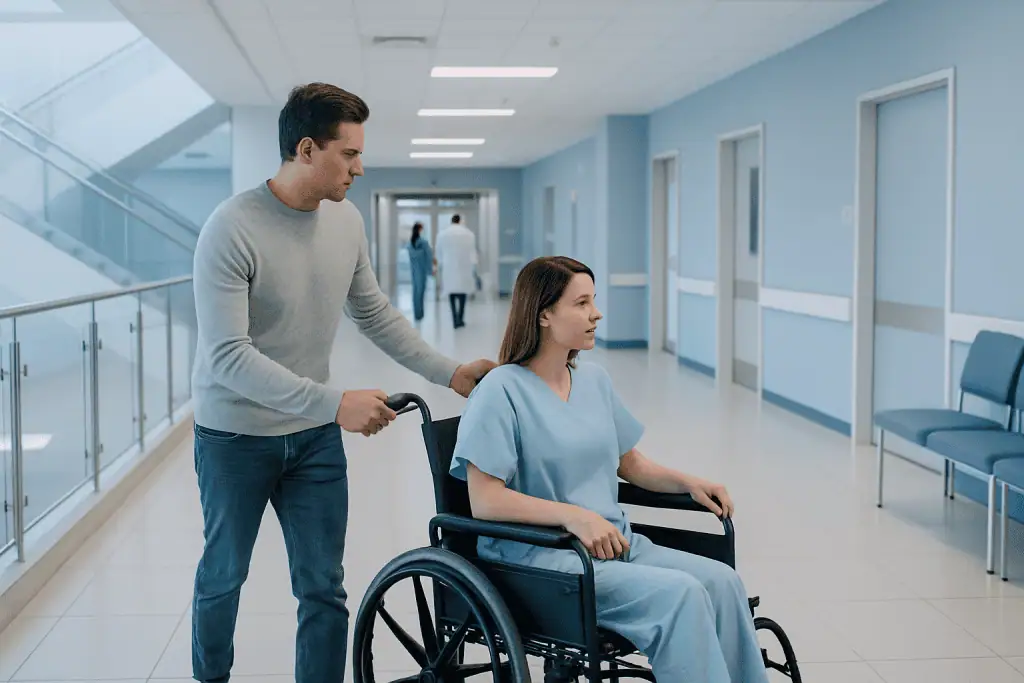
Traveling with a companion for medical treatment means bringing one trusted adult who handles logistics, takes notes, and supports your recovery while you remain the decision-maker. Choose someone calm and organised, agree on privacy boundaries before departure, confirm what the hospital allows them to do, and plan documents, flights, and accommodation for two. No medical training is required, reliability matters more.
You are planning treatment abroad and wondering whether to travel alone or bring someone with you. For most patients, one trusted person nearby makes the journey calmer, safer, and better organised, but only if you plan their role before you board the plane.
This guide covers the whole arc of traveling with a companion for medical treatment: who to choose, what documents and permissions you both need, what a companion can and cannot do at the hospital, and how they help most after discharge. It also answers the questions people ask about hiring professional companions, including what a good one looks like and what should make you walk away.
At a glance
- Best companion: A reliable adult who stays calm, keeps track of documents and times, and supports your decisions without taking over your voice
- No medical training needed: Organisation, patience, and discretion matter more than clinical knowledge
- Plan early: Your companion needs their own passport, visa if required, insurance, and a realistic picture of the trip length and daily workload
- Hospital role: Note-taking, question-keeping, family updates, and practical comfort, within the rules of each ward and department
- Privacy first: Decide before you arrive what your companion may hear, discuss, and manage on your behalf
- Support available: Acibadem’s international patient services team can advise on transfers, accommodation, interpreters, and appointment timing for both of you
Why Traveling with a Companion for Medical Treatment Helps
Medical travel asks you to manage many things at once: health decisions, passports and visas, appointment times, unfamiliar streets, and often a language you do not speak. Traveling with a companion for medical treatment gives you a second set of eyes and ears at exactly the moments you are least able to be your own, when you are tired, anxious, sedated, recovering from a procedure, or simply overloaded with new information.
Your companion does not need to be medically trained. The most useful person is dependable, patient, organised, and comfortable asking practical questions. They remember the instruction you missed, keep the appointment schedule in one place, contact the international patient team when something changes, and sit with you when the day feels long. None of this replaces the care team. All of it makes the care team’s job easier.
Be honest with yourself about the alternative, too. Some patients genuinely manage well alone, particularly for short outpatient visits. If that might be you, read our guide to planning a safe solo patient journey and ask your care coordinator whether your specific treatment makes solo travel reasonable. For procedures involving anaesthesia, reduced mobility, or a multi-day recovery, most coordinators will recommend you do not travel alone.
Who Counts as a Travel Companion?
A travel companion is any adult who accompanies you for the purpose of supporting your trip and treatment, not a visitor who happens to be in the same city. In practice, companions fall into two groups:
- Personal companions: a spouse or partner, adult child, parent, sibling, or close friend. This is the most common arrangement for international patients, and usually the best one, because trust already exists.
- Professional companions: a paid caregiver, a nurse escort for the flight, or an agency-provided medical travel companion. These are more common for older patients traveling without family, or for long-haul flights after treatment.
The distinction matters for planning. A personal companion needs a clear briefing on what the trip involves. A professional companion needs vetting, credentials, references, and a written agreement, which we cover below. In both cases, the hospital treats you as the patient and decision-maker unless legal documents say otherwise. A companion’s role is support, not substitution.
Choosing the Right Person to Travel With You

The right companion is not always the closest relative. It is the person who can be present, calm, discreet, and practical. Someone who loves you deeply but panics in hospitals may be a worse choice than a level-headed friend. Our guide on who should come and why goes deeper into this decision; the short version is below.
Before you ask someone, talk honestly about the expected length of stay, your treatment plan, likely waiting times, and what daily support may involve. Some treatments need only light assistance. Others may involve help with mobility, dressing, meals, transport, or watching for warning signs after discharge. If your candidate has their own health concerns, work obligations, caregiving duties at home, or visa restrictions, weigh these early: a companion who has to leave mid-trip can be more disruptive than no companion at all.
Useful qualities in a companion:
- Reliability with documents, appointments, and timekeeping
- Comfort in hospitals and during long travel days
- Respect for your privacy and your decisions
- Ability to communicate calmly under stress
- Willingness to follow medical and hospital guidance without improvising
- Enough physical stamina for the tasks your recovery may require
Hiring a Professional Companion: Costs, Red Flags, and How the Work Is Done
If no family member or friend can travel, professional medical travel companions exist. We cannot tell you what one costs, because there is no single answer, and any service that quotes a flat figure before understanding your case deserves scepticism. What the price genuinely depends on:
- Duration: a one-way flight escort is priced differently from two weeks of round-the-clock support
- Skill level: a non-clinical assistant, a caregiver, and a registered nurse sit at very different points of the market
- Travel expenses: you normally cover the companion’s flights, accommodation, meals, visa, and insurance on top of their fee
- Intensity of care: mobility assistance, overnight presence, and post-operative observation all raise the workload
Ask for an itemised written quote and compare at least two providers. Then watch for red flags:
- No verifiable identity, references, or professional background, or resistance when you ask
- Claims of clinical qualifications with no certificate or registration number to check
- Demands for full payment upfront in cash or by untraceable transfer
- No written agreement covering duties, hours, cancellation, and what happens if plans change
- Promises that sound medical: a companion who offers to adjust your medicines or “handle” your treatment decisions is overstepping a line that protects you
- Vagueness about who covers their travel documents and insurance
And if you are reading this from the other side, wondering how to become a medical travel companion, the honest answer is that reputable agencies expect a caregiving or nursing background, a clean record, references, and often first-aid certification. There is no shortcut, and that is exactly why patients should expect those things when hiring.
Documents, Permissions, and Privacy Decisions

Your companion may need access to certain information, but you remain the patient and decision-maker unless legal arrangements say otherwise. Before you travel, decide what your companion is allowed to know, discuss, and handle: appointment details, invoices, discharge instructions, medication schedules, communication with the international patient office. Saying this out loud once, before the trip, prevents awkward moments at a consultation desk later.
Both of you need valid passports, visas if required, travel insurance details, flight confirmations, accommodation bookings, and emergency contacts. If your companion will assist with payments, translation, or consent discussions, ask the hospital in advance what authorisation forms are needed, requirements differ by situation, and children, elderly patients, or patients with reduced decision-making capacity may need additional legal documents.
Prepare a shared folder, digital and printed. Include your medical reports, medication list, allergies, treating physician notes, appointment schedule, hospital contact numbers, and your companion’s contact details. Our guides on which medical records to bring and how to pack and document your regular medicines cover the details. Keep copies in a secure cloud folder and carry printed essentials in your hand luggage, not in a checked bag that can go missing.
Travel and Accommodation Planning for Two
When traveling with a companion for medical treatment, plan the itinerary around medical comfort rather than sightseeing. Choose flight times that reduce fatigue, allow generous time for airport procedures, and avoid tight connections. If you may have limited mobility after treatment, request wheelchair assistance from the airline in advance and ask whether your companion can remain with you through security, boarding, and arrival.
Accommodation should be close enough to the hospital to make early appointments and follow-up visits low-stress. Ask about a lift, an accessible bathroom, genuine space for two adults, nearby pharmacies, and meal options that work during recovery. Your companion is not on holiday, but they do need a place to rest, work remotely if necessary, and prepare simple food while you recover. A companion who cannot sleep properly will not support you well.
Acibadem’s patient services team can guide you on practical arrangements such as airport transfers, hotel coordination, appointment timing, and interpreter availability. They can also explain how admission, discharge, and outpatient visits usually work at the specific hospital, so neither of you is guessing on arrival. For a fuller picture of what support exists, see how families and companions are supported during treatment travel.
Your Companion’s Role at the Hospital
At the hospital, your companion helps you stay grounded. They can take notes during consultations, hold the list of questions you wanted to ask, keep relatives at home updated, and track what happens next in your schedule. Where interpreters are arranged, the companion still adds value by confirming practical details: times, locations, and written instructions.
Expect limits, and expect them to vary. Rules differ by department, room type, procedure, and infection-control policy. There will be times when your companion cannot enter a clinical area, stay overnight, or visit freely, intensive care, procedure rooms, and recovery units are typically the strictest. This is normal in hospitals worldwide and exists to protect patient safety, privacy, and clinical workflow. Ask your coordinator before arrival what applies to your unit, so you can book accommodation accordingly rather than assuming an in-room sofa bed exists.
Two firm rules for companions on the ward. First, do not give the patient food, drinks, supplements, or medication unless the care team has approved it, even something harmless-looking can matter before a procedure. Second, speak up early. If a companion notices increasing pain, dizziness, bleeding, confusion, breathing difficulty, fever, or unusual swelling, telling a nurse promptly is one of the most valuable things they can do.
Emotional Support, Boundaries, and Communication
Medical travel is emotionally intense for both of you. You may feel grateful one moment and overwhelmed the next. Your companion may feel pressure to help without knowing what helps. A simple plan prevents most friction.
Before the trip, agree on communication. Who updates relatives at home, how often, and through which channel? What stays private? If you do not want your companion answering medical questions on your behalf, say so plainly. If you do want them to speak up when you are too tired to advocate for yourself, tell them when and how: a quiet signal agreed in advance works better than improvisation in a consultation room.
Small routines carry the trip: a daily check-in over breakfast, a shared notes app for instructions, a quiet hour after appointments to review what was said. And insist that your companion takes breaks, eats properly, and gets outside occasionally. A rested companion supports you far better than an exhausted, guilty one hovering at the bedside.
After Discharge and Returning Home
The days after discharge are often when a companion matters most. You may need help understanding written instructions, getting back to your accommodation, preparing for follow-up visits, and simply noticing how you feel. Your companion keeps the recovery environment calm, clean, and organised while your energy goes into healing.
Before leaving the hospital, ask the care team to explain medication timing, wound or dressing care if relevant, activity limits, warning signs, diet guidance, and when you are expected to be fit to fly. Your companion should listen alongside you and write the practical details down. If anything is unclear, ask before you leave the building, guessing later is how mistakes happen.
Know the difference between concern and emergency. For unusual or worsening symptoms, contact the hospital using the numbers on your discharge papers. But if your companion notices sudden breathing difficulty, chest pain, heavy or uncontrolled bleeding, or loss of consciousness, call your local emergency number or go to the nearest emergency department now.
When planning the journey home, allow enough recovery time and follow your doctor’s travel advice rather than a pre-booked return date that no longer fits. Acibadem can help coordinate follow-up documents, medical reports, and communication pathways where appropriate, so your local doctor continues your care with clear information rather than a verbal summary.
Step by step
- Confirm whether a companion is recommended. Ask your care coordinator or doctor whether your planned treatment makes solo travel reasonable. Procedures involving anaesthesia, reduced mobility, or multi-day recovery usually mean the answer is no.
- Choose a practical, trusted person, or vet a professional. For a personal companion, discuss trip length, hospital schedule, expenses, and daily responsibilities before they commit. For a paid companion, check credentials, references, and a written agreement, and treat vagueness as a warning.
- Share documents and emergency contacts. Prepare passport copies, flight details, hotel information, medical reports, medication lists, and emergency contacts for both of you. Keep essentials in hand luggage and in a secure digital folder.
- Clarify permissions with the hospital. Decide what your companion may discuss with the care team and whether they can receive updates or documents. Ask in advance what consent or authorisation forms are needed.
- Plan flights, transfers, and accommodation for two. Reduce fatigue, avoid tight connections, request mobility assistance early, and book a room that genuinely accommodates a second adult near the hospital.
- Agree hospital-day responsibilities. Documents, notes, phone calls, question lists, and a clear understanding of ward rules and the two firm limits: no unapproved food or medicines, and report concerning symptoms to nurses promptly.
- Prepare for recovery and the journey home. Before discharge, review medications, warning signs, follow-up appointments, and fitness-to-fly advice with the care team, with your companion writing it all down.
Your checklist
- Valid passports and visa documents for both patient and companion
- Medical reports, imaging, prescriptions, allergy list, and current medication list
- Written permission for your companion to receive or discuss information, if needed
- Flight details, airport transfer plan, hotel confirmation, and hospital appointment schedule
- Emergency contacts at home and local contact numbers in Turkey
- Comfort items for hospital days: chargers, glasses, hearing aids, toiletries
- A shared plan for family updates and privacy boundaries
- Travel insurance documents for both travellers and payment method backups
- Recovery clothing, mobility aids if recommended, and any approved medical supplies
- For a hired companion: signed agreement, verified credentials, and their insurance details
Key takeaways
- A good medical travel companion provides practical, emotional, and communication support without replacing your decisions.
- Reliability and calm matter more than medical training; the closest relative is not automatically the best choice.
- If hiring a professional, demand verifiable credentials, an itemised written quote, and a written agreement, and walk away from anyone who resists.
- Plan documents, permissions, travel arrangements, and accommodation for both of you before departure, and settle privacy boundaries early.
- Hospital visiting and overnight rules vary by unit, so confirm what your companion can do at each stage rather than assuming.
- After discharge, your companion’s most valuable work begins: instructions, follow-up, and noticing changes you might miss.
Frequently asked questions
Who is considered a travel companion?
Any adult who travels specifically to support you through treatment: a spouse, adult child, parent, sibling, or close friend, or a paid professional such as a caregiver or nurse escort. The hospital still treats you as the patient and decision-maker unless legal documents say otherwise: a companion supports, they do not substitute.
How much does a medical travel companion cost?
There is no standard figure, and any service quoting one before understanding your case deserves caution. The cost depends on trip duration, the companion’s skill level (non-clinical assistant versus registered nurse), the intensity of care needed, and their travel expenses, flights, accommodation, meals, visa, and insurance, which you normally cover on top of the fee. Ask for an itemised written quote and compare providers.
What are red flags when hiring a travel companion?
No verifiable references or credentials, resistance when you ask for them, demands for full payment upfront by untraceable means, no written agreement covering duties and cancellation, and any offer to make medical decisions or handle your medicines. A legitimate companion supports your care; they never direct it.
How do I become a medical travel companion?
Reputable agencies typically expect a caregiving or nursing background, verifiable references, a clean record, and often first-aid certification, plus a valid passport and the ability to obtain visas. There is no shortcut, which is exactly why patients should expect these credentials when hiring.
Do I have to bring a companion for medical treatment abroad?
Not always. Some patients travel alone, especially for short outpatient visits or lower-intensity care. A companion is usually recommended for procedures involving anaesthesia, mobility limitations, complex schedules, or a longer recovery. Ask your care coordinator what applies to your treatment before deciding.
Can my companion stay with me in the hospital overnight?
It depends on the unit, room type, your clinical condition, and current safety policies. Some rooms allow an accompanying person; intensive care, procedure rooms, and recovery units are stricter. Ask your international patient coordinator before arrival so you can book accommodation accordingly.
Will my companion be allowed to speak with my doctor?
Usually yes, if you agree and hospital policy allows it. You may need to give verbal or written permission for them to receive medical information. If you want certain topics kept private, tell the care team clearly: they will respect that boundary.
What should my companion watch for after discharge?
Follow the specific instructions your care team gives you. In general, a companion should help you monitor anything unusual or worsening, fever, increasing pain, bleeding, confusion, severe dizziness, and contact the hospital using your discharge paperwork. For sudden breathing difficulty, chest pain, heavy bleeding, or loss of consciousness, call your local emergency number or go to the nearest emergency department now.
Add us as a Preferred Source to see more of our trusted health content across Google Search, AI Overviews and Discover.

Update history
- PublishedJune 6, 2026
- Medical review approvedSeptember 13, 2026
- Last content updateSeptember 12, 2026
References1
- Medical Tourism: CDC Travelers' Health wwwnc.cdc.gov
More Patient Guides
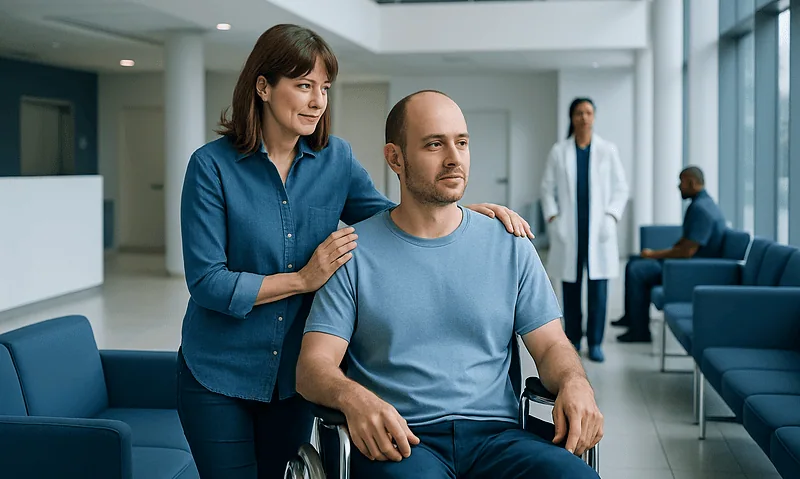
Medical Travel with a Companion: Who Should Come and Why
Medical travel with a companion can make treatment in Turkey easier by providing practical help, communication support and reassurance before and after…

How Family Members Can Help Without Disrupting Recovery
Family support during recovery helps when you listen, organize practical tasks and follow the care plan without taking over, in Turkey or…

Need a Family Member to Travel With You? A Companion Decision Guide
A companion travel guide for treatment in Turkey: decide who should travel with you, plan practical support, and prepare for Istanbul care.

Unexpected Overnight Stay in Turkey: What Patients and Companions Should Be Ready For
Unexpected overnight stay in Turkey? Here is what patients and companions should prepare for, from essentials and updates to hospital logistics in…