

What Is the Total Cost of Treatment in Turkey From Inquiry to Return Home?

The total cost of treatment in Turkey is the medical quote plus everything around it: pre-treatment tests, flights, accommodation, local transport, companion expenses, discharge medicines and any follow-up after you return home. Quotes vary in what they include, so the realistic budget is the written medical estimate combined with your travel costs and a contingency for changes to your plan or stay.
You have a quote in front of you, and you are trying to work out whether it is really what you will pay. That is the right question. When you plan care abroad, the total cost is more than the hospital bill, and the gap between the headline figure and the full journey cost is where most budgeting mistakes happen.
This guide walks through the whole journey, inquiry, quote, travel, treatment, discharge and the trip home, and shows you what tends to sit inside a medical quote, what usually sits outside it, and which questions get you a budget you can trust.
At a glance
- Best for: Patients budgeting for treatment, travel, accommodation and aftercare in Turkey
- Covers: Medical quotes, tests, medicines, flights, hotels, companion costs, payment terms and return-home planning
- Important reminder: Your final amount can change if extra tests, a longer stay or unexpected clinical needs arise after your in-person assessment
- Useful support: International patient teams can help coordinate estimates, interpreters, transfers and scheduling
- Typical timeline: From first inquiry and quote review through treatment, recovery, discharge and follow-up at home
What is the total cost of treatment in Turkey from inquiry to return home?
When people ask what the total cost of treatment in Turkey is from inquiry to return home, they usually mean one thing: how much money do I need to set aside, in total, before I book anything? There is no single number that answers that, and any provider who gives you one before reviewing your case is guessing. What you can do is understand the structure of the cost, because the structure is the same for almost every international patient.
The total breaks into three layers. The first is the medical layer: consultations, imaging, laboratory tests, the procedure or treatment itself, anaesthesia where needed, your hospital stay and standard follow-up before discharge. The second is the logistics layer: flights, visas where applicable, airport transfers, hotel nights before and after your hospital stay, meals, local transport and everything your companion needs if someone travels with you. The third is the recovery layer: discharge medicines, dressings or supplies, any garments or aids, fit-to-fly considerations, flexible return travel and follow-up once you are back home.
Most people budget carefully for the first layer, loosely for the second, and not at all for the third. Reversing that habit is the single most useful thing this guide can offer. The table below maps the journey stage by stage.
| Stage | What it typically involves | What to ask |
|---|---|---|
| Inquiry and quote | Record review, treatment plan proposal, written estimate | Is this fixed or an estimate? What could change it? |
| Travel and arrival | Flights, visa if applicable, transfers, hotel before admission | Are any transfers or accommodation arrangements included? |
| Treatment period | Tests, procedure, hospital stay, inpatient medicines | How many nights are included? What triggers extra charges? |
| Discharge and local recovery | Take-home medicines, supplies, review appointments, extra hotel nights | Which post-discharge items are inside the quote? |
| Return home and follow-up | Flexible flights, airport assistance, remote follow-up, records | When is it safe to fly, and what documents will I leave with? |
Thinking in these stages also helps if you are weighing Turkey against staying home. Our guide on how to compare the total cost of treatment in Turkey with treatment at home uses the same layered approach, so you compare like for like rather than headline against headline.
What is usually included in a medical quote
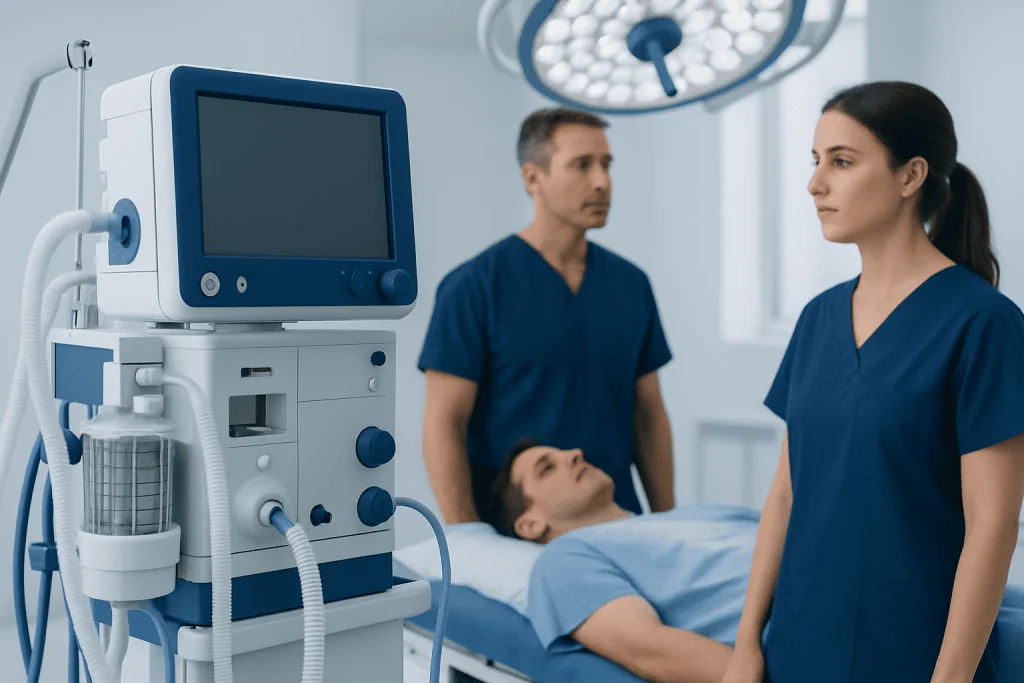
A treatment quote normally covers the core medical services tied to your planned care. Depending on the case, that can include the initial specialist evaluation, the procedure or treatment itself, anaesthesia where needed, use of the operating theatre or treatment unit, standard consumables, nursing care and a defined number of hospital nights. Some quotes also include routine inpatient medicines and a review before discharge.
Quotes are not all built the same way, and this is where comparisons go wrong. Broadly, you will meet two structures:
- Package-based quotes bundle a defined set of services around a defined stay. They are easier to budget but the definitions matter: you need to know exactly where the package ends.
- Estimate-based quotes price the expected plan but may change after your in-person assessment, once your doctor has examined you and reviewed fresh test results.
Neither structure is better in itself. What matters is that you receive a written breakdown in plain language. You do not need every technical line item, but you do need enough detail to know what you are paying for and what would sit outside it. Sensible questions to put to any international patient coordinator include:
- Is this quote fixed or an estimate?
- Does it include pre-treatment tests and imaging?
- How many nights in hospital are included, and what happens if I need more?
- Are medicines after discharge included, or only those given in hospital?
- Are follow-up visits before I travel home part of the quote?
- Which situations could increase the final amount, and how would I be told?
If your treatment involves more than one specialty, ask how the plan is coordinated across teams. Coordinated planning tends to make clear from the start which services are essential and which would only be added if medically necessary, and that clarity flows straight through to your budget.
Common extra costs patients should budget for

The most common extras are not medical surprises. They are predictable logistics that simply were not written down: flights, airport transfers, hotel nights, daily transport, meals, travel insurance, visa-related costs where applicable, and everything a companion needs. If your plan asks you to arrive a day or two before admission, or to stay in Turkey for review appointments afterwards, your accommodation budget grows accordingly.
On the medical side, extras arise when your doctor requests additional imaging, blood tests, pathology review, specialist consultations or longer monitoring before discharge. These additions are usually clinically sensible: the point of the in-person assessment is to check that the plan made from your records still fits you. But sensible or not, they cost money, so leave room for them. It is safer to hold a contingency than to assume the original estimate covers every scenario.
Then there is the return-home phase, which is the most commonly forgotten line in the budget. Depending on your recovery you may need prescribed medicines, dressings, compression garments, mobility aids or private transport to the airport. If your doctor advises against flying on your planned date, extra hotel nights for you and your companion follow automatically. These items are not always inside the hospital quote, so ask about them specifically rather than assuming.
How to compare quotes fairly and avoid hidden surprises
Never compare one total number against another. Compare what sits behind each number. A lower quote may exclude tests, anaesthesia, follow-up or a longer-than-expected stay; a higher one may bundle much more of the journey. Ask every provider for the same style of breakdown, structured around the same stages, so the comparison is honest.
Ask, too, how decisions are handled if your plan changes. If an extra night becomes necessary, or a second specialist needs to be involved, how will you be informed and how will the charge be explained before it is incurred? A provider’s willingness to answer that question in writing tells you a great deal. Clear communication protects your budget at least as much as the starting price does.
International patient departments earn their keep here. At Acibadem, coordinators commonly help patients review documentation in advance, gather medical records, and understand the expected logistics around arrival, interpretation and discharge. That does not remove every uncertainty, no honest provider can promise a final figure before assessment, but it does reduce the chance of misunderstanding what is included and what is separate.
Travel, stay and companion costs from arrival to discharge
Your non-medical costs depend on two variables above all: how long you stay, and whether someone travels with you. Map the journey in stages, getting to Turkey, the nights before admission, the hospital period, any hotel recovery time after discharge, and the trip home, and cost each stage separately. A companion is often essential support, but a companion also means another flight, another set of meals and shared or additional accommodation for every night of the trip.
If your care is in Istanbul, factor in transfer times between airport, hotel and hospital. Many patients choose to stay close to the hospital, particularly when they have early appointments or limited mobility after treatment; a shorter journey is worth more than a cheaper room in those weeks. Ask whether the hospital can suggest practical accommodation nearby and whether local transport support is available.
Acibadem’s international patient teams often assist with interpreter services and practical travel coordination. Beyond the convenience, this has a direct budgeting benefit: when your hotel nights are planned around real appointment timing rather than guesswork, you avoid the extra taxi trips and dead hotel nights that poor scheduling quietly adds to a trip.
How payment, deposits and insurance may affect your budget
Before you travel, clarify how and when payment is expected. Some treatments require a deposit; others are settled on admission or at discharge. Ask which payment methods are accepted, whether international bank transfers need lead time, and what happens financially if your treatment plan changes after your specialist assessment.
If you hold private or international insurance, confirm in advance whether treatment in Turkey is covered and on what terms. Some insurers reimburse only specific hospitals, pre-approved procedures or medically necessary services. Many exclude travel, accommodation and companion costs entirely. Do not assume overseas care is included, and do not assume that a verbal confirmation will satisfy the claims department, get the terms in writing before you book flights.
Ask about refund and cancellation policies as well. If your travel dates move, if your doctor recommends postponement, or if tests point to a different treatment than originally planned, you should know exactly how unused deposits or prepayments are handled. A written answer protects both your budget and your peace of mind.
Budgeting safely for the return home and follow-up
Your financial planning should not stop at discharge, because your recovery will not. Ask the care team what you are likely to need once you leave hospital: medicines, wound care supplies, rehabilitation, follow-up imaging or remote consultations after you are home. Even when treatment goes smoothly, recovery costs can continue for days or weeks, and it is far easier to price them before you fly than after.
Confirm when it is expected to be safe for you to fly, whether you need fit-to-fly documentation, and whether airport assistance for the journey home would be sensible after your particular treatment. If your return date depends on a final review appointment, choose travel arrangements that can be changed without heavy penalties. A flexible ticket often costs less than a forced rebooking plus extra hotel nights.
Take-home medicines deserve their own line in the budget and their own paperwork. Our guides on returning home with new medicines after treatment in Turkey explain what to sort out before departure, from prescriptions your home pharmacist can read to how the medicines travel with you.
Finally, leave with the right documents. At discharge, patients at Acibadem receive records, prescriptions and next-step instructions as part of structured discharge planning: you can read what that involves in what international patients receive at discharge. Complete paperwork reduces the risk of unexpected spending later, because your home clinicians will not need to repeat tests to reconstruct what was done. If remote check-ins are part of your plan, ask how they are arranged and what they involve; our guide to remote follow-up after returning home from Turkey covers the practical side.
Step by step
- Assemble your medical information early. Complete reports, imaging, diagnosis details and previous treatment records make the initial estimate, and therefore your travel planning, far more accurate. Gaps in the record are the most common reason estimates shift later.
- Request a written cost breakdown. Ask for a quote that separates the core medical services from possible extras, and states whether it is fixed or an estimate. You are looking for clarity, not a longer document.
- Add your non-medical travel budget. List flights, hotel, local transport, meals, visa-related costs where relevant, and every companion expense. Build it around your expected stay plus a buffer for schedule changes.
- Check payment and insurance details. Confirm deposits, accepted payment methods, timing, cancellation terms and whether your insurer requires pre-approval. Sorting this before travel prevents delays at admission.
- Plan for extra tests or a longer stay. Even well-organised plans can change after the in-person consultation or fresh test results. Keep a contingency for additional nights, medicines, imaging or specialist reviews.
- Prepare for discharge and the journey home. Before leaving hospital, ask about medications, documents, follow-up arrangements and safe travel timing. Budget for post-discharge supplies and flexible return travel in case recovery needs more time.
Your checklist
- Written medical quote with included and excluded items
- Confirmation of whether the quote is fixed or an estimate
- Passport, travel documents and any visa requirements checked
- Budget for flights, hotel, meals and local transport
- Companion costs calculated if someone is travelling with you
- Contingency fund for extra tests, medicines or a longer stay
- Insurance coverage and pre-authorisation confirmed in writing if applicable
- Payment method, deposit rules and refund terms clarified
- Post-discharge medicines, supplies and follow-up costs discussed
- Flexible or changeable return flight options considered
Key takeaways
- The total cost of treatment in Turkey from inquiry to return home spans three layers: medical care, travel logistics and recovery.
- A written breakdown lets you compare quotes fairly and spot what is not included.
- Extra tests, take-home medicines, additional hotel nights and companion needs are the most common additions to the final amount.
- Payment timing, insurance terms and cancellation rules should be confirmed in writing before you travel.
- Discharge documents, medicines and follow-up arrangements affect your budget as much as the treatment itself.
Frequently asked questions
Does the total cost of treatment in Turkey usually include flights and hotel?
Usually, no. Medical quotes tend to cover hospital and treatment-related services, while flights, hotel, meals and daily transport sit outside them. Some providers arrange transfers or suggest accommodation, but arrangement is not the same as inclusion, always ask which is which.
Why can the final cost change after I arrive in Turkey?
Your specialist examines you in person and may request additional tests or adjust the plan based on what they find. Some patients also need a longer stay, extra medicines or more monitoring than first expected. These changes are usually medically appropriate, but they can affect the final bill, which is why a contingency matters.
How much contingency should I keep in my budget?
There is no single amount that fits every patient, because needs vary with the treatment type, expected recovery time and travel arrangements. The practical approach is to hold a separate buffer that could cover extra hotel nights, additional tests, take-home medicines and a change to your return flight.
What is the difference between a package quote and an estimate?
A package bundles a defined set of services around a defined stay, which makes budgeting simpler as long as you know exactly where the package ends. An estimate prices the expected plan but may change after your in-person assessment. Either can be fair, what matters is that the structure is stated in writing.
Will my insurance cover treatment in Turkey?
It depends on your policy. Some insurers cover overseas care only with prior approval, only at selected hospitals, or only for specific medically necessary services. Travel, hotel and companion costs are often excluded entirely, so read the policy terms and confirm coverage in writing before you book.
What should I ask before paying a deposit?
Ask what the deposit secures, when the remaining balance is due, and how refunds work if dates change or treatment is postponed. Confirm accepted payment methods, whether bank transfers need lead time, and whether the amount may change after your in-person assessment.
Are medicines after discharge usually included in the quote?
Not always. Many quotes include medicines given during your hospital stay but not the prescriptions you take home. Ask specifically about discharge medicines, dressings and any recovery supplies, and check how take-home prescriptions are documented so your home pharmacist can act on them.
Does follow-up after I return home cost extra?
It varies by provider and treatment. Some plans include a defined review before you fly home, while remote check-ins, imaging done locally in your home country and rehabilitation are typically separate. Ask what follow-up is expected in your case and which parts sit inside the quote.
Add us as a Preferred Source to see more of our trusted health content across Google Search, AI Overviews and Discover.

Update history
- PublishedJune 25, 2026
- Medical review approvedSeptember 13, 2026
- Last content updateSeptember 12, 2026
References2
More Patient Guides

Private MRI, CT and Check-Up Costs in Turkey: How Scans Are Priced
How private MRI, CT, PET-CT and full check-up packages are priced in Turkey, modality, region, contrast, reporting, and what a…

Cataract Surgery Cost in Turkey: Per-Eye Prices and Lens Options
Cataract surgery in Turkey is priced per eye and the lens decides the quote. Biometry, both eyes on one trip, and what…

Lip Filler Cost in Turkey: Per-ml Prices Explained
Lip filler in Turkey is priced per millilitre with licensed hyaluronic acid brands and physician injectors. Volume, product, dissolving, safety and what…

Botox Cost in Turkey: Per-Area and Per-Unit Prices
How Botox is priced in Turkey, per area or per unit, brand, physician injectors, medical indications, and what a serious…