

How Companions Can Help After Surgery in Turkey Without Getting in the Way

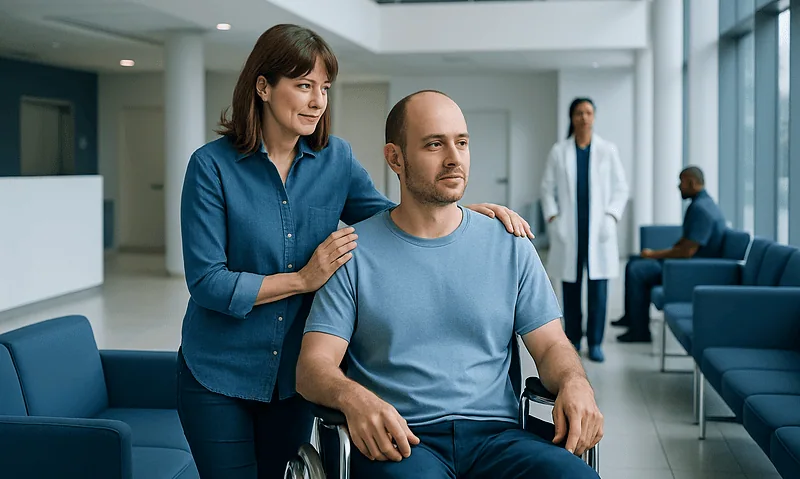
A companion helps most by handling the practical side of recovery: steady walking support, notes during instructions, hydration and meal reminders, documents, luggage and transport. They stay out of the way by leaving assessments, wounds and medicine decisions entirely to the clinical team, by choosing one lead contact for the family, and by stepping back whenever staff are working.
Who should travel with you, and what exactly should they do once you are out of theatre? Most patients only think about this a few days before they fly — and it deserves more attention than that.
The right companion makes recovery calmer and easier to manage. The wrong kind of help, however well meant, slows everyone down. This guide explains how companions can help after surgery in Turkey without getting in the way of the nurses, doctors and coordinators looking after you, and how to divide the work so that everyone does the part they are actually good at.
At a glance
- Best role for a companion: Comfort, communication, notes, documents and daily logistics
- What companions should avoid: Anything clinical — dressings, medicines, interpreting symptoms
- Most helpful tasks: Walking support, hydration reminders, note-taking, transport and packing
- When staff lead: All assessments, wound care and medication decisions, without exception
- Support at Acibadem: Interpreters and international patient services share the load, so your companion does not carry everything alone
Why the right companion matters when you recover abroad
After surgery, small tasks cost more energy than you expect. Standing up takes planning. Remembering a nurse’s instruction from the morning takes effort. Add an unfamiliar city, a different language and the low-level admin of international travel, and the first days of recovery can feel like more than one person’s job. That is the gap a companion fills.
The best companions are calm, observant and practical. They do not need medical knowledge, and they should not pretend to have it. What matters is that they can listen well, notice when you seem different from an hour ago, keep the day organised, and pass information along accurately. In other words, companions can help after surgery in Turkey without getting in the way precisely because their job is not medical — it is everything around the medical.
It also matters that they are not the only support you have. At Acibadem, international patient services and interpreters handle much of the communication and coordination work that companions often assume they must do themselves. Your companion is one part of a wider system, not the whole of it. Companions who understand this from the start tend to relax, do their part well, and burn out far less.
Be honest about who the right person is. The most loving relative is not always the most useful one at a bedside. Someone anxious, argumentative or unable to sit still can add stress rather than remove it. A practical friend who reads instructions, keeps quiet when you sleep and does not panic is often the better travelling partner — and it is worth having that conversation before anyone books a flight.
What helpful support looks like day to day

Useful support is usually simple and repetitive rather than dramatic. In the first days you may need help standing, walking short distances, getting settled in bed, keeping water within reach, and staying on schedule with meals and with medicines taken exactly as your doctor prescribed them. A companion who quietly keeps these basics running is worth far more than one who hovers.
Practical support often matters more than conversation. Many patients want quiet, privacy and short naps between checks. A good companion protects that: they keep noise down, manage visits and phone calls, and make sure the essentials — phone, charger, glasses, lip balm, tissues, discharge papers — are always within arm’s reach rather than in a suitcase across the room.
Day to day, the most useful tasks tend to be:
- Supporting slow, steady walks once staff confirm walking is appropriate, and at the pace staff describe
- Bringing water, permitted snacks and small comfort items
- Keeping track of appointment times, transport bookings and any room or ward changes
- Writing down questions as they occur to you, so nothing is forgotten when the doctor comes
- Taking notes during discharge teaching and follow-up discussions
- Noticing practical problems — nausea, fatigue, trouble getting comfortable — and mentioning them to nursing staff rather than trying to fix them
Notice the pattern: every task on that list supports the plan you were given. None of it replaces it. That distinction is the whole art of being a good companion.
How companions can help without getting in the way

The single most useful habit a companion can build is respecting the rhythm of clinical care. Nurses work to a schedule of checks, medicines and observations. Doctors need uninterrupted time to assess you and explain what comes next. Companions help most by being present before and after these moments — ready with the notebook, ready with the questions you wrote down — rather than interjecting during them. When someone asks whether companions can help after surgery in Turkey without getting in the way, this is most of the answer: work around the clinical timetable, not through it.
It also helps enormously if one person takes the lead. When several relatives are involved, messages get mixed, the room gets crowded, and staff end up repeating the same explanation three times to three people. One main companion gives the ward a single point of contact for practical matters — transport, luggage, discharge timing — and gives you one consistent voice at the bedside. Other family members can still visit, call and help; they simply route practical questions through the lead person.
There are hard boundaries, and they are worth stating plainly. A companion should never interpret your symptoms, compare your recovery to someone else’s operation, or adjust anything on their own initiative. They do not stop, start or change medicines. They do not touch dressings. They do not push you to eat, shower or walk before the team says so — and they do not hold you back once it does. Their role is to support the plan, not to write a competing one. Recovery timelines also vary by procedure, so a companion’s experience of their own operation years ago is not a template for yours.
Framed positively: staying out of the way is not passivity. It is a division of labour. The clinical team manages the medicine; the companion manages the day. When both sides keep to their half, recovery runs noticeably more smoothly.
Communication between you, your companion and the care team
Decide before surgery what you want your companion to handle. Some patients hand over their phone and let the companion update the family. Others want the companion to take notes during discharge teaching, or to speak up when the patient is too tired to ask questions. None of this works well if it is improvised on the day, so agree it in advance and tell the team what you have agreed.
Discuss privacy too. Some patients want their companion in the room for every conversation; others prefer to speak with the doctor alone and share a summary afterwards. There is no right answer — only your preference, stated early enough for everyone to respect it.
If English is not your first language, or you are worried about missing details, ask about language support rather than making your companion the translator. Acibadem provides interpreter and international patient services so that discharge instructions, follow-up plans and appointment details are understood clearly. That frees your companion to listen and take notes instead of carrying the responsibility of translating medical information they may only half understand themselves.
Good use of the discharge conversation matters more than almost anything else in this guide. Sensible questions include when you should walk, how prescribed medicines fit into your day, what ordinary post-operative discomfort tends to feel like, when showering and travel become realistic, and how follow-up will work. If pain management is on your mind, it helps to read what patients can expect from pain control after surgery in Turkey beforehand, and to bring a prepared list of pain-control questions so the conversation covers what you actually want to know.
The moments when a companion earns their keep
The first 24 to 72 hours after surgery are usually when support is most valuable. You may be sleepy, sore, stiff or unsteady, and even fetching a glass of water can feel like a project. During this window a companion keeps essentials close, helps you move at the pace staff have described, and absorbs the small tasks so you can spend your energy on resting.
Transitions are the other high-value moments: leaving the ward, checking into a hotel or recovery apartment, travelling back for a review appointment, and preparing for the journey home. Each transition involves papers, bags, timings, transport and instructions arriving all at once. A second person who tracks the logistics dramatically reduces the chance of something being missed. The trip home deserves its own planning, because clearance to travel depends on your procedure and your surgeon’s assessment — the guide on when it is safe to fly home after surgery in Turkey explains how that decision is usually made.
Emotional support counts as real work too. Recovery can be frustrating, particularly if you privately expected to feel better faster. A steady companion keeps the day simple, encourages realistic pacing, and reminds you — without lecturing — that rest is part of the treatment, not a delay to it. They do not need to solve everything. Presence usually helps more than problem-solving.
In a busy city such as Istanbul, a companion also absorbs the errands that would otherwise eat into your rest: collecting items from a pharmacy when instructed, buying food, confirming transport, checking that the hotel lift actually works. Every errand they run is energy you keep for healing.
Knowing when to step back
Over-helping is a real problem, and it is worth naming. A companion should step back when you need sleep, privacy or space to follow staff instructions directly. They should not lift you, support your full weight, or help with personal care in improvised ways — if that kind of assistance is needed, nursing staff will either provide it or show your companion exactly how to do it safely.
A companion is also not a monitor, and should not try to become one. Their observational job is modest and valuable: notice when something about you seems different from earlier, and make sure the nursing staff or the contact route in your discharge paperwork hears about it early. Interpreting what a change means is the team’s job, not theirs. Your discharge documents will set out how the hospital wants concerns raised after you leave; keeping those documents, appointment details and contact numbers together in one folder means nobody is hunting for them under pressure. For a fuller picture of how care teams think about changes in the days after an operation, the guide on pain, swelling and fever after surgery in Turkey is worth reading before you travel, not after.
The healthiest framing for a companion is this: notice early, report accurately, and then let the professionals decide. A companion who tries to diagnose delays the people who can.
Planning a smoother recovery stay in Turkey
A little planning before surgery makes the recovery period easier for both of you. Choose accommodation close to the hospital where possible, with a lift, a private bathroom and somewhere comfortable for your companion to sleep — a tired, stressed companion helps nobody. Think through how you will get to follow-up appointments, where food will come from, and how much walking the building itself demands.
Pack for recovery, not just for travel: loose clothing, slip-on shoes, chargers, your medication list, a small notebook and easy snacks. Your companion should pack properly for themselves too, since they may be doing all the carrying for a while. It is also sensible for both of you to understand how out-of-hours support works before you need it; the guide on after-hours medical help in Turkey for international patients covers what that landscape looks like.
If you are arranging care through Acibadem, ask early about the expected length of stay, likely mobility after discharge, interpreter availability, and what travel or accommodation support the international patient team can arrange. The more of this that is settled before you fly, the more your companion can focus on the human side of recovery: keeping you comfortable, organised and calm. That, in the end, is the honest answer to how companions can help after surgery in Turkey without getting in the way — plan the logistics early, respect the clinical boundary completely, and let the hospital’s own support services carry their share.
Step by step
- Choose one main companion. Pick a single person as your primary support during early recovery. One point of contact keeps communication clear for you and for staff, and prevents mixed messages from a wider family group.
- Agree roles before surgery. Decide together what your companion will actually do — documents, notes, transport, settling you into your room — and agree what stays private, including which conversations you want to have with your doctor alone.
- Attend discharge teaching together. A second set of ears helps with medication timing, follow-up appointments and everything else the discharge conversation covers. Your companion writes; you listen and ask.
- Prioritise comfort and safety first. In the early days, the companion’s focus is rest, hydration, safe movement at the pace staff described, and a calm environment. Small consistent tasks beat grand gestures.
- Leave all medical decisions to professionals. The companion supports the plan exactly as given — no changes to medicines, dressings or activity levels on their own initiative, ever.
- Use the hospital’s support services. Interpreters, international patient coordinators and travel guidance exist to take pressure off both of you. Ask what is available before you need it.
- Prepare the journey home early. Make sure you both understand the follow-up plan, the medication schedule and the travel clearance your surgeon expects, and keep every document together in one folder for the trip.
Your checklist
- Choose one main companion for the first recovery days
- Keep passports, discharge papers and contact details together in one folder
- Ask your companion to take notes during all instructions
- Pack loose clothes, slip-on shoes, chargers and comfort items
- Confirm transport between hospital, hotel and follow-up visits
- Take medicines only exactly as prescribed by your doctor
- Ask for interpreter support if any instruction is unclear
- Read the discharge paperwork together before leaving the hospital
Key takeaways
- A companion makes recovery in Turkey calmer and better organised through steady, practical support.
- The highest-value help is mundane: walking support, note-taking, hydration reminders, documents and transport.
- Companions never change medicines, touch dressings or interpret symptoms — that boundary is absolute.
- One lead companion, agreed roles and written notes prevent most communication problems.
- Interpreters and international patient services mean your companion never has to carry the whole load alone.
Frequently asked questions
Do I need a companion after surgery in Turkey?
Not every patient needs one, but many find a companion genuinely valuable in the first days, especially where temporary reduced mobility or fatigue is expected, or when travelling alone in an unfamiliar place. If you travel without one, hospital support services take on more of the practical coordination.
What should my companion do after I leave the hospital?
Practical support: getting you settled, keeping essentials within reach, encouraging rest, tracking appointment times, and making sure the written discharge instructions are followed as given. They also keep the paperwork organised so nothing is missing when it is needed.
Can my companion stay with me in the hospital?
Policies vary by hospital, unit and treatment. Intensive care areas, for example, usually have stricter visiting arrangements than standard wards. Ask in advance what applies to visiting, overnight stays and accompaniment during consultations and discharge planning, so nobody is surprised on the day.
Should my companion manage my medications?
They can help with organisation — checking times against the written schedule and reminding you — but medicines are taken only exactly as prescribed, and any question about dose, timing or side effects belongs to your treating doctor, not to the companion. Guessing is never part of their role.
What if my companion does not speak Turkish?
That is the normal situation for international patients and it is manageable. Hospitals serving international patients, including Acibadem, provide interpreter and coordination services so instructions are understood clearly. Your companion does not need to act as a translator and should not be expected to.
How does my companion know when something needs professional attention?
They do not have to know — that is the point. Your discharge paperwork sets out how the hospital wants concerns raised after you leave, and the companion’s job is simply to notice change early and use that route rather than interpret what a change means. Reading a guide such as this one on post-operative pain, swelling and fever before travel helps both of you understand how care teams think about the days after an operation.
Can more than one family member help me recover?
Yes, but it works best when one person is the agreed main contact. Several people offering suggestions at once creates confusion, crowds the room and makes it harder for you to rest. Others can still visit and help — practical questions simply route through the lead companion.
How long should my companion plan to stay in Turkey?
It depends on the procedure, the expected length of hospital stay and when your surgeon expects you to be fit to travel. Sensible planning means booking flexible travel where possible and confirming the expected timeline with the care team before either of you books a return flight.
Add us as a Preferred Source to see more of our trusted health content across Google Search, AI Overviews and Discover.

Update history
- PublishedAugust 1, 2026
- Medical review approvedSeptember 13, 2026
- Last content updateSeptember 12, 2026
References2
- After Surgery — MedlinePlus — medlineplus.gov
- Medical Tourism — CDC Travelers' Health — wwwnc.cdc.gov
More Patient Guides
Medical Travel with a Companion: Who Should Come and Why
Medical travel with a companion can make treatment in Turkey easier by providing practical help, communication support and reassurance before and after…

How Family Members Can Help Without Disrupting Recovery
Family support during recovery helps when you listen, organize practical tasks and follow the care plan without taking over, in Turkey or…

Need a Family Member to Travel With You? A Companion Decision Guide
A companion travel guide for treatment in Turkey: decide who should travel with you, plan practical support, and prepare for Istanbul care.

Unexpected Overnight Stay in Turkey: What Patients and Companions Should Be Ready For
Unexpected overnight stay in Turkey? Here is what patients and companions should prepare for, from essentials and updates to hospital logistics in…