Colitis: Symptoms, Causes, and Treatment Options

Colitis means inflammation in the colon and is a condition with several possible causes, not a single disease. Common symptoms include diarrhea, abdominal pain, urgency, bloating, and sometimes blood or mucus in the stool.
Key Takeaways
- Colitis means inflammation in the colon and is a condition with several possible causes, not a single disease.
- Common symptoms include diarrhea, abdominal pain, urgency, bloating, and sometimes blood or mucus in the stool.
- Diagnosis usually involves a medical history, stool tests, blood tests, and sometimes colonoscopy or imaging.
- Treatment may include fluids, diet changes, medicines to control inflammation, antibiotics in selected cases, or hospital care for severe symptoms.
- Persistent bleeding, dehydration, severe pain, fever, or rapid worsening should be assessed by a doctor promptly.
Colitis is inflammation of the colon, or large intestine. It can happen for several reasons, including infection, reduced blood flow, medication effects, or inflammatory bowel disease, so treatment depends on the underlying cause.
What is colitis?
Colitis is inflammation of the colon, also called the large intestine. In practical terms, this inflammation can irritate the bowel lining and disrupt the colon’s normal job of absorbing water and moving stool through the digestive tract. As a result, people with colitis may develop diarrhea, cramping, urgency, or blood in the stool.
Colitis is not one single illness. It is a broad term that describes inflammation caused by different problems, including infections, immune-related disease, reduced blood flow, radiation treatment, or reactions to medications. Because the causes vary, the best treatment for colitis also varies from person to person.
Some forms of colitis are short-lived and improve once the trigger is treated or removed. Others are long-term conditions that may come and go over time. A careful medical evaluation helps identify the type of colitis and guides the most appropriate treatment plan.
Signs and symptoms of colitis
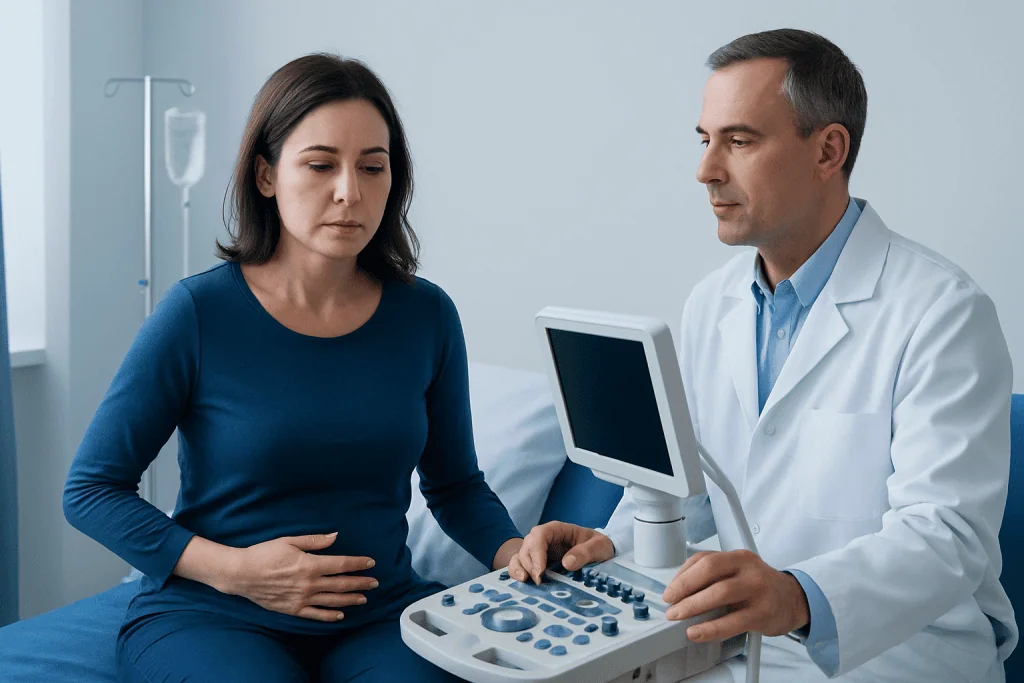
Symptoms of colitis can range from mild to severe. Many people notice diarrhea, which may happen several times a day and may contain mucus or blood. Cramping abdominal pain, bloating, bowel urgency, and a feeling of incomplete emptying are also common.
Inflammation in the colon can affect the whole body as well as the digestive tract. Some people develop fatigue, loss of appetite, nausea, mild fever, or unintentional weight loss. Symptoms may appear suddenly, as with infectious colitis, or gradually, as with chronic inflammatory conditions.
The pattern of symptoms can offer clues, but symptoms alone do not show the exact cause. For example, blood in the stool may occur in inflammatory bowel disease, ischemic colitis, infection, or other intestinal disorders. Medical assessment is important, especially if symptoms are persistent or worsening.
- Diarrhea, sometimes with blood or mucus
- Abdominal pain or cramping
- Urgent need to have a bowel movement
- Bloating or abdominal tenderness
- Fatigue and reduced appetite
- Fever, nausea, or weight loss in some cases
Causes and risk factors

There are several major types of colitis. Infectious colitis is caused by bacteria, viruses, or parasites that inflame the colon. Ischemic colitis happens when blood flow to part of the colon is reduced, which is more likely in older adults or people with vascular disease. Microscopic colitis is a condition diagnosed by tissue samples under a microscope and often causes ongoing watery diarrhea.
Another important group is inflammatory bowel disease, which includes ulcerative colitis and Crohn’s disease. In these conditions, the immune system reacts in a way that causes ongoing inflammation in the digestive tract. Radiation colitis can develop after radiation therapy to the pelvis or abdomen, and some medications can also irritate the bowel or contribute to inflammation.
Risk factors depend on the cause. Recent travel, contaminated food or water, and contact with someone who is ill can raise the chance of infectious colitis. Older age, dehydration, smoking, cardiovascular disease, or certain medications may increase the risk of ischemic colitis. A family history of inflammatory bowel disease, smoking status, and immune-related factors can influence the risk of chronic inflammatory forms of colitis.
Because the causes overlap, self-diagnosis can be misleading. A person with diarrhea and cramping may have a simple infection, but similar symptoms can also signal a more complex condition that needs targeted treatment.
How colitis is diagnosed
Diagnosis begins with a medical history and physical examination. A doctor will usually ask when the symptoms started, whether blood is present in the stool, how often bowel movements occur, and whether there has been recent travel, new medication use, weight loss, fever, or past digestive disease. These details help narrow the possible causes.
Laboratory tests often include blood work and stool tests. Blood tests may look for anemia, signs of inflammation, or dehydration. Stool tests can help identify infections and may also check for markers of bowel inflammation. These tests are especially helpful when symptoms begin suddenly or after antibiotic use, travel, or a suspected foodborne illness.
When symptoms are ongoing, severe, or unclear, doctors may use imaging or endoscopy. A CT scan can help assess complications or look for patterns of bowel inflammation. A colonoscopy allows direct examination of the colon and enables tissue sampling. This is especially important when considering conditions such as Crohn’s disease, microscopic colitis, or ulcerative colitis.
Diagnosis matters because treatments differ widely. For example, some infectious causes improve with supportive care alone, while immune-related inflammation may need anti-inflammatory or immune-modifying treatment. A colonoscopy may also be part of a broader colonoscopy evaluation when bleeding, persistent diarrhea, or concern for inflammatory bowel disease is present.
Treatment options for colitis
Colitis treatment depends on the cause, the severity of symptoms, and whether complications are present. In many mild cases, supportive care is important first. This may include rest, hydration, and temporary diet adjustments to reduce irritation while the bowel recovers. If symptoms are significant, doctors may recommend hospital treatment for fluids, monitoring, and more urgent evaluation.
When infection is the cause, treatment may focus on replacing fluids and electrolytes. Some infections require antibiotics, but not all do, so treatment should be guided by testing and medical advice. For medication-related colitis, the prescribing doctor may adjust or stop the medicine when appropriate.
Inflammatory forms of colitis may need medicines that reduce bowel inflammation or regulate immune activity. These can include anti-inflammatory drugs, corticosteroids, immunomodulators, or biologic therapies, depending on the diagnosis and severity. For people with chronic symptoms or difficult-to-control disease, specialist gastroenterology care can help coordinate long-term treatment and monitoring.
Surgery is not needed for most people with colitis, but it can be important in selected situations. These may include severe complications, blocked or damaged bowel, uncontrolled bleeding, or disease that does not respond to medical treatment. In some cases, doctors may evaluate whether colectomy or another surgical approach is appropriate.
Living with colitis: self-care and prevention
Self-care can support recovery, although it should not replace medical evaluation when symptoms are severe or persistent. During a flare of diarrhea or cramping, many people do better with plenty of fluids and simple, easy-to-digest foods. It can help to avoid alcohol, very fatty meals, or foods that seem to worsen symptoms until the bowel settles.
Prevention depends on the type of colitis. Good hand hygiene, safe food preparation, and caution with untreated water can lower the risk of infectious colitis. Taking antibiotics only when prescribed and exactly as directed may also reduce some treatment-related bowel problems.
For people with chronic inflammatory forms of colitis, prevention focuses more on reducing flares and monitoring for complications. This often means taking medicines as prescribed, keeping follow-up appointments, and discussing changes in symptoms early. It may also involve periodic endoscopic monitoring based on the diagnosis and the doctor’s recommendations.
No single diet prevents all forms of colitis. However, keeping a symptom diary can be useful, especially when symptoms are recurrent. This can help identify patterns related to stress, foods, travel, medications, or flare timing and provide helpful information during medical appointments.
When to seek medical care
Medical care is important if diarrhea lasts more than a few days, keeps coming back, or is associated with blood in the stool. A doctor should also assess persistent abdominal pain, unexplained weight loss, fever, or symptoms that interfere with eating, drinking, or daily activities. These features can signal significant bowel inflammation or another condition that needs treatment.
Urgent medical attention is needed for severe abdominal pain, fainting, signs of dehydration, confusion, repeated vomiting, or heavy rectal bleeding. Dehydration may cause dizziness, extreme thirst, very dark urine, or reduced urination. These symptoms should not be ignored.
People who are older, pregnant, immunocompromised, or living with chronic digestive disease may need earlier evaluation, even with symptoms that seem mild at first. A tailored plan is especially important when there is a history of inflammatory bowel disease or recent hospitalization.
For patients seeking coordinated care, Acibadem International’s multidisciplinary specialists and JCI-accredited hospitals evaluate and treat digestive conditions, including colitis, for international patients. The most appropriate next step is a qualified medical assessment to identify the cause and guide treatment safely.
Frequently asked questions
Is colitis the same as ulcerative colitis?
No. Colitis is a general term that means inflammation of the colon, while ulcerative colitis is one specific type of colitis. Other types include infectious colitis, ischemic colitis, microscopic colitis, and medication-related colitis.
Can colitis go away on its own?
Some cases can improve on their own, especially mild infectious or short-term irritation of the colon. However, ongoing symptoms, blood in the stool, fever, or dehydration should be assessed by a doctor because some causes need specific treatment.
What foods should be avoided with colitis?
There is no single diet that applies to every person with colitis. During active symptoms, some people find that greasy foods, alcohol, spicy meals, or high-fiber foods worsen discomfort, but dietary triggers vary and should be discussed with a healthcare professional.
Is colitis contagious?
Only some forms are contagious. Infectious colitis caused by certain bacteria, viruses, or parasites can spread, but inflammatory bowel disease and ischemic colitis are not contagious.
How long does colitis last?
The duration depends on the cause. Infectious colitis may last days to a couple of weeks, while chronic inflammatory forms can cause repeated flares over months or years and often need ongoing management.
Can stress cause colitis?
Stress is not considered a direct cause of most forms of colitis. However, stress can affect digestion and may worsen symptoms or flare patterns in some people who already have underlying bowel disease.
References
- National Institute of Diabetes and Digestive and Kidney Diseases
- American College of Gastroenterology
- Mayo Clinic
- National Health Service
- Crohn's & Colitis Foundation
This article is for general information only and is not a substitute for professional medical advice. Please consult a qualified doctor about your individual situation.
Persistent digestive symptoms? Get evaluated in Turkey
JCI-accredited · board-certified surgeons · reply within 24h
Add us as a Preferred Source to see more of our trusted health content across Google Search, AI Overviews and Discover.