Chromosome: What Patients Need to Know
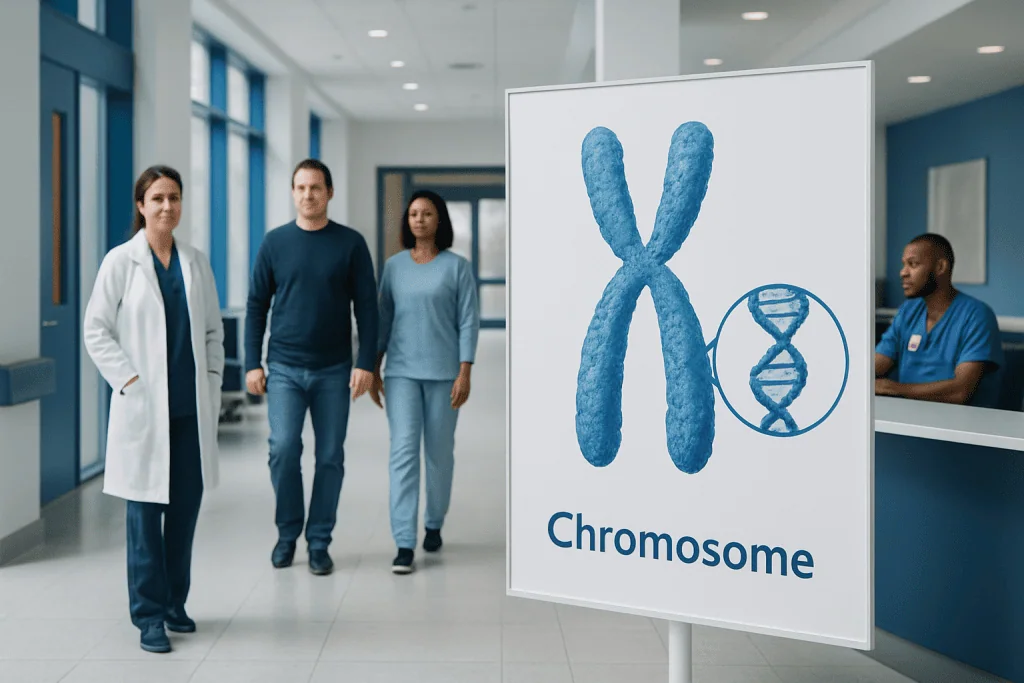
Chromosomes are structures inside cells that organize DNA and carry genes. Most people have 46 chromosomes, arranged in 23 pairs.
Key Takeaways
- Chromosomes are structures inside cells that organize DNA and carry genes.
- Most people have 46 chromosomes, arranged in 23 pairs.
- Chromosome changes may be inherited or happen by chance during cell division.
- Some chromosome differences cause no symptoms, while others affect growth, learning, fertility, or organ function.
- Doctors use family history, physical examination, and genetic tests to diagnose chromosome-related conditions.
- Genetic counseling can help patients understand test results, risks, and next steps.
A chromosome is a tightly organized package of DNA and proteins found in the body’s cells. Chromosomes carry genes, so changes in chromosome number or structure can influence development, fertility, and overall health.
Overview: what a chromosome is
A chromosome is a thread-like structure inside the nucleus of most cells. It is made of DNA wrapped around proteins, which helps the body store and organize genetic information. Genes sit on chromosomes, and these genes act as instructions for how the body grows, develops, and functions.
People usually have 46 chromosomes in most cells, arranged in 23 pairs. One chromosome in each pair comes from the mother and the other from the father. Twenty-two pairs are called autosomes, and one pair is called the sex chromosomes, which are typically XX or XY.
Chromosomes are easiest to see when a cell is dividing. During this process, DNA condenses into a compact form so it can be copied and passed on accurately. This is important because even small errors in chromosome number or structure may affect health.
How chromosomes, genes, and DNA are connected

DNA is the body’s genetic material. A gene is a segment of DNA that contains instructions for making proteins or guiding important cell processes. A chromosome is the larger package that holds many genes together in a stable, organized way.
It can help to think of DNA as the language of genetic information, genes as specific messages written in that language, and chromosomes as the volumes that store many messages in order. This structure allows cells to copy and distribute genetic material efficiently.
Because chromosomes contain many genes, a change in one chromosome can affect multiple body systems at the same time. That is why chromosome abnormalities may be linked to developmental differences, congenital conditions, infertility, or repeated pregnancy loss. In some situations, broader evaluation may be needed alongside genetic disease assessment.
What can go wrong with chromosomes
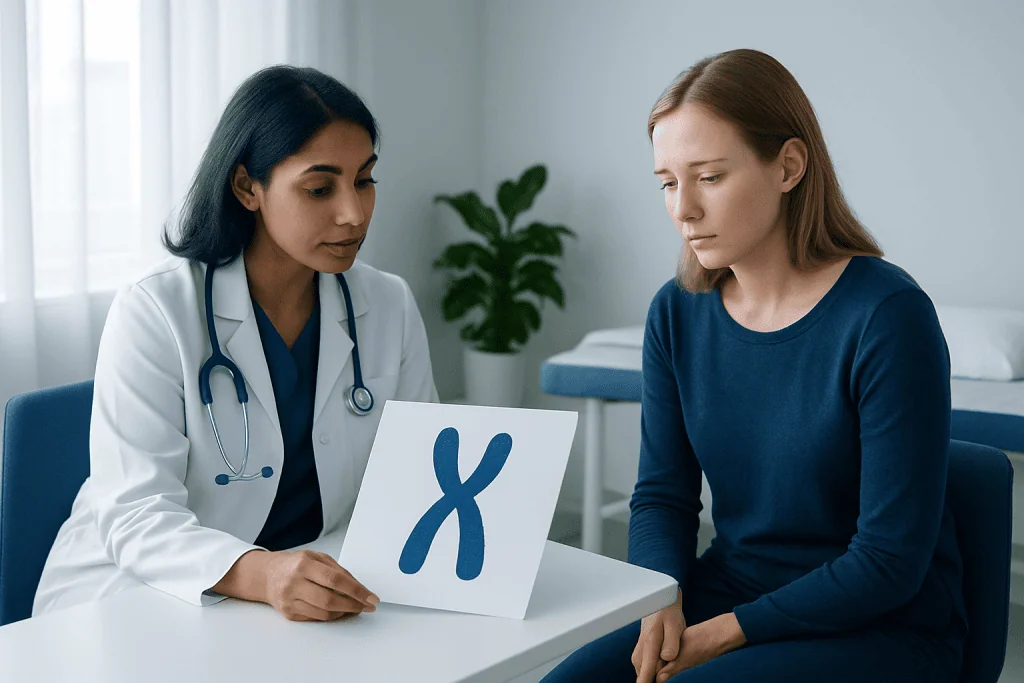
Chromosome changes are generally grouped into two broad types: changes in number and changes in structure. A change in number means there are extra or missing chromosomes. A change in structure means part of a chromosome is deleted, duplicated, rearranged, or attached to another chromosome.
Examples of numerical changes include trisomy, where there is an extra chromosome, and monosomy, where one is missing. Structural changes can include deletions, duplications, inversions, ring chromosomes, and translocations. These changes may involve a large chromosome segment or a very small one.
Not every chromosome difference causes illness. Some are so small that they have little or no effect, while others can lead to clear medical problems. The impact depends on which chromosome is involved, how large the change is, and whether important genes are affected.
- Numerical changes: extra or missing chromosomes
- Structural changes: deletion, duplication, inversion, translocation, or ring formation
- Mosaicism: some cells carry a chromosome change while others do not
- Inherited or new changes: chromosome differences may be passed through families or arise spontaneously
Possible signs and health effects
Chromosome abnormalities can affect people in very different ways. Some individuals have no obvious symptoms and only learn about a chromosome change during fertility evaluation or prenatal testing. Others may have symptoms from infancy or childhood, including developmental delay, learning differences, unusual growth patterns, or congenital anomalies.
In adults, chromosome-related issues may come to attention because of infertility, repeated miscarriages, delayed puberty, or unexplained medical findings. Some conditions also affect the heart, kidneys, blood, or nervous system. The pattern depends on the specific chromosome involved.
Common concerns that may prompt medical evaluation include:
- Developmental delay or intellectual disability
- Birth defects or differences in physical features
- Poor growth or short stature
- Delayed puberty or reproductive problems
- Infertility or recurrent pregnancy loss
- Abnormal prenatal screening or ultrasound findings
It is important to remember that symptoms alone cannot confirm a chromosome disorder. Many non-genetic conditions can cause similar signs, so proper testing is essential for an accurate diagnosis.
Why chromosome changes happen and who may be at risk
Many chromosome changes happen by chance when eggs, sperm, or early embryonic cells divide. This means a person or parent usually did nothing to cause the change. In other cases, a chromosome rearrangement can be inherited from a parent who is healthy but carries a balanced change.
Some risk factors are known, but they do not explain every case. Advanced maternal age is linked with a higher chance of certain chromosome number changes. A personal or family history of chromosome abnormalities, infertility, or recurrent miscarriage may also raise the likelihood of finding a chromosome-related issue.
Certain chromosome changes are associated with well-known conditions such as Down syndrome. Others may be much rarer and require specialist evaluation to understand their significance. Genetic counseling is often helpful before and after testing, especially for family planning decisions.
How doctors diagnose chromosome abnormalities
Diagnosis usually begins with a medical history, family history, and physical examination. The doctor looks for clues such as developmental milestones, congenital findings, fertility concerns, or pregnancy history. If a chromosome disorder is suspected, genetic testing may be recommended.
Several tests can be used depending on the clinical question. A karyotype can show the overall number and large structural changes in chromosomes. Chromosomal microarray can identify smaller deletions or duplications. Other tests, such as fluorescence in situ hybridization and targeted molecular testing, may be used in specific situations.
Testing may be performed before pregnancy, during pregnancy, or after birth. Prenatal evaluation can include screening blood tests, ultrasound, and diagnostic procedures when appropriate. Imaging and laboratory work may also be used to check for related effects in the heart, brain, or other organs. In some cases, doctors may recommend genetic testing as part of a broader diagnostic plan.
Results are interpreted carefully because some findings are clearly harmful, some are benign, and some are uncertain. When uncertainty exists, follow-up testing of parents or additional specialist review may help clarify what the result means for health and family members.
Treatment, support, and long-term care
There is no single treatment that changes an entire chromosome pattern in the body. Instead, care focuses on the effects of the chromosome condition and the person’s individual needs. This may include developmental support, hormone treatment, fertility care, surgery for structural problems, or monitoring of organs such as the heart and kidneys.
Because chromosome disorders can affect more than one system, care is often provided by a multidisciplinary team. Depending on the diagnosis, this team may include pediatricians, geneticists, obstetricians, fertility specialists, neurologists, cardiologists, endocrinologists, and therapists. Early intervention and regular follow-up can improve quality of life and daily function.
For people facing fertility concerns or inherited chromosome rearrangements, reproductive guidance can be an important part of care. Some patients may benefit from IVF with advanced embryo testing, while others may need specialist support for pregnancy planning. If a chromosome change is linked to a blood or bone marrow disorder, a doctor may also discuss treatments such as bone marrow transplant in very specific cases.
Near the end of the diagnostic journey, many patients also benefit from practical counseling about school support, rehabilitation, emotional wellbeing, and family communication. Acibadem International’s multidisciplinary specialists and JCI-accredited hospitals diagnose and treat chromosome-related conditions for international patients when advanced evaluation is needed.
Prevention, self-care, and when to seek medical care
Most chromosome abnormalities cannot be prevented because they often occur randomly. However, informed planning can still be valuable. People with a family history of genetic conditions, recurrent miscarriages, infertility, or a previous child with a chromosome disorder may wish to seek preconception counseling before trying to conceive.
Self-care after diagnosis focuses on keeping up with appointments, recommended screenings, and supportive therapies. Families can help by keeping organized records, asking for clear explanations of test results, and seeking educational or developmental services early when needed. Emotional support is also important, as genetic findings can bring uncertainty or stress.
Medical care should be sought if there are signs such as unexplained developmental delay, congenital anomalies, repeated pregnancy loss, infertility, abnormal prenatal screening, or a strong family history of chromosome-related conditions. Pregnant patients should contact a qualified doctor promptly if prenatal tests suggest a possible chromosome abnormality, so that further counseling and diagnostic options can be discussed safely and clearly.
Frequently asked questions
What is a chromosome in simple terms?
A chromosome is a package of DNA and proteins found in cells. It carries many genes, which provide instructions for how the body grows, develops, and works.
How many chromosomes do humans usually have?
Most people have 46 chromosomes in most body cells. These are arranged in 23 pairs, with one chromosome in each pair inherited from each parent.
Are chromosome abnormalities always inherited?
No. Some chromosome abnormalities are inherited, but many happen by chance during the formation of eggs or sperm or early in development. This means families often did nothing to cause the change.
Can someone have a chromosome abnormality and not know it?
Yes. Some chromosome changes cause no clear symptoms and may only be found during fertility testing, prenatal evaluation, or testing for another reason. Others cause noticeable health or developmental concerns earlier in life.
How are chromosome problems diagnosed?
Doctors use the medical history, family history, physical examination, and genetic tests. Common tests include karyotyping, chromosomal microarray, and other specialized studies depending on the situation.
Can chromosome disorders be treated?
The chromosome pattern itself usually cannot be changed, but many related health issues can be treated or managed. Care may include therapies, medications, surgery, educational support, fertility care, and regular monitoring.
This article is for general information only and is not a substitute for professional medical advice. Please consult a qualified doctor about your individual situation.
IVF & fertility treatment in Turkey — success rates and costs
JCI-accredited · board-certified surgeons · reply within 24h
Add us as a Preferred Source to see more of our trusted health content across Google Search, AI Overviews and Discover.

More from the Health Library

Blood Clots in Cycle: An Evidence-Based Guide for Patients

Banana — Explained by Medical Evidence, Not Myths

Brewers Yeast: An Evidence-Based Guide for Patients

Iugr Baby: What Patients Need to Know

Marionette Lines: An Evidence-Based Guide for Patients