Anti Aging Products: What Patients Need to Know

Anti aging products can support healthier-looking skin, but results are usually gradual and modest. Sunscreen is one of the most important anti aging products because UV exposure is a major cause of premature skin aging.
Key Takeaways
- Anti aging products can support healthier-looking skin, but results are usually gradual and modest.
- Sunscreen is one of the most important anti aging products because UV exposure is a major cause of premature skin aging.
- Ingredients such as retinoids, vitamin C, niacinamide, peptides, and moisturizers have the strongest everyday role in skin care.
- More products are not always better; overuse can irritate the skin and worsen sensitivity.
- A dermatologist can help if over-the-counter products are not working or if skin changes may reflect a medical condition.
Anti aging products may improve the appearance of fine lines, uneven tone, dryness, and rough texture, but they do not stop aging or work the same for everyone. Patients benefit most from products with proven ingredients, realistic expectations, and medical advice when skin changes are persistent, sudden, or severe.
Overview: What anti aging products really do
Anti aging products are skin care products designed to reduce visible signs of skin aging, such as fine lines, uneven pigmentation, dryness, loss of firmness, and rough texture. They can improve how the skin looks and feels, especially when used consistently over time, but they do not reverse aging completely or produce the same results as medical procedures. Their main value is supporting the skin barrier, protecting against environmental damage, and encouraging healthier skin renewal.
Patients often see the term “anti aging” used broadly, sometimes in ways that are more cosmetic than medical. In practice, the most useful anti aging products are those with ingredients supported by evidence, such as sunscreen, retinoids, antioxidants, and barrier-repairing moisturizers. Product choice should match a person’s age, skin type, goals, and any underlying skin conditions rather than trends or marketing claims.
Skin aging is influenced by both intrinsic and extrinsic factors. Intrinsic aging reflects the natural changes that occur with time, including slower cell turnover and lower collagen production. Extrinsic aging is driven by outside factors such as sun exposure, smoking, pollution, poor sleep, and repeated irritation. This is why a simple, protective routine can often be more helpful than a large number of expensive products.
Common signs of skin aging
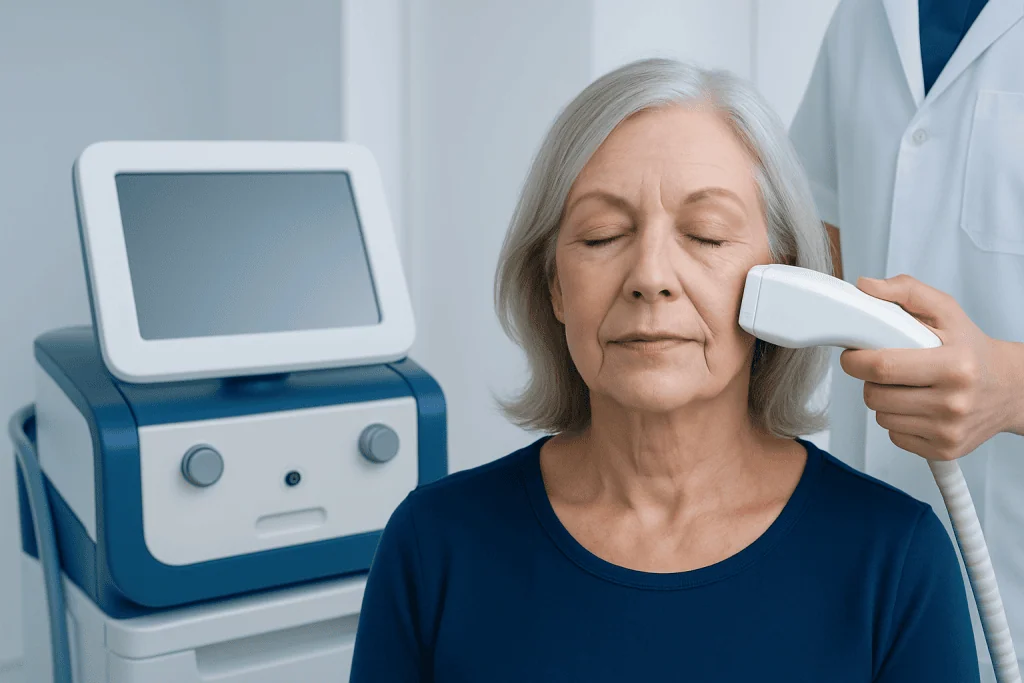
The signs that lead people to consider anti aging products are usually gradual. Fine lines around the eyes and mouth, drier skin, dullness, and uneven texture are among the earliest changes. Over time, some people also notice enlarged pores, uneven tone, dark spots from sun exposure, and reduced elasticity. These changes are common and do not always indicate disease.
Skin aging does not look the same in every patient. Skin tone, genetics, hormone changes, climate, and daily habits all affect the pattern of aging. For example, some people develop more pigmentation changes, while others are more bothered by dryness or sagging. People with sensitive skin may also notice redness or stinging when they start active ingredients too quickly.
It is important to distinguish ordinary aging from conditions that may need medical attention. Persistent redness, new growths, sores that do not heal, rapidly changing moles, thick scaling, or sudden widespread pigmentation changes should not be treated as simple cosmetic concerns. In some cases, a dermatologist may evaluate whether there is a skin disorder such as skin cancer or chronic inflammatory disease affecting the skin.
How anti aging products work
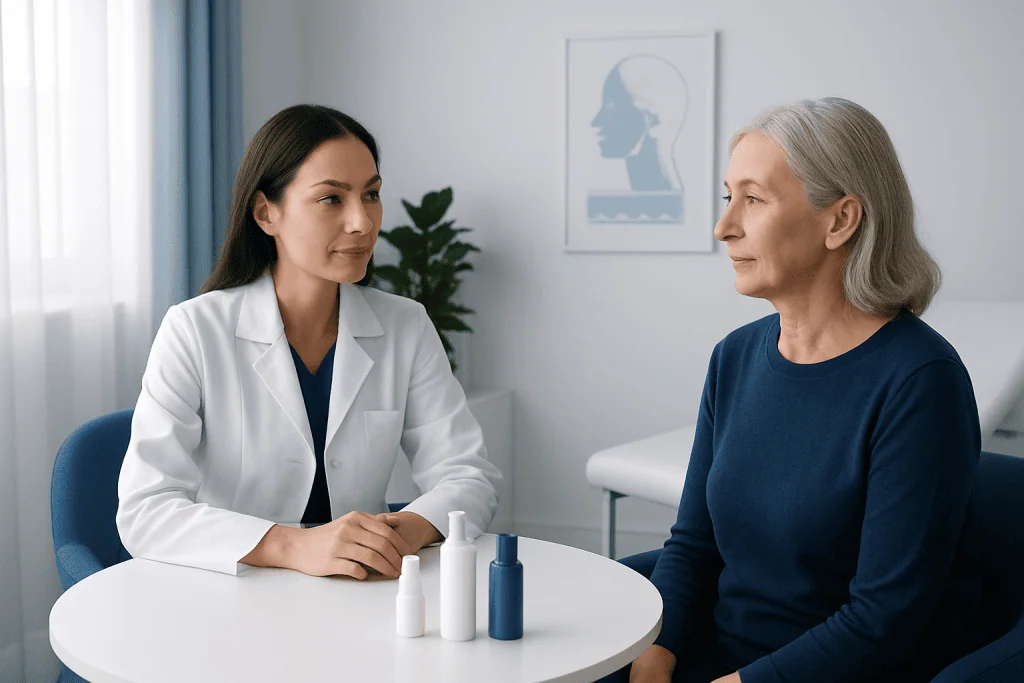
Anti aging products usually work through one or more mechanisms: protecting skin from damage, improving hydration, increasing cell turnover, or helping the skin appear smoother and more even. Sunscreen protects collagen and elastin by reducing ultraviolet damage. Moisturizers reduce water loss and can quickly make skin look plumper and less rough. Active ingredients such as retinoids and alpha hydroxy acids promote exfoliation and renewal, which may soften fine lines and improve texture over time.
Several ingredient groups are commonly used in evidence-based skin care:
- Sunscreens: broad-spectrum protection helps prevent premature aging and dark spots.
- Retinoids: support cell turnover and may improve fine lines, acne, and texture.
- Vitamin C: an antioxidant that can brighten the skin and help with discoloration.
- Niacinamide: may improve barrier function, redness, and uneven tone.
- Hyaluronic acid and ceramides: help hydrate and support the skin barrier.
- Peptides: are included in some formulations aimed at improving firmness, though results can vary.
Results are usually gradual. Moisturizers may make the skin feel better within days, but improvements in texture or pigmentation often take weeks to months. Stronger changes in wrinkles, scars, or significant sun damage may require professional care such as dermatology evaluation and treatment or, for selected patients, procedures like laser treatment when a specialist considers them appropriate.
Choosing anti aging products safely and effectively
The best anti aging products are not necessarily the most complex. A patient-friendly approach usually begins with three essentials: a gentle cleanser, a moisturizer suited to the skin type, and a daily broad-spectrum sunscreen. From there, one active ingredient can be added based on the main concern, such as retinol for fine lines or vitamin C for uneven tone. Introducing too many products at once makes it harder to know what is helping and increases the risk of irritation.
Skin type matters. Dry skin often benefits from richer moisturizers and barrier-support ingredients such as ceramides. Oily or acne-prone skin may do better with lightweight, non-comedogenic formulations. Sensitive skin usually responds best to fragrance-free products and slower introduction of active ingredients. Patients with eczema, rosacea, or a history of allergies should be especially cautious, as some anti aging products can trigger burning, flaking, or redness.
Patch testing can be helpful when starting a new product, especially if the skin is reactive. Applying a small amount to a limited area for several days may identify irritation before a product is used widely. It is also wise to read labels carefully. “Natural,” “clean,” or “medical grade” are marketing terms and do not automatically mean safer or more effective. Ingredient quality, product stability, and suitability for the individual are what matter most.
Possible risks, side effects, and product myths
Even well-known anti aging products can cause side effects. Retinoids and exfoliating acids may lead to dryness, peeling, redness, or stinging, especially if used too often at the start. Fragrance, essential oils, harsh scrubs, and highly concentrated actives can also irritate the skin barrier. When the barrier becomes damaged, the skin may feel tight, flaky, or more sensitive than before.
Another common issue is unrealistic expectations. Over-the-counter products can improve visible signs of aging, but they cannot replicate the effect of every in-office procedure or surgery. Claims such as “erases wrinkles instantly” or “works for all skin types” should be viewed carefully. Durable improvement usually comes from consistent skin protection, good moisturization, and targeted use of proven ingredients rather than quick fixes.
Patients should also know that some “anti aging” concerns may overlap with medical conditions. Acne in adults, persistent redness, hormonal changes, or pigment changes may need diagnosis rather than cosmetic experimentation. In certain situations, a doctor may recommend treatment for related concerns such as acne or discuss options including Botox for selected cosmetic or medical indications after a professional assessment. Any injectable or procedural treatment should be performed only by qualified clinicians.
Daily habits that support better results
Products work best when paired with healthy habits. Daily sunscreen use is one of the most effective ways to prevent premature aging caused by ultraviolet exposure. Protective clothing, shade, and avoiding unnecessary sun exposure during peak hours can further reduce cumulative damage. These steps help preserve results from active ingredients and lower the chance of developing new dark spots and texture changes.
General health also affects the skin. Not smoking, getting enough sleep, staying hydrated, and eating a balanced diet support normal skin function. While no single food prevents aging, overall nutrition contributes to skin repair and resilience. Repeated stress, poor sleep, and smoking can all worsen the visible effects of aging over time.
Consistency is more important than intensity. A routine used regularly for several months is usually more helpful than frequently changing products. Many people do well with a simple morning routine focused on cleansing, antioxidants, moisturizing, and sunscreen, and an evening routine focused on cleansing, moisturizing, and one active product. If irritation develops, reducing frequency and seeking professional advice is often the safest next step.
When to seek medical care
Most anti aging concerns are cosmetic, but some skin changes should be assessed by a doctor rather than self-treated. Medical care is important if a spot changes shape or color, bleeds easily, does not heal, or appears very different from other marks on the skin. A doctor should also evaluate sudden widespread rash, severe irritation from products, persistent redness, or pigmentation changes that are new or rapidly worsening.
Professional advice is also helpful when over-the-counter anti aging products have not improved the skin after consistent use, or when a person is unsure which ingredients are safe for their skin type, pregnancy status, or medical history. A dermatologist can review current products, identify irritants, and suggest a practical treatment plan. Depending on the concern, this may include prescription creams, procedural options, or evaluation for conditions beyond routine skin aging.
For patients seeking coordinated care, Acibadem International’s multidisciplinary specialists and JCI-accredited hospitals diagnose and treat skin concerns for international patients. A medical assessment can be especially useful when cosmetic goals overlap with inflammation, pigmentation disorders, or suspicious lesions.
Frequently asked questions
Do anti aging products really work?
Many anti aging products can help improve dryness, uneven tone, rough texture, and the appearance of fine lines. Results are usually gradual and depend on the ingredients, the person’s skin type, and how consistently the products are used.
What is the most important anti aging product?
For most people, daily broad-spectrum sunscreen is the most important anti aging product. It helps prevent sun-related collagen damage, dark spots, and premature wrinkling, while also supporting the benefits of other skin care products.
At what age should someone start using anti aging products?
There is no single age that fits everyone. Many people begin with sunscreen and moisturizer in early adulthood, then add targeted ingredients like retinoids or antioxidants when fine lines, uneven pigmentation, or texture changes become a concern.
Can anti aging products damage the skin?
They can if they are too strong, used too often, or combined in ways that irritate the skin barrier. Common problems include redness, peeling, dryness, burning, and sensitivity, which is why a simple routine and gradual introduction are often best.
Are expensive anti aging products better than affordable ones?
Not necessarily. A product’s effectiveness depends more on the ingredients, formulation, and suitability for the individual than on price alone. Many affordable products contain well-studied ingredients and can work well when used correctly.
When should someone see a dermatologist instead of trying more products?
A dermatologist should be consulted if the skin is very irritated, if a lesion is changing or not healing, or if routine products are not helping after steady use. Medical advice is also important when there is persistent redness, adult acne, unusual pigmentation, or concern about a suspicious spot.
This article is for general information only and is not a substitute for professional medical advice. Please consult a qualified doctor about your individual situation.
Explore treatments in Turkey — costs, top hospitals & a free quote
JCI-accredited · board-certified surgeons · reply within 24h
Add us as a Preferred Source to see more of our trusted health content across Google Search, AI Overviews and Discover.

More from the Health Library

Astringent Taste: A Complete Medical Overview

Heberden’s Nodes: An Evidence-Based Guide for Patients

Bleeding in Tonsils: An Evidence-Based Guide for Patients

Broken 5th Metacarpal Foot: A Complete Medical Overview

Brachial Plexus — Explained by Medical Evidence, Not Myths