Calves — Explained by Medical Evidence, Not Myths

The calves are made mainly of the gastrocnemius and soleus muscles, which work together for movement and stability. Common calf complaints include pain, tightness, cramps, swelling, weakness, and tenderness after exercise or injury.
Key Takeaways
- The calves are made mainly of the gastrocnemius and soleus muscles, which work together for movement and stability.
- Common calf complaints include pain, tightness, cramps, swelling, weakness, and tenderness after exercise or injury.
- Many calf problems improve with rest and gradual recovery, but sudden swelling, redness, severe pain, or shortness of breath need urgent assessment.
- Doctors evaluate calf symptoms with a physical exam and may use ultrasound or other imaging when a blood clot, tendon injury, or tear is suspected.
- Prevention focuses on conditioning, hydration, warm-up, proper footwear, and managing health conditions that affect nerves or circulation.
Calves are the strong muscles at the back of the lower legs that help with walking, standing, running, and balance. Most calf symptoms are linked to muscle strain or overuse, but some can point to circulation, nerve, or tendon problems that need medical attention.
Overview: what the calves do and why they matter
The calves are the rounded muscles at the back of the lower leg, extending from below the knee to the heel. In everyday language, “calves” usually refers to this whole area, but medically it mainly includes two key muscles: the gastrocnemius and the soleus. These muscles join the Achilles tendon and help lift the heel, push the body forward, and support balance.
Because the calves work almost constantly during standing, walking, stair climbing, and exercise, they are prone to fatigue and strain. Symptoms in this area are common and often come from overuse, minor injury, or muscle cramping. In many cases, calf discomfort improves with rest and time.
However, not every calf symptom is simply a pulled muscle. Pain, swelling, tightness, or heaviness can also relate to poor circulation, nerve irritation, tendon injury, or inflammation. A careful medical assessment is important when symptoms are severe, sudden, one-sided, or persistent.
Common calf symptoms and what they may mean
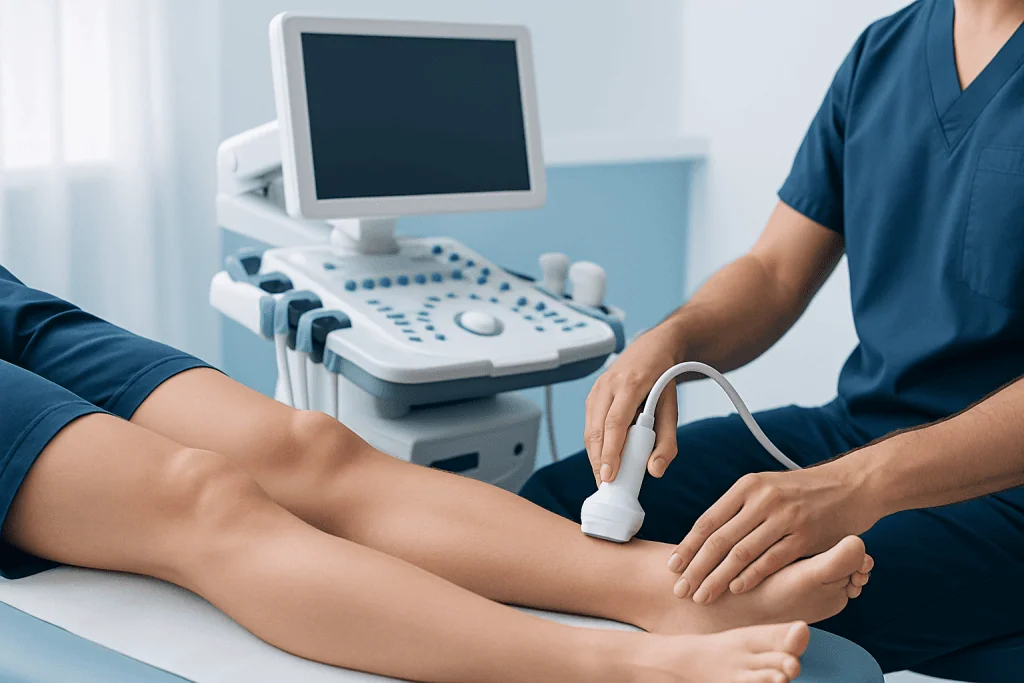
People describe calf symptoms in different ways. Some notice a dull ache after exercise, while others feel a sharp pain during a sudden movement such as sprinting, jumping, or quickly changing direction. Tightness, tenderness, bruising, weakness, and cramping are also common.
A muscle strain often causes pain that worsens when pushing off the foot or stretching the ankle upward. Cramping may feel like a sudden knotting or hardening of the muscle, especially at night or after exercise. Swelling may develop after an injury, but it can also suggest fluid buildup, inflammation, or a problem with blood flow.
Some symptoms deserve closer attention because they may reflect something other than a routine muscle problem. These include one calf becoming more swollen than the other, warmth or redness in the skin, pain at rest, numbness, or symptoms that spread into the foot or knee. In some cases, a calf complaint may overlap with conditions such as varicose veins or a tendon problem involving the back of the ankle.
- Pain during walking or sports may suggest strain or overuse.
- Sudden cramping may be linked to dehydration, fatigue, or electrolyte imbalance.
- Swelling, warmth, or redness may point to inflammation or a circulation problem.
- Weakness or difficulty pushing off the foot may suggest a more significant muscle or tendon injury.
Causes and risk factors behind calf problems

The most common causes of calf symptoms are muscle strain and overuse. These often happen after increased training, hill walking, running, sports with sudden starts and stops, or returning to activity too quickly after a break. Tight muscles, poor conditioning, and inadequate warm-up can increase risk.
Calf cramps may occur during exercise, at night, or during periods of prolonged standing. They can be associated with dehydration, muscle fatigue, pregnancy, or certain medicines, although sometimes no clear cause is found. Repeated cramps may also occur in people with circulation disorders, nerve conditions, or metabolic problems.
Other important causes include Achilles tendon irritation, referred pain from the lower back, inflammation of nearby tissues, and blood vessel problems. A blood clot in the deep veins of the leg is less common than muscle strain, but it is important because it can be serious. Risk factors for this include recent surgery, long travel, limited movement, smoking, cancer, pregnancy, and some hormone medicines.
Age, footwear, body mechanics, and underlying health conditions also play a role. Diabetes, peripheral artery disease, vein disease, and nerve disorders can all contribute to calf discomfort or weakness. When symptoms come with walking-related heaviness or aching that improves with rest, a doctor may also consider circulation-related conditions such as peripheral artery disease.
How doctors diagnose calf symptoms
Diagnosis begins with a detailed history and physical examination. A doctor asks when the pain started, whether there was an injury, where the discomfort is located, and what makes it better or worse. They may also ask about recent travel, surgery, exercise changes, medicines, and any history of blood clots or vascular disease.
During the examination, the clinician checks for swelling, tenderness, bruising, warmth, skin changes, range of motion, strength, and the ability to walk or stand on tiptoe. These findings can help distinguish a strain from tendon injury, a nerve problem, or a circulation issue.
Imaging or tests are used when symptoms are unclear, severe, or suggest a more serious cause. Ultrasound is commonly used when a blood clot is a concern or when soft tissues need evaluation. In selected cases, magnetic resonance imaging may help assess a muscle tear, while vascular tests may be recommended if blood flow seems reduced. If symptoms involve the tendon, assessment may lead to treatment planning for Achilles tendon surgery in more advanced or ruptured cases.
Treatment options for calf pain, cramps, and swelling
Treatment depends on the cause. For a mild calf strain, the first steps usually include relative rest, avoiding painful activity, applying ice for short periods, gentle compression if advised, and elevating the leg. Once pain begins to settle, gradual stretching and strengthening can help restore function and lower the chance of reinjury.
Calf cramps often improve with hydration, gentle stretching, and correction of possible triggers such as overexertion. Some people benefit from reviewing medicines or underlying medical conditions with a doctor, especially if cramps are frequent. Persistent swelling or pain should not be treated as a simple cramp without proper assessment.
When tendon injury, significant tearing, or long-lasting instability is present, more structured care may be needed. This can include physical therapy, supportive devices, or specialist review. If the problem involves damaged veins or chronic venous symptoms, doctors may evaluate whether options such as varicose veins treatment are appropriate.
If a blood clot is suspected, urgent medical evaluation is essential. Treatment may involve blood-thinning medicines and close follow-up. People should not massage a swollen, painful calf when a clot is possible, because doing so may be unsafe.
Prevention and self-care for healthy calves
Healthy calves benefit from regular conditioning rather than sudden bursts of intense activity. A gradual increase in exercise, especially after time away from sports or long periods of sitting, helps the muscles and tendons adapt safely. Warm-up and cool-down routines can reduce stiffness and improve flexibility.
Supportive footwear matters because shoes influence lower-leg mechanics. Worn-out shoes, poor fit, or footwear that does not suit the activity can increase stress on the calves and Achilles tendon. People who run or train frequently may benefit from guidance on gait, load management, and recovery scheduling.
Hydration, balanced nutrition, and regular movement during long travel or desk work can also help. For those with recurring calf issues, a clinician may recommend strengthening exercises, stretching, weight management, and assessment of circulation or nerve health. People living with vein disease may also need evaluation by specialists in vascular surgery if symptoms are ongoing or progressive.
- Increase exercise gradually rather than suddenly.
- Stretch and strengthen the calves consistently.
- Wear supportive footwear matched to the activity.
- Stay hydrated and take movement breaks during long periods of sitting.
- Seek review for repeated cramps, weakness, or unexplained swelling.
When to seek medical care
Many calf symptoms improve within days to a few weeks, especially when related to minor strain or overuse. Medical advice is important if pain is severe, keeps returning, limits walking, or does not improve with simple self-care. Professional assessment is also helpful if there is marked bruising, a popping sensation, or loss of strength.
Urgent care is needed for sudden one-sided calf swelling, redness, warmth, or tenderness, especially after travel, surgery, or prolonged immobility. Immediate emergency help is needed if calf symptoms occur with chest pain, shortness of breath, or coughing blood, as these may suggest a blood clot complication.
It is also sensible to seek review for calf pain associated with numbness, coldness of the foot, color changes, fever, or skin ulcers. Near the end of the care pathway, patients who need specialist evaluation may be seen by multidisciplinary teams; Acibadem International’s JCI-accredited hospitals diagnose and treat calf-related muscle, tendon, and vascular conditions for international patients.
Frequently asked questions
What are the calves in the human body?
The calves are the muscles at the back of the lower legs. They are mainly formed by the gastrocnemius and soleus muscles, which help with walking, standing, climbing stairs, and pushing off the ground.
Why do calves hurt after exercise?
Calves often hurt after exercise because of muscle fatigue, overuse, or a mild strain. This is more likely after running, jumping, hill work, or a sudden increase in activity, especially if warm-up and recovery were limited.
Are calf cramps dangerous?
Most calf cramps are not dangerous and are linked to fatigue, dehydration, or muscle overload. However, repeated cramps, severe pain, or cramps with swelling, weakness, or numbness should be assessed by a doctor.
How can someone tell the difference between a calf strain and a blood clot?
A calf strain often follows a clear physical activity or sudden movement and usually hurts more when the muscle is used. A blood clot may cause one-sided swelling, warmth, tenderness, or redness, and sometimes happens after travel, surgery, or long periods without movement. Because the symptoms can overlap, prompt medical evaluation is important when a clot is possible.
When should swollen calves be checked by a doctor?
Swollen calves should be checked if the swelling is new, one-sided, painful, red, warm, or keeps getting worse. Medical review is also important if swelling occurs with shortness of breath, chest pain, fever, or difficulty walking.
What helps calves recover from a mild strain?
A mild strain often improves with relative rest, short periods of ice, leg elevation, and a gradual return to activity. Once pain starts to ease, gentle stretching and strengthening are usually more helpful than complete inactivity for too long.
This article is for general information only and is not a substitute for professional medical advice. Please consult a qualified doctor about your individual situation.
Joint and spine care in Turkey — expert assessment & treatment
JCI-accredited · board-certified surgeons · reply within 24h
Add us as a Preferred Source to see more of our trusted health content across Google Search, AI Overviews and Discover.

More from the Health Library

T Zone — Explained by Medical Evidence, Not Myths

Blood Thinners and Alcohol: An Evidence-Based Guide for Patients
Urachal Cyst: What Patients Need to Know

Pink Lemon: A Complete Medical Overview

Nightshade Allergy — Explained by Medical Evidence, Not Myths