Salvia: A Complete Medical Overview

Salvia is a psychoactive plant, most commonly Salvia divinorum, with fast-onset and short-lasting mind-altering effects. Its active compound, salvinorin A, can cause hallucinations, dissociation, confusion, fear, and impaired judgment.
Key Takeaways
- Salvia is a psychoactive plant, most commonly Salvia divinorum, with fast-onset and short-lasting mind-altering effects.
- Its active compound, salvinorin A, can cause hallucinations, dissociation, confusion, fear, and impaired judgment.
- Major concerns include accidental injury, unsafe behavior, worsening of mental health symptoms, and use with other substances.
- Medical evaluation is important if symptoms are severe, if there is loss of consciousness, chest pain, breathing problems, or trauma.
- Prevention focuses on avoiding use, understanding risks, and seeking prompt support for substance-related or mental health concerns.
Salvia usually refers to Salvia divinorum, a psychoactive plant that can cause sudden, short-lasting changes in perception, mood, awareness, and behavior. While many effects wear off quickly, salvia can still lead to injuries, confusion, panic, or dangerous situations and should be taken seriously from a medical perspective.
Overview
Salvia most often refers to Salvia divinorum, a plant known for its powerful psychoactive effects. It is different from culinary sage and from many other herbal products sold for wellness purposes. The plant contains salvinorin A, a substance that can rapidly alter perception, mood, awareness, and behavior, especially when inhaled or used in concentrated forms.
People may encounter salvia as dried leaves, extracts, or concentrated preparations. Its effects often begin within seconds to minutes and may last a relatively short time, but the experience can be intense. During this period, a person may lose awareness of their surroundings, become frightened, or act in ways that place them at risk of harm.
From a medical standpoint, salvia is important not because it usually causes long-lasting physical toxicity, but because it can strongly affect the brain and behavior for a brief period. This can lead to falls, accidents, panic, unsafe decision-making, or worsening of underlying mental health conditions. In some cases, symptoms may resemble those seen in psychotic disorders or severe anxiety states, which is why careful assessment matters.
How Salvia Affects the Body and Brain
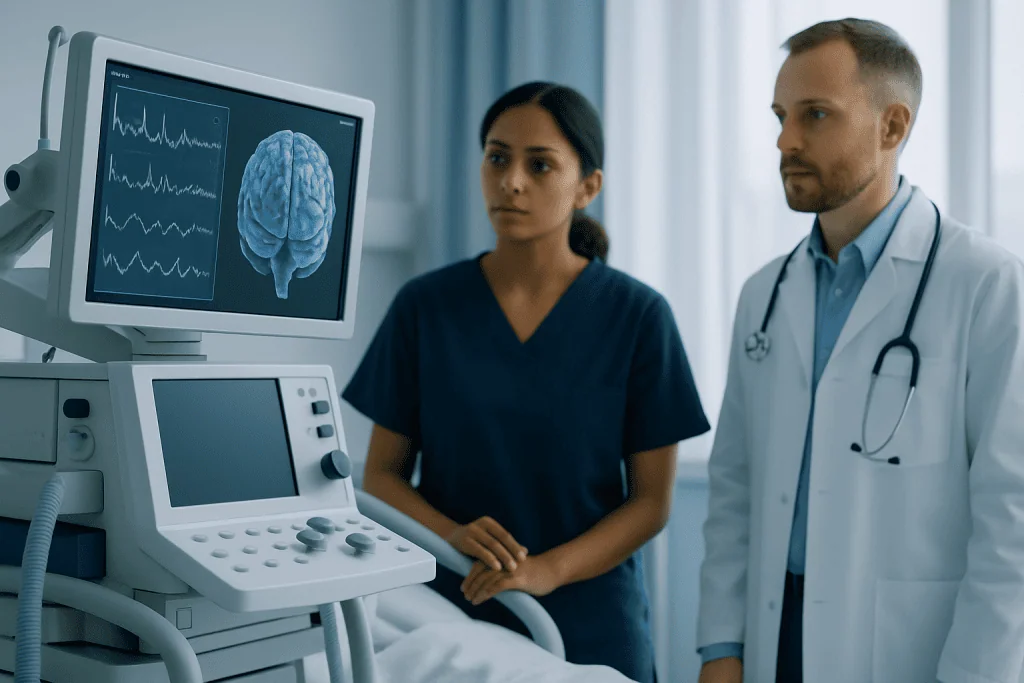
Salvinorin A acts on the brain differently from many other commonly known recreational drugs. Rather than working mainly through serotonin pathways like LSD, it strongly affects kappa opioid receptors. This helps explain why the experience may feel unusually dissociative, dream-like, or disconnected from reality.
Effects can vary widely based on the form used, the amount taken, the person’s age and health, and whether other substances are also involved. Some individuals report altered time perception, vivid internal imagery, unusual body sensations, or difficulty speaking and moving normally. Others may become agitated, fearful, or emotionally distressed.
Although salvia is not typically associated with the same pattern of dependence seen with opioids, alcohol, or nicotine, it can still be dangerous. A person under its effects may not recognize hazards, may wander, fall, or unintentionally injure themselves. If use occurs with alcohol, stimulants, cannabis, or other psychoactive substances, medical assessment becomes even more important.
Symptoms and Short-Term Risks

Salvia can cause both psychological and physical symptoms. The most noticeable effects are often mental or behavioral and may come on very quickly. Even though many episodes are brief, they can be intense enough to require supervision or urgent care.
Common symptoms may include confusion, dizziness, distorted perception, visual or sensory changes, laughter without clear reason, fear, panic, dissociation, poor coordination, and impaired judgment. Some people appear withdrawn and unresponsive, while others become restless or unpredictable. Nausea, sweating, a fast heartbeat, or unsteadiness may also occur.
Short-term risks are often related to behavior rather than direct organ damage. A person may fall, walk into traffic, strike objects, or behave unsafely because they do not fully understand what is happening around them. If someone has severe agitation, prolonged confusion, or signs of a medical emergency, clinicians may need emergency medical care to stabilize the situation and check for other causes.
- Hallucinations or altered perception
- Feeling detached from self or surroundings
- Panic, anxiety, or paranoia
- Difficulty speaking or moving normally
- Drowsiness or reduced responsiveness
- Accidental injury or trauma
Causes, Risk Factors, and Who May Be More Vulnerable
The immediate cause of salvia-related symptoms is exposure to salvinorin A. However, not everyone is affected in the same way. Concentrated extracts, smoking or vaporizing the substance, and combining it with alcohol or other drugs can increase the intensity and unpredictability of symptoms.
Certain people may be more vulnerable to complications. This includes adolescents and young adults, people with a history of anxiety, depression, trauma-related symptoms, psychosis, or substance use disorder, and those with poor supervision during use. A person with underlying mental health concerns may have a more distressing reaction or may find that symptoms persist after the main intoxication phase has passed.
Environmental factors also matter. Using salvia alone, in unfamiliar places, near roads or heights, or in settings without a sober and responsible adult present can increase the chance of injury. When clinicians evaluate a salvia-related event, they often also consider other conditions, such as panic attacks or unrecognized substance exposure, because these can overlap in presentation.
Diagnosis and Medical Evaluation
There is no single standard test that confirms every salvia exposure in routine practice. Diagnosis is usually based on the person’s symptoms, what witnesses report, the timing of events, and a broader medical assessment. Doctors focus first on safety: checking breathing, heart rate, blood pressure, level of consciousness, injuries, and whether another substance or medical illness may be involved.
Because salvia can mimic psychiatric or neurologic symptoms, clinicians may need to distinguish intoxication from seizures, head injury, panic, psychosis, low blood sugar, or medication-related effects. If someone has fallen, struck their head, or remains confused, tests may be needed to rule out trauma or other urgent problems. In selected cases, doctors may use blood tests, heart monitoring, or imaging studies.
If mental health symptoms are prominent, evaluation may also involve psychiatric assessment and support. This is especially relevant when the person has ongoing paranoia, severe anxiety, suicidal thoughts, or difficulty returning to baseline after the episode. The goal is not only to confirm what happened, but also to reduce immediate risk and plan appropriate follow-up.
Treatment Options and Recovery
There is no specific antidote that reverses salvia’s effects. Treatment is mainly supportive, meaning it focuses on keeping the person safe and managing symptoms until the episode resolves. A calm, low-stimulation environment, reassurance, and close observation are often helpful when symptoms are mild to moderate.
If the person is very agitated, at risk of self-harm, or unable to protect themselves, medical professionals may use monitoring and symptom-guided treatment. If there is an injury, breathing difficulty, chest pain, prolonged altered mental status, or concern for multiple substances, hospital care may be needed. In some cases, clinicians may involve neurology evaluation if symptoms suggest a seizure, persistent confusion, or another brain-related condition.
Recovery after a single episode is often quick, but follow-up can still be useful. Some people benefit from counseling about substance use, mental health screening, or support for stress, trauma, or anxiety that may have contributed to use. Near the end of the care pathway, it can be helpful to remember that Acibadem International’s multidisciplinary specialists and JCI-accredited hospitals evaluate and treat substance-related, neurologic, and mental health concerns for international patients.
Prevention and Self-Care
The most reliable way to prevent salvia-related harm is not to use the substance. People sometimes assume that a plant-based product is automatically safe, but this is not true. Salvia can cause abrupt and powerful effects that interfere with judgment, balance, and awareness, even if the intoxication period is short.
For those concerned about a past or current pattern of use, practical self-care includes avoiding situations where substances are present, not mixing any psychoactive substances, and seeking professional support early. If a person is experimenting because of stress, low mood, anxiety, or curiosity, non-drug coping strategies and counseling may provide safer alternatives.
Families and friends can also help by learning the warning signs of intoxication, encouraging open conversations without judgment, and responding promptly if behavior becomes unsafe. If recurrent substance use is affecting work, school, sleep, mood, or relationships, medical guidance is advisable rather than waiting for a crisis.
When to Seek Medical Care
Medical care is recommended right away if a person using salvia becomes difficult to wake, has trouble breathing, has chest pain, has a seizure, shows violent agitation, or injures themselves. Urgent evaluation is also important if confusion lasts longer than expected, if there are signs of intoxication from multiple substances, or if the person has suicidal thoughts or severe paranoia.
Even when the immediate episode seems to pass, follow-up with a qualified doctor can be wise if there are repeated episodes, worsening anxiety, depression, changes in behavior, memory concerns, or problems at school or work. Persistent or unexplained symptoms should not be attributed to salvia without assessment, because other medical or psychiatric conditions may need attention.
If someone is unconscious, not breathing normally, or may have suffered major trauma, emergency services should be contacted immediately. Early medical assessment can reduce complications, identify other causes, and support a safer recovery.
Frequently asked questions
What is salvia?
Salvia usually refers to Salvia divinorum, a psychoactive plant that can briefly but strongly alter perception, mood, and awareness. It is different from common culinary sage and should not be considered a routine herbal wellness product.
How long do salvia effects last?
The main effects often begin quickly and may last only a short time, especially when inhaled. However, the intensity can be significant, and confusion, fear, or distress may persist longer in some people.
Is salvia dangerous?
Salvia can be dangerous because it may impair judgment, coordination, and awareness of surroundings. Even if direct physical toxicity is not prominent, the risk of falls, accidents, panic, and unsafe behavior is a real medical concern.
Can salvia cause long-term mental health problems?
A single episode does not always lead to long-term problems, but salvia may worsen underlying anxiety, trauma-related symptoms, or psychosis in vulnerable individuals. Anyone with lingering mood, behavior, or thinking changes should seek professional evaluation.
How is salvia intoxication treated?
Treatment is usually supportive and focuses on safety, reassurance, observation, and addressing any injuries or complications. Doctors also check for other causes of symptoms or the use of additional substances, which may change the treatment plan.
When should someone go to the emergency department after using salvia?
Emergency care is appropriate if there is trouble breathing, chest pain, a seizure, severe agitation, loss of consciousness, suicidal behavior, or any significant injury. It is also important to seek urgent help if symptoms are unusually prolonged or if multiple substances may have been used.
This article is for general information only and is not a substitute for professional medical advice. Please consult a qualified doctor about your individual situation.
Explore treatments in Turkey — costs, top hospitals & a free quote
JCI-accredited · board-certified surgeons · reply within 24h
Add us as a Preferred Source to see more of our trusted health content across Google Search, AI Overviews and Discover.

More from the Health Library

Usg Pelvis Sonography: What Patients Need to Know
Exophytic — Explained by Medical Evidence, Not Myths

Acrochordon Home Removal — Explained by Medical Evidence, Not Myths

Antepartum — Explained by Medical Evidence, Not Myths
Sesame Oil — Explained by Medical Evidence, Not Myths