Fascia: What Patients Need to Know

Fascia is a body-wide connective tissue network that helps support structure and movement. Healthy fascia normally glides and stretches, but irritation or injury can lead to pain and stiffness.
Key Takeaways
- Fascia is a body-wide connective tissue network that helps support structure and movement.
- Healthy fascia normally glides and stretches, but irritation or injury can lead to pain and stiffness.
- Fascia-related symptoms may overlap with muscle, joint, nerve, or tendon problems, so medical assessment can be important.
- Treatment often focuses on the underlying cause and may include exercise, physical therapy, pain relief, and activity modification.
- Persistent, severe, or unexplained pain should be evaluated by a qualified healthcare professional.
Fascia is a continuous layer of connective tissue that surrounds and supports muscles, bones, nerves, blood vessels, and organs throughout the body. When it becomes irritated, tight, inflamed, or injured, it may contribute to pain, stiffness, tenderness, or reduced movement, but many fascia-related symptoms can improve with proper evaluation and care.
Overview: what fascia is and why it matters
Fascia is a strong, flexible connective tissue that forms a continuous web throughout the body. It wraps around muscles, separates groups of tissues, supports joints, surrounds organs, and helps hold nerves and blood vessels in place. Rather than being one isolated structure, fascia is better understood as an interconnected system that contributes to posture, movement, and stability.
In everyday life, healthy fascia helps tissues slide smoothly against one another. This smooth movement supports normal mobility, whether a person is walking, reaching overhead, bending, or sitting upright. Fascia also contains nerve endings, which means it can be involved in pain when it becomes irritated, inflamed, injured, or abnormally tight.
Patients often hear about fascia in connection with muscle tightness, sports injuries, heel pain, or “myofascial” pain. While these terms are common, fascia itself is not always the only cause of discomfort. Symptoms in the fascia can overlap with problems in muscles, tendons, ligaments, joints, and nerves, so an accurate diagnosis is important before beginning treatment.
How fascia works in the body
Fascia helps the body function as an integrated system. It provides support and shape, helps distribute mechanical forces, and allows movement to be transferred across different body regions. For example, when a person walks or lifts an object, fascia helps coordinate motion between muscles and nearby structures rather than letting each area work alone.
There are different layers and types of fascia. Superficial fascia lies beneath the skin and contains fat, nerves, and blood vessels. Deeper fascia surrounds muscles and muscle groups, while visceral fascia supports internal organs. These layers are designed to glide, stretch, and adapt to movement.
When fascia loses its normal mobility, symptoms can appear. This may happen after overuse, prolonged inactivity, repetitive strain, trauma, surgery, or inflammatory conditions. In some cases, people describe this as a feeling of tight bands, pulling, soreness, or restricted range of motion rather than sharp injury pain.
Possible symptoms of fascia-related problems

Fascia-related symptoms can vary depending on the body area involved and the underlying cause. Some people notice a dull ache or localized tenderness, while others feel stiffness that is worse after rest or after repeated activity. Symptoms may involve muscles, but they can also be felt around joints or along a wider line of tissue.
Common features may include:
- Stiffness or a sensation of tightness
- Tender spots or painful bands in soft tissue
- Pain with movement or after activity
- Reduced flexibility or limited range of motion
- A pulling sensation in the arms, legs, back, neck, or feet
- Discomfort that improves with gentle movement but worsens with overuse
In some people, fascia is discussed as part of myofascial pain syndrome, where trigger points and muscle-related pain are present. In others, fascia may be involved in specific conditions such as plantar fasciitis, which affects the thick fascial band on the sole of the foot. These examples show why symptoms should be interpreted in context rather than assumed to come from fascia alone.
Causes and risk factors
Fascia can become irritated for many reasons. Overuse is one of the most common factors, especially in repetitive work, sports, long periods of standing, or sudden increases in training. Minor injuries, poor movement patterns, prolonged sitting, or muscle weakness can also change how tension is distributed through soft tissues and contribute to discomfort.
Inflammation, scarring, or reduced mobility after surgery or trauma may affect fascial glide. In some cases, pain linked to fascia develops alongside tendon problems, joint disorders, or spinal conditions. Stress and poor sleep may also make pain feel more intense, even when they are not the primary cause of the tissue problem itself.
Risk factors depend on the body region involved but may include:
- Repetitive physical activity or occupational strain
- Sudden changes in exercise intensity
- Poor posture or deconditioning
- Previous injury or surgery
- Foot mechanics, gait issues, or unsupportive footwear
- Underlying inflammatory or musculoskeletal conditions
Because fascia is present everywhere in the body, symptoms can be broad and sometimes confusing. A person’s pain may come from a combination of fascia, muscle, tendon, and joint factors, which is why self-diagnosis can be unreliable.
How doctors diagnose fascia-related conditions
There is no single test that diagnoses all fascia problems. Doctors usually begin with a detailed medical history and physical examination. They ask where the pain is felt, what movements trigger it, how long it has been present, whether there was an injury, and whether numbness, swelling, weakness, fever, or other symptoms are also occurring.
During the examination, a clinician may assess posture, flexibility, strength, gait, tender areas, and joint motion. They may press on specific soft-tissue points to see whether symptoms are reproduced. This helps distinguish possible fascia involvement from nerve compression, tendon inflammation, arthritis, stress injury, or other causes.
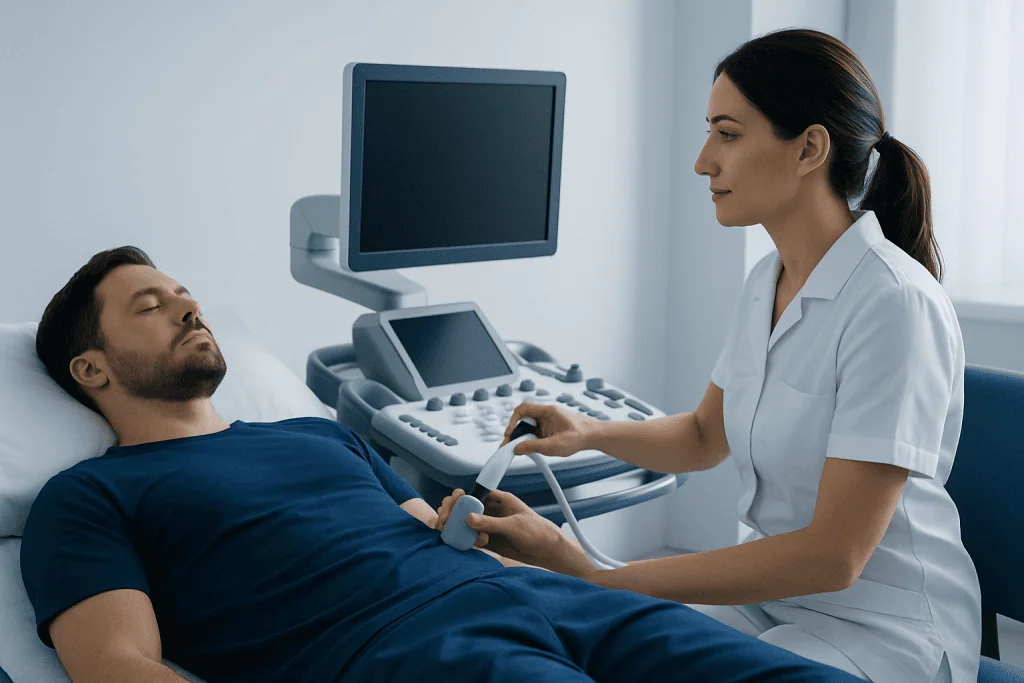
Imaging or other tests are sometimes used when the diagnosis is uncertain or when a more serious condition needs to be ruled out. Ultrasound or MRI may help evaluate soft tissues in selected cases. If symptoms suggest a broader musculoskeletal issue, doctors may recommend physical therapy and rehabilitation as part of both assessment and treatment planning.
Treatment options and recovery
Treatment depends on the cause, location, and severity of symptoms. In many cases, care starts with conservative measures such as activity modification, gentle stretching, targeted exercise, and a gradual return to normal movement. The goal is usually to reduce irritation, restore mobility, and improve the way the surrounding muscles and joints function together.
Physical therapy is often helpful for fascia-related pain. A therapist may use movement assessment, flexibility work, strengthening, posture training, and manual techniques to improve tissue mobility and reduce strain on the affected area. For some patients with persistent pain, structured pain management may be appropriate as part of a broader plan.
Depending on the diagnosis, a doctor may also recommend short-term pain-relieving medicines, supportive footwear, splints, heat or cold therapy, or temporary changes in exercise routines. When symptoms are linked to spinal or joint conditions, treatment may focus more on those underlying issues than on fascia alone. In selected cases of long-lasting musculoskeletal problems, evaluation by orthopedics and traumatology specialists may be needed.
Recovery time varies. Mild overuse-related symptoms may improve within days to weeks, while long-standing pain can take longer and usually responds best to a gradual, consistent plan rather than aggressive treatment. Patients should avoid forcing painful stretches or using unproven therapies without medical advice.
Prevention and self-care
Not all fascia-related discomfort can be prevented, but daily habits can support healthy movement and reduce strain. Regular physical activity, gradual progression in exercise, and avoiding long periods in one position may help tissues stay more mobile. Warm-up before sports and balanced strengthening can also improve how forces are distributed through the body.
Simple self-care measures may include:
- Taking movement breaks during long sitting or standing periods
- Increasing exercise intensity gradually rather than suddenly
- Using supportive footwear when appropriate
- Maintaining flexibility and strength with a balanced routine
- Prioritizing sleep and recovery after physical activity
- Seeking advice early if recurring pain affects normal movement
Hydration, general fitness, and stress management may also support overall musculoskeletal health, although they do not replace targeted treatment when a defined condition is present. People with recurrent or unexplained pain should avoid assuming it is “just tight fascia,” because similar symptoms can come from other medical problems.
Near the end of the care pathway, some patients benefit from multidisciplinary evaluation. Acibadem International’s specialists in JCI-accredited hospitals diagnose and treat musculoskeletal and pain-related conditions for international patients when further assessment is needed.
When to seek medical care
Medical evaluation is appropriate if fascia-related pain lasts more than a few weeks, keeps returning, or interferes with walking, sleeping, work, or daily activities. A doctor should also assess symptoms that do not improve with rest, gentle movement, and basic self-care.
Prompt medical attention is especially important when pain is severe, follows a significant injury, or occurs with numbness, weakness, fever, redness, marked swelling, unexplained weight loss, or loss of bladder or bowel control. These features may point to a condition other than uncomplicated fascia irritation.
Because soft-tissue pain can have many causes, timely assessment can help identify the true source of symptoms and guide safe treatment. Early care may also reduce the chance of long-term movement compensation and persistent pain.
Frequently asked questions
What is fascia in simple terms?
Fascia is a sheet-like connective tissue that forms a network throughout the body. It surrounds and supports muscles, bones, nerves, blood vessels, and organs, helping the body stay structured and move smoothly.
Can fascia cause pain?
Yes, fascia can be involved in pain when it becomes irritated, tight, inflamed, or injured. However, pain in these areas may also come from muscles, joints, tendons, or nerves, so a professional evaluation may be needed.
What does fascia pain feel like?
People often describe fascia-related pain as tightness, stiffness, tenderness, aching, or a pulling sensation. It may be worse after repetitive activity or after staying in one position for a long time.
How is a fascia problem diagnosed?
Diagnosis usually begins with a medical history and physical examination. A doctor looks at movement, strength, tender areas, and other symptoms, and may order imaging if another condition needs to be ruled out.
What helps fascia heal?
Treatment often includes relative rest, gradual return to activity, stretching, strengthening, and physical therapy. The best plan depends on the underlying cause, since fascia-related symptoms are often part of a broader musculoskeletal problem.
Is stretching enough to treat fascia problems?
Not always. Stretching may help some people, but persistent symptoms often need a more complete approach that addresses strength, posture, movement patterns, workload, and any underlying injury or condition.
When should someone see a doctor for fascia pain?
A doctor should be seen if pain is severe, lasts for weeks, keeps coming back, or affects normal daily activities. Urgent assessment is important if symptoms occur with weakness, numbness, fever, swelling, or a major injury.
References
- National Institutes of Health
- American Academy of Orthopaedic Surgeons
- Cleveland Clinic
- Mayo Clinic
- MedlinePlus
This article is for general information only and is not a substitute for professional medical advice. Please consult a qualified doctor about your individual situation.
Joint and spine care in Turkey — expert assessment & treatment
JCI-accredited · board-certified surgeons · reply within 24h
Add us as a Preferred Source to see more of our trusted health content across Google Search, AI Overviews and Discover.

More from the Health Library



Related Specialists

Fzt. Dilek Küçükvardar
Physical Medicine & Rehabilitation
Dt. Yasemin Çakmakçı
Oral & Dental Health
Dr. Fahri Güven
General Surgery
Dr. Umut Özbebit (m)
Aesthetic Plastic & Reconstructive Surgery