When Does Third Trimester Start? A Doctor-Reviewed Answer

The third trimester typically begins at week 28 of pregnancy. This phase lasts from week 28 until delivery, often around week 40.
Key Takeaways
- The third trimester typically begins at week 28 of pregnancy.
- This phase lasts from week 28 until delivery, often around week 40.
- Common third-trimester symptoms include fatigue, heartburn, shortness of breath, swelling, and more frequent urination.
- Many changes in late pregnancy are normal, but certain warning signs need prompt medical attention.
- Doctors use prenatal visits, blood pressure checks, urine tests, and fetal monitoring to assess well-being in the third trimester.
The third trimester usually starts at 28 weeks of pregnancy and continues until birth. For many people, this stage brings expected physical changes along with closer prenatal monitoring to support both parent and baby.
Overview: when the third trimester begins
For most pregnancies, the answer to when does third trimester start is straightforward: it begins at week 28 and continues until birth. In a typical 40-week pregnancy, this means the third trimester covers the final stretch, when the baby continues to grow quickly and the pregnant body prepares for labor and delivery.
In many cases, the symptoms that appear during this time are harmless and expected. It is common to notice more fatigue, pressure in the pelvis, interrupted sleep, heartburn, and shortness of breath as the uterus expands. These changes can be uncomfortable, but they do not automatically mean that something is wrong.
At the same time, late pregnancy is a period when doctors pay closer attention to both maternal and fetal health. Some symptoms can overlap with conditions that need medical review, so prenatal care becomes more frequent in the third trimester. This allows care teams to identify common concerns such as anemia, high blood pressure, gestational diabetes, or signs of preterm labor early.
How pregnancy weeks and trimesters are counted
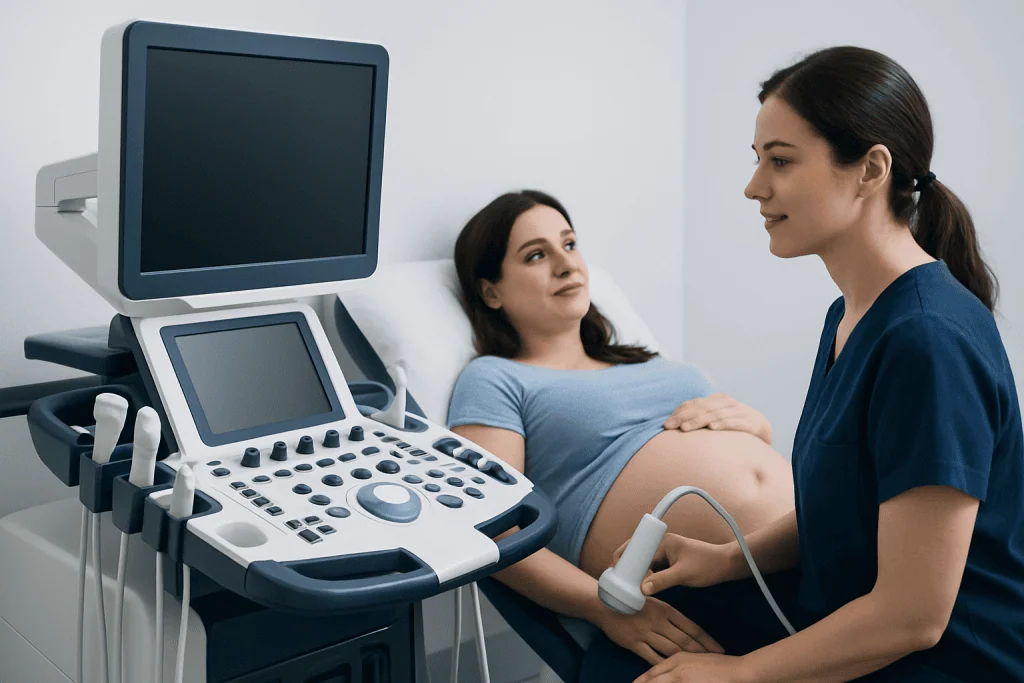
Pregnancy is usually counted from the first day of the last menstrual period, not from the day of conception. This is why pregnancy weeks may seem about two weeks ahead of the actual time since fertilization. Using this standard method, the first trimester generally includes weeks 1 through 13, the second trimester covers weeks 14 through 27, and the third trimester starts at week 28.
Some websites or clinics may describe trimester boundaries slightly differently, especially when they round by months instead of weeks. Even so, week 28 is the most widely accepted starting point for the third trimester. A doctor or midwife can confirm the due date and gestational age based on menstrual history, physical exam, and ultrasound findings.
It can also help to know that a due date is an estimate, not a guarantee of the exact delivery day. A full-term pregnancy generally falls within a range, and many healthy pregnancies continue a little before or after the expected date. If there is uncertainty about dating, an early ultrasound is often the most accurate way to clarify how far along the pregnancy is.
What usually changes in the third trimester

As the third trimester begins, the baby gains weight rapidly and body systems continue maturing. The lungs, brain, and fat stores develop further, while the pregnant person may feel stronger movements and more regular patterns of activity. The growing uterus can place pressure on the bladder, stomach, diaphragm, and pelvic structures, which explains many of the common symptoms of late pregnancy.
Normal third-trimester symptoms may include:
- Fatigue and lower energy
- Heartburn or indigestion
- Shortness of breath, especially when lying flat or after exertion
- Back pain and pelvic pressure
- Swelling in the feet and ankles
- More frequent urination
- Trouble sleeping
- Braxton Hicks contractions, which are irregular practice contractions
Although these symptoms are often expected, they should still be discussed at routine prenatal visits if they are severe, persistent, or changing suddenly. For example, some swelling can be normal, but sudden swelling of the hands, face, or around the eyes may need review because it can occur with high blood pressure disorders in pregnancy. Ongoing heartburn or severe upper abdominal pain may also require assessment.
Warning signs that need medical review
Most third-trimester discomforts are not dangerous, but a few symptoms should not be ignored. It is important to seek medical advice promptly for vaginal bleeding, leaking fluid, painful or regular contractions before 37 weeks, severe headache, vision changes, chest pain, fainting, fever, or a noticeable decrease in fetal movement. These symptoms can have many causes, and some need urgent evaluation.
Doctors are also alert for conditions such as preeclampsia, placental problems, preterm labor, and infection. Signs that may raise concern include rapidly increasing swelling, severe abdominal pain, persistent vomiting, significant shortness of breath at rest, or burning with urination. Reduced fetal movement can sometimes be the first clue that a baby needs closer monitoring.
Some pregnant patients in the third trimester may also be evaluated for gestational diabetes if glucose screening was abnormal earlier in pregnancy or if symptoms suggest high blood sugar. Others may need review for blood pressure-related complications, including preeclampsia, especially if headaches, visual symptoms, or sudden swelling appear. While these problems are not the cause of most late-pregnancy symptoms, they are important reasons not to dismiss red flags.
How doctors assess symptoms in the third trimester
When a pregnant patient reports symptoms in the third trimester, doctors begin by asking detailed questions about timing, intensity, and any associated warning signs. They review the pregnancy history, due date, fetal movements, underlying health conditions, medications, and prior test results. This helps distinguish expected late-pregnancy discomforts from signs that may point to labor, infection, or pregnancy complications.
A physical examination often includes checking blood pressure, pulse, temperature, swelling, abdominal tenderness, and uterine size. Urine testing may be used to look for protein, infection, or glucose. Depending on the concern, the doctor may also recommend blood tests, fetal heart rate monitoring, a nonstress test, ultrasound, or a cervical exam to assess for preterm labor or membrane rupture.
If symptoms suggest a more specific problem, targeted testing may follow. For example, an ultrasound may help evaluate amniotic fluid, fetal growth, placental position, or bleeding. In cases of severe pain, bleeding, or contractions, hospital-based observation may be advised. If advanced imaging is needed for a related non-obstetric problem, clinicians may choose appropriate MRI or ultrasound studies that are considered suitable in pregnancy when medically necessary.
Care in the third trimester: visits, monitoring, and treatment
Once the third trimester starts, prenatal appointments usually become more frequent. These visits often include measuring blood pressure, checking weight, asking about symptoms, assessing fetal movement, and listening to the baby’s heartbeat. Clinicians also discuss labor signs, delivery planning, vaccinations when appropriate, and what to expect as the due date approaches.
Treatment in the third trimester depends on what is found. For normal late-pregnancy discomforts, care may focus on hydration, rest, posture changes, compression socks, sleep positioning, smaller meals, or reflux management. If a condition is diagnosed, treatment is directed at the cause. This may include closer monitoring, medication considered appropriate during pregnancy, fetal testing, or hospital observation.
Some pregnancies need specialist input. A person with high blood pressure, fetal growth concerns, bleeding, or preterm contractions may be referred for perinatology care or monitored in a center with obstetric and neonatal expertise. Near the end of pregnancy, if labor needs to be started for medical reasons, clinicians may discuss options related to induction of labor. At Acibadem International, multidisciplinary specialists in JCI-accredited hospitals diagnose and treat pregnancy-related conditions for international patients when advanced evaluation is needed.
Self-care and when to seek medical care
Simple self-care steps can make the third trimester more comfortable. Many patients benefit from sleeping on the side, eating smaller and more frequent meals, avoiding foods that worsen heartburn, staying physically active within a doctor’s advice, drinking enough fluids, and taking breaks to elevate the legs. Tracking fetal movement according to the clinician’s guidance can also help a parent notice changes that need discussion.
It is also wise to prepare practically for the final weeks. This may include attending prenatal classes, arranging support after delivery, reviewing hospital plans, and keeping emergency contact numbers easy to find. People with chronic medical conditions should follow their specialist’s advice closely and keep all scheduled prenatal visits.
When to seek medical care: contact a doctor, midwife, or emergency service right away for heavy bleeding, fluid leakage, regular painful contractions before term, severe headache, visual changes, fever, chest pain, severe shortness of breath, sudden swelling, severe abdominal pain, or reduced fetal movement. Even when symptoms turn out to be harmless, it is safer to ask for guidance than to wait in the third trimester.
Frequently asked questions
When does third trimester start exactly?
The third trimester usually starts at 28 weeks of pregnancy. It continues until birth, which often happens around 40 weeks, although delivery can occur somewhat earlier or later.
Is 27 weeks second or third trimester?
In the most commonly used week-by-week system, 27 weeks is still part of the second trimester. The third trimester begins when 28 weeks starts.
What month of pregnancy is the third trimester?
The third trimester begins near the start of the seventh month of pregnancy. Because pregnancy is tracked more accurately in weeks than in calendar months, doctors usually rely on gestational weeks rather than month labels.
Are cramps and pressure normal when the third trimester starts?
Mild pelvic pressure, back discomfort, and occasional irregular tightening can be normal in late pregnancy. However, regular painful contractions, fluid leakage, bleeding, or worsening pain should be assessed by a doctor.
What symptoms are common in the third trimester?
Common symptoms include fatigue, heartburn, swelling in the feet or ankles, more frequent urination, shortness of breath, sleep disruption, and stronger fetal movement. These symptoms are often expected, but a clinician should review anything severe, sudden, or concerning.
When should someone worry about fetal movement in the third trimester?
A noticeable decrease in fetal movement compared with the baby's usual pattern should be reported promptly. A doctor or midwife may advise monitoring movements and, if needed, arranging fetal assessment the same day.
References
- American College of Obstetricians and Gynecologists
- Centers for Disease Control and Prevention
- National Institute for Health and Care Excellence
- World Health Organization
- March of Dimes
This article is for general information only and is not a substitute for professional medical advice. Please consult a qualified doctor about your individual situation.
Explore treatments in Turkey — costs, top hospitals & a free quote
JCI-accredited · board-certified surgeons · reply within 24h
Add us as a Preferred Source to see more of our trusted health content across Google Search, AI Overviews and Discover.
Check your numbers in seconds
BMI, calories, due date, blood pressure and 30+ more clinical calculators — free, instant, doctor-reviewed ranges.