How Long to Fast Before Blood Work? A Doctor-Reviewed Answer

Many fasting blood tests require 8-12 hours without food, but not every blood test needs fasting. Water is usually allowed and can make blood collection easier unless the care team gives different instructions.
Key Takeaways
- Many fasting blood tests require 8-12 hours without food, but not every blood test needs fasting.
- Water is usually allowed and can make blood collection easier unless the care team gives different instructions.
- Coffee, tea, juice, gum, candy, and smoking may affect some results and are often best avoided during the fasting period.
- People with diabetes, pregnant patients, children, and anyone who feels unwell while fasting may need individualized advice.
- If fasting instructions are unclear, it is best to confirm the details before the test rather than guessing.
For many common fasting blood tests, the usual fasting period is 8 to 12 hours, and plain water is generally allowed. The exact instructions depend on which test is being ordered, so the safest approach is to follow the laboratory or doctor’s directions for that specific blood work.
Overview: the short answer
For many routine fasting blood tests, the answer to how long to fast before blood work is 8 to 12 hours. In most cases, plain water is allowed during that time, while food, sugary drinks, and sometimes coffee should be avoided unless the clinician says otherwise.
This is often straightforward and harmless for healthy adults. Still, not all blood tests require fasting, and some people need special instructions. The exact fasting window depends on the test being measured, the reason it was ordered, and a person’s health conditions.
A practical rule is not to assume. If the request form, laboratory message, or doctor’s office gives a specific time frame, that instruction should take priority. When there is any doubt, asking before the appointment can help prevent an unnecessary repeat test.
Which blood tests usually require fasting?
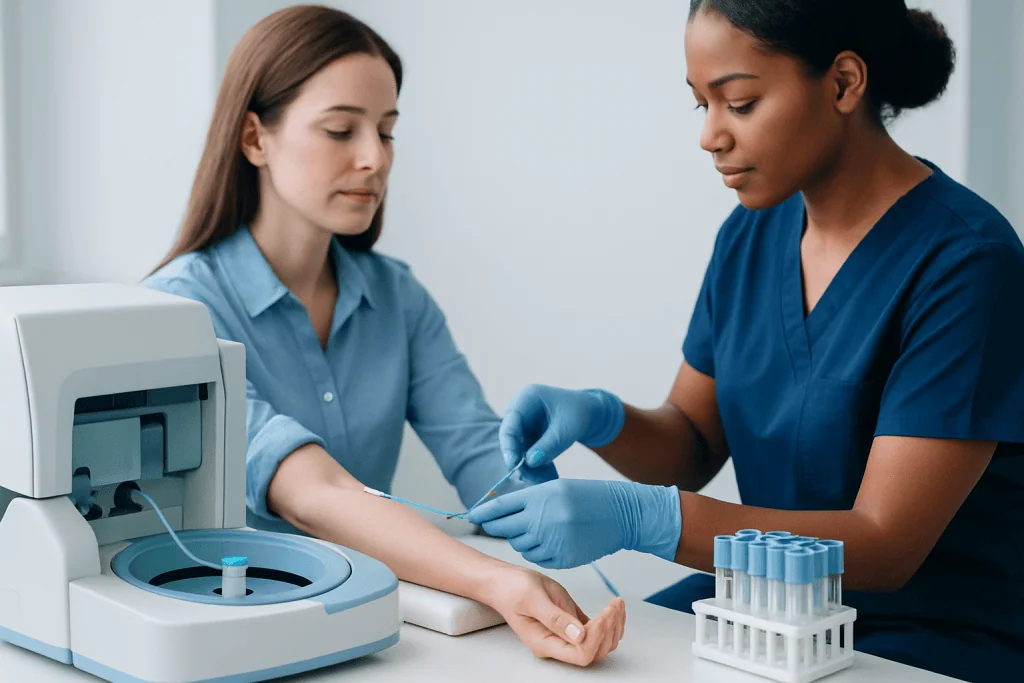
Fasting is most often requested when recent eating could temporarily change blood levels. Common examples include a fasting blood glucose test, some cholesterol or lipid tests, and a few metabolic studies. In these situations, eating beforehand may make the result harder to interpret accurately.
Typical fasting instructions are often in the 8- to 12-hour range, usually overnight. Many people are advised to finish dinner, then have their blood drawn the next morning before breakfast. This can be more comfortable and may reduce the chance of accidental eating or drinking.
Tests that may involve fasting include:
- Fasting blood glucose
- Some lipid panels, especially triglyceride measurement
- Certain metabolic or digestive evaluations
- Some follow-up tests for hormonal or nutritional assessment
By contrast, many routine blood tests do not require fasting. Examples can include complete blood count, many thyroid tests, and numerous monitoring labs. Because requirements vary by laboratory and clinical reason, the ordering clinician remains the best source of guidance.
What counts as fasting, and what should be avoided?

In medical terms, fasting usually means no food and no caloric drinks for the required time period. Water is generally acceptable and often encouraged because it helps prevent dehydration and can make veins easier to access during the blood draw.
Items that commonly break a fast include juice, milk, soft drinks, sports drinks, smoothies, and alcohol. Even small amounts can affect blood sugar, fats, or other measurements. For some tests, black coffee or tea may also interfere with results or with the body’s metabolic response, so many clinicians advise avoiding them unless they specifically say they are allowed.
It is also sensible to avoid candy, mints, chewing gum, smoking, and intense exercise during the fasting window, because these can influence some test results. If regular prescription medicine must be taken in the morning, a person should ask whether it can be taken with water before the test. Medication instructions should never be changed without medical advice.
Why fasting matters for accurate results
After eating, the body absorbs sugars, fats, proteins, vitamins, and minerals from food. This is normal, but it can temporarily change what appears in the bloodstream. A fasting sample gives clinicians a clearer baseline and can make it easier to compare results over time.
For example, triglycerides may rise after a meal, and blood glucose can be higher than a fasting level. If a person eats when the test was meant to be fasting, the result might seem abnormal when it is actually reflecting recent food intake. That can lead to confusion, repeat testing, or an unnecessary concern about conditions such as diabetes.
Doctors interpret blood work together with symptoms, medical history, and sometimes other tests. If a fasting result appears significantly outside the expected range, they may recommend repeat testing or broader evaluation. Depending on the situation, a person may need further laboratory assessment or imaging, such as MRI scan or CT imaging, although this is not typical for routine fasting labs.
Special situations: diabetes, pregnancy, children, and medications
Some people need more tailored advice before fasting blood work. This includes those with diabetes, pregnant patients, children, older adults who are frail, and anyone with a history of dizziness, fainting, or low blood sugar when they go too long without eating. In these groups, standard fasting instructions may need to be adjusted for safety.
For people using insulin or blood sugar-lowering medicines, fasting can increase the risk of hypoglycemia. The healthcare team may advise scheduling the blood draw early in the morning, changing meal timing, or giving specific instructions about medications. If a person is being evaluated for blood sugar disorders, it is especially important that they understand exactly which test is being done and how to prepare.
Pregnancy can also influence testing plans because prolonged fasting may cause nausea, weakness, or dehydration. Children may find fasting more difficult for practical reasons, so clear timing instructions can help families prepare. If someone is unsure whether a medicine, vitamin, or supplement could affect the test, it is best to ask before the appointment rather than stopping it on their own.
What if someone ate by mistake before blood work?
This happens often, and it is usually not an emergency. If a person accidentally ate, drank something other than water, chewed gum, or had coffee when the test was meant to be fasting, the best step is to tell the laboratory staff or doctor’s office before the sample is taken.
In some cases, the blood draw can still go ahead if the test does not strictly require fasting, or the clinician may interpret the result as non-fasting. In other cases, it may be better to reschedule. Being honest helps avoid misleading results and repeat appointments later.
If symptoms such as shakiness, sweating, confusion, or faintness occur during fasting, the person should stop fasting and seek guidance, especially if they have diabetes or another condition that affects blood sugar. A doctor may then review whether a different testing plan is needed, and in selected cases may arrange related evaluations such as blood testing under a safer schedule.
When to seek medical care
Fasting before blood work is usually uncomplicated, but medical advice is important if a person becomes unwell. Prompt review is sensible if fasting causes severe dizziness, fainting, confusion, chest pain, shortness of breath, vomiting, or symptoms suggestive of low blood sugar, such as sweating, tremor, blurred vision, or unusual weakness.
Medical review is also appropriate if a person is unsure whether fasting is safe because of diabetes, pregnancy, kidney disease, eating disorders, recent illness, or regular medication use. If a fasting blood test later shows a concerning result, a doctor will usually start by reviewing symptoms, medical history, the exact preparation before the test, and whether repeat blood work is needed to confirm the finding.
Depending on the results, the next steps may include additional laboratory studies, physical examination, or further evaluation of related conditions such as high cholesterol. Near the end of the care pathway, people seeking international care may wish to know that Acibadem International’s multidisciplinary specialists and JCI-accredited hospitals evaluate abnormal test results and coordinate further diagnosis and treatment when needed.
Frequently asked questions
How long to fast before blood work for cholesterol?
Some cholesterol tests can be done without fasting, but a doctor may still request 8 to 12 hours of fasting, especially if triglycerides are important. Because laboratory practices vary, the ordering instructions should be followed for that specific lipid test.
Can water be consumed during fasting before blood work?
Yes, plain water is usually allowed and is often helpful. Staying hydrated may make the blood draw easier, unless the clinician or lab gives different instructions for a specific test.
Does black coffee break a fast before a blood test?
It can affect some test results or the body’s metabolic response, so many clinicians recommend avoiding it during the fasting period. If instructions do not mention coffee, it is safest to ask the lab or doctor’s office beforehand.
What happens if someone accidentally eats before a fasting blood test?
This is common and usually not serious, but the laboratory or doctor should be told before the sample is taken. The test may still be usable as a non-fasting result, or it may need to be rescheduled for accuracy.
Do all blood tests require fasting?
No. Many common blood tests do not require fasting at all. Fasting is mainly used when recent eating could temporarily change the measured level and make interpretation less reliable.
Is it safe for people with diabetes to fast before blood work?
It may be safe for some people, but it should never be assumed. Because fasting can raise the risk of low blood sugar, people with diabetes should follow individualized instructions about meal timing and medications.
This article is for general information only and is not a substitute for professional medical advice. Please consult a qualified doctor about your individual situation.
Explore treatments in Turkey — costs, top hospitals & a free quote
JCI-accredited · board-certified surgeons · reply within 24h
Add us as a Preferred Source to see more of our trusted health content across Google Search, AI Overviews and Discover.
Check your numbers in seconds
BMI, calories, due date, blood pressure and 30+ more clinical calculators — free, instant, doctor-reviewed ranges.

More from the Health Library

What Is Eosinophilic Esophagitis? Causes, Explanations, and Next Steps

What Make Dandruff? Here Is What the Evidence Says

How to Stop Overthinking? A Doctor-Reviewed Answer

Can I Get Bv From a Guy? A Doctor-Reviewed Answer

Can Tonsils Grow Back? Here Is What the Evidence Says