Mastectomy: How It Works, Recovery, and What to Expect

Mastectomy removes breast tissue and may be used for treatment or prevention of breast cancer. Several types of mastectomy exist, and the best option depends on cancer stage, breast anatomy, genetics, and personal goals.
Key Takeaways
- Mastectomy removes breast tissue and may be used for treatment or prevention of breast cancer.
- Several types of mastectomy exist, and the best option depends on cancer stage, breast anatomy, genetics, and personal goals.
- Recovery varies, but most people need time for wound healing, pain control, and gradual return to daily activity.
- Benefits can include cancer treatment and risk reduction, while risks include bleeding, infection, fluid buildup, and changes in sensation.
- A treatment plan may also include lymph node surgery, reconstruction, radiation, chemotherapy, hormone therapy, or targeted therapy.
Mastectomy is surgery that removes breast tissue, most often to treat breast cancer or reduce cancer risk in people with a very high inherited risk. The exact approach, recovery time, and next steps depend on the reason for surgery, the type of mastectomy, and whether lymph nodes or reconstruction are involved.
Overview: what a mastectomy is and why it is done
Mastectomy is an operation that removes breast tissue. It is most often performed as part of care for breast cancer, but it may also be considered to lower future cancer risk in some people with a strong family history or certain inherited gene changes. For many patients, the goal is either to treat known disease or to reduce the chance of developing it.
This surgery is not one single procedure. A mastectomy can involve removal of all breast tissue on one side, both sides, or breast tissue along with nearby skin, the nipple, or lymph nodes, depending on the medical need. Some people have reconstruction at the same time, while others choose delayed reconstruction or no reconstruction at all.
In many situations, mastectomy is one option among several. Some people may instead be candidates for breast-conserving surgery, such as a lumpectomy, usually followed by radiation. The best choice depends on imaging findings, biopsy results, tumor size and location, genetic risk, overall health, and the person’s preferences after discussion with a breast surgeon and oncology team.
Who may need a mastectomy
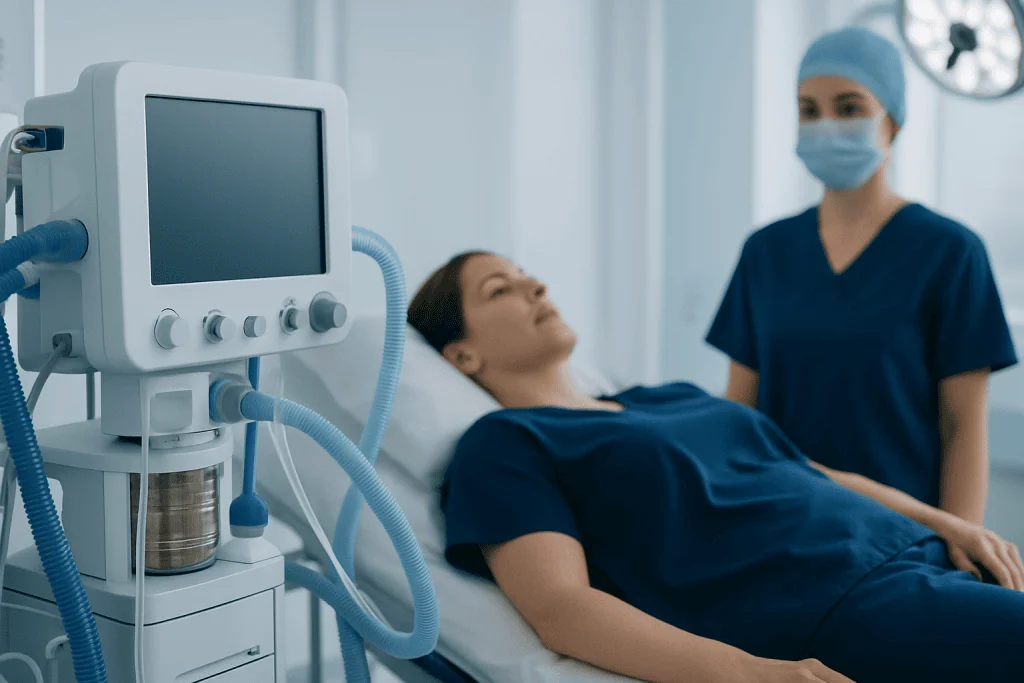
A mastectomy may be recommended when cancer affects a large area of the breast, when there are multiple tumors in different parts of the breast, or when clear margins may be difficult to achieve with breast-conserving surgery. It may also be advised if radiation is not suitable, if cancer returns after previous treatment, or if the patient prefers removal of the whole breast after reviewing the options.
Some people choose mastectomy because they have a very high inherited risk of breast cancer, such as certain BRCA1 or BRCA2 gene changes or a strong family history. In these cases, risk-reducing surgery is considered carefully and usually involves genetic counseling and detailed discussion of alternatives, benefits, limitations, and emotional impact.
Doctors also consider age, pregnancy status, smoking, diabetes, heart or lung conditions, body weight, prior chest radiation, and whether breast reconstruction is planned. These factors do not automatically prevent surgery, but they can affect preparation, surgical planning, and recovery.
- Possible reasons for mastectomy include treatment of cancer, recurrence after prior therapy, or risk reduction.
- The final decision is individualized and often made with input from breast surgery, oncology, plastic surgery, radiology, and pathology specialists.
- Shared decision-making is important because personal priorities about appearance, recovery time, and future treatments can differ.
How the mastectomy procedure works, step by step
Before surgery, the care team reviews imaging, pathology, medications, allergies, and general health. Blood tests or other preoperative assessments may be needed. Patients are usually asked when to stop eating and drinking before anesthesia and whether to pause specific medicines, such as blood thinners, supplements, or some diabetes treatments. If reconstruction is planned, the plastic surgeon and breast surgeon often plan the operation together.
Mastectomy is typically performed under general anesthesia. The surgeon makes an incision in the breast area and removes the planned amount of breast tissue. Depending on the type of operation, the surgeon may preserve some skin or the nipple-areola complex, or remove them if medically necessary. If lymph node evaluation is needed, a sentinel lymph node biopsy or axillary node surgery may be done during the same operation.
After the breast tissue is removed, the surgeon checks the area carefully for bleeding and places drains if needed to remove fluid while healing begins. The incision is then closed with sutures, surgical glue, or dressings. Some patients go home the same day, while others stay overnight, especially if reconstruction or more extensive surgery has been performed.
Common types include total or simple mastectomy, skin-sparing mastectomy, nipple-sparing mastectomy, and modified radical mastectomy. In selected cases, reconstruction may start immediately using implants or the person’s own tissue as part of breast reconstruction. The exact method should match both cancer safety and the patient’s goals.
What to expect after mastectomy and the recovery timeline
Recovery after mastectomy varies from person to person. In the first few days, it is normal to feel tired, sore, and tight across the chest or underarm. The care team usually provides instructions for pain control, wound care, showering, sleeping position, and drain management. Gentle arm and shoulder movements may be recommended to help prevent stiffness.
Many people begin light daily activities within days, but full recovery often takes several weeks. If lymph nodes were removed, there may be more underarm discomfort or numbness. If immediate reconstruction was performed, recovery may be longer and activity restrictions may be stricter. The team will explain when it is safe to drive, lift heavier items, return to work, or resume exercise.
Temporary or lasting changes in sensation are common because small nerves in the breast and chest wall are affected during surgery. Some people also notice swelling, a pulling feeling, or a fluid collection called a seroma. Follow-up visits are important so the surgeon can check healing, remove drains if used, review pathology results, and discuss whether additional treatment is needed.
Rehabilitation can help if shoulder movement is limited or if swelling develops in the arm or chest wall. Patients who need additional cancer treatment may continue care with medical oncology or radiation oncology depending on the final stage and pathology findings.
Benefits, risks, and possible complications
The main benefit of mastectomy is that it can remove known breast cancer or substantially lower the risk of future breast cancer in carefully selected high-risk patients. For some, it may reduce the need for radiation, although radiation is still necessary in certain situations, such as larger tumors or lymph node involvement. It can also provide peace of mind for patients who prefer a more extensive surgical approach after understanding the trade-offs.
Like any major surgery, mastectomy has risks. These include bleeding, infection, problems with wound healing, blood clots, pain, fluid buildup, and reactions to anesthesia. There may also be numbness, chest wall tightness, scarring, changes in body image, and asymmetry, particularly if only one breast is removed or if reconstruction is delayed.
If lymph nodes are removed, there is a risk of lymphedema, which is swelling caused by disruption of lymph drainage. This risk can be lower with sentinel node biopsy than with more extensive node removal, but it is not zero. Some people also develop reduced shoulder range of motion or longer-term nerve-related discomfort.
Importantly, mastectomy is not always the only effective cancer surgery. In many early-stage cases, breast-conserving surgery plus radiation can offer outcomes similar to mastectomy. The right choice is the one that fits the medical situation and the patient’s preferences, guided by a qualified team.
Planning ahead: self-care, emotional support, and practical preparation
Good preparation can make recovery smoother. Before surgery, patients are often advised to stop smoking, optimize nutrition, review all medicines with the care team, and arrange help at home for the first few days. Wearing comfortable front-opening clothing, preparing a resting area, and learning how to care for drains can reduce stress after discharge.
Emotional recovery matters as much as physical healing. A mastectomy can affect body image, sexuality, confidence, and daily routines. Support from loved ones, counseling, peer groups, or survivorship programs can be very helpful. Some people want reconstruction, while others prefer an external prosthesis or no additional procedure; all of these choices are valid.
After surgery, patients should follow wound-care instructions closely, take medicines as prescribed, and do only the exercises approved by the team. It is best to avoid heavy lifting until cleared by the surgeon. Ongoing breast health follow-up remains important, especially if one breast remains or if the person has elevated inherited risk.
Near the end of treatment planning, some international patients choose care at centers with coordinated breast surgery, oncology, imaging, pathology, and rehabilitation services. Acibadem International’s multidisciplinary specialists in JCI-accredited hospitals diagnose and treat breast conditions for international patients when this level of coordinated care is needed.
When to seek medical care
Patients should contact their surgical team promptly if they develop fever, worsening redness, foul-smelling drainage, increasing pain that is not controlled, sudden swelling, shortness of breath, chest pain, or heavy bleeding from the wound. These symptoms do not always mean a serious problem, but they need timely medical review.
Medical advice is also important if a drain stops working, falls out, or suddenly produces much more fluid, or if arm swelling, severe tightness, or reduced shoulder movement develops. People who notice new lumps, skin changes, persistent swelling, or symptoms on the other breast should also arrange follow-up.
Anyone considering mastectomy should seek specialist evaluation rather than deciding based only on general information online. A breast surgeon can explain whether surgery is appropriate, which type is most suitable, and how it fits with the broader treatment plan, including breast cancer treatment.
Frequently asked questions
Is a mastectomy the same as breast cancer treatment?
Mastectomy is one part of breast cancer treatment, not the whole treatment plan. Depending on the diagnosis, a person may also need radiation, chemotherapy, hormone therapy, targeted therapy, or follow-up monitoring.
How long does it take to recover from a mastectomy?
Initial recovery often takes a few weeks, but the exact timeline depends on the type of mastectomy, whether lymph nodes were removed, and whether reconstruction was done at the same time. Some people feel ready for light activities within days, while fuller recovery may take longer.
Will a person always need reconstruction after mastectomy?
No. Reconstruction is a personal choice and is not medically required for everyone. Some people choose immediate reconstruction, some prefer delayed reconstruction, and others decide not to have reconstruction at all.
Can breast cancer come back after a mastectomy?
Yes, recurrence is still possible even after a mastectomy, although the surgery removes most breast tissue. This is why follow-up visits and any recommended additional treatments remain important.
Is nipple-sparing mastectomy safe?
In selected patients, nipple-sparing mastectomy can be an appropriate and safe option. Whether it is suitable depends on tumor location, breast anatomy, imaging findings, and the surgeon's assessment.
What is the difference between mastectomy and lumpectomy?
Mastectomy removes the entire breast tissue on the affected side, while lumpectomy removes the tumor and a margin of surrounding tissue. In many early-stage cases, lumpectomy followed by radiation can be an alternative to mastectomy.
References
- National Cancer Institute
- American Cancer Society
- National Comprehensive Cancer Network
- Centers for Disease Control and Prevention
- World Health Organization
This article is for general information only and is not a substitute for professional medical advice. Please consult a qualified doctor about your individual situation.
Oncology care in Turkey — second opinion and treatment plan
JCI-accredited · board-certified surgeons · reply within 24h
Add us as a Preferred Source to see more of our trusted health content across Google Search, AI Overviews and Discover.

More from the Health Library


Related Specialists

Dr. Mehmet Severcan
Aesthetic Plastic & Reconstructive Surgery
Prof. Dr. Beril Akman
Internal Medicine
Dr. Bülent Erdoğan
Emergency Service
Mehmet Akif Aracı
Physical Medicine & Rehabilitation