What Makes You Poop Instantly? Causes, Explanations, and Next Steps

A bowel movement soon after eating is often caused by the normal gastrocolic reflex. Certain foods, caffeine, stress, infections, and digestive conditions can make the urge stronger or more urgent.
Key Takeaways
- A bowel movement soon after eating is often caused by the normal gastrocolic reflex.
- Certain foods, caffeine, stress, infections, and digestive conditions can make the urge stronger or more urgent.
- Occasional episodes are common, but repeated urgency or diarrhea should not be ignored.
- Red flags include blood in the stool, fever, weight loss, dehydration, severe pain, or symptoms that persist.
- Doctors usually assess timing, stool pattern, diet, medications, and may use stool tests, blood tests, or imaging when needed.
A sudden need to have a bowel movement is often harmless and commonly happens because eating activates the colon through the gastrocolic reflex. However, frequent urgency, pain, diarrhea, blood in the stool, or ongoing changes in bowel habits may need medical evaluation.
Overview: why the urge can happen so fast
What makes you poop instantly is most often a normal digestive response called the gastrocolic reflex. After food enters the stomach, nerve and hormone signals tell the colon to start moving, which can create a quick urge to pass stool. In many people, this is simply part of healthy digestion and does not mean the food just eaten has moved through the body immediately.
The sensation may feel especially strong in the morning, after a large meal, or after coffee. Some people naturally have a more active bowel response than others, so the urge can seem sudden even when nothing is wrong. This is one reason a person may need the bathroom shortly after waking up or soon after breakfast.
That said, an “instant” need to poop can also happen when the intestines are irritated or when stool moves too quickly through the colon. Food intolerances, infections, stress, medications, and conditions that affect the bowel can all increase urgency. The key question is not only how fast the urge happens, but whether it is occasional and mild or frequent and disruptive.
How the digestive reflex works
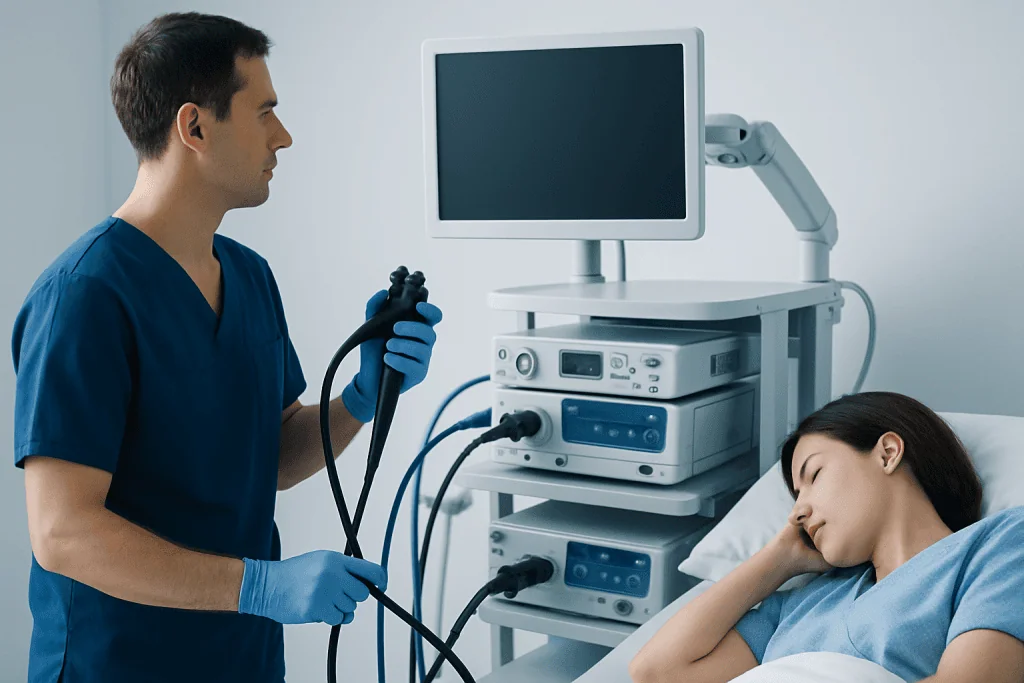
The gastrocolic reflex is the body’s natural signal system between the stomach and colon. When the stomach stretches after a meal, the colon is prompted to contract. Those contractions can move stool that was already in the lower bowel toward the rectum, creating a need to go to the toilet soon after eating.
This explains an important point: a bowel movement right after a meal is usually not the meal itself passing through the entire digestive tract. Digestion and absorption take much longer. Instead, the meal acts like a trigger that tells the colon to empty stool that was already prepared to pass.
In some people, this reflex is stronger than average. It may be more noticeable after:
- Large meals
- Fatty or rich foods
- Hot drinks, especially coffee
- Morning meals after waking
- Periods of stress or anxiety
A strong reflex alone is not necessarily a disease. It becomes more important to investigate when it is accompanied by pain, frequent diarrhea, accidents, blood, or a major change from a person’s usual bowel pattern.
Common causes beyond the normal reflex
Food and drink are common triggers. Coffee, alcohol, spicy foods, very fatty meals, and some artificial sweeteners can stimulate the bowel. For some people, dairy products can cause cramping and loose stools if lactose is not well digested. Others notice symptoms after foods high in certain fermentable carbohydrates, which can increase gas and intestinal activity.
Stress can also make bowel urgency happen quickly. The gut and brain communicate closely, so emotional stress may speed colon contractions and increase sensitivity in the intestines. This is why some people feel an urgent need to use the bathroom before travel, meetings, or stressful events.
Short-term illnesses are another possibility. Viral or bacterial infections can irritate the intestines and cause diarrhea, urgency, nausea, or cramping. If symptoms are severe or come with fever, dehydration, or blood in the stool, medical review is important because some infections need specific care.
Sometimes repeated urgency points to an underlying digestive disorder. Examples include irritable bowel syndrome, inflammatory bowel disease, celiac disease, bile acid diarrhea, or malabsorption. Not everyone with sudden bowel movements has one of these conditions, but persistent symptoms deserve assessment rather than self-diagnosis.
Symptoms that can help explain the cause
The details of the bowel movement often provide useful clues. A formed stool passed quickly after a meal may fit with a strong gastrocolic reflex. Loose or watery stool is more suggestive of diarrhea, food intolerance, infection, medication effects, or a bowel condition affecting absorption or inflammation.
Other symptoms matter too. Cramping, bloating, excess gas, or relief after passing stool can occur in functional bowel disorders. Nausea and fever may suggest an infection. Burning around the anus can happen with frequent diarrhea. Repeated urgency with mucus, nighttime symptoms, or a feeling of incomplete emptying may point toward a problem that needs closer medical review.
It can help to notice patterns such as:
- Whether symptoms happen after specific foods or drinks
- Whether urgency occurs only in the morning or throughout the day
- How often diarrhea happens
- Whether there is pain, bloating, or weight loss
- Whether new medications started around the same time
Keeping a brief symptom diary can make it easier for a doctor to understand what is happening. Timing, stool consistency, and trigger foods are often more helpful than focusing on one isolated episode.
When to seek medical care
Occasional sudden bowel urgency is usually not an emergency, especially if it follows coffee, a large meal, or stress and settles quickly. Medical attention is more important when the symptom becomes frequent, interferes with daily life, or is clearly different from a person’s usual bowel habits.
A doctor should be contacted promptly if there is blood in the stool, black stool, severe or worsening abdominal pain, fever, persistent vomiting, signs of dehydration, fainting, or unexplained weight loss. Ongoing diarrhea, urgency that wakes someone from sleep, or symptoms lasting more than a short period also deserve assessment.
Children, older adults, pregnant people, and those with weakened immunity may need earlier review because dehydration and infection can be more serious in these groups. Anyone with a known digestive condition who develops new or worsening symptoms should also speak with a clinician.
How doctors evaluate sudden bowel urgency
Doctors usually begin with a careful history. They ask when the urgency happens, what the stool looks like, whether symptoms are linked to meals, and whether there are warning signs such as bleeding, fever, or weight loss. Diet, recent travel, family history, and medicines are also important because antibiotics, magnesium-containing products, and some other drugs can affect bowel habits.
A physical examination may be followed by tests depending on the pattern of symptoms. These can include blood tests, stool tests for infection or inflammation, and sometimes imaging or endoscopy. The goal is to separate a normal or functional bowel response from conditions such as Crohn’s disease or other inflammatory, infectious, or malabsorptive disorders.
If symptoms are long-standing and fit a functional bowel pattern, the doctor may consider disorders such as IBS after excluding more concerning causes. In some cases, a specialist in digestive disease may recommend further evaluation with procedures such as colonoscopy or other tests to check the bowel lining and rule out inflammation, polyps, or other abnormalities.
This stepwise approach is meant to be practical and reassuring. Most people do not need extensive testing for a single episode, but repeated or unexplained urgency should be assessed so treatment can match the cause.
Treatment and self-care options
Treatment depends on the reason symptoms are happening. If the cause is a strong but normal gastrocolic reflex, management may focus on meal timing, portion size, and identifying triggers. If infection, inflammation, food intolerance, or a medication side effect is involved, treatment is directed at that specific issue.
Helpful self-care steps often include eating smaller meals, limiting foods that reliably trigger urgency, drinking enough fluids, and reducing excess caffeine or alcohol if these make symptoms worse. Some people benefit from a food and symptom diary, especially if dairy, fatty foods, or artificial sweeteners seem to play a role. Stress management can also help because the bowel is sensitive to emotional strain.
For ongoing digestive symptoms, medical guidance is important before trying restrictive diets or over-the-counter products for long periods. A clinician may advise structured approaches to diarrhea management, testing for intolerances, or treatment for an underlying condition. In selected cases, imaging such as MRI scan may be used when there is concern about inflammation or complications outside the bowel lining.
Near the end of the care pathway, specialist assessment can be valuable if symptoms are persistent or complex. Acibadem International’s multidisciplinary specialists and JCI-accredited hospitals evaluate bowel symptoms for international patients and provide diagnosis and treatment based on the suspected cause.
Frequently asked questions
Is it normal to poop right after eating?
Yes, it can be normal. Many people feel the urge because eating activates the gastrocolic reflex, which moves stool already in the colon. It does not usually mean the new meal passed straight through the body.
What foods can make someone poop instantly?
Common triggers include coffee, fatty meals, spicy foods, alcohol, and sometimes dairy or artificial sweeteners. Triggers vary from person to person, so keeping track of patterns can be helpful. If symptoms happen often, a doctor can help look for intolerance or another digestive issue.
Can stress cause a sudden urge to poop?
Yes. Stress and anxiety can increase bowel movement and make the gut more sensitive, leading to urgency, cramping, or diarrhea in some people. This gut-brain connection is well recognized and may be stronger in people with functional bowel disorders.
Does sudden urgency always mean diarrhea?
No. Some people pass a normal, formed stool but feel an urgent need because the colon contracts strongly. Diarrhea usually means the stool is loose or watery, and it may have different causes such as infection, intolerance, or inflammation.
When should someone worry about pooping instantly?
It is more concerning if the symptom is frequent, new, or comes with blood in the stool, fever, weight loss, severe pain, dehydration, or nighttime bowel movements. These features suggest the need for medical review rather than simple self-care. Persistent symptoms should not be ignored even if they seem mild at first.
How do doctors figure out what is causing it?
Doctors usually start by asking about meal timing, stool consistency, pain, medications, travel, and other symptoms. Depending on the pattern, they may order blood tests, stool tests, imaging, or endoscopy. The aim is to tell apart a normal reflex from infection, intolerance, IBS, or inflammatory bowel disease.
References
- National Institute of Diabetes and Digestive and Kidney Diseases
- American College of Gastroenterology
- Mayo Clinic
- National Health Service
- Merck Manual
This article is for general information only and is not a substitute for professional medical advice. Please consult a qualified doctor about your individual situation.
Persistent digestive symptoms? Get evaluated in Turkey
JCI-accredited · board-certified surgeons · reply within 24h
Add us as a Preferred Source to see more of our trusted health content across Google Search, AI Overviews and Discover.