Depression: An Evidence-Based Guide for Patients

Depression is a real, treatable health condition that can affect emotions, body symptoms, and daily life. Symptoms often include persistent low mood, loss of interest, sleep changes, fatigue, and difficulty concentrating.
Key Takeaways
- Depression is a real, treatable health condition that can affect emotions, body symptoms, and daily life.
- Symptoms often include persistent low mood, loss of interest, sleep changes, fatigue, and difficulty concentrating.
- Diagnosis is based on a careful clinical assessment, including symptom pattern, duration, and impact on functioning.
- Treatment may include psychotherapy, medication, lifestyle support, or a combination of approaches.
- Urgent medical help is needed if someone has thoughts of self-harm, suicide, or cannot stay safe.
Depression is a medical condition that affects mood, thinking, energy, sleep, and daily functioning. It is not a personal weakness, and with proper diagnosis and treatment, many people improve significantly.
What depression is
Depression is a common mental health condition that causes ongoing sadness, emptiness, or loss of interest, along with physical and thinking-related symptoms that can interfere with work, school, relationships, and self-care. It is more than having a bad day or feeling discouraged after stress. In depression, symptoms last longer, are more intense, and affect daily functioning.
People experience depression in different ways. Some mainly notice low mood, while others feel numb, irritable, slowed down, tired, or unable to enjoy things that once felt meaningful. Depression can also overlap with anxiety, sleep problems, chronic pain, or other health concerns, which can make it harder to recognize at first.
Depression is a medical condition shaped by biological, psychological, and social factors. It can happen after major life events, but it can also develop without a single clear cause. Importantly, effective care is available, and early support often helps reduce symptoms and improve quality of life.
How depression can affect daily life
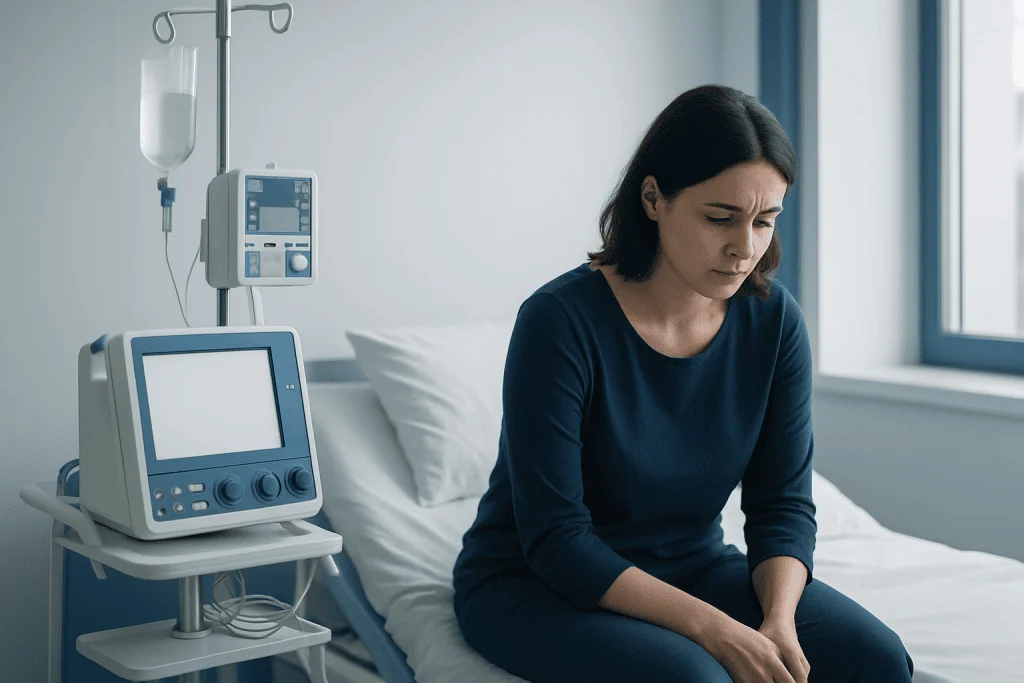
Depression often reaches beyond mood. A person may find it hard to get out of bed, focus on simple tasks, make decisions, keep up with work, or stay connected with family and friends. Activities that once felt enjoyable may seem exhausting or meaningless. This is one reason depression can be misunderstood by others as lack of effort, when it is actually a health condition affecting motivation, concentration, and energy.
Physical symptoms are also common. These may include changes in sleep, appetite, weight, digestion, body aches, headaches, or low energy. Some people seek help first for these physical complaints and only later realize that depression may be contributing.
Depression exists on a spectrum. Symptoms may be mild, moderate, or severe, and they may occur as a single episode or return over time. Some people are diagnosed with major depression, while others may have persistent depressive symptoms or depression that occurs alongside another medical or psychiatric condition.
Signs and symptoms of depression

Common symptoms of depression include persistent sadness, hopelessness, emptiness, or loss of interest in activities. Many people also notice fatigue, slowed thinking, restlessness, feelings of guilt or worthlessness, and trouble concentrating. Symptoms usually last most of the day, nearly every day, for at least two weeks, though some people may experience them for much longer.
Sleep and appetite often change. A person may sleep too little or too much, eat less or more than usual, or notice weight change without trying. Irritability can be more prominent than sadness in some individuals, especially teens and some adults. Others describe feeling emotionally flat rather than openly depressed.
Symptoms can vary, but they often include:
- Low mood or frequent tearfulness
- Loss of interest or pleasure
- Fatigue or low motivation
- Poor concentration or indecisiveness
- Sleep disturbance
- Appetite or weight changes
- Feelings of guilt, worthlessness, or hopelessness
- Thoughts of death, self-harm, or suicide
If thoughts of self-harm or suicide are present, this should be treated as urgent. Immediate support from emergency services, a crisis line, or a qualified medical professional is essential.
Causes and risk factors
There is no single cause of depression. It usually develops through a combination of factors, including family history, brain chemistry, stress, trauma, medical illness, personality traits, and life circumstances. A personal or family history of mood disorders can increase risk, but it does not mean depression is inevitable.
Stressful events such as bereavement, relationship problems, financial strain, workplace stress, chronic illness, pain, or major life transitions can contribute. Depression can also occur with hormonal changes, substance use, sleep disorders, and certain medications. In some people, symptoms appear gradually with no obvious trigger.
Other mental health conditions may occur alongside depression, including anxiety disorders, panic symptoms, or trauma-related conditions. A careful assessment helps identify whether symptoms are part of depression alone or related to a broader picture such as anxiety. Understanding the full context is important because treatment is most effective when it addresses all contributing factors.
How depression is diagnosed
Depression is diagnosed through a clinical evaluation rather than a single blood test or scan. A doctor or mental health professional asks about mood, sleep, energy, appetite, concentration, physical symptoms, recent stress, substance use, medical history, and how symptoms are affecting everyday life. The pattern, severity, and duration of symptoms help determine whether depression is present.
Screening questionnaires may be used to support the assessment, but they do not replace professional diagnosis. The clinician may also ask about past episodes, family history, and any periods of unusually elevated mood, reduced need for sleep, or impulsive behavior, because these can suggest a different condition requiring different treatment.
Sometimes additional tests are done to look for medical problems that can contribute to low mood, such as thyroid disease, vitamin deficiencies, neurological conditions, or medication effects. This helps ensure that treatment is accurate and individualized. In some cases, a broader medical check-up may be helpful as part of the evaluation.
Treatment options for depression
Treatment depends on symptom severity, personal history, safety concerns, and patient preference. For many people, the most effective approach includes psychotherapy, medication, or both. Talking therapies such as cognitive behavioral therapy, interpersonal therapy, and other evidence-based approaches can help a person understand patterns of thinking, improve coping skills, and gradually return to meaningful activities.
Antidepressant medication may be recommended for moderate to severe depression, recurrent depression, or depression that has not improved enough with therapy alone. These medicines usually take time to work, and follow-up is important to monitor benefits and side effects. Treatment plans should always be reviewed by a qualified doctor, especially if symptoms change or worsen.
Lifestyle support also matters. Regular sleep, physical activity, balanced nutrition, social connection, and reducing alcohol or substance use can support recovery, although these steps are usually not a substitute for professional treatment when symptoms are significant. Some people may benefit from coordinated care with specialists in psychiatry and, when needed, psychological counseling.
Severe depression, depression with psychotic symptoms, or depression with serious safety concerns may require more intensive care, including hospital-based treatment. Near the end of the care pathway, some international patients seek multidisciplinary assessment at Acibadem International, where JCI-accredited hospitals and mental health specialists evaluate and treat complex cases in a coordinated way.
Self-care, recovery, and relapse prevention
Recovery from depression is often gradual rather than immediate. It can help to set small, realistic goals such as getting up at a regular time, eating consistently, taking a short walk, or reconnecting with one supportive person. When energy is low, even simple routines can provide structure and reduce the sense of being overwhelmed.
Good self-care does not replace medical treatment, but it can make treatment more effective. Helpful habits may include limiting alcohol and recreational drugs, maintaining a sleep schedule, reducing isolation, and keeping follow-up appointments. Some people also find it useful to track mood changes, triggers, and early warning signs of relapse.
Family and friends can play an important role by listening without judgment, encouraging treatment, and noticing if symptoms worsen. Relapse prevention may include continuing therapy, staying on medication for the recommended period, and having a plan for what to do if symptoms return. This can be especially important after previous depressive episodes.
When to seek medical care
Medical care should be sought if low mood, loss of interest, sleep problems, fatigue, or hopelessness lasts for more than two weeks, or sooner if symptoms are getting worse. It is also important to seek help if depression affects work, school, relationships, eating, sleep, or the ability to manage everyday responsibilities.
Urgent help is needed if a person has thoughts of self-harm or suicide, feels unable to stay safe, becomes severely withdrawn, stops eating or drinking adequately, or shows confusion, agitation, or unusual behavior. In these situations, contacting emergency services or going to the nearest emergency department is the safest step.
It is also sensible to seek assessment when depression occurs together with panic attacks, substance misuse, chronic pain, or unexplained physical symptoms. Early evaluation can shorten the time to diagnosis and help identify the most appropriate support.
Frequently asked questions
Is depression the same as feeling sad?
No. Sadness is a normal emotion that usually changes with time or circumstances, while depression is a medical condition that lasts longer and affects daily functioning. It often includes changes in sleep, energy, concentration, appetite, and enjoyment of life.
Can depression cause physical symptoms?
Yes. Depression can be linked with fatigue, headaches, body aches, digestive changes, appetite changes, and sleep problems. Because of this, some people first seek care for physical symptoms before realizing mood changes are also present.
How long does depression last?
The duration varies from person to person. Some episodes improve within weeks to months with treatment, while others last longer or return over time. Early assessment and sticking with treatment can improve recovery.
Do antidepressants change personality?
Antidepressants are intended to reduce symptoms of depression, not change who a person is. When a medication works well, many people feel more like themselves again rather than emotionally numb. Any concerns about side effects should be discussed with the prescribing doctor.
Can depression get better without treatment?
Some mild episodes may improve, but it is not possible to predict this safely. Depression can persist, worsen, or return, and it can affect safety, work, relationships, and physical health. Professional support is recommended, especially if symptoms are moderate, severe, or ongoing.
What should family members do if they think someone has depression?
They can listen calmly, avoid judgment, and encourage the person to seek medical or mental health support. It helps to ask directly about safety if there are concerns about self-harm or suicide. If there is immediate danger, emergency services should be contacted.
References
- World Health Organization
- National Institute of Mental Health
- American Psychiatric Association
- National Health Service
- Mayo Clinic
This article is for general information only and is not a substitute for professional medical advice. Please consult a qualified doctor about your individual situation.
Depression in Turkey — costs, top hospitals & a free quote
JCI-accredited · board-certified surgeons · reply within 24h
Add us as a Preferred Source to see more of our trusted health content across Google Search, AI Overviews and Discover.