Bow Legged — Explained by Medical Evidence, Not Myths
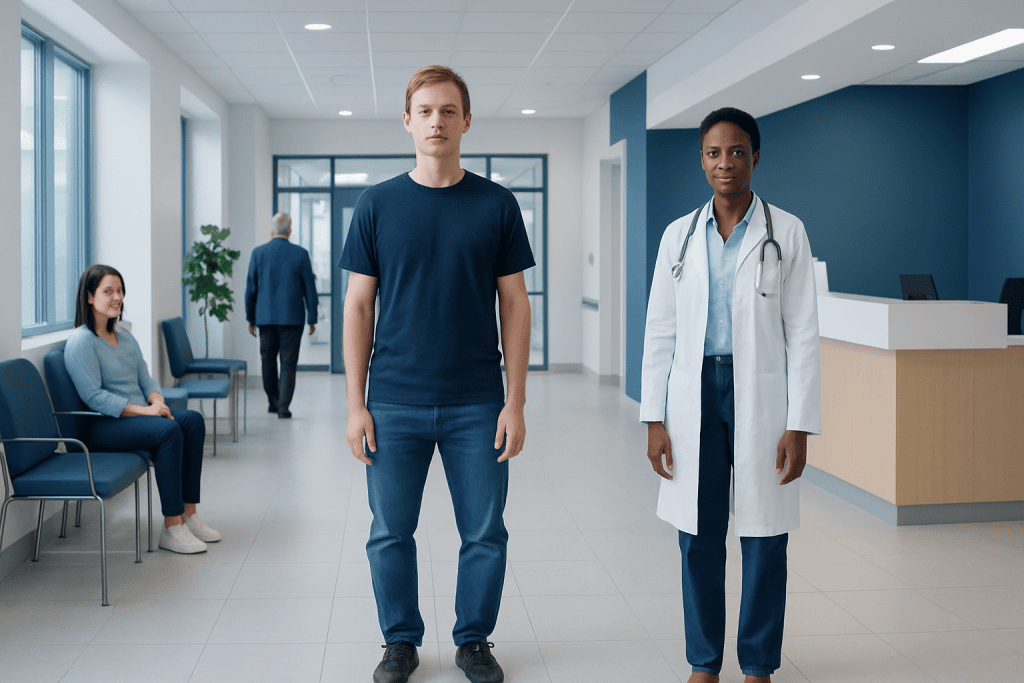
Bow legged alignment is common in babies and often improves naturally as children grow. Persistent, worsening, one-sided, or painful bowing may need medical evaluation.
Key Takeaways
- Bow legged alignment is common in babies and often improves naturally as children grow.
- Persistent, worsening, one-sided, or painful bowing may need medical evaluation.
- Causes range from normal development to rickets, growth plate problems, arthritis, or bone conditions.
- Diagnosis relies on history, physical examination, and sometimes X-rays or blood tests.
- Treatment depends on the cause and may include observation, bracing in selected cases, correcting nutrient deficiencies, or surgery.
Bow legged, also called genu varum, describes legs that curve outward so the knees remain apart when the ankles are together. In many infants and toddlers this is a normal stage of growth, but in older children or adults it may reflect an underlying bone, joint, or alignment problem that should be assessed by a doctor.
What bow legged means
Bow legged is a common term for genu varum, a leg alignment in which the legs curve outward and the knees stay apart when the ankles or feet are together. The appearance can involve one leg or both, and it may be mild or more noticeable. In very young children, this shape is often part of normal development rather than a disease.
Medical evidence shows that leg alignment changes with age. Many babies are naturally bow legged because of their position in the womb, and the legs often straighten gradually during early childhood. Later, children may briefly appear knock-kneed before the legs settle into typical adult alignment. Because of this normal pattern, the age of the child and the overall growth pattern matter as much as the shape itself.
Bow legged alignment becomes more medically important when it is severe, does not improve as expected, causes limping or pain, affects only one leg, or appears in older children and adults. In these situations, doctors look for an underlying reason such as a bone growth disorder, vitamin deficiency, arthritis, or past injury.
How normal development differs from a problem
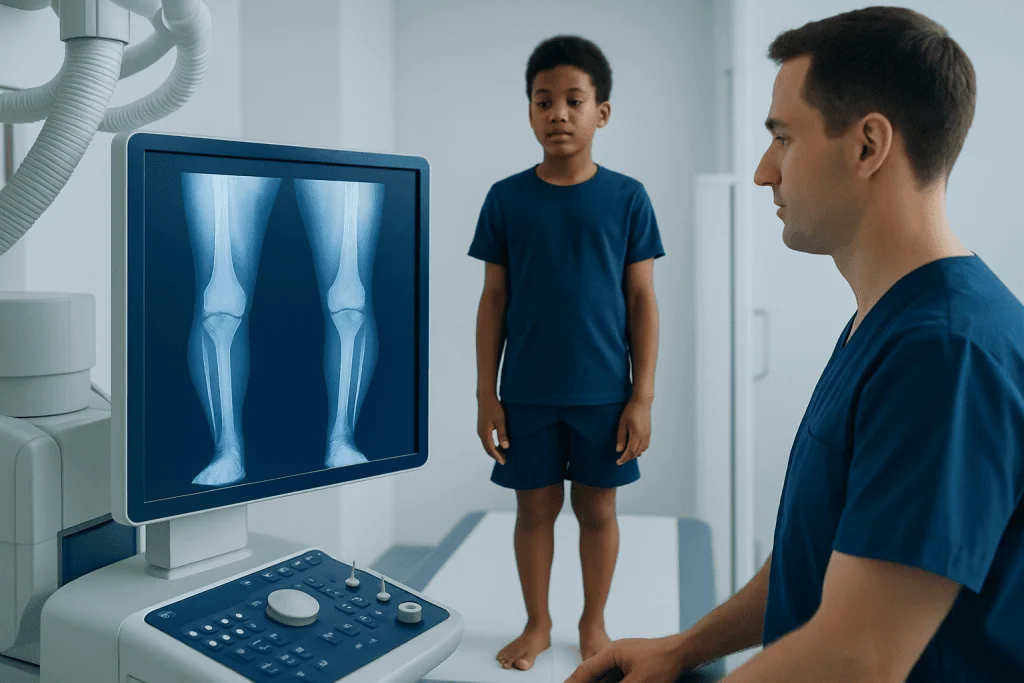
One of the most helpful ways to understand bow legged alignment is to separate physiologic bowing from pathologic bowing. Physiologic bowing is the normal, symmetrical outward curve seen in many infants and toddlers. Children with this pattern usually grow well, have no pain, walk and play normally, and show gradual improvement over time.
Pathologic bowing is different. It may be more pronounced, continue beyond the usual age range, worsen instead of improve, or affect one side more than the other. It may also be associated with short stature, delayed walking, pain, instability, or a visible change around the knees or lower legs.
Doctors also consider family history, nutrition, body weight, and ethnic background, because these can influence bone growth and alignment. The goal is not simply to label the legs as straight or bowed, but to determine whether the pattern fits healthy development or suggests a treatable cause.
When a child or adult has concern about leg shape, an orthopedic evaluation can help distinguish a normal variation from a condition that needs follow-up. In some cases, assessment may overlap with broader orthopedic conditions that affect alignment, walking, or joint health.
Symptoms and possible effects
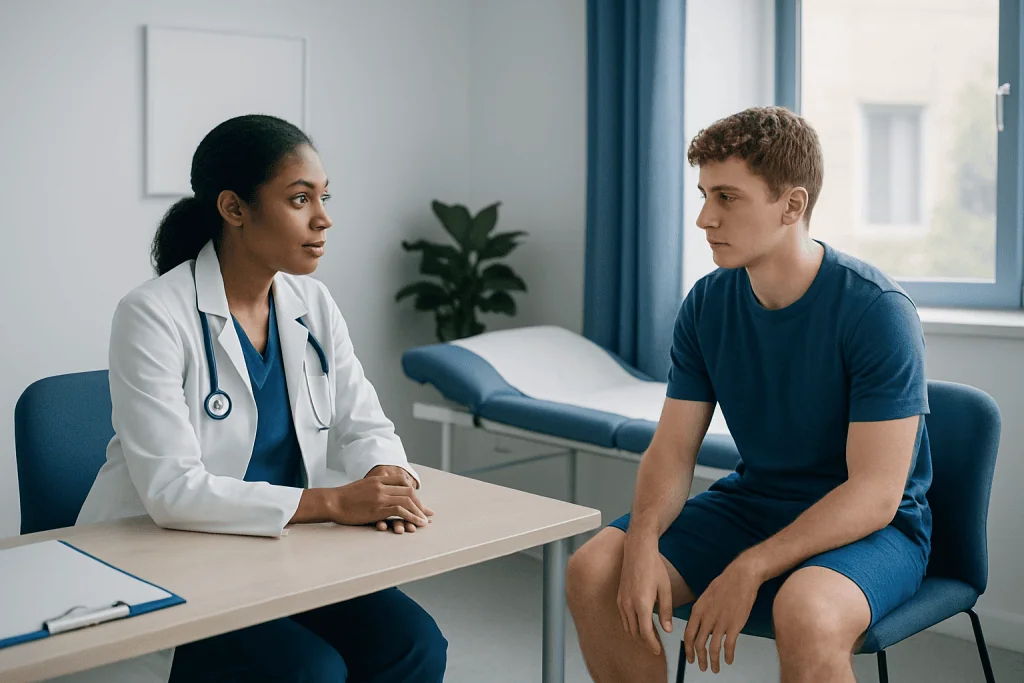
The main sign of being bow legged is the visible gap between the knees when the ankles are placed together. In young children with normal developmental bowing, there are often no other symptoms. They are usually active, comfortable, and meeting motor milestones appropriately.
When bowing is related to an underlying problem, additional symptoms may appear. These can include knee or leg pain, frequent tripping, limping, uneven shoe wear, stiffness, or a feeling that the legs are not supporting weight evenly. In adults, bow legged alignment can place extra stress on the inner part of the knee joint and may contribute to discomfort over time.
Signs that deserve closer attention include:
- Bowing that is severe or clearly getting worse
- One leg that is more bowed than the other
- Pain in the knees, hips, or ankles
- Short stature or poor growth
- Walking difficulties, instability, or limping
- Bowing that persists beyond early childhood
These signs do not always mean a serious condition, but they do suggest that medical assessment is reasonable. Early evaluation can identify problems while bones are still growing and easier to guide.
Causes and risk factors
The most common cause of bow legged appearance in infants and toddlers is normal development. Beyond that, several medical conditions can lead to bowing. One important cause is rickets, in which bones soften because of problems with vitamin D, calcium, or phosphate. Other causes include growth plate disorders such as Blount disease, healed fractures that changed alignment, bone dysplasias, and certain metabolic or genetic conditions.
In adolescents and adults, bow legged alignment may develop or become more noticeable because of joint wear, especially osteoarthritis affecting the inner knee compartment. Old injuries, ligament instability, and poorly healed fractures can also change the way weight passes through the legs. In some people, the alignment has been present since childhood and simply persisted.
Risk factors depend on the cause but may include early walking in a child already predisposed to growth plate stress, excess body weight, nutritional deficiency, family history of bone disorders, and previous trauma. Adults with longstanding malalignment may be at greater risk of knee pain and cartilage wear over time, especially if they participate in high-impact activities.
Because causes differ so much by age, the same outward appearance can have very different meanings in a toddler, teenager, or older adult. That is why treatment should always match the underlying cause rather than the appearance alone.
How doctors diagnose bow legged alignment
Diagnosis begins with a careful history and physical examination. The doctor asks when the bowing was first noticed, whether it is improving or worsening, whether both legs are involved, and whether there is pain, limping, or delayed growth. In children, the doctor may ask about nutrition, vitamin supplementation, developmental milestones, and family history.
During the examination, the clinician looks at standing alignment, gait, leg length, knee stability, hip rotation, and how the feet are positioned. Measurements may be taken to judge the degree of bowing and whether it is symmetrical. In many young children with a classic pattern of physiologic bowing, this examination may be all that is needed initially.
If the pattern is atypical or the child is older, imaging may be recommended. X-rays can show whether the bowing comes from the thigh bone, shin bone, growth plate, or joint. Blood tests may be useful if rickets or another metabolic bone problem is suspected. In adults with pain or stiffness, doctors may also evaluate for joint degeneration, especially knee arthritis.
Specialist referral is often made to pediatric orthopedics or adult orthopedics depending on age. The purpose of testing is to identify the cause, estimate whether the alignment is likely to correct on its own, and choose the safest management plan.
Treatment options based on the cause
Treatment for bow legged alignment is not the same for everyone. In infants and toddlers with normal physiologic bowing, treatment is often simple observation with regular follow-up. Many children improve naturally as they grow, and unnecessary interventions are avoided when the pattern is clearly within the normal developmental range.
If an underlying medical problem is found, treatment focuses on that cause. Nutritional deficiencies such as vitamin D deficiency are corrected medically. Some children with growth-related deformities may benefit from bracing, although this depends on the diagnosis and age. If a child has a condition such as Blount disease or significant deformity, a pediatric orthopedic specialist may discuss guided growth or corrective procedures.
In older adolescents and adults, treatment may also address pain and joint stress. This can include activity adjustment, physical therapy, weight management, and treatment of associated joint disease. When malalignment is significant and symptoms are substantial, surgery may be considered to correct the leg axis or treat joint damage. Depending on the situation, care may involve knee surgery or orthopedic surgery.
The best treatment plan depends on age, severity, symptoms, and the exact cause. For this reason, home remedies or internet claims about forced correction should not replace proper evaluation. Well-fitted shoes and general fitness can support comfort, but they do not correct most structural causes on their own.
Prevention, self-care, and day-to-day support
Not all bow legged alignment can be prevented, especially when it is part of normal development or linked to inherited bone structure. However, some causes can be reduced by supporting healthy bone growth. In children, this includes a balanced diet with adequate vitamin D and calcium, routine pediatric care, and timely assessment if growth patterns seem unusual.
For adults, joint-friendly habits may help reduce strain on the knees. Maintaining a healthy weight, staying physically active, strengthening the muscles around the hips and thighs, and choosing appropriate low-impact exercise can support function. People with discomfort may benefit from a doctor-guided exercise plan or physical therapy and rehabilitation to improve movement patterns and joint support.
Self-care should be realistic. Exercise can improve strength, balance, and pain, but it will not reverse a fixed bony deformity. Braces, insoles, or sleeves may sometimes improve comfort or stability, yet they should be used based on professional advice, especially in children whose bones are still developing.
Near the end of the care pathway, some people need coordinated specialist input. Acibadem International’s multidisciplinary specialists in JCI-accredited hospitals evaluate bone and joint alignment problems and provide treatment planning for international patients when further assessment is needed.
When to seek medical care
Medical review is advisable when bow legged alignment is not following the usual pattern of early childhood improvement or when it first appears later in life. Parents should contact a doctor if the bowing is pronounced, worsens over time, affects one leg more than the other, or is linked to pain, limping, poor growth, or delayed walking. Adults should seek care if leg alignment is causing knee pain, reduced mobility, or difficulty with daily activities.
Prompt evaluation is also important after an injury, if there is sudden change in leg shape, or if there are signs of a bone or mineral problem such as recurrent fractures or muscle weakness. A doctor can determine whether observation is enough or whether imaging and treatment are needed.
Patients do not need to wait for severe symptoms to ask for advice. Reassurance is often part of treatment, especially when the pattern is normal for age. But when there is uncertainty, a qualified clinician can help avoid both under-treatment and unnecessary worry.
Frequently asked questions
Is bow legged normal in babies and toddlers?
Yes. Many babies and toddlers naturally have bowed legs as part of normal growth and development. In most cases, the legs gradually straighten with time, especially when the bowing is mild, symmetrical, and not causing pain or walking problems.
At what age should bow legs improve?
Normal developmental bowing usually improves during early childhood. Exact timing varies from child to child, so doctors look at the overall pattern rather than one specific age alone. If bowing persists, worsens, or looks unusual, a medical review is sensible.
Can bow legged alignment cause pain?
It can, especially in older children, teenagers, or adults when the alignment changes how weight moves through the knees and ankles. Young children with normal physiologic bowing often have no pain. Pain, limping, or reduced activity should be assessed by a doctor.
Do exercises fix bow legs?
Exercises can improve strength, balance, and joint support, and they may reduce discomfort. However, exercise does not usually correct a fixed bony alignment problem. A doctor or physical therapist can advise whether exercise, observation, or another treatment is most appropriate.
Is surgery always needed for bow legged legs?
No. Many children need only observation because the bowing improves naturally. Surgery is usually considered only when there is a significant deformity, symptoms, joint damage, or an underlying condition that is unlikely to correct without intervention.
What causes bow legged alignment in adults?
In adults, common causes include long-standing alignment from childhood, arthritis, previous fractures, or other conditions that affect the knee joint or bone shape. The problem may become more noticeable if it starts causing pain or uneven joint wear. Evaluation helps identify the cause and treatment options.
This article is for general information only and is not a substitute for professional medical advice. Please consult a qualified doctor about your individual situation.
Joint and spine care in Turkey — expert assessment & treatment
JCI-accredited · board-certified surgeons · reply within 24h
Add us as a Preferred Source to see more of our trusted health content across Google Search, AI Overviews and Discover.

More from the Health Library
Hyperpyrexia: An Evidence-Based Guide for Patients

Situationship: A Complete Medical Overview

Bicalutamide: What Patients Need to Know
Thyme: A Complete Medical Overview

Separation Anxiety: What Patients Need to Know